Het Jonge Schaap, Zaandam things to do, attractions, restaurants, events info and trip planning
Basic Info
Het Jonge Schaap, Zaandam
Kalverringdijk 31A, 1509 BT Zaandam, Netherlands
4.8(190)
Closed

tickets
Save
spot
spot
Ratings & Description
Info
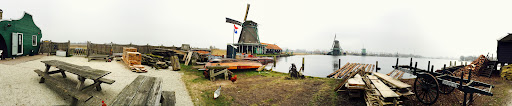
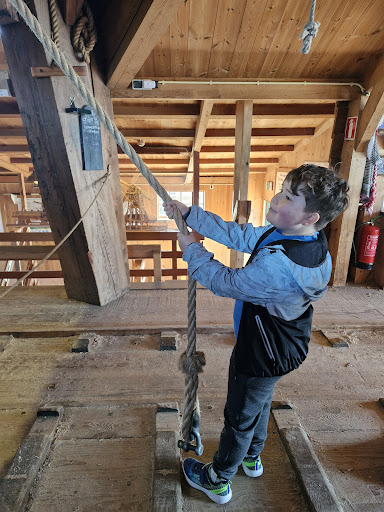
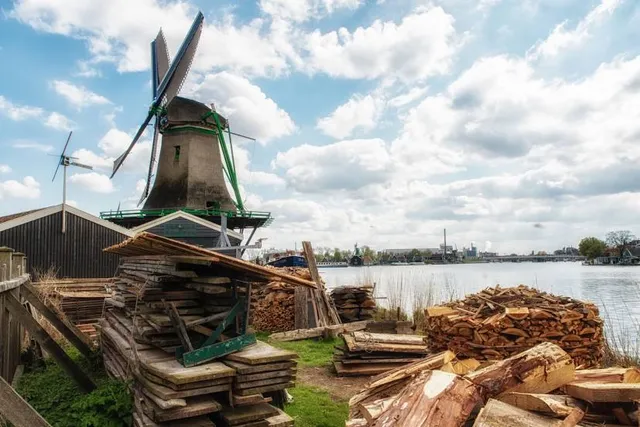
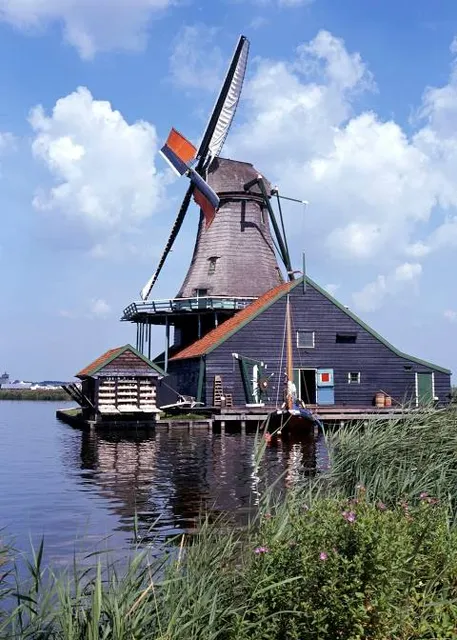
Het Jonge Schaap is the name of a wooden wind powered sawmill, located in the Zaanse Schans, in the municipality of Zaanstad. The original mill was built in 1680 and demolished in 1942. Between 2005 and 2007, a replica of the mill at the Zaanse Schans was built, between the mills "De Zoeker" and "De Bonte Hen".
Cultural
Scenic
Family friendly
attractions: Windmill De Zoeker, Paintmill De Kat, Zaanse Schans Windmill, Wooden Shoe Workshop of Zaanse Schans, Dutch Boat Tours - Windmill Cruises, The Zaansche Mill, Kaatmolen Zaanse Schans, De Gekroonde Poelenburg, Het Klaverblad, Bakery Museum "The Gecroonde Duyvekater ', restaurants: Brouwerij Hoop, De Hoop op d'Swarte Walvis, Two-headed Phoenix, Wolfsend, Chocolaterie De Cacaoboom, Proeflokaal De Kruis, Het Zaanse Bakkertje, DE BALEINE, Café de Slager, Snackbar De Guis, local businesses: De Zaanse Schans, Cheese Farm "Catharina Hoeve" by Henri Willig, Houtzaagmolen de Gekroonde Poelenburg, Zaans Museum, Windmillhopper, De Gekroonde Poelenburg, Henri Willig Kaas B.V., Cheese Makers, Zaandam Time Museum / Museum of the Dutch Clock, Windmillshop
 Learn more insights from Wanderboat AI.
Phone
+31 75 640 1377
Website
zaanschemolen.nl
Open hoursSee all hours
Tue9:30 AM - 4:30 PMClosed
Plan your stay

Pet-friendly Hotels in Zaanstad
Find a cozy hotel nearby and make it a full experience.

Affordable Hotels in Zaanstad
Find a cozy hotel nearby and make it a full experience.

The Coolest Hotels You Haven't Heard Of (Yet)
Find a cozy hotel nearby and make it a full experience.

Trending Stays Worth the Hype in Zaanstad
Find a cozy hotel nearby and make it a full experience.
Reviews
Live events

Prehistoric Planet: Dinosaurs – De meeslepende ervaring
Thu, Feb 12 • 11:00 AM
Pazzanistraat 37, Amsterdam, 1014 DB
View details

WONDR Experience + SpongeBob Special
Wed, Feb 11 • 10:00 AM
Meeuwenlaan 88, Amsterdam, 1021 JK
View details

Barbie: The Dream Experience - Amsterdam
Wed, Feb 11 • 9:30 AM
Meeuwenlaan 88-B, Amsterdam, 1021 JK
View details
Nearby attractions of Het Jonge Schaap, Zaandam
Windmill De Zoeker
Paintmill De Kat
Zaanse Schans Windmill
Wooden Shoe Workshop of Zaanse Schans
Dutch Boat Tours - Windmill Cruises
The Zaansche Mill
Kaatmolen Zaanse Schans
De Gekroonde Poelenburg
Het Klaverblad
Bakery Museum "The Gecroonde Duyvekater '
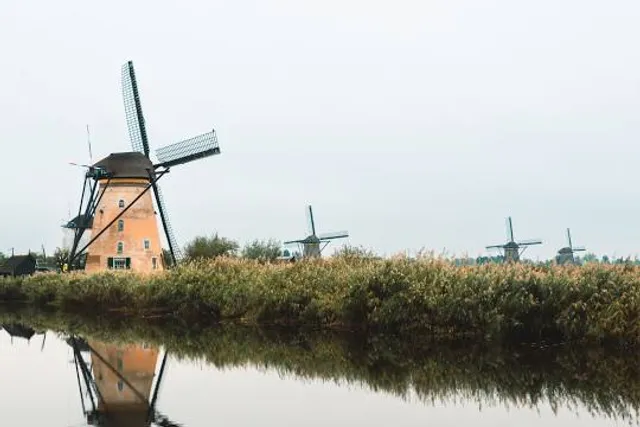
Windmill De Zoeker
4.8
(219)
Open 24 hours
Click for details
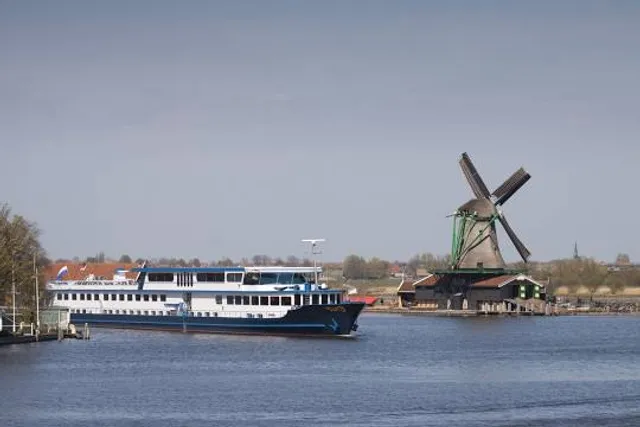
Paintmill De Kat
4.7
(479)
Closed
Click for details
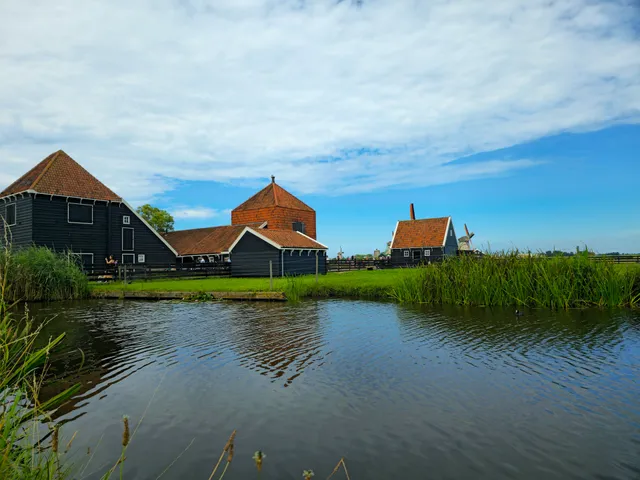
Zaanse Schans Windmill
4.7
(737)
Open 24 hours
Click for details
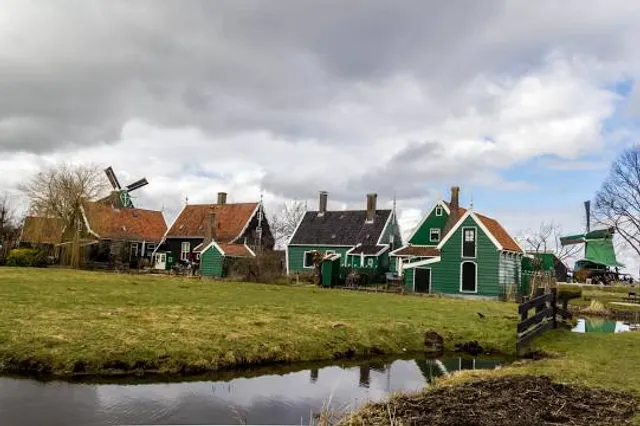
Wooden Shoe Workshop of Zaanse Schans
4.6
(3.6K)
Closed
Click for details
Nearby restaurants of Het Jonge Schaap, Zaandam
Brouwerij Hoop
De Hoop op d'Swarte Walvis
Two-headed Phoenix
Wolfsend
Chocolaterie De Cacaoboom
Proeflokaal De Kruis
Het Zaanse Bakkertje
DE BALEINE
Café de Slager
Snackbar De Guis
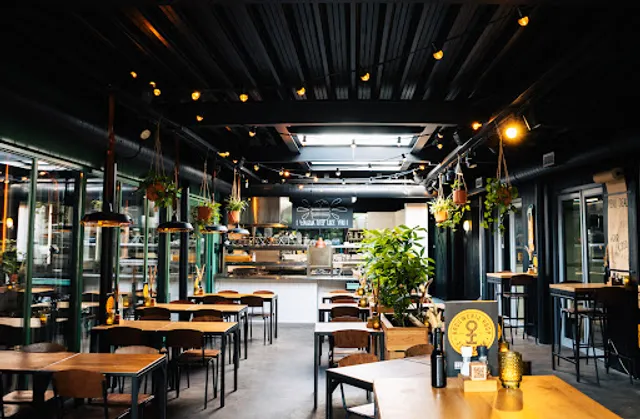
Brouwerij Hoop
4.4
(396)
$$
Open until 12:00 AM
Click for details
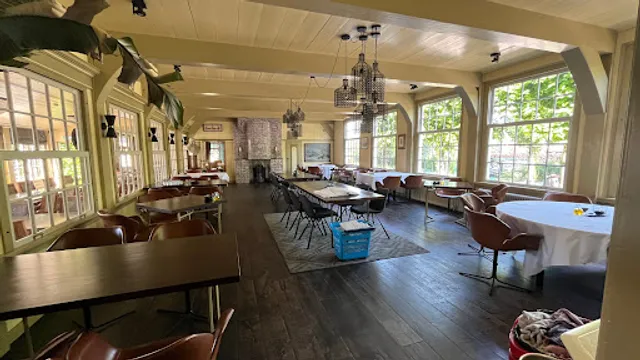
De Hoop op d'Swarte Walvis
4.0
(896)
Closed
Click for details
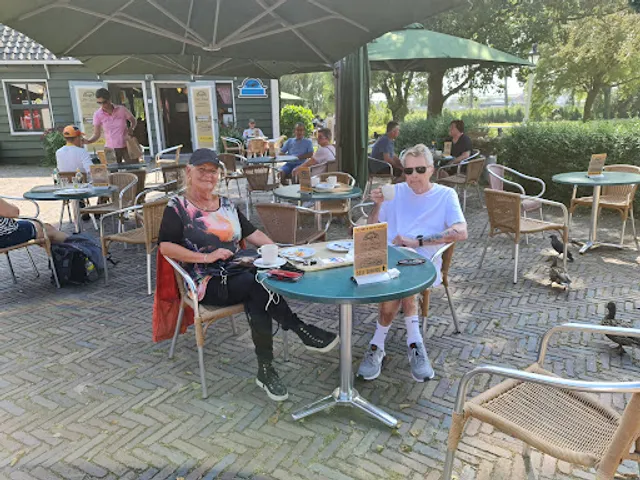
Two-headed Phoenix
3.3
(134)
Closed
Click for details
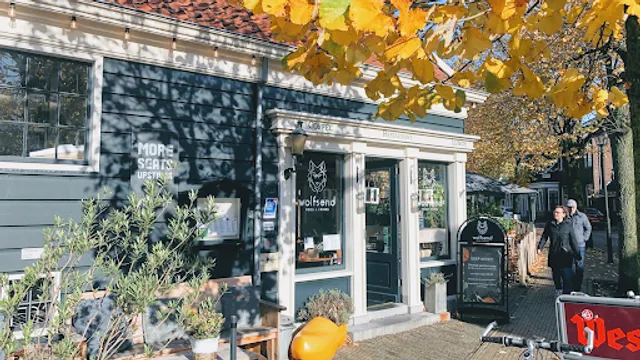
Wolfsend
4.4
(555)
Open until 12:00 AM
Click for details
Nearby local services of Het Jonge Schaap, Zaandam
De Zaanse Schans
Cheese Farm "Catharina Hoeve" by Henri Willig
Houtzaagmolen de Gekroonde Poelenburg
Zaans Museum
Windmillhopper
De Gekroonde Poelenburg
Henri Willig Kaas B.V.
Cheese Makers
Zaandam Time Museum / Museum of the Dutch Clock
Windmillshop
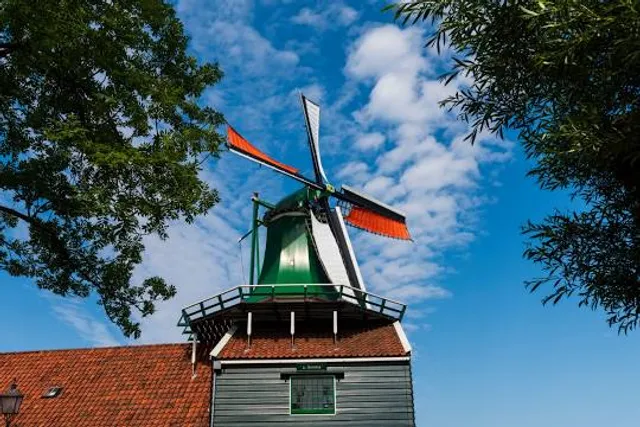
De Zaanse Schans
4.7
(3.6K)
Click for details
Cheese Farm "Catharina Hoeve" by Henri Willig
4.5
(943)
Click for details
Houtzaagmolen de Gekroonde Poelenburg
4.7
(202)
Click for details
Zaans Museum
4.4
(4.8K)
Click for details