The National Museum things to do, attractions, restaurants, events info and trip planning
Basic Info
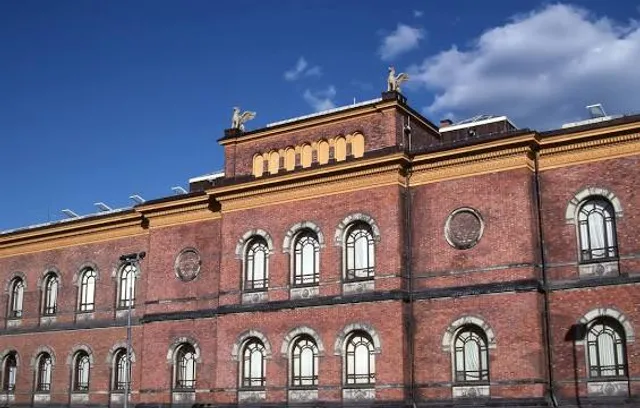
The National Museum
Brynjulf Bulls plass 3, 0250 Oslo, Norway
4.6(3.6K)
Closed


tickets
Save
spot
spot
Ratings & Description
Info
Cultural
Accessibility
attractions: Nobel Peace Center, Oslo Concert Hall, Nasjonalmuseets administrasjon, House of Oslo, Stasjonsmesterboligen, The Viking Planet, National Theatre, Slottsplassen, Aker Brygge Marina, Spikersuppa Ice Skating Rink, restaurants: Olivia Aker Brygge, ASIA Aker Brygge, Latter, Louise Restaurant & Bar, Jarmann Gastropub, Beer Palace, Delicatessen Aker Brygge, Lekter'n, Winther Artisan Food & Restaurant, National Museum Oslo Cafe, local businesses: Vika Movie Theater, Aker brygge, Oslo City Hall, Rådhuset, LETT Aker Brygge, Oslo sightseeing fjord Tour, Google Oslo, Paleet, Nationaltheatret, Meraki Studio
 Learn more insights from Wanderboat AI.
Phone
+47 21 98 20 00
Website
nasjonalmuseet.no
Open hoursSee all hours
Wed10 a.m. - 8 p.m.Closed
Plan your stay

Pet-friendly Hotels in Oslo
Find a cozy hotel nearby and make it a full experience.

Affordable Hotels in Oslo
Find a cozy hotel nearby and make it a full experience.

The Coolest Hotels You Haven't Heard Of (Yet)
Find a cozy hotel nearby and make it a full experience.

Trending Stays Worth the Hype in Oslo
Find a cozy hotel nearby and make it a full experience.
Reviews
Live events
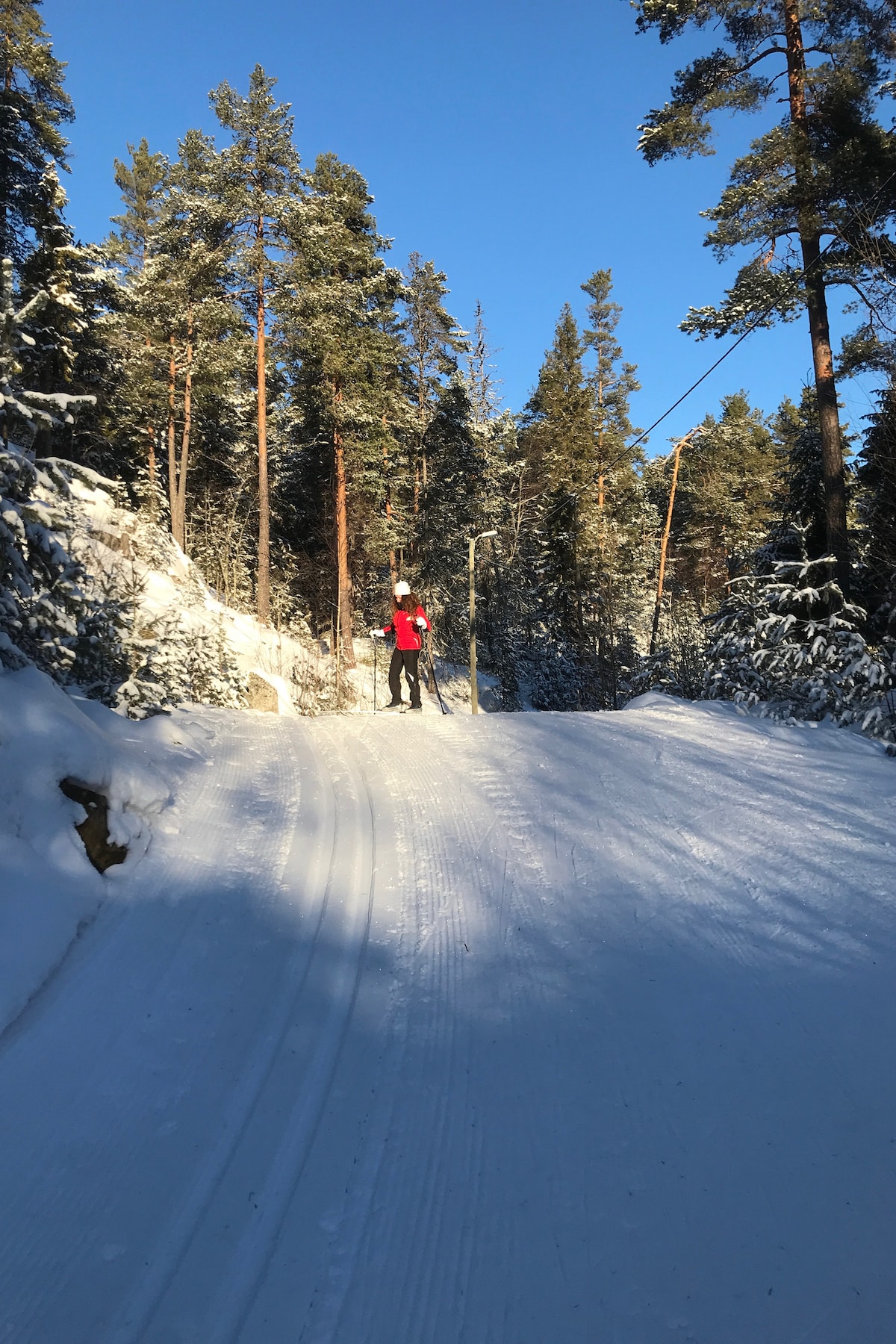
The Norwegian Skiing Experience
Fri, Feb 27 • 12:00 PM
0694, Oslo, Norway
View details
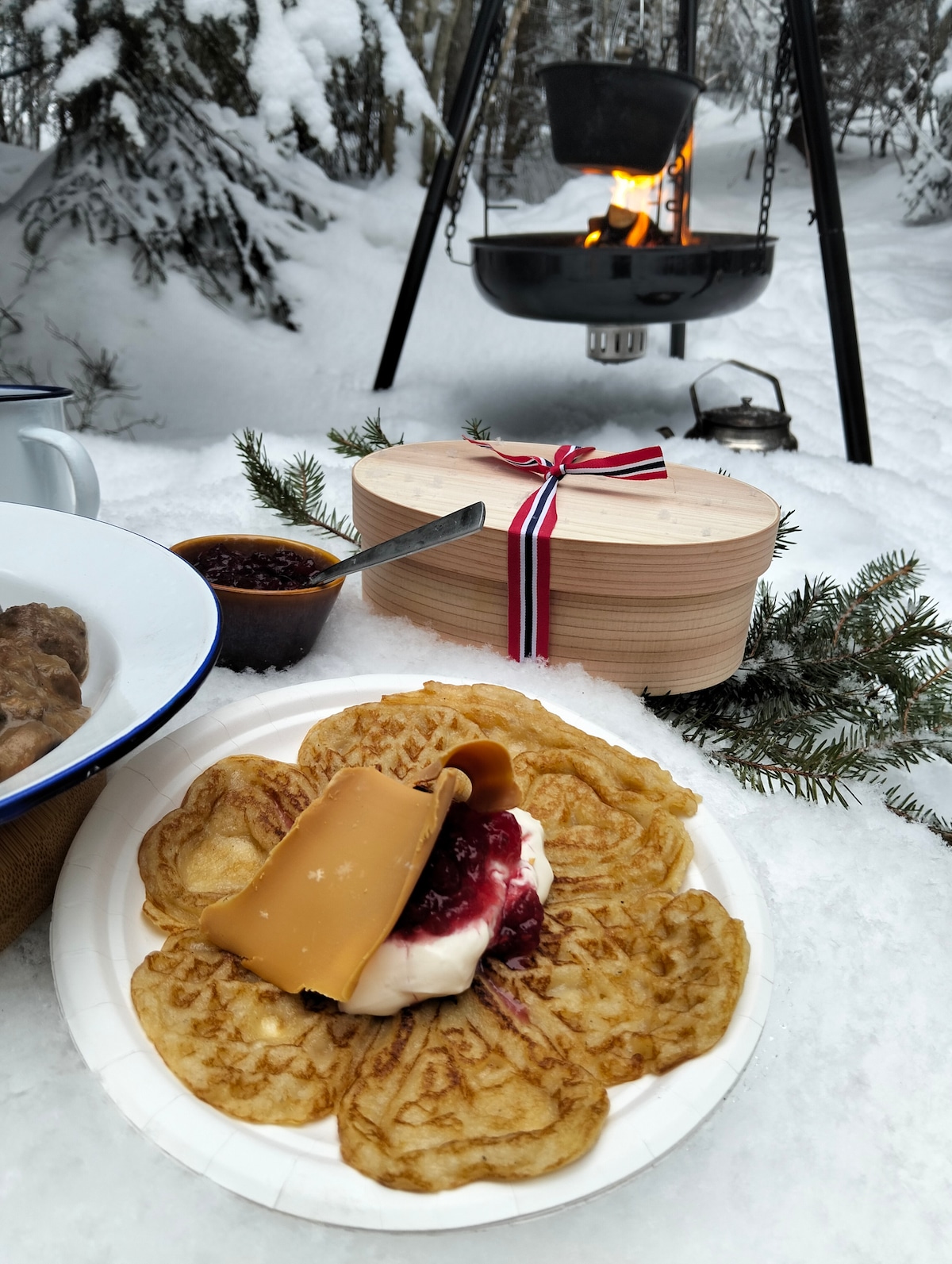
Oslo’s Food Tour: Nature Walk and Forest Feast
Wed, Feb 25 • 2:00 PM
0791, Oslo, Norway
View details
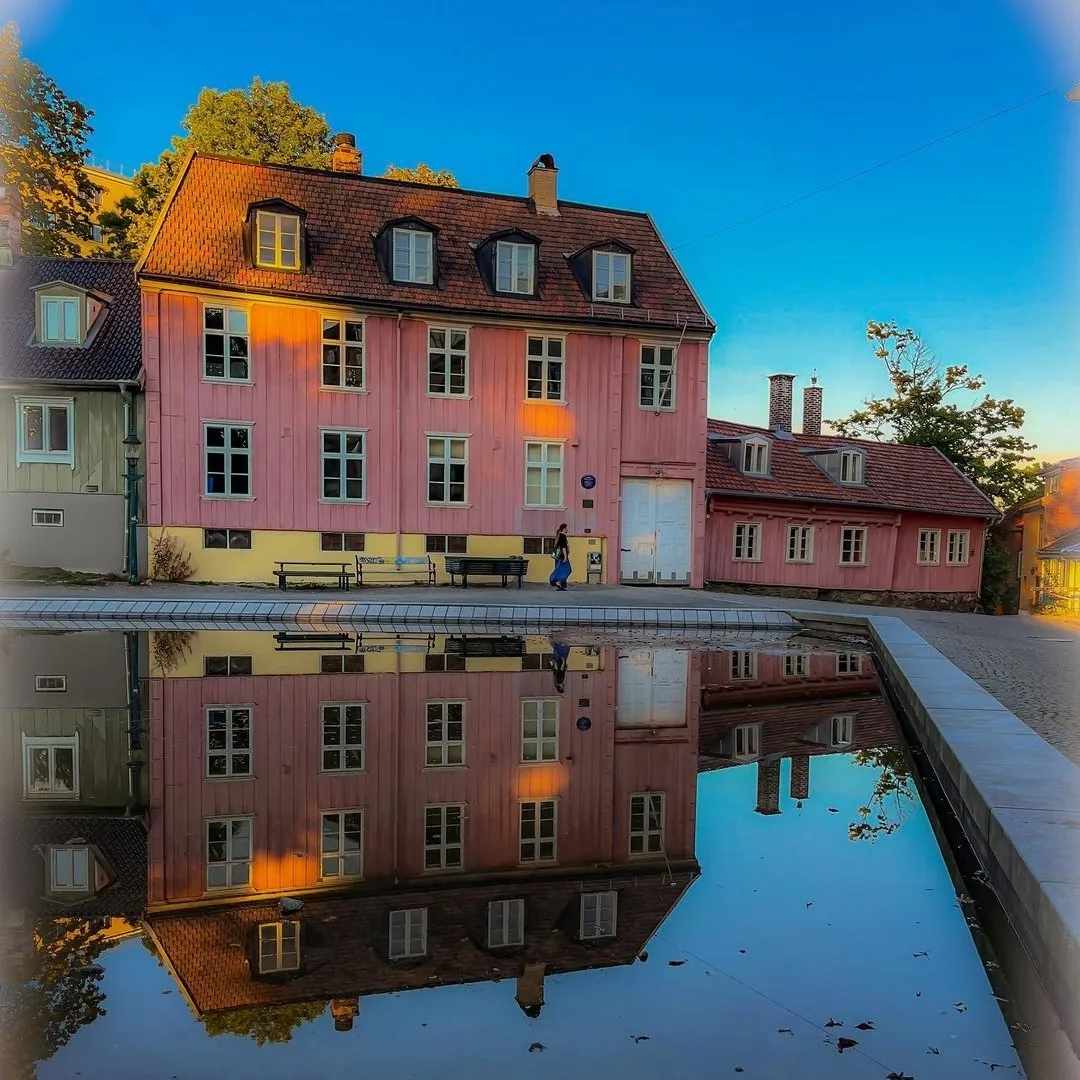
Norwegian Food Tour & Hidden Gems of Oslo CityWalk
Thu, Feb 26 • 12:00 PM
0154, Oslo, Norway
View details
Nearby attractions of The National Museum
Nobel Peace Center
Oslo Concert Hall
Nasjonalmuseets administrasjon
House of Oslo
Stasjonsmesterboligen
The Viking Planet
National Theatre
Slottsplassen
Aker Brygge Marina
Spikersuppa Ice Skating Rink
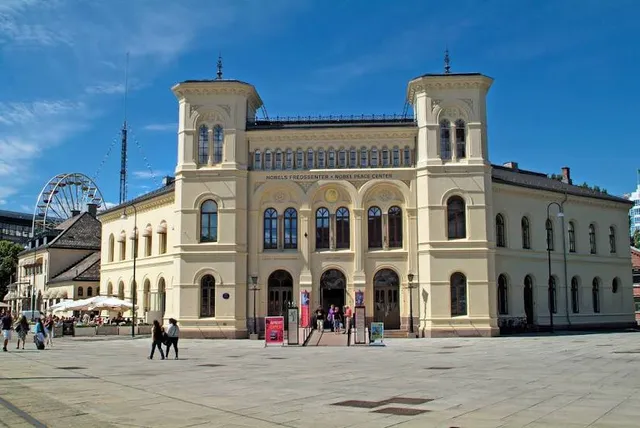
Nobel Peace Center
4.4
(2.3K)
Closed
Click for details
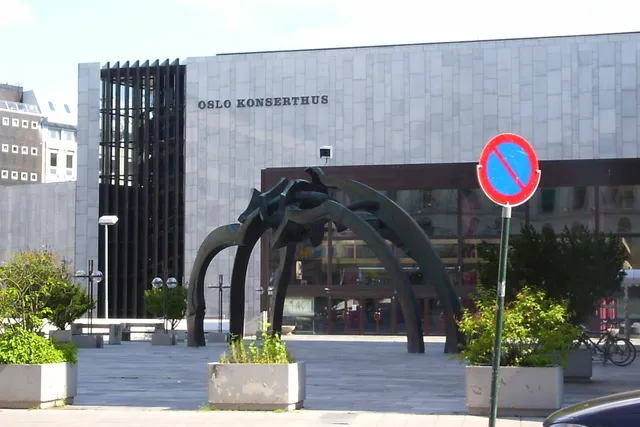
Oslo Concert Hall
4.5
(1.1K)
Open 24 hours
Click for details
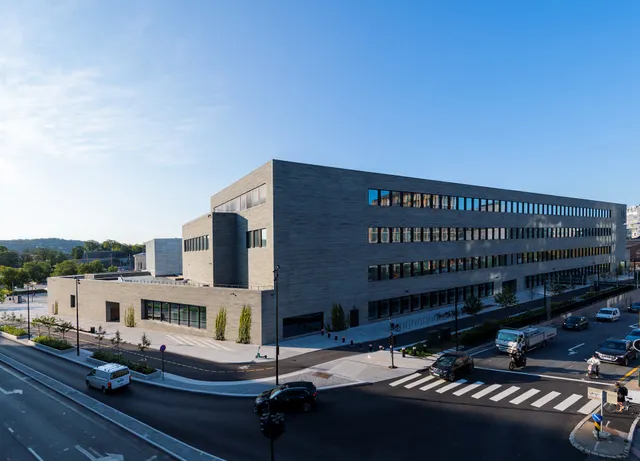
Nasjonalmuseets administrasjon
4.8
(33)
Closed
Click for details
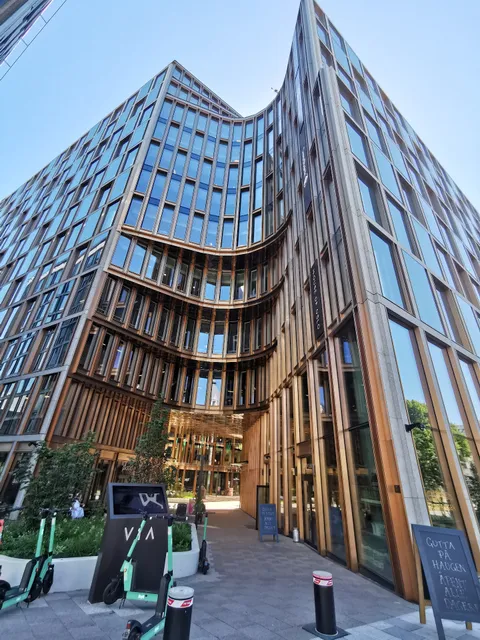
House of Oslo
3.8
(184)
Closed
Click for details
Nearby restaurants of The National Museum
Olivia Aker Brygge
ASIA Aker Brygge
Latter
Louise Restaurant & Bar
Jarmann Gastropub
Beer Palace
Delicatessen Aker Brygge
Lekter'n
Winther Artisan Food & Restaurant
National Museum Oslo Cafe
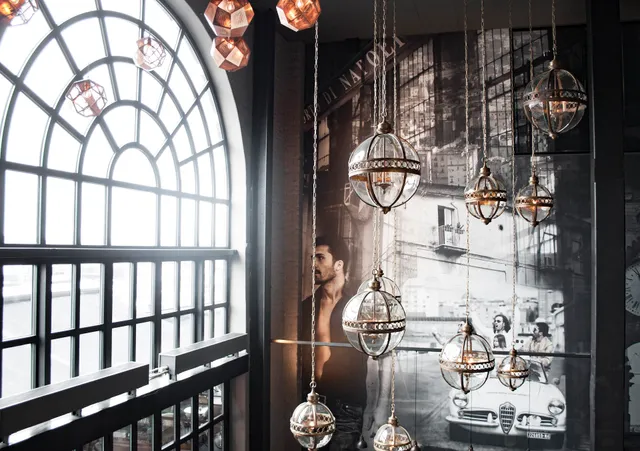
Olivia Aker Brygge
4.2
(2.3K)
$$
Closed
Click for details
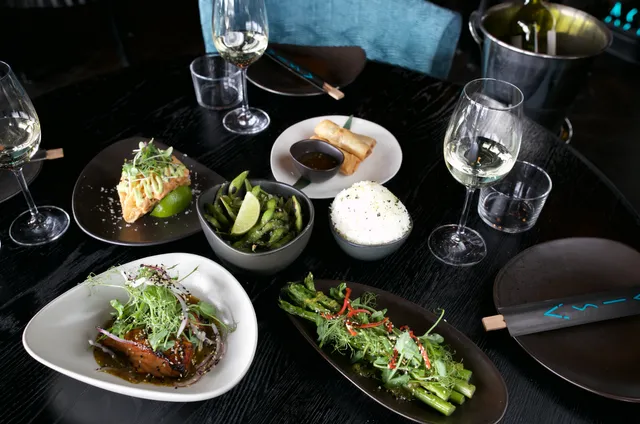
ASIA Aker Brygge
4.1
(1.1K)
$$
Closed
Click for details
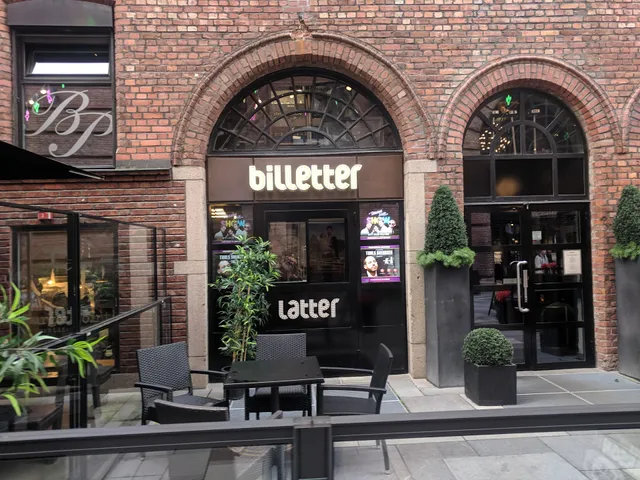
Latter
4.4
(1.1K)
$$
Closed
Click for details
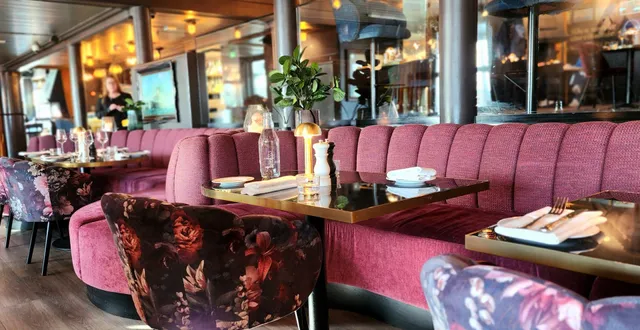
Louise Restaurant & Bar
4.3
(2.2K)
$$$
Click for details
Nearby local services of The National Museum
Vika Movie Theater
Aker brygge
Oslo City Hall
Rådhuset
LETT Aker Brygge
Oslo sightseeing fjord Tour
Google Oslo
Paleet
Nationaltheatret
Meraki Studio
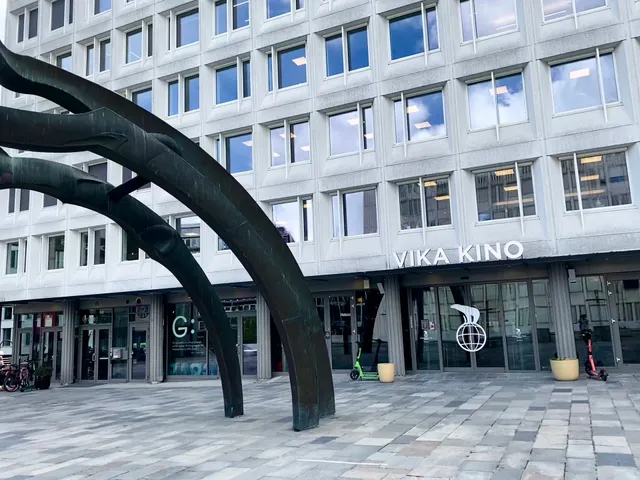
Vika Movie Theater
4.5
(809)
Click for details
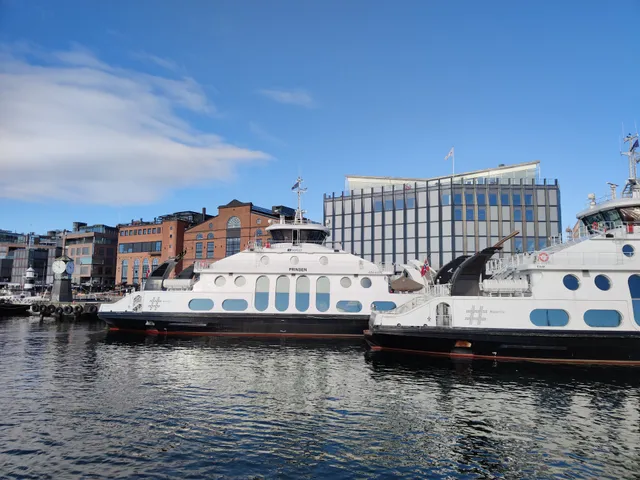
Aker brygge
4.6
(110)
Click for details
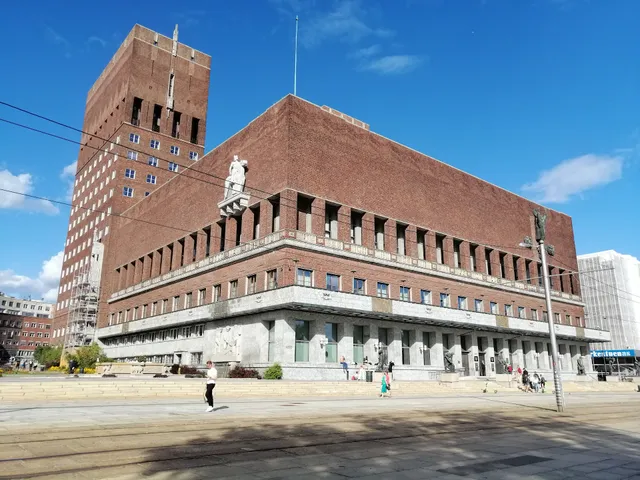
Oslo City Hall
4.6
(1.0K)
Click for details
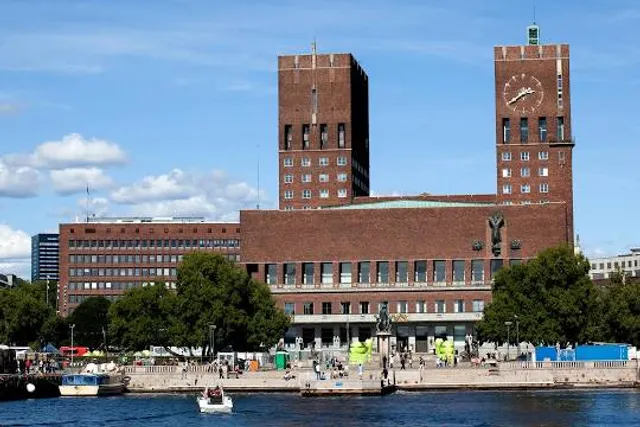
Rådhuset
4.5
(701)
Click for details