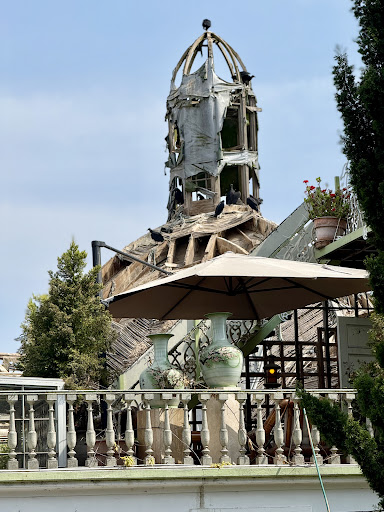
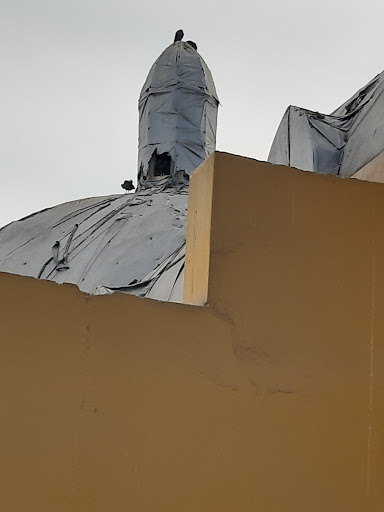
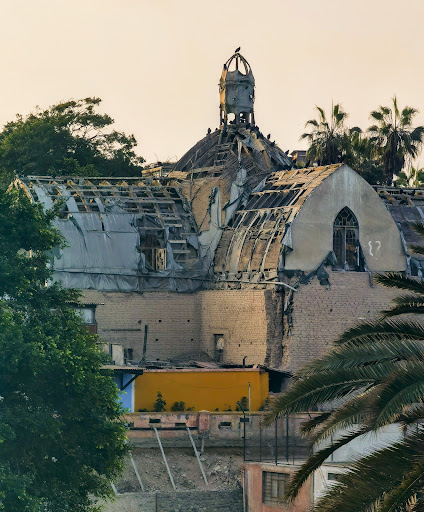
Iglesia La Ermita things to do, attractions, restaurants, events info and trip planning
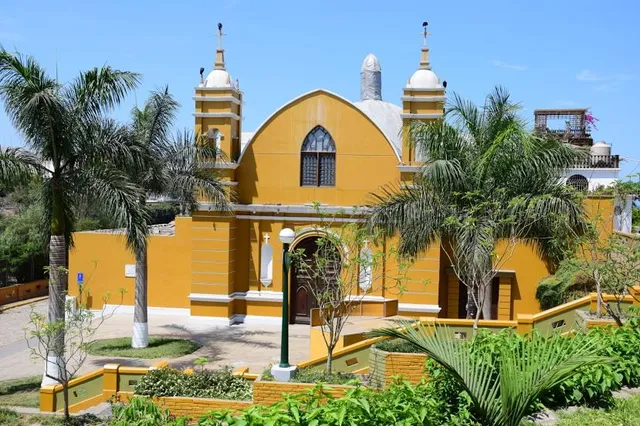
Basic Info
Iglesia La Ermita
VX2G+9Q7, C. la Ermita, Barranco 15063, Peru
4.2(95)
Closed
Save
spot
spot
Ratings & Description
Info
Cultural
attractions: Bridge of Sighs, Municipal de Barranco Park, El Gato Tulipán, Federico Villarreal Park, Galería Jade Rivera World, Parroquia La Santisima Cruz, Electricity Museum, La Candelaria, Playa Barranco, Playa Los Yuyos, restaurants: Restaurante Javier, El Tio Mario, La Posada Del Mirador, Isolina, Picas, La Bodega Verde, Acantilado de Barranco, República del Pisco - Barranco, Rustica, Alanya Repostería, local businesses: La Bodega del Monje BAR & GRILL, Peru Empire
 Learn more insights from Wanderboat AI.
Open hoursSee all hours
Fri9 a.m. - 12 p.m., 6 - 8:30 p.m.Closed
Plan your stay

Pet-friendly Hotels in Lima Metropolitan Area
Find a cozy hotel nearby and make it a full experience.

Affordable Hotels in Lima Metropolitan Area
Find a cozy hotel nearby and make it a full experience.

The Coolest Hotels You Haven't Heard Of (Yet)
Find a cozy hotel nearby and make it a full experience.

Trending Stays Worth the Hype in Lima Metropolitan Area
Find a cozy hotel nearby and make it a full experience.
Reviews
Live events

Peruvian Cooking Class & Local Market Tour
Fri, Feb 27 • 8:30 AM
Miraflores, 15074, Lima Province, Peru
View details
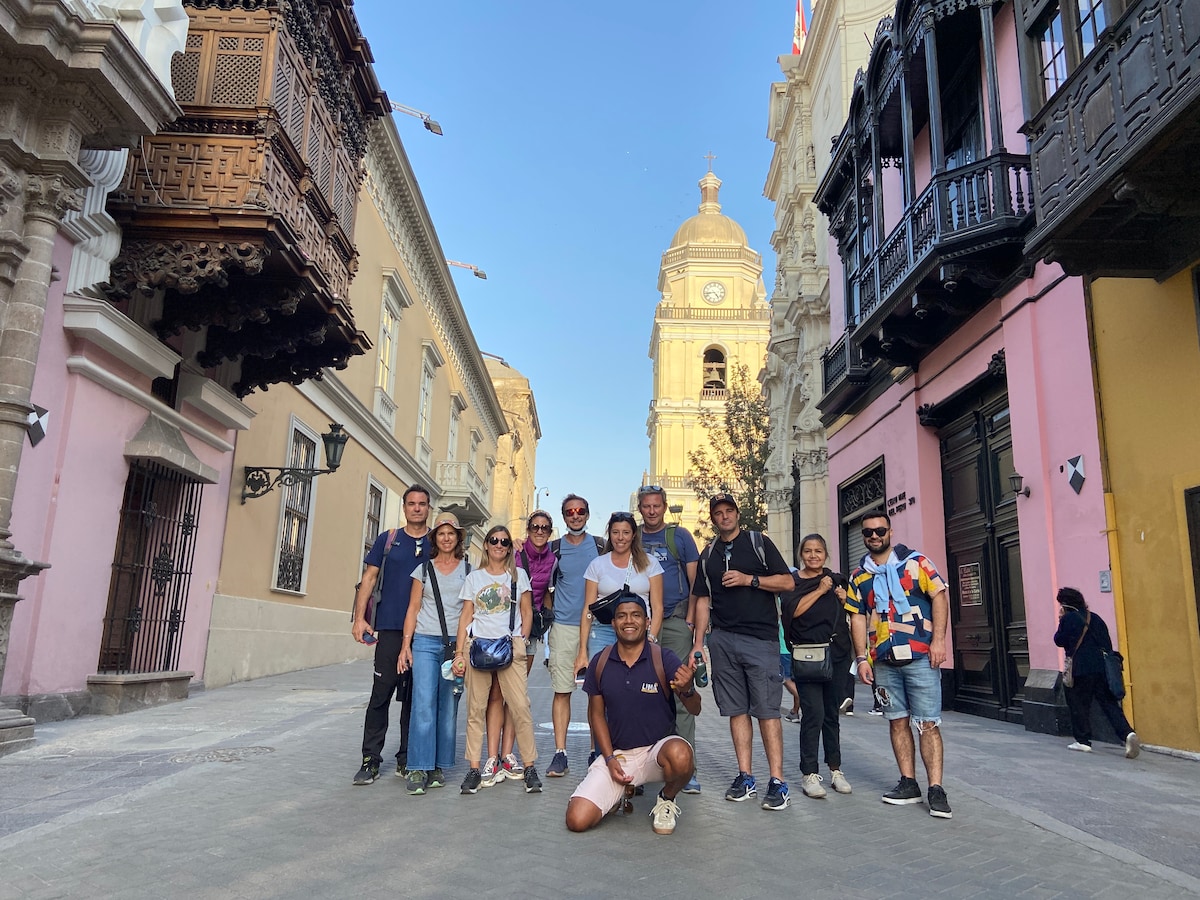
Lima City Tour and its catacombs
Fri, Feb 27 • 4:30 PM
Lima, 15001, Provincia de Lima, Peru
View details
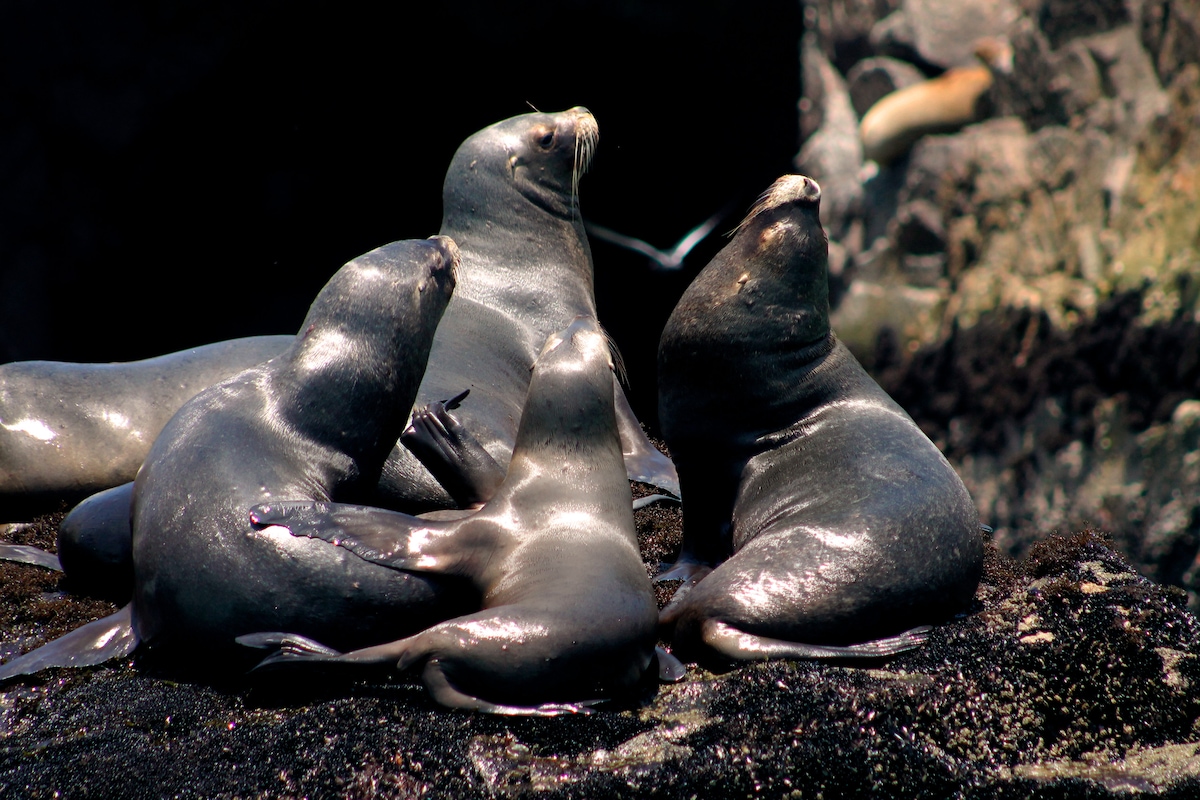
Swim with sea lions in Callao
Fri, Feb 27 • 10:00 AM
Callao, 07021, Callao Region, Peru
View details
Nearby attractions of Iglesia La Ermita
Bridge of Sighs
Municipal de Barranco Park
El Gato Tulipán
Federico Villarreal Park
Galería Jade Rivera World
Parroquia La Santisima Cruz
Electricity Museum
La Candelaria
Playa Barranco
Playa Los Yuyos
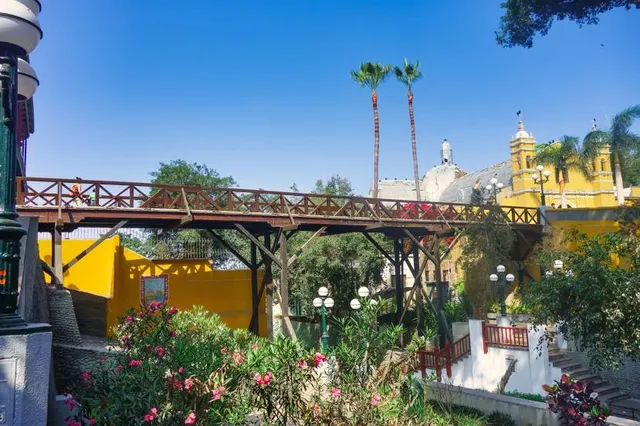
Bridge of Sighs
4.6
(9K)
Open 24 hours
Click for details
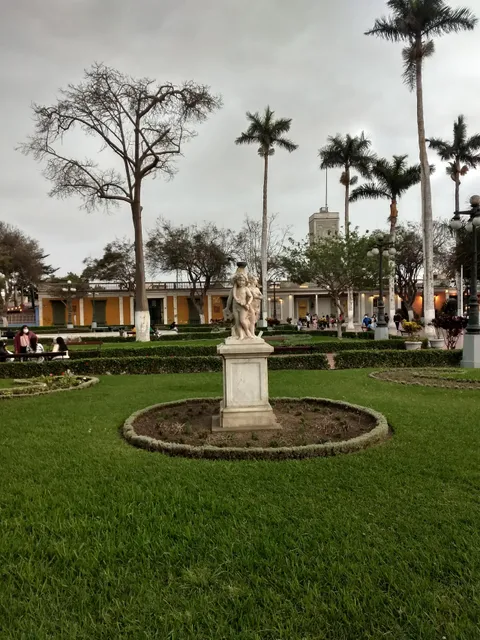
Municipal de Barranco Park
4.5
(3.8K)
Open until 12:00 AM
Click for details
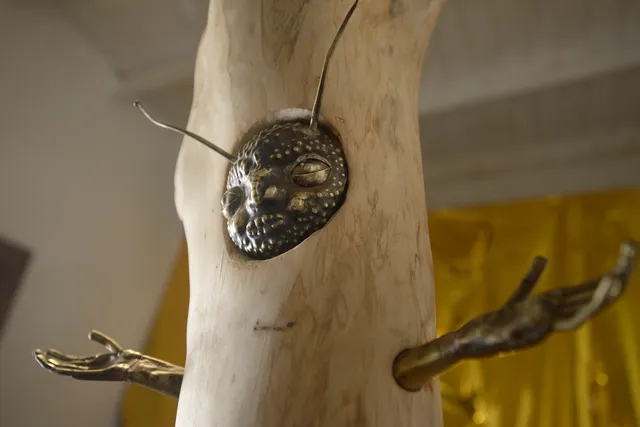
El Gato Tulipán
4.6
(316)
Closed
Click for details
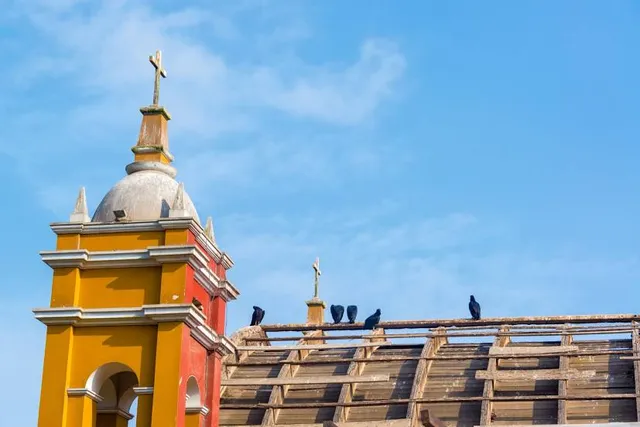
Federico Villarreal Park
4.4
(163)
Open until 12:00 AM
Click for details
Nearby restaurants of Iglesia La Ermita
Restaurante Javier
El Tio Mario
La Posada Del Mirador
Isolina
Picas
La Bodega Verde
Acantilado de Barranco
República del Pisco - Barranco
Rustica
Alanya Repostería
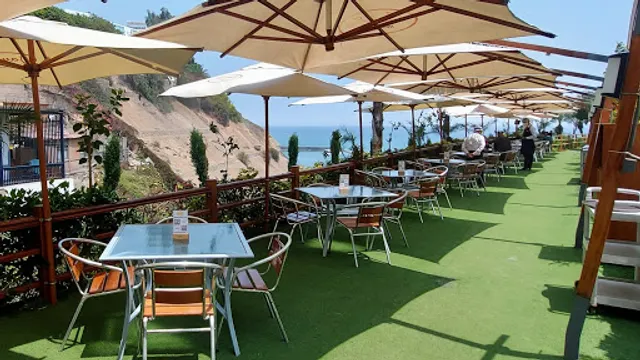
Restaurante Javier
4.4
(3.3K)
$$
Closed
Click for details
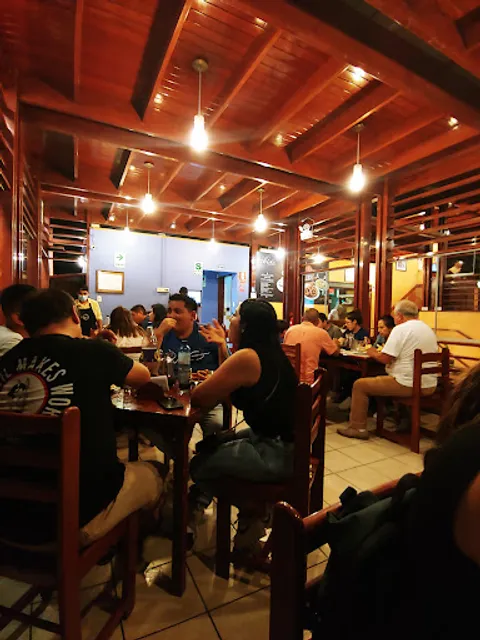
El Tio Mario
4.4
(1.4K)
Closed
Click for details
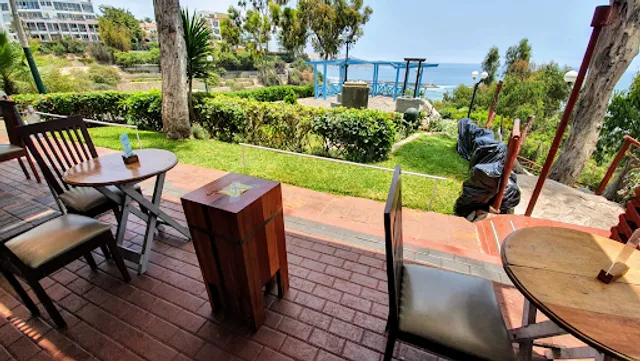
La Posada Del Mirador
4.1
(1.1K)
Closed
Click for details
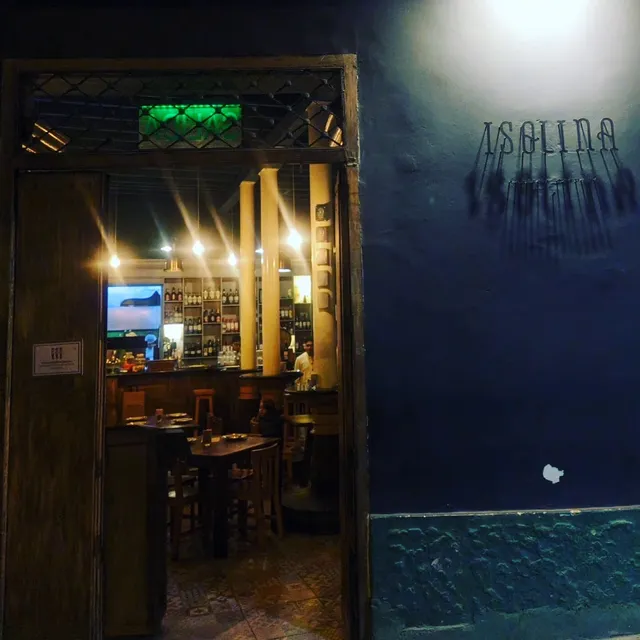
Isolina
4.6
(3.1K)
$$
Closed
Click for details
Nearby local services of Iglesia La Ermita
La Bodega del Monje BAR & GRILL
Peru Empire
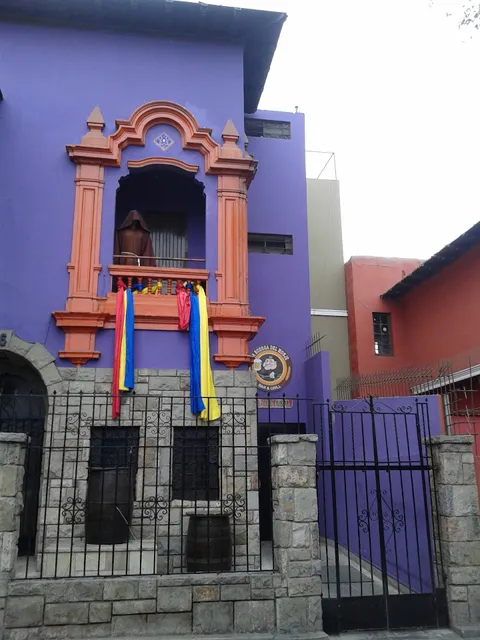
La Bodega del Monje BAR & GRILL
3.9
(129)
Click for details
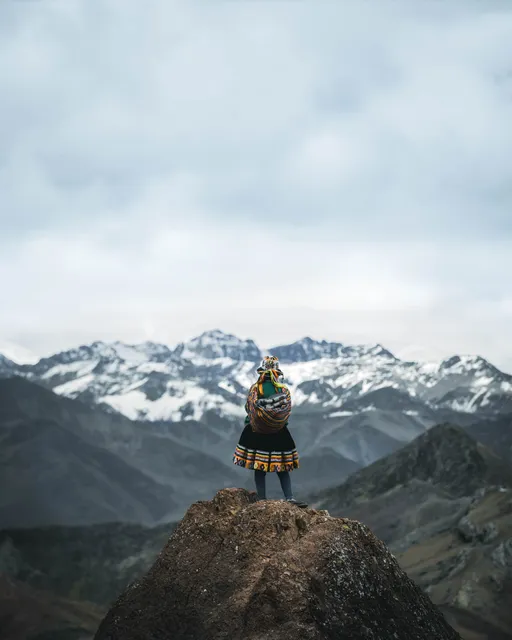
Peru Empire
4.7
(10)
Click for details