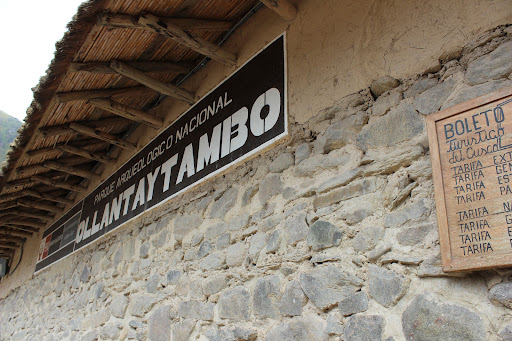
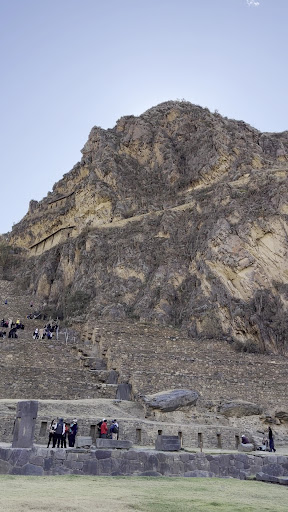
Ruinas ollantaytambo things to do, attractions, restaurants, events info and trip planning
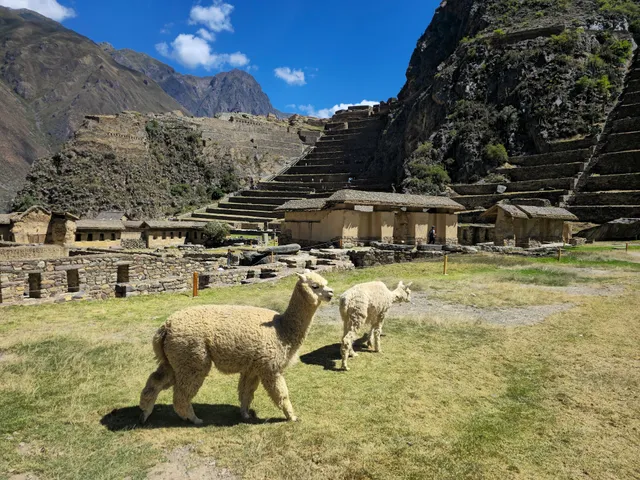
Basic Info
Ruinas ollantaytambo
PPVM+8JH, Ollantaytambo 08676, Peru
4.8(165)
Closed
Save
spot
spot
Ratings & Description
Info
Cultural
Outdoor
Scenic
Family friendly
attractions: Ollantaytambo Sanctuary, Templo del sol, Plaza de Armas de Ollantaytambo, Parque Arqueológico - Ollantaytambo Ciudad Inka, ALQA - Museo de Arte Popular Andino, CASA INKA - MUSEO VIVO. Casa de los cuyes, Inka Misana, Sitio arqueológico Pinkuylluna, El Tunupa, Qelloraqay Archeological Site, restaurants: Apu Veronica Restaurant, Sabor Mágico Grill Restaurant - Pizzeria - Craft Beer, Bustop Coffee Ollantaytambo, Chullpi Restaurant, Sunshine Cafe, Ollantaytambo Restaurant - Pizzería - Craft Beer, Nina del Valle, Apu Ausangate Restaurant, UCHUCUTA Restaurant Ollantaytambo, Inka Nato Restaurante, local businesses: Ruinas ollantaytambo, Temple of Water, Inka Watana, Spa Valle sagrado - Massage, Ada spa Massages, Vida spa Massages, PeruRail - Boletería Estación Ollantaytambo, Altitude Peru
 Learn more insights from Wanderboat AI.
Phone
+51 84 635965
Open hoursSee all hours
Mon7 AM - 5 PMClosed
Plan your stay

Pet-friendly Hotels in Ollantaytambo
Find a cozy hotel nearby and make it a full experience.

Affordable Hotels in Ollantaytambo
Find a cozy hotel nearby and make it a full experience.

The Coolest Hotels You Haven't Heard Of (Yet)
Find a cozy hotel nearby and make it a full experience.

Trending Stays Worth the Hype in Ollantaytambo
Find a cozy hotel nearby and make it a full experience.
Reviews
Live events
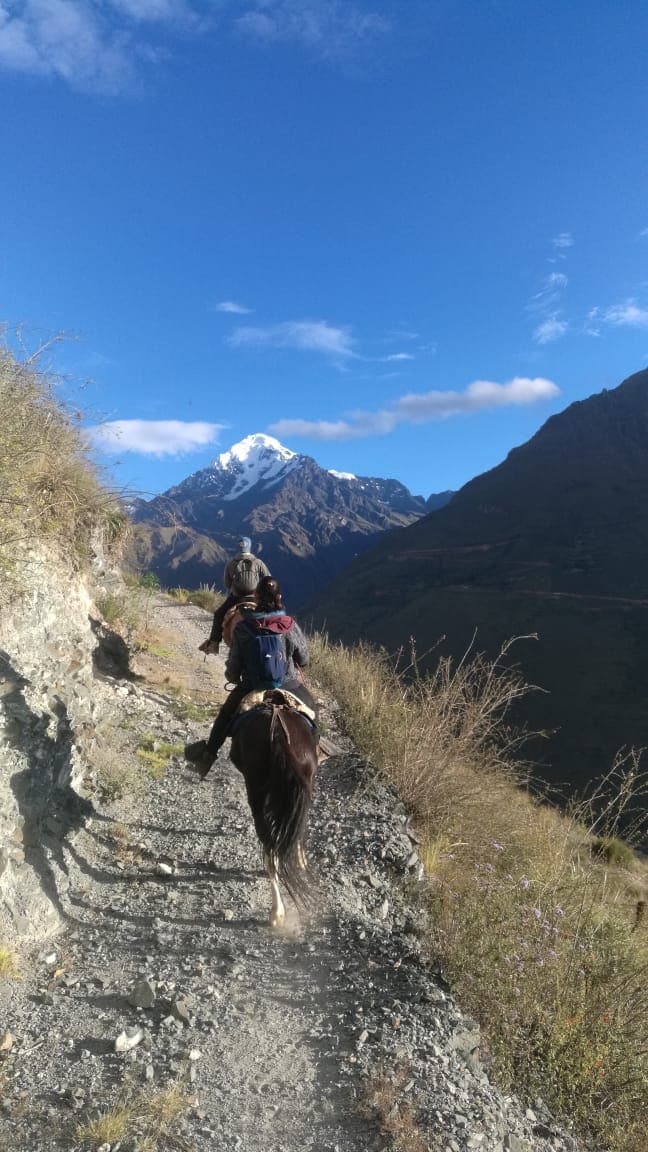
Horseback riding in the mountains of Ollantaytambo
Mon, Feb 23 • 9:00 AM
Ollantaytambo, 08676, Cusco, Peru
View details
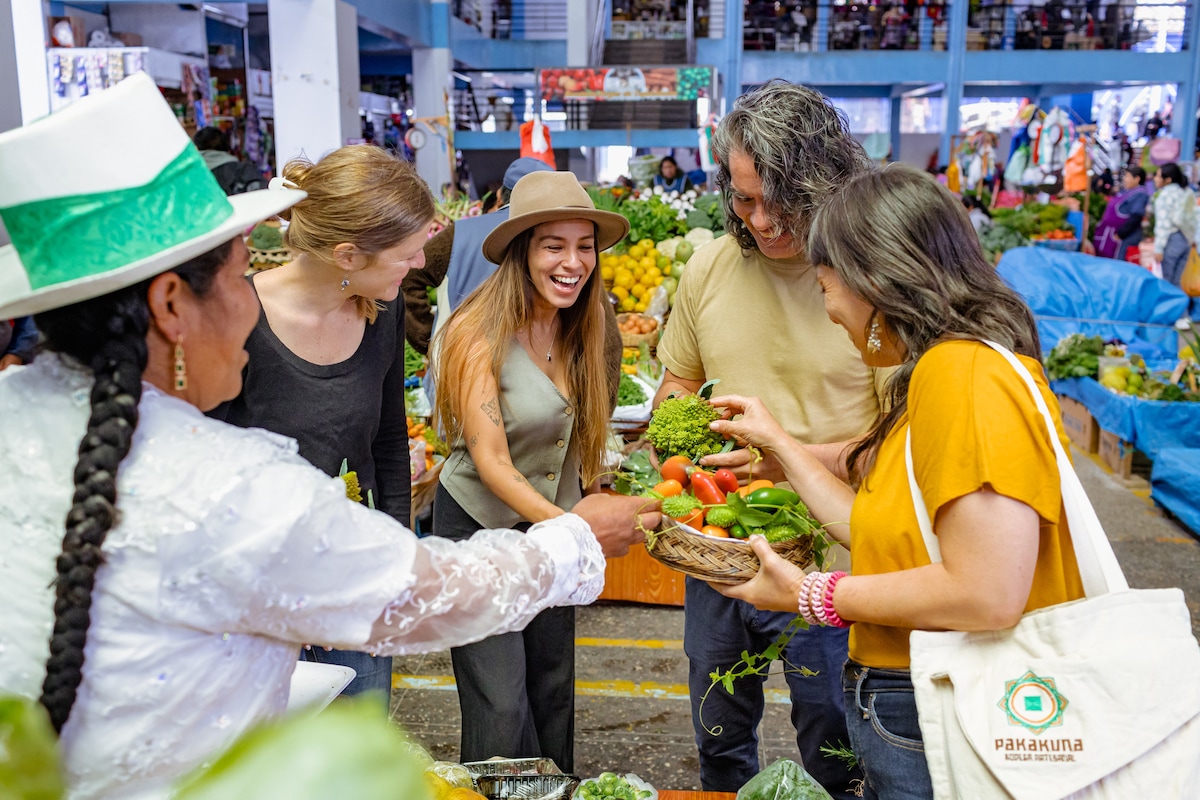
Peruvian Cooking classes in Urubamba
Mon, Feb 23 • 9:00 AM
Urubamba, 08661, Cusco, Peru
View details
Nearby attractions of Ruinas ollantaytambo
Ollantaytambo Sanctuary
Templo del sol
Plaza de Armas de Ollantaytambo
Parque Arqueológico - Ollantaytambo Ciudad Inka
ALQA - Museo de Arte Popular Andino
CASA INKA - MUSEO VIVO. Casa de los cuyes
Inka Misana
Sitio arqueológico Pinkuylluna
El Tunupa
Qelloraqay Archeological Site
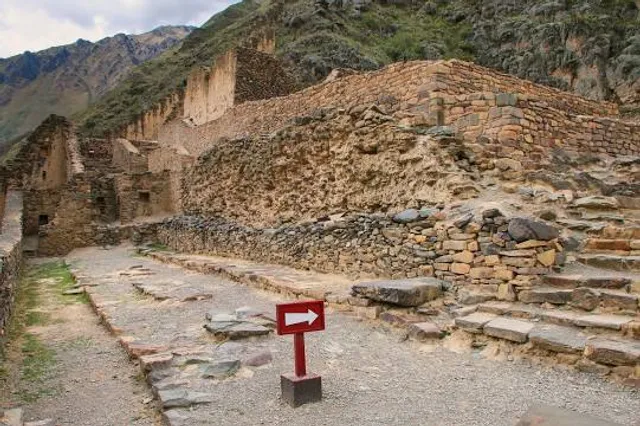
Ollantaytambo Sanctuary
4.8
(9.5K)
Closed
Click for details
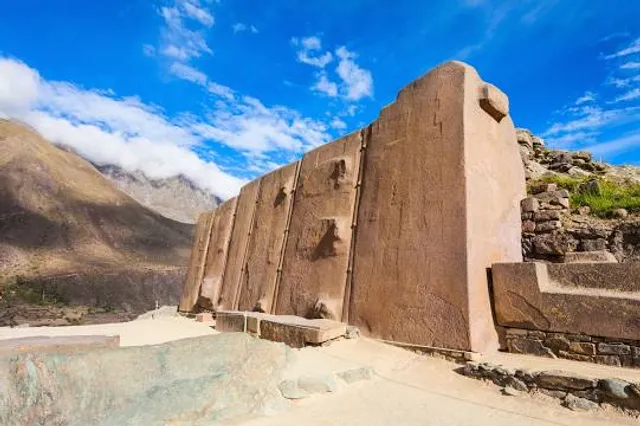
Templo del sol
4.8
(517)
Closed
Click for details
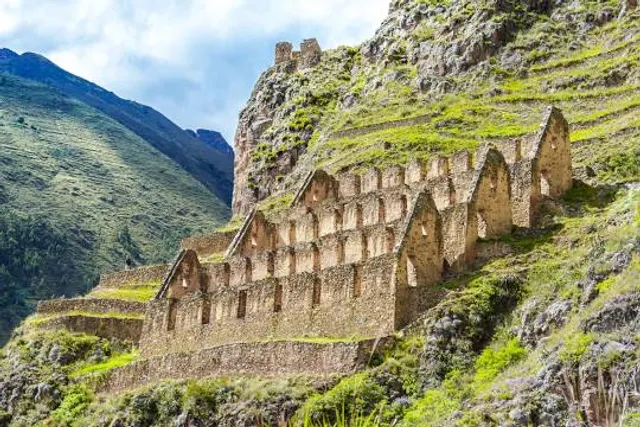
Plaza de Armas de Ollantaytambo
4.7
(1.2K)
Open until 12:00 AM
Click for details
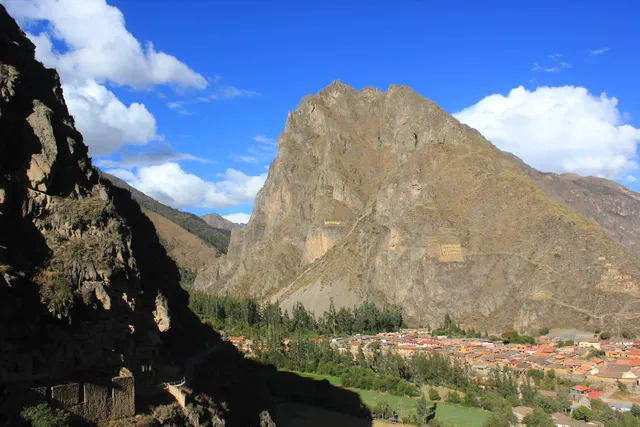
Parque Arqueológico - Ollantaytambo Ciudad Inka
4.9
(8)
Closed
Click for details
Nearby restaurants of Ruinas ollantaytambo
Apu Veronica Restaurant
Sabor Mágico Grill Restaurant - Pizzeria - Craft Beer
Bustop Coffee Ollantaytambo
Chullpi Restaurant
Sunshine Cafe
Ollantaytambo Restaurant - Pizzería - Craft Beer
Nina del Valle
Apu Ausangate Restaurant
UCHUCUTA Restaurant Ollantaytambo
Inka Nato Restaurante
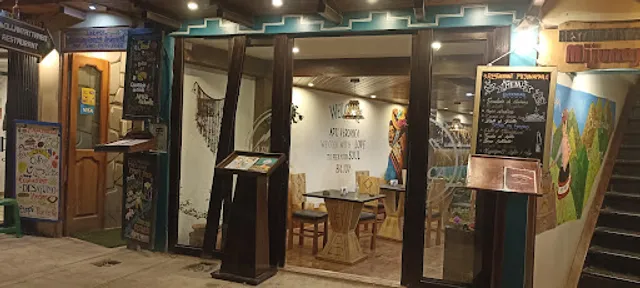
Apu Veronica Restaurant
4.6
(509)
$$
Closed
Click for details
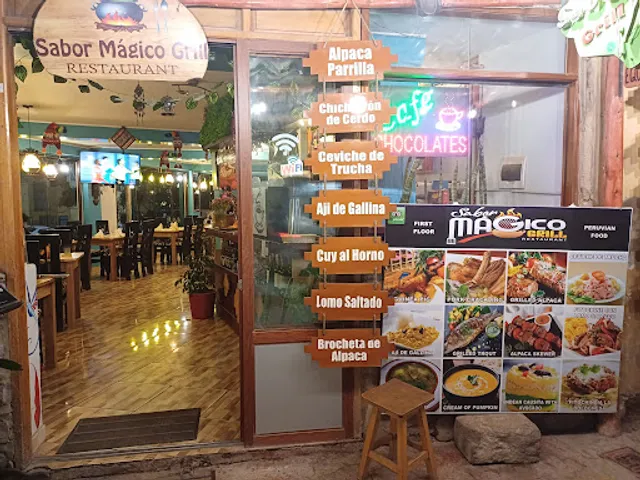
Sabor Mágico Grill Restaurant - Pizzeria - Craft Beer
4.8
(200)
Closed
Click for details
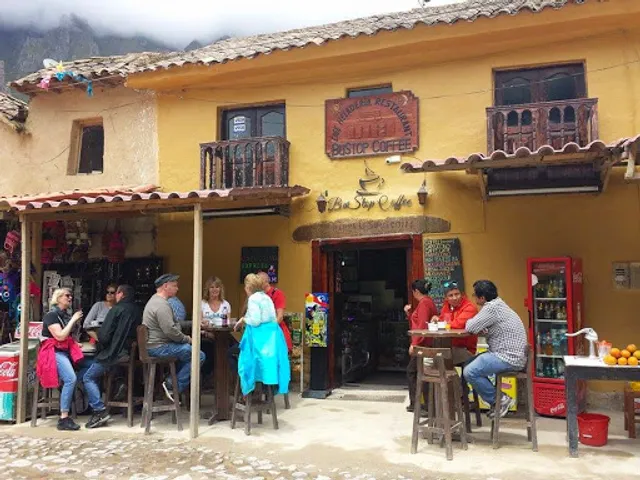
Bustop Coffee Ollantaytambo
4.3
(47)
Closed
Click for details
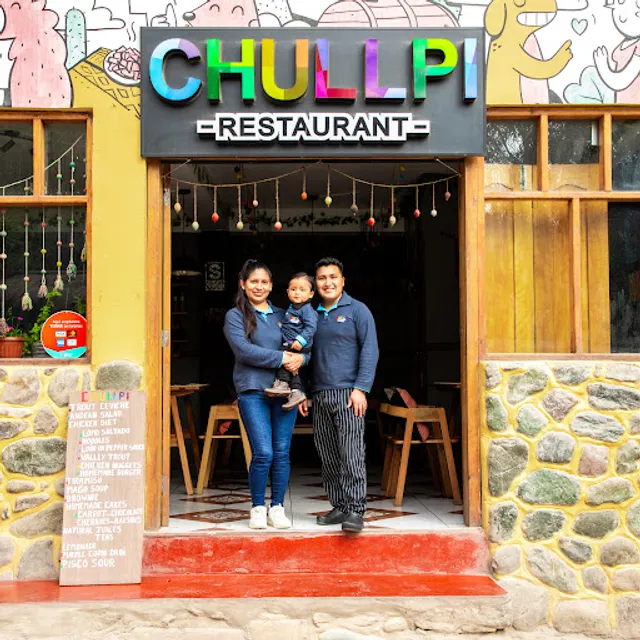
Chullpi Restaurant
4.9
(271)
Open until 12:00 AM
Click for details
Nearby local services of Ruinas ollantaytambo
Ruinas ollantaytambo
Temple of Water
Inka Watana
Spa Valle sagrado - Massage
Ada spa Massages
Vida spa Massages
PeruRail - Boletería Estación Ollantaytambo
Altitude Peru
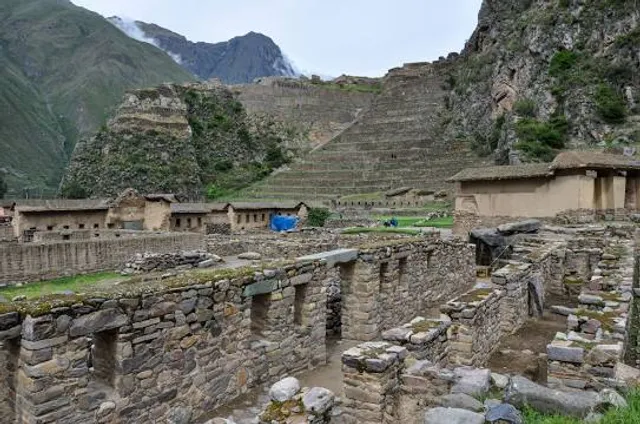
Ruinas ollantaytambo
4.8
(136)
Click for details
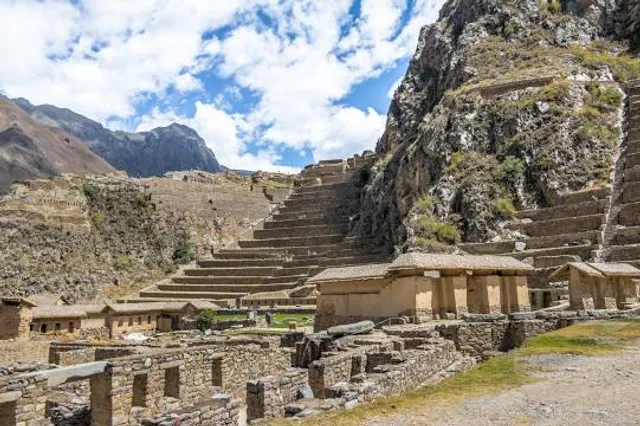
Temple of Water
4.9
(11)
Click for details
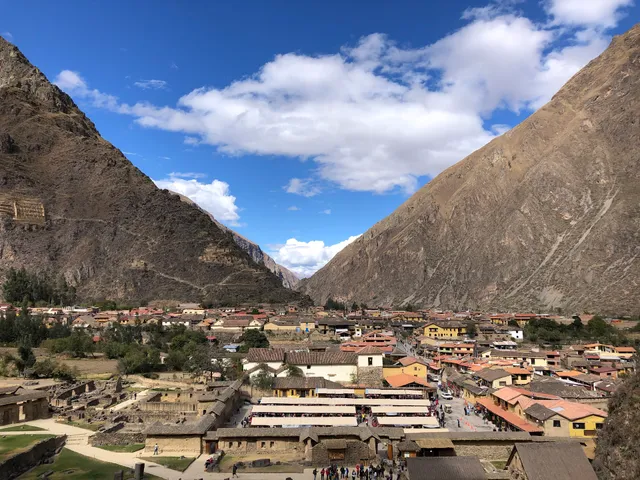
Inka Watana
4.9
(51)
Click for details
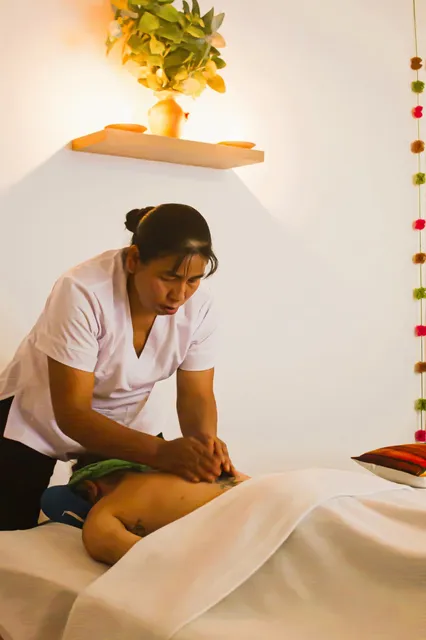
Spa Valle sagrado - Massage
4.9
(79)
Click for details