Kilometre Zero things to do, attractions, restaurants, events info and trip planning
Basic Info
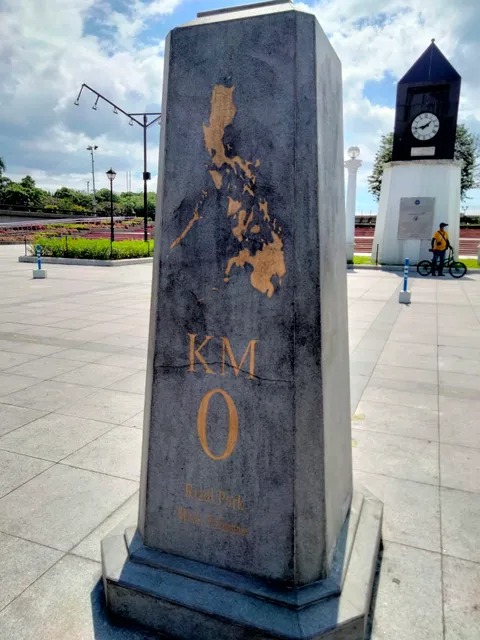
Kilometre Zero
HXJG+GFF, Roxas Blvd, Ermita, Manila, 1000 Metro Manila, Philippines
4.7(923)
Open until 8:30 PM
Save
spot
spot
Ratings & Description
Info
Cultural
Accessibility
attractions: José Rizal Monument, Rizal Park, Rizal Park, Manila Ocean Park, Quirino Grandstand, Museo Pambata, Chinese Garden, National Library of the Philippines, Ocean Park Aqua Adventure, Rizal Park Musical Dancing Fountain, restaurants: Cafe Ilang-Ilang, Harbor View Restaurant, Starbucks Bayview Park Hotel, McDonald's Un Del Pilar, The Champagne Room in the Manila Hotel, Manila Hotel Lobby Lounge, Burger King - UN Ave Roxas Blvd., Chowking, Emerald, Red Jade - 红玉, local businesses: José Rizal Monument, Rizal Park - South, Embassy of the United States of America, Grand Riviera Suites, Nayong Pilipino, Robinsons Manila Atrium, Central United Methodist Church, San Agustin Convent Museum, Museum Foundation of the Philippines, Inc., Tsurumaru Udon x Tempura
 Learn more insights from Wanderboat AI.
Open hoursSee all hours
Sat7 AM - 8:30 PMOpen
Plan your stay

Pet-friendly Hotels in Manila
Find a cozy hotel nearby and make it a full experience.

Affordable Hotels in Manila
Find a cozy hotel nearby and make it a full experience.

The Coolest Hotels You Haven't Heard Of (Yet)
Find a cozy hotel nearby and make it a full experience.

Trending Stays Worth the Hype in Manila
Find a cozy hotel nearby and make it a full experience.
Reviews
Live events
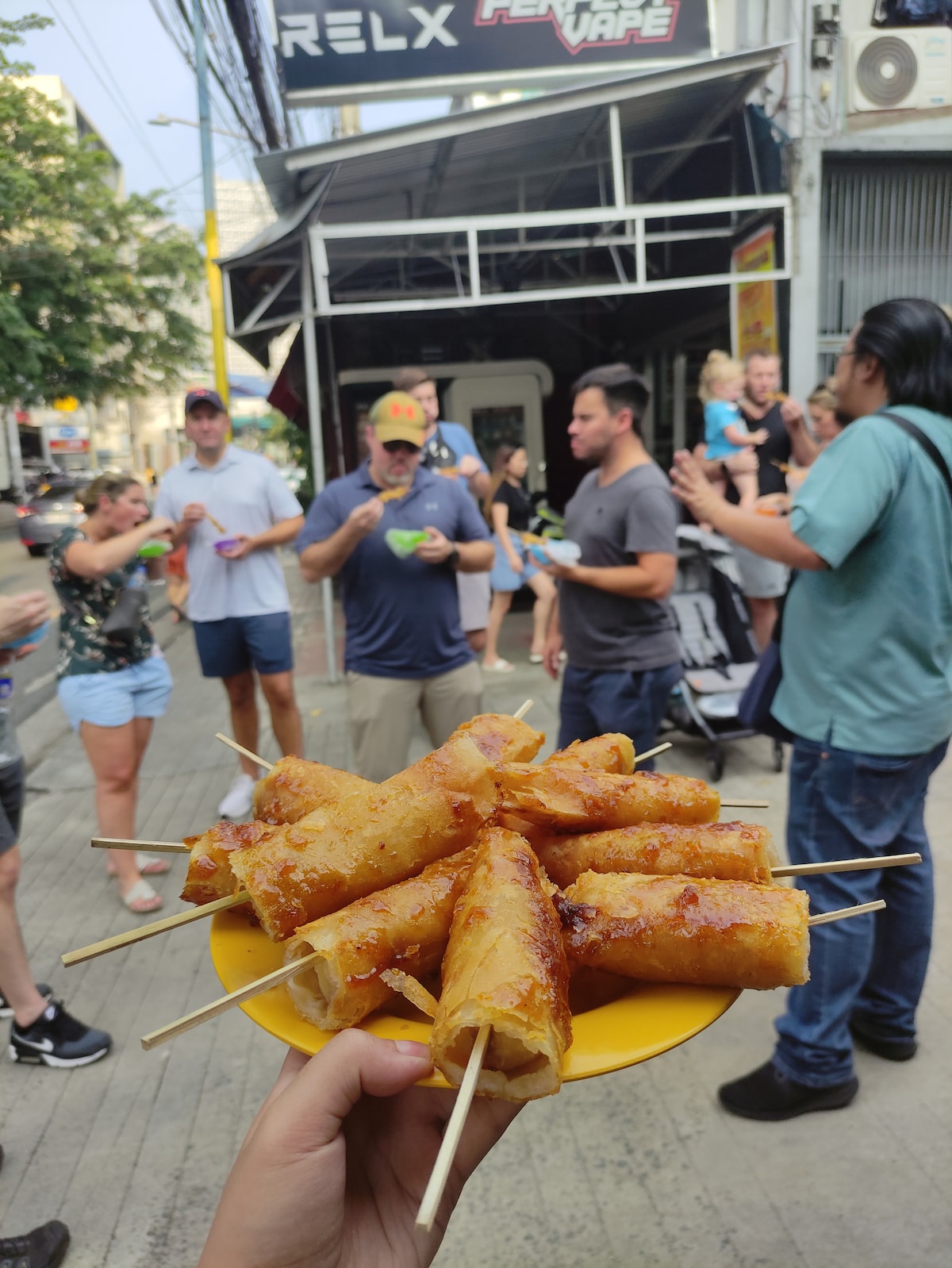
Taste Filipino Neighborhood Street Food
Sat, Feb 28 • 3:00 PM
Mandaluyong, 1550, Metro Manila, Philippines
View details
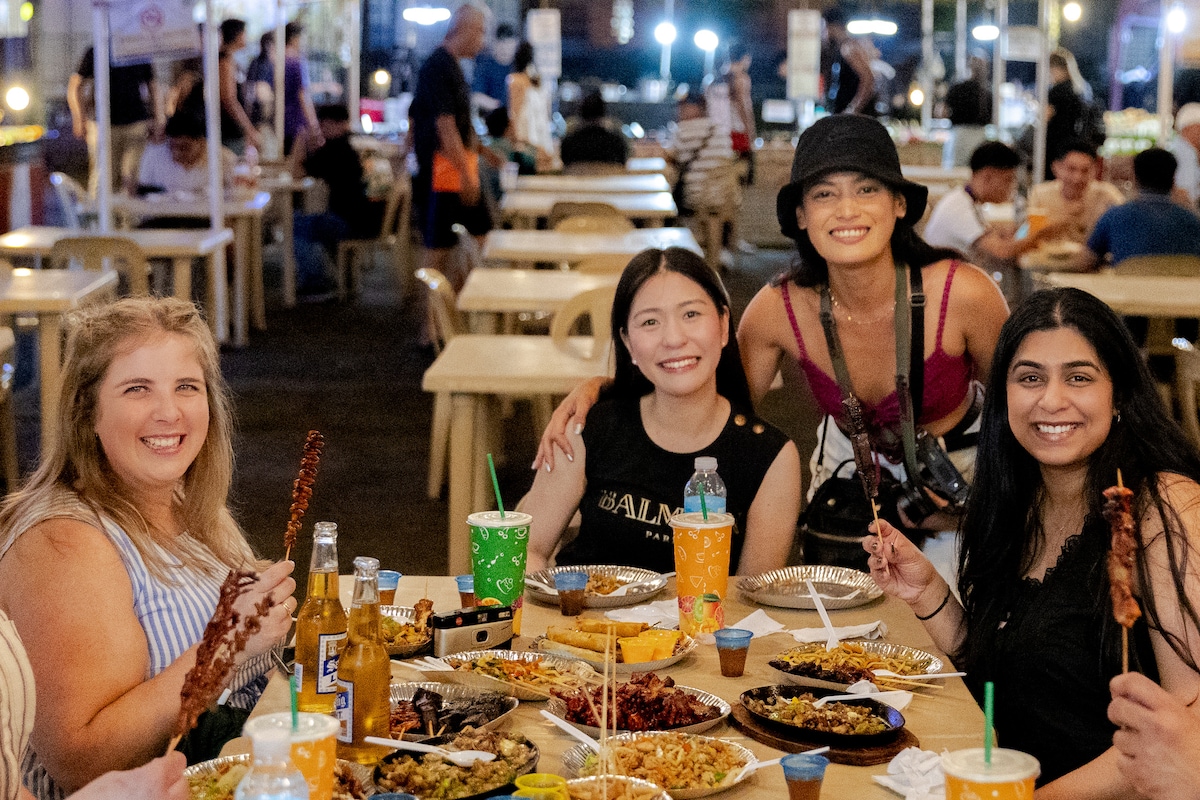
Makati Street Food Experience End in a Rooftop Bar
Sat, Feb 28 • 6:00 PM
Makati, 1210, Metro Manila, Philippines
View details
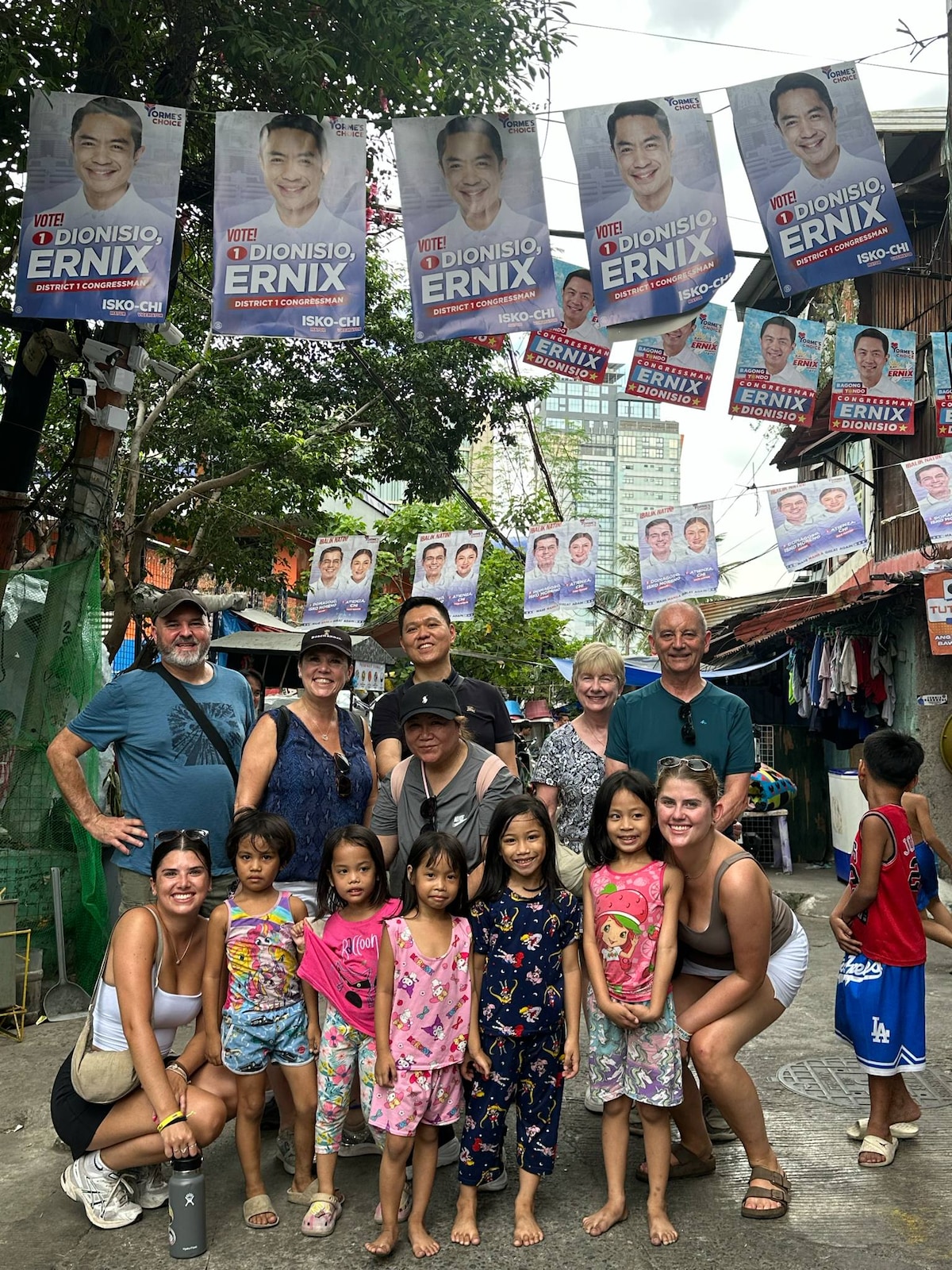
Hidden Gems of Manila
Sat, Feb 28 • 2:00 PM
Manila, 1012, Metro Manila, Philippines
View details
Nearby attractions of Kilometre Zero
José Rizal Monument
Rizal Park
Rizal Park
Manila Ocean Park
Quirino Grandstand
Museo Pambata
Chinese Garden
National Library of the Philippines
Ocean Park Aqua Adventure
Rizal Park Musical Dancing Fountain
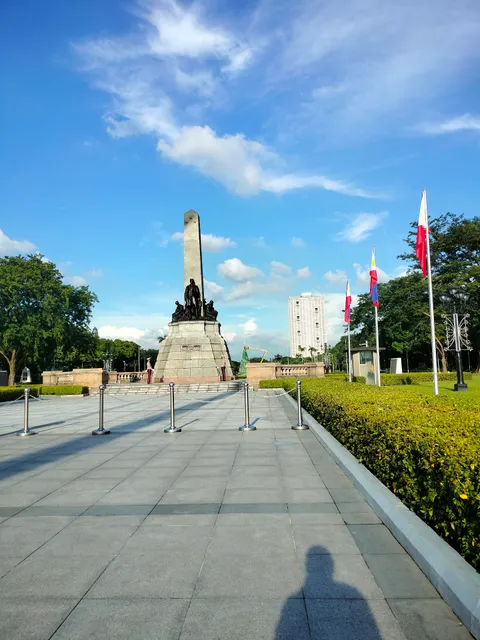
José Rizal Monument
4.6
(1.4K)
Open until 12:00 AM
Click for details
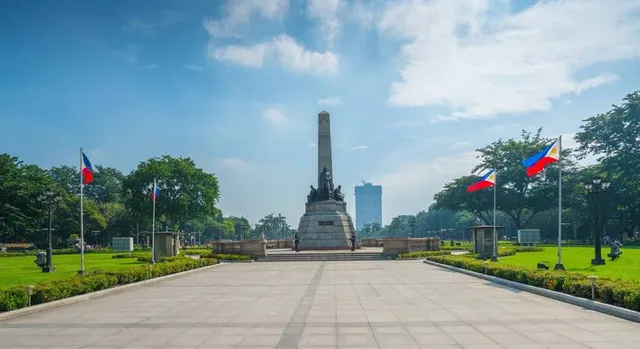
Rizal Park
4.5
(10.9K)
Open until 10:00 PM
Click for details
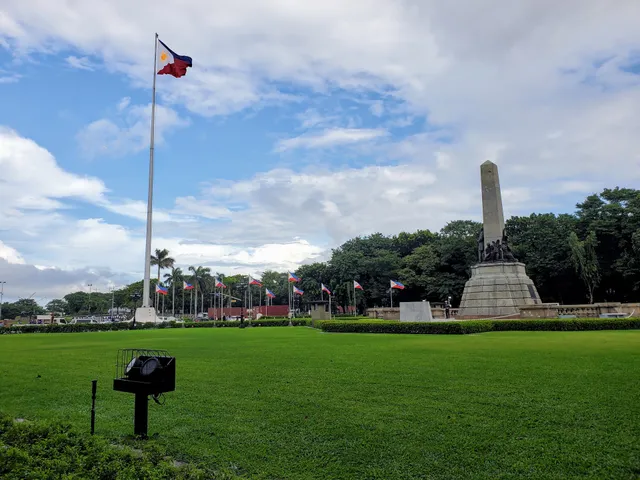
Rizal Park
4.5
(11.1K)
Open until 10:00 PM
Click for details
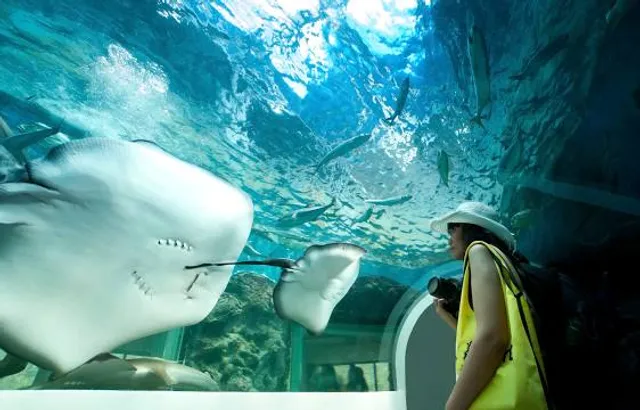
Manila Ocean Park
4.2
(6.7K)
Open until 6:00 PM
Click for details
Nearby restaurants of Kilometre Zero
Cafe Ilang-Ilang
Harbor View Restaurant
Starbucks Bayview Park Hotel
McDonald's Un Del Pilar
The Champagne Room in the Manila Hotel
Manila Hotel Lobby Lounge
Burger King - UN Ave Roxas Blvd.
Chowking
Emerald
Red Jade - 红玉
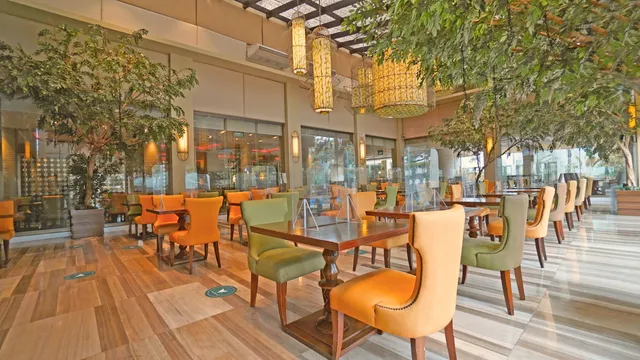
Cafe Ilang-Ilang
4.6
(678)
Closed
Click for details
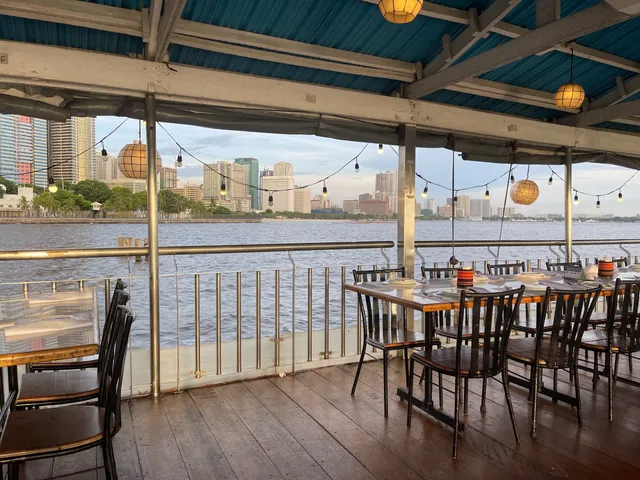
Harbor View Restaurant
4.4
(1.3K)
$$
Open until 10:00 PM
Click for details
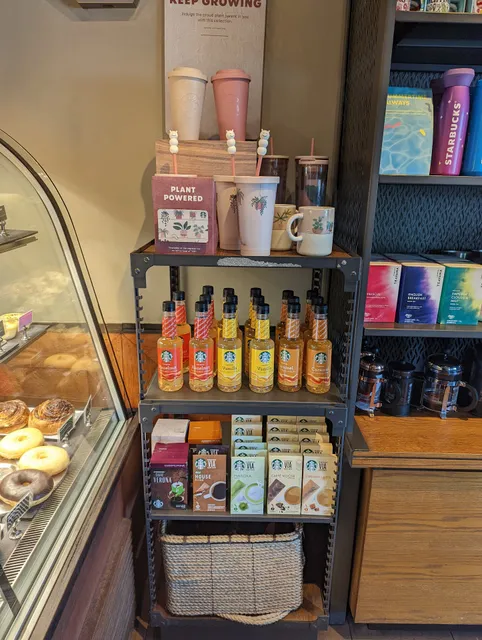
Starbucks Bayview Park Hotel
4.4
(314)
Open until 10:00 PM
Click for details
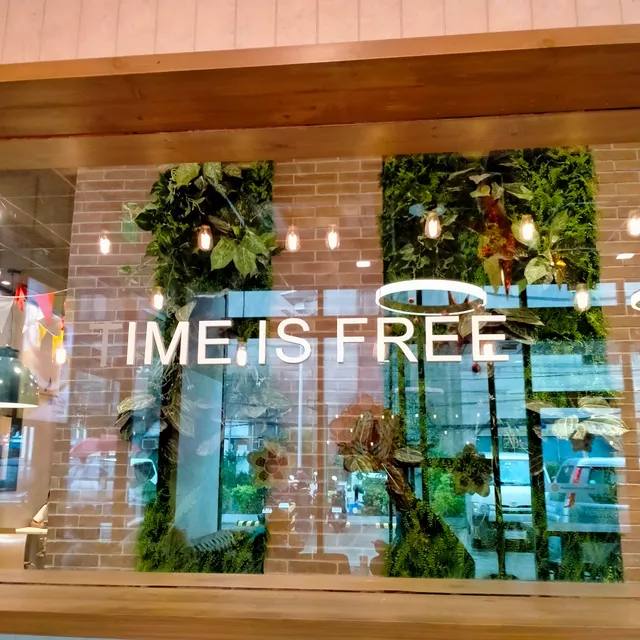
McDonald's Un Del Pilar
4.1
(395)
Open until 12:00 AM
Click for details
Nearby local services of Kilometre Zero
José Rizal Monument
Rizal Park - South
Embassy of the United States of America
Grand Riviera Suites
Nayong Pilipino
Robinsons Manila Atrium
Central United Methodist Church
San Agustin Convent Museum
Museum Foundation of the Philippines, Inc.
Tsurumaru Udon x Tempura
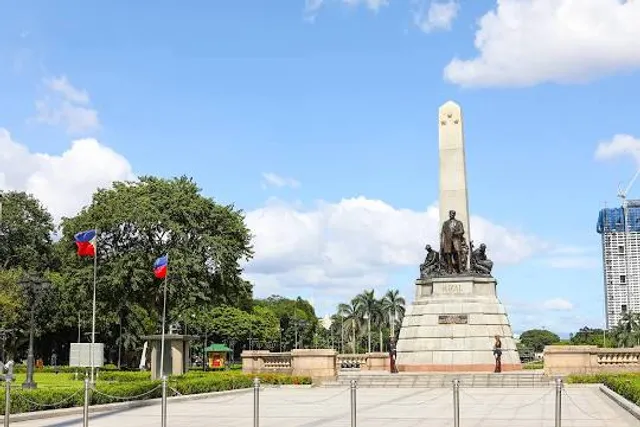
José Rizal Monument
4.6
(1.1K)
Click for details

Rizal Park - South
4.4
(22)
Click for details

Embassy of the United States of America
3.9
(173)
Click for details
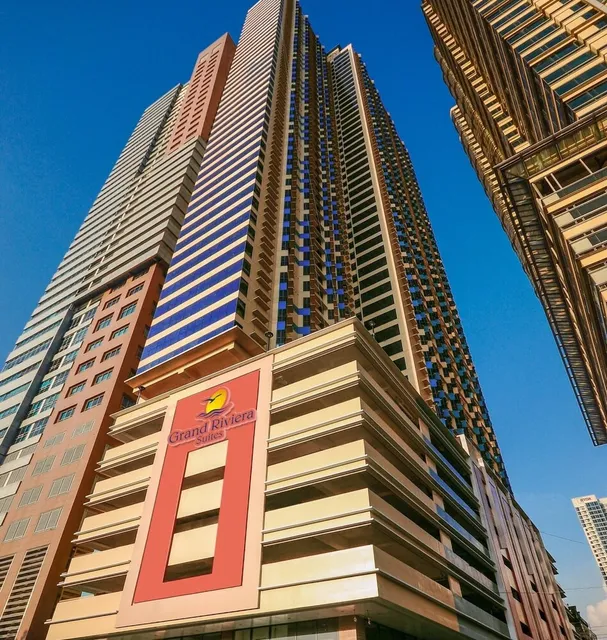
Grand Riviera Suites
3.7
(121)
Click for details