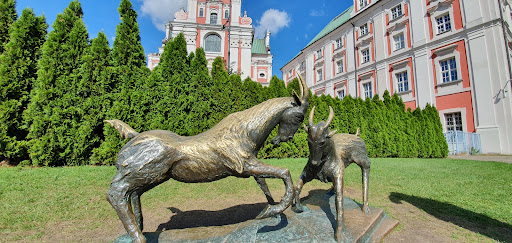
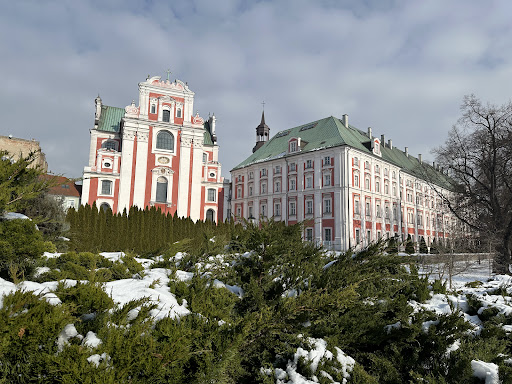
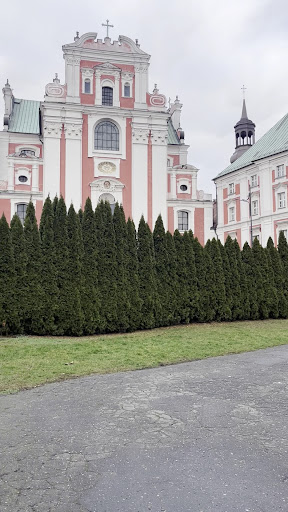
Frédéric Chopin Park things to do, attractions, restaurants, events info and trip planning
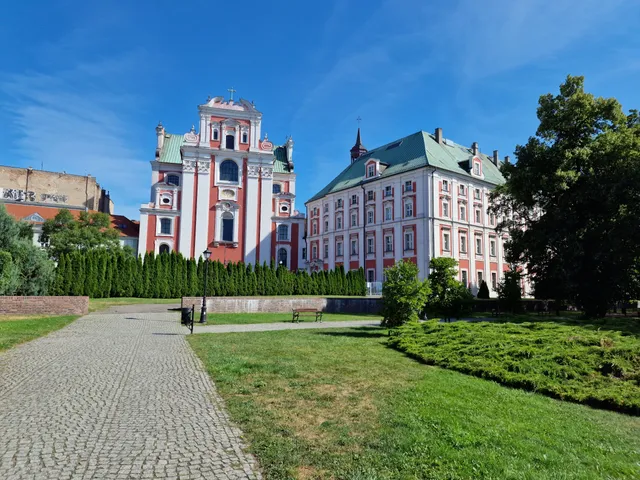
Basic Info
Frédéric Chopin Park
61-001 Poznań, Poland
4.7(1.2K)
Open until 12:00 AM
Save
spot
spot
Ratings & Description
Info
Outdoor
Relaxation
Family friendly
attractions: Basilica of Our Lady of Perpetual Help, Mary Magdalene and St. Stanislaus, Zbigniew Zakrzewski Gardens, Old Market Square, Poznań Goats Sculpture, Chocolate Museum, Archaeological Museum, Frederic Chopin Monument, Stary Marych Monument, Croissant Museum, Poznań Goats, restaurants: Pyra Bar Poznań, TASAKY, Kultowa, Bar a Boo, Mozaika, Weranda Caffe, Hokus pokus by #, Republika Róż by Andrzej Gołąbek, CANDY, Imaginarium Ristorante 🇮🇹 dal 2015, local businesses: Strzelecka 12, Kuźnia Rock Pub, NaPiwek PUB, Lody Tradycyjne, Pijalnia Wódki i Piwa, M Döner, Minimal Office | Usługi dla Biznesu | Marketing Sprzedaż Finanse | Agencja Marketingowa, Świstak Kebap Poznań, Black Ball Pool Club, Galeria MM
 Learn more insights from Wanderboat AI.
Website
poznan.pl
Open hoursSee all hours
ThuOpen 24 hoursOpen
Plan your stay

Pet-friendly Hotels in Poznan
Find a cozy hotel nearby and make it a full experience.

Affordable Hotels in Poznan
Find a cozy hotel nearby and make it a full experience.

The Coolest Hotels You Haven't Heard Of (Yet)
Find a cozy hotel nearby and make it a full experience.

Trending Stays Worth the Hype in Poznan
Find a cozy hotel nearby and make it a full experience.
Reviews
Live events

Candlelight: Walentynkowy Wieczór
Sat, Feb 14 • 4:00 PM
Ignacego Paderewskiego 8, Poznań, 61-770
View details
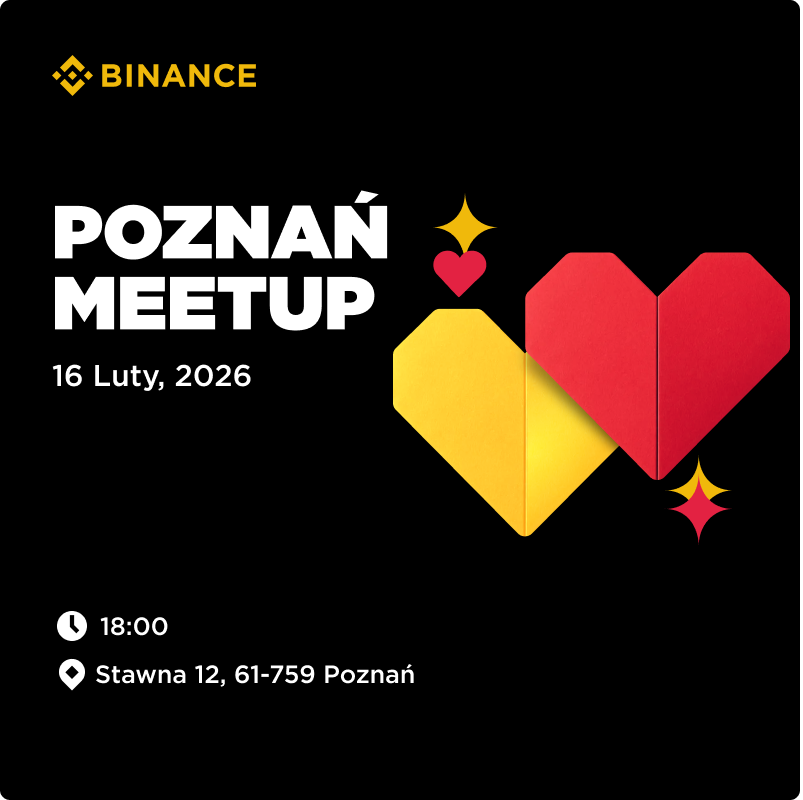
Poznań Meetup: Walentynki z Binance
Mon, Feb 16 • 5:00 PM
PURO Hotel Poznań Stare Miasto, Stawna 12, 61-759 Poznań, Poland
View details
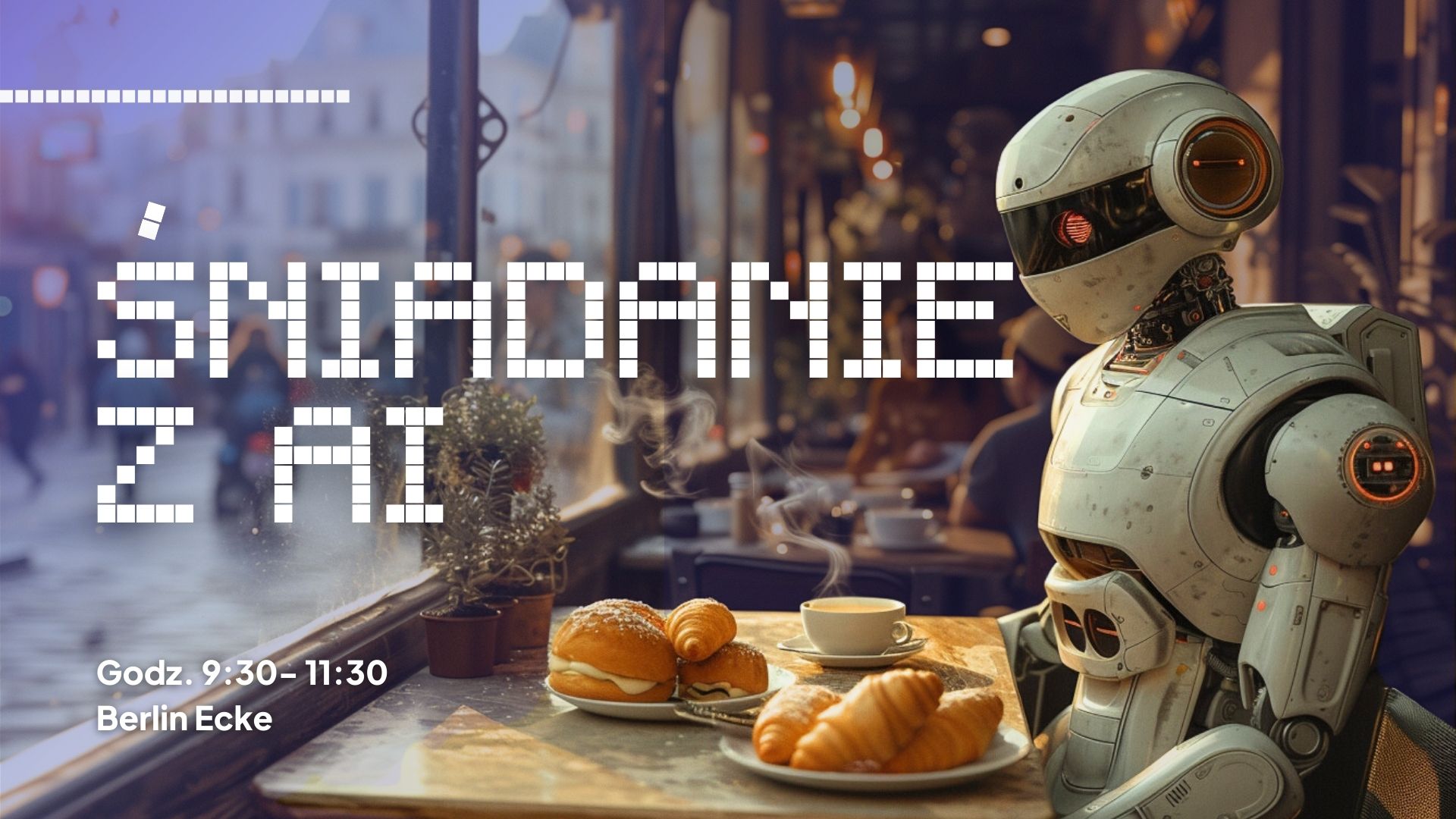
Śniadanie z AI #21 Poznań
Thu, Feb 19 • 8:30 AM
Posto, Kościelna 43/10, 60-537 Poznań, Poland
View details
Nearby attractions of Frédéric Chopin Park
Basilica of Our Lady of Perpetual Help, Mary Magdalene and St. Stanislaus
Zbigniew Zakrzewski Gardens
Old Market Square
Poznań Goats Sculpture
Chocolate Museum
Archaeological Museum
Frederic Chopin Monument
Stary Marych Monument
Croissant Museum
Poznań Goats
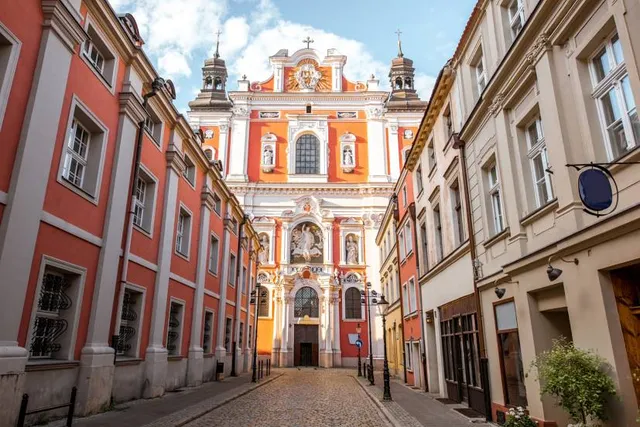
Basilica of Our Lady of Perpetual Help, Mary Magdalene and St. Stanislaus
4.9
(1.6K)
Closed
Click for details
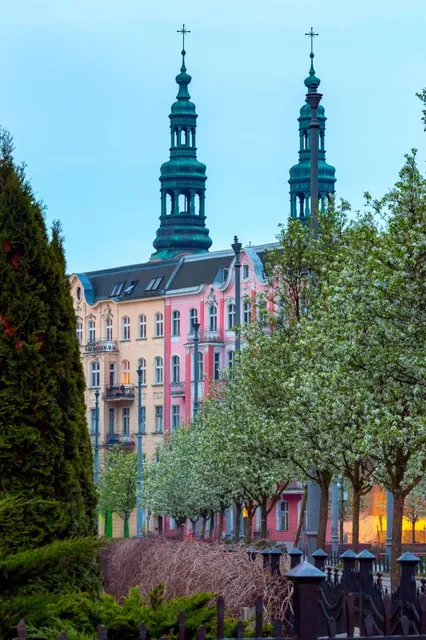
Zbigniew Zakrzewski Gardens
4.6
(458)
Open 24 hours
Click for details
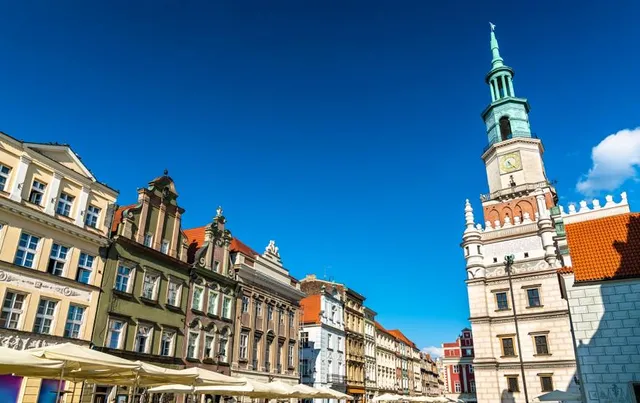
Old Market Square
4.6
(10.1K)
Open until 12:00 AM
Click for details
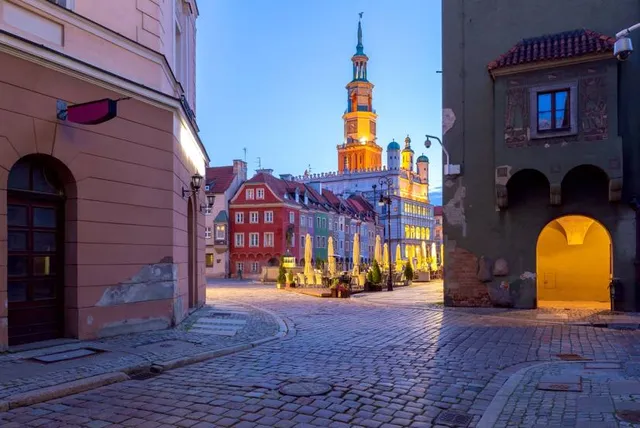
Poznań Goats Sculpture
4.7
(416)
Open until 12:00 AM
Click for details
Nearby restaurants of Frédéric Chopin Park
Pyra Bar Poznań
TASAKY
Kultowa
Bar a Boo
Mozaika
Weranda Caffe
Hokus pokus by #
Republika Róż by Andrzej Gołąbek
CANDY
Imaginarium Ristorante 🇮🇹 dal 2015
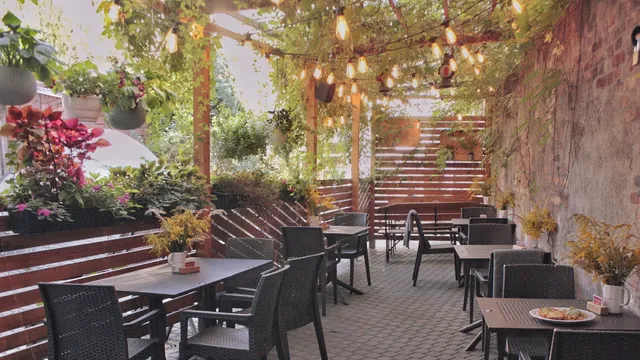
Pyra Bar Poznań
4.5
(3.3K)
Open until 9:00 PM
Click for details
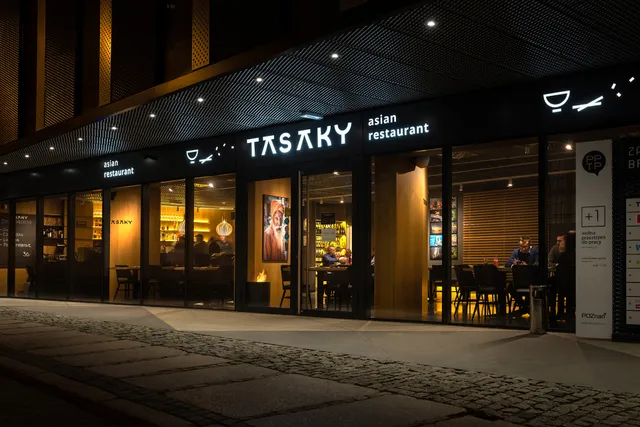
TASAKY
4.6
(963)
$$$
Open until 10:00 PM
Click for details
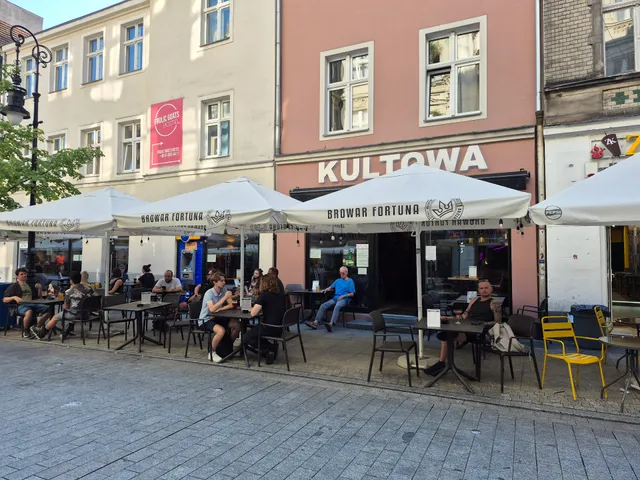
Kultowa
4.6
(1.7K)
Open until 1:00 AM
Click for details
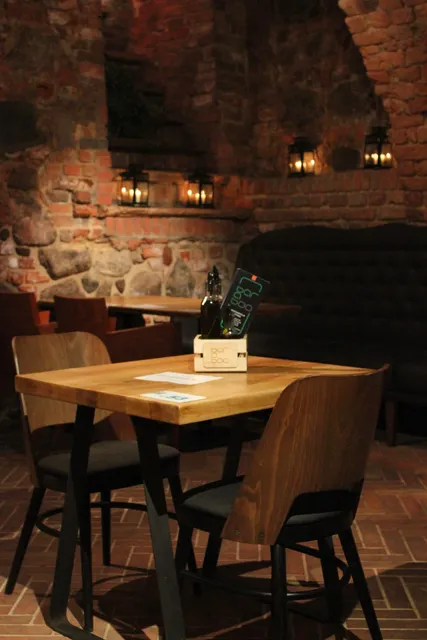
Bar a Boo
4.5
(2.1K)
Open until 12:00 AM
Click for details
Nearby local services of Frédéric Chopin Park
Strzelecka 12
Kuźnia Rock Pub
NaPiwek PUB
Lody Tradycyjne
Pijalnia Wódki i Piwa
M Döner
Minimal Office | Usługi dla Biznesu | Marketing Sprzedaż Finanse | Agencja Marketingowa
Świstak Kebap Poznań
Black Ball Pool Club
Galeria MM

Strzelecka 12
4.6
(423)
Click for details
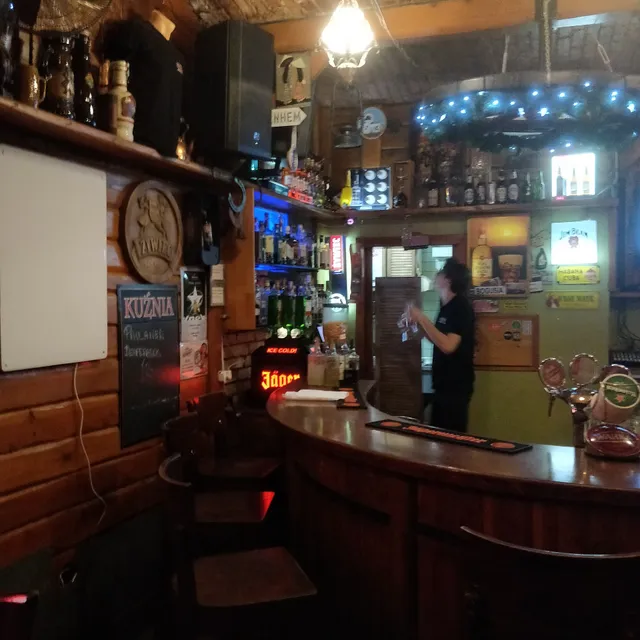
Kuźnia Rock Pub
4.2
(431)
Click for details
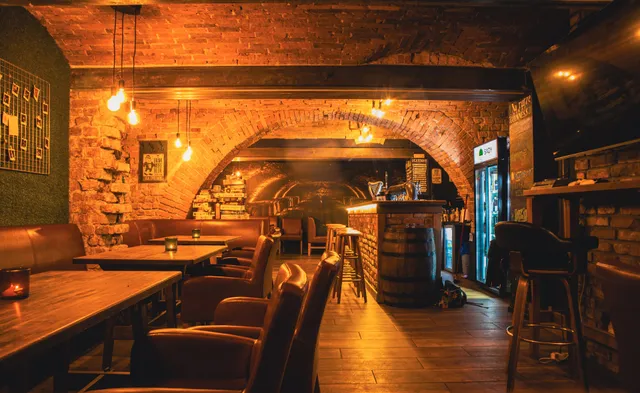
NaPiwek PUB
4.8
(754)
Click for details
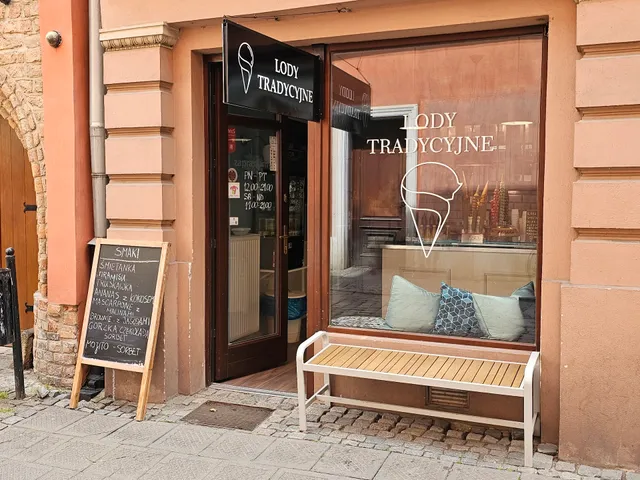
Lody Tradycyjne
4.0
(145)
Click for details