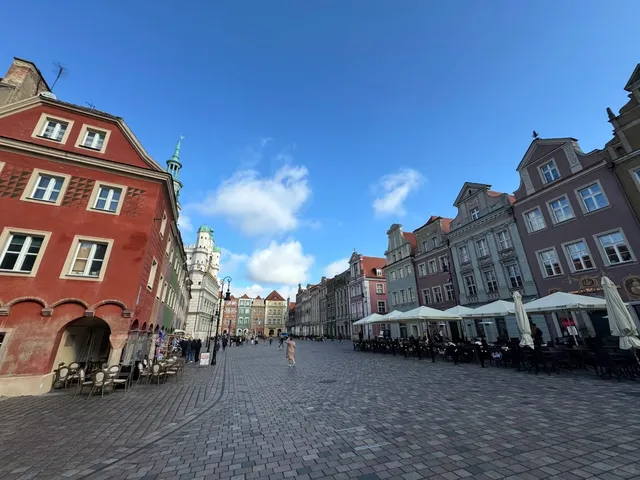
Old Market Square things to do, attractions, restaurants, events info and trip planning
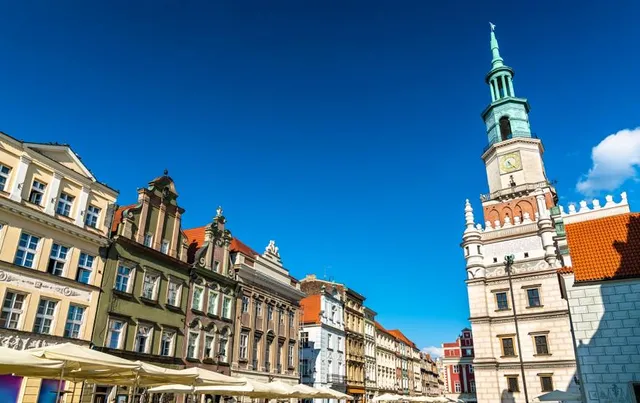
Basic Info
Old Market Square
Stary Rynek, 60-101 Poznań, Poland
4.6(9.7K)
Open until 12:00 AM
Save
spot
spot
Ratings & Description
Info
The Old Market Square is an open, pedestrianised city square in Nottingham, England, forming the heart of the city, and covering an area of approximately 12,000 square metres, or about 3 acres. It is one of the largest paved squares in the United Kingdom.
Cultural
Outdoor
Family friendly
attractions: Museum of the History of Poznań, Poznań Goats, Croissant Museum, Museum of the Wielkopolska Uprising of 1918-1919, Bamberka Monument, Military Museum of Wielkopolska, Archaeological Museum, Royal Castle, Municipal Gallery Arsenal, Poznańskie Muzeum Pyry, restaurants: Whiskey in the Jar, Just Friends Poznań - Restauracja | Cocktail bar, Restauracja Rynek 95, Restauracja Bamberka, Restauracja Vis A Vis Koziołków, Drzewo Wiśni - Sushi and Asian Restaurant, Pyszna Chałupa, DRAM Cocktail Bar & Restuarant, Chocolate Cafe E.Wedel, Billy's American Restaurant, local businesses: Ministerstwo Śledzia i Wódki, Town Hall, Żydowska 29, Dom Piwa, National Museum, Black Ball Pool Club, Świstak Kebap Poznań, Mielżyńskich Palace, NaPiwek PUB, Dominikańska 7
 Learn more insights from Wanderboat AI.
Phone
+44 115 915 5555
Website
poznan.pl
Open hoursSee all hours
ThuOpen 24 hoursOpen
Plan your stay

Pet-friendly Hotels in Poznan
Find a cozy hotel nearby and make it a full experience.

Affordable Hotels in Poznan
Find a cozy hotel nearby and make it a full experience.

The Coolest Hotels You Haven't Heard Of (Yet)
Find a cozy hotel nearby and make it a full experience.

Trending Stays Worth the Hype in Poznan
Find a cozy hotel nearby and make it a full experience.
Reviews
Live events

Solana on Tour: Poznań
Thu, Feb 26 • 5:00 PM
Poznań, Województwo wielkopolskie
View details

Karta podarunkowa Candlelight - Poznań
Wed, May 15 • 12:00 AM
Drużbickiego 2, Poznań, 00000
View details
Nearby attractions of Old Market Square
Museum of the History of Poznań
Poznań Goats
Croissant Museum
Museum of the Wielkopolska Uprising of 1918-1919
Bamberka Monument
Military Museum of Wielkopolska
Archaeological Museum
Royal Castle
Municipal Gallery Arsenal
Poznańskie Muzeum Pyry
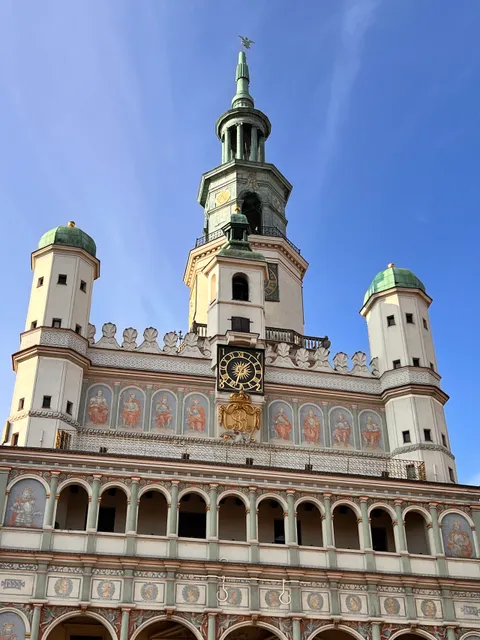
Museum of the History of Poznań
4.6
(3.7K)
Closed
Click for details
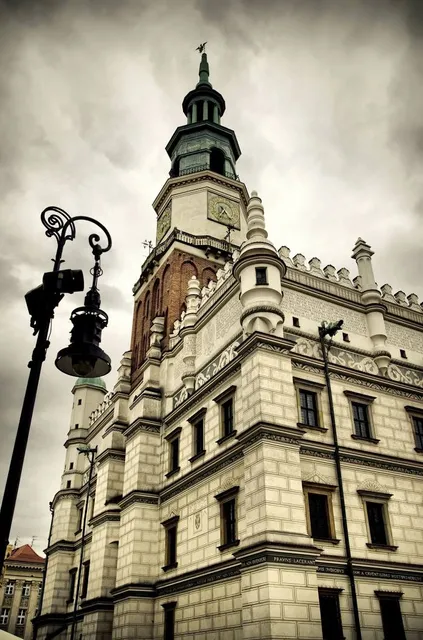
Poznań Goats
4.7
(1.5K)
Closed
Click for details
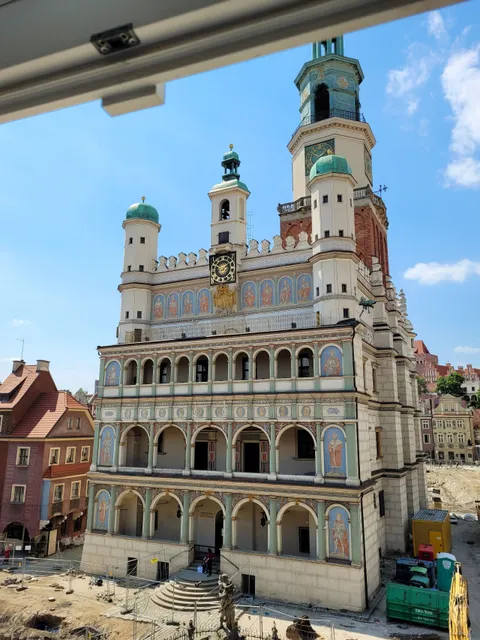
Croissant Museum
4.8
(2.5K)
Closed
Click for details
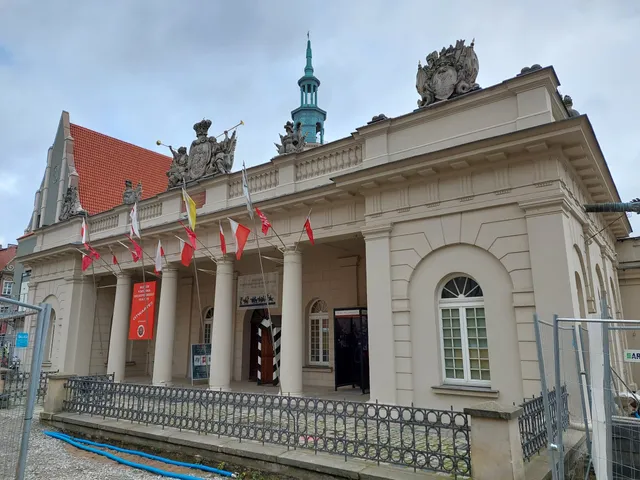
Museum of the Wielkopolska Uprising of 1918-1919
4.8
(402)
Closed
Click for details
Nearby restaurants of Old Market Square
Whiskey in the Jar
Just Friends Poznań - Restauracja | Cocktail bar
Restauracja Rynek 95
Restauracja Bamberka
Restauracja Vis A Vis Koziołków
Drzewo Wiśni - Sushi and Asian Restaurant
Pyszna Chałupa
DRAM Cocktail Bar & Restuarant
Chocolate Cafe E.Wedel
Billy's American Restaurant
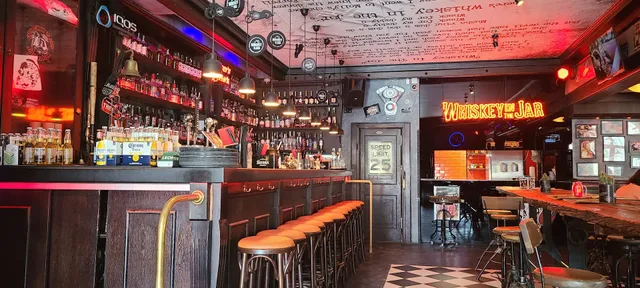
Whiskey in the Jar
4.6
(4.5K)
$$$
Closed
Click for details
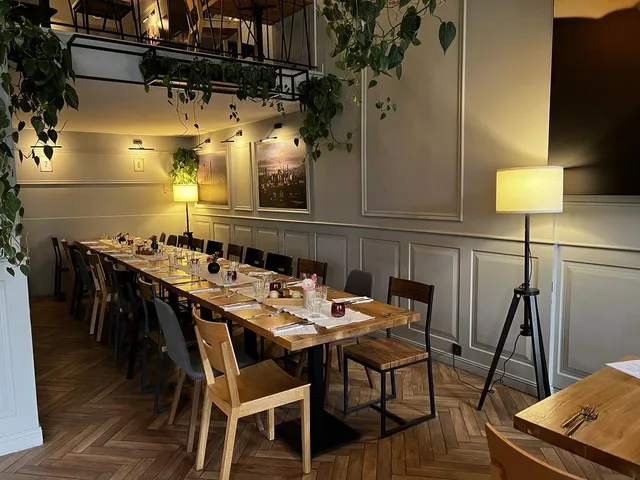
Just Friends Poznań - Restauracja | Cocktail bar
4.8
(2.8K)
$$
Closed
Click for details
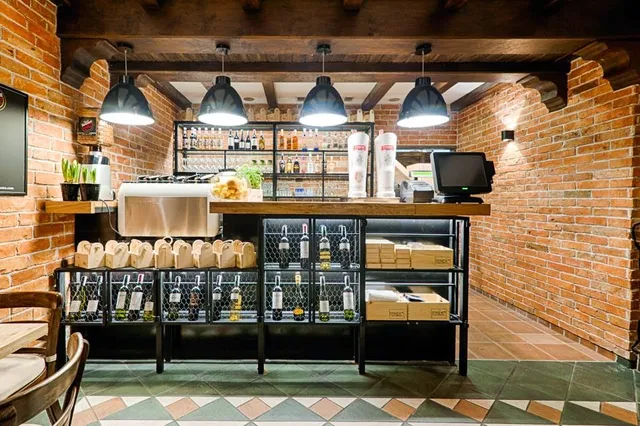
Restauracja Rynek 95
4.5
(2.6K)
Closed
Click for details
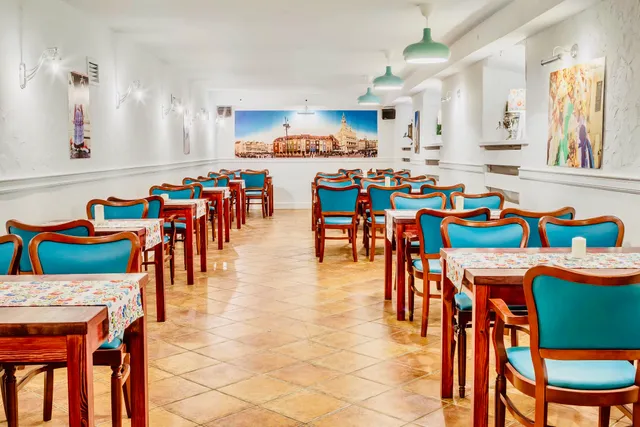
Restauracja Bamberka
4.4
(1.1K)
$$
Closed
Click for details
Nearby local services of Old Market Square
Ministerstwo Śledzia i Wódki
Town Hall
Żydowska 29
Dom Piwa
National Museum
Black Ball Pool Club
Świstak Kebap Poznań
Mielżyńskich Palace
NaPiwek PUB
Dominikańska 7
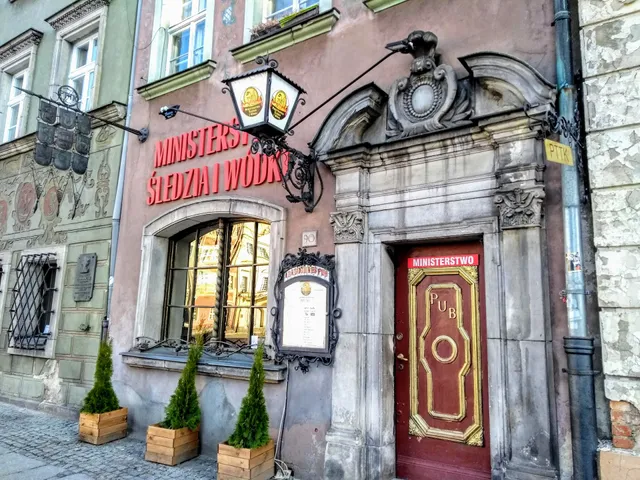
Ministerstwo Śledzia i Wódki
4.4
(778)
Click for details
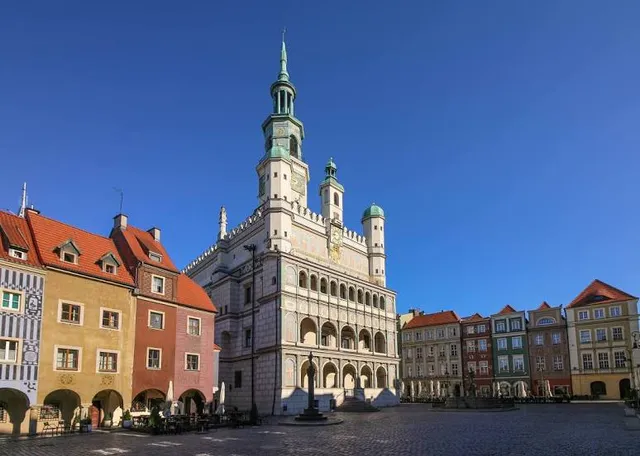
Town Hall
4.8
(296)
Click for details
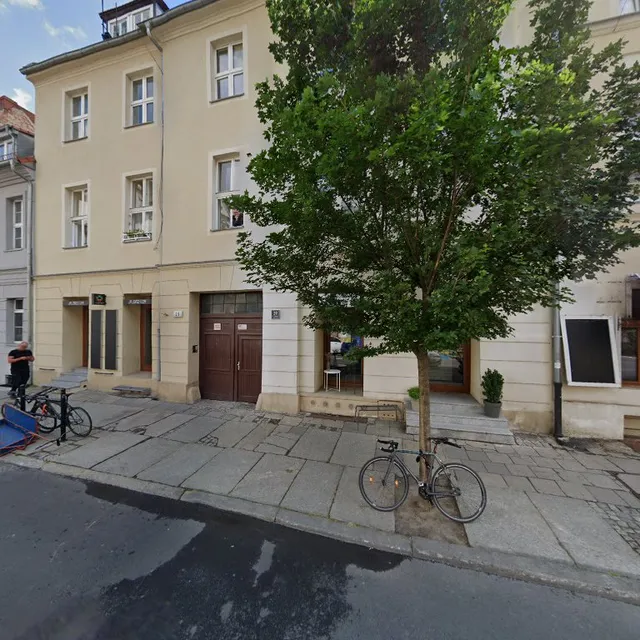
Żydowska 29
4.7
(822)
Click for details
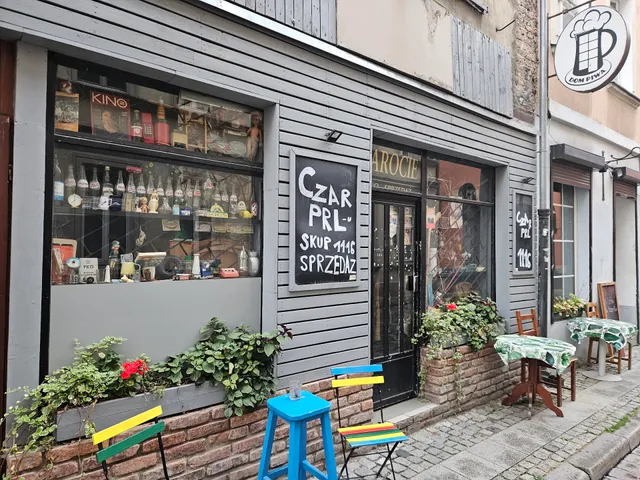
Dom Piwa
4.6
(447)
Click for details