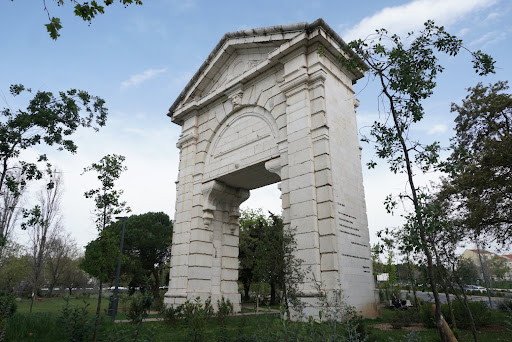
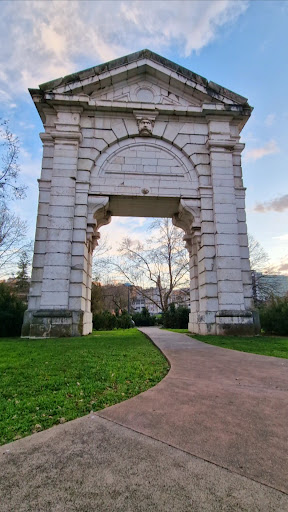
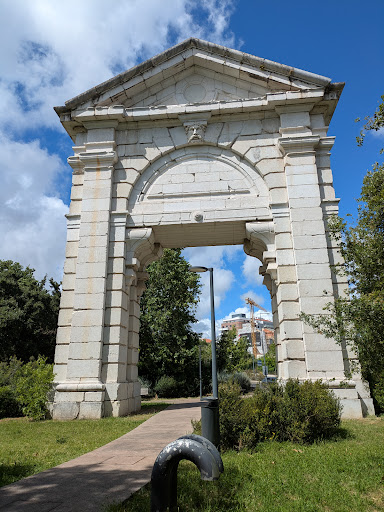
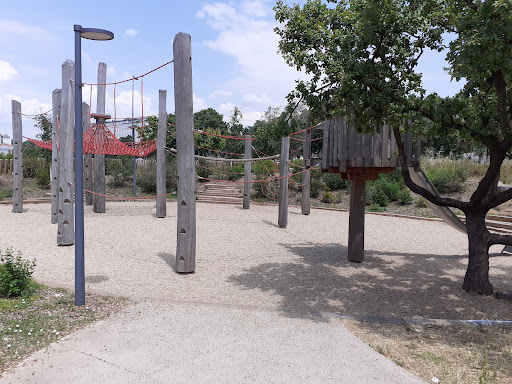
Parque Gonçalo Ribeiro Telles things to do, attractions, restaurants, events info and trip planning
Basic Info
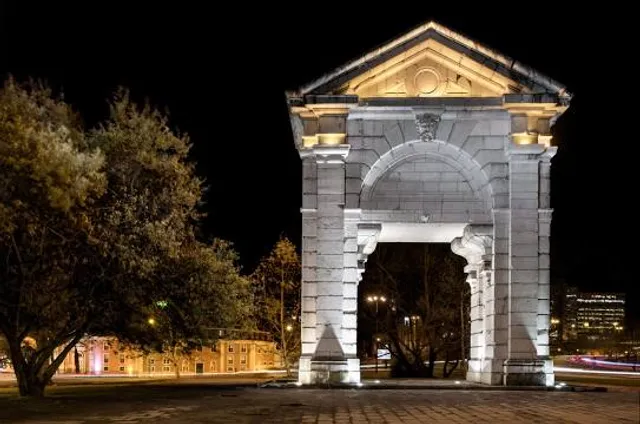
Parque Gonçalo Ribeiro Telles
Pç. de Espanha, 1050-108 Lisboa, Portugal
4.1(50)
Open until 12:00 AM
Save
spot
spot
Ratings & Description
Info
Outdoor
Relaxation
Scenic
Family friendly
Pet friendly
Accessibility
attractions: Calouste Gulbenkian Foundation, Garden of the Calouste Gulbenkian Foundation, Calouste Gulbenkian Museum, Lisbon Central Mosque, Grande Auditório da Fundação Calouste Gulbenkian, Centro de Arte Moderna Gulbenkian (CAM), Calouste Gulbenkian Foundation, Zona de Congressos / Grande Auditório da Fundação Calouste Gulbenkian, Parque do Corredor Verde, Jardim Amália Rodrigues, restaurants: Hamburgueria do Bairro (São Sebastião), Pano de Boca, Gonçalo's, GROUND BURGER São Sebastião, Restaurante Coreano K-BOB São Sebastião, O Paco, Chic do Rego, BASÁLTICO Restaurant & Garden Terrace, Oji Sushi São Sebastião, Restaurante da Mesquita Central de Lisboa, local businesses: El Corte Inglés Lisboa, Memorial Calouste Gulbenkian, Sephora, Aguiar Pharmacy, The Barber Company El Corte Inglés Lisboa, Liberty Store, Loja das Sopas, Planalto, Goyo-Ya, Monumento ao 25 de Abril
 Learn more insights from Wanderboat AI.
Website
informacoeseservicos.lisboa.pt
Open hoursSee all hours
SunOpen 24 hoursOpen
Plan your stay

Pet-friendly Hotels in Lisbon
Find a cozy hotel nearby and make it a full experience.

Affordable Hotels in Lisbon
Find a cozy hotel nearby and make it a full experience.

The Coolest Hotels You Haven't Heard Of (Yet)
Find a cozy hotel nearby and make it a full experience.

Trending Stays Worth the Hype in Lisbon
Find a cozy hotel nearby and make it a full experience.
Reviews
Live events
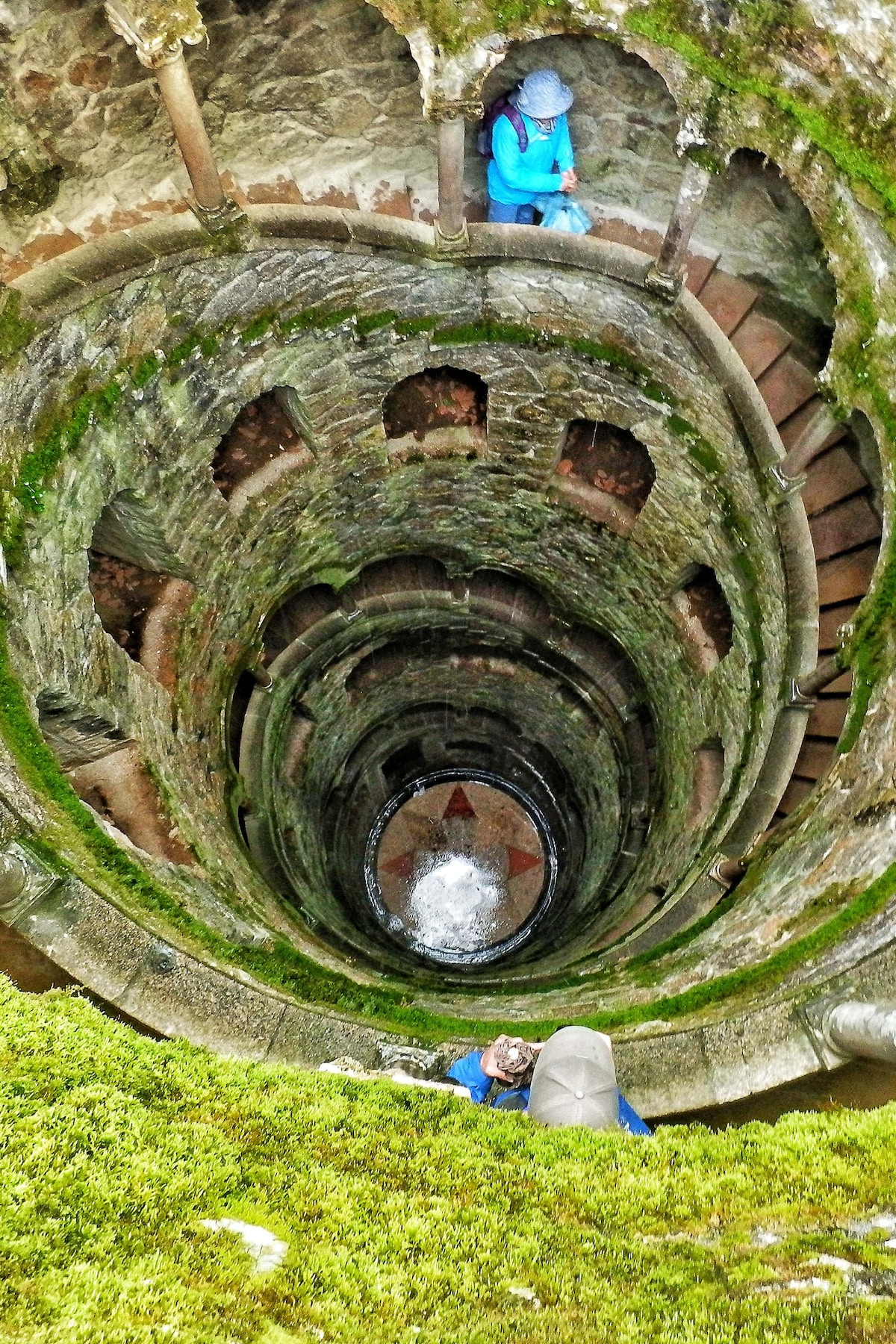
Sintra Tour from Lisbon - The True Experience
Sun, Feb 8 • 8:30 AM
1249-970, Lisbon, Portugal
View details

Jantar Romântico
Sat, Feb 14 • 7:45 PM
Rua das Palmeiras, Lote 5 - Quinta da Marinha, 2750-005
View details
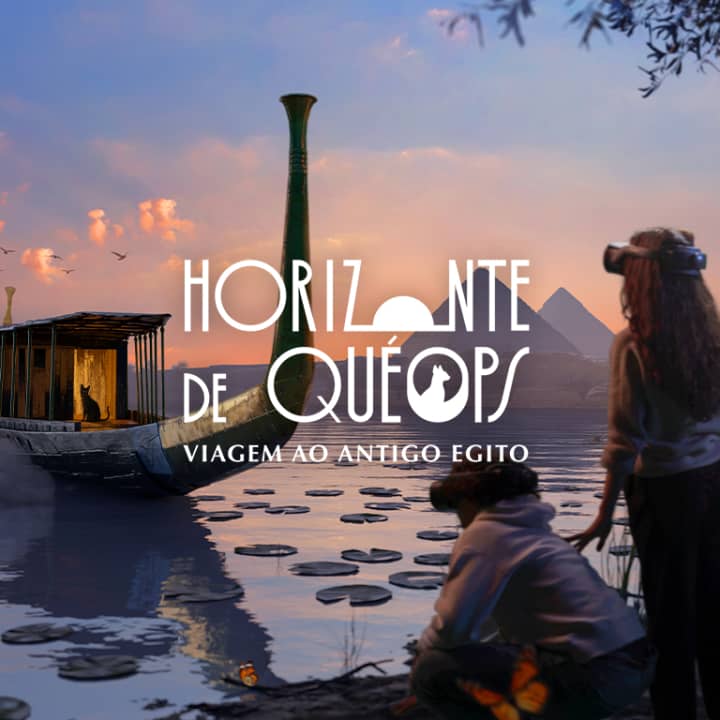
Horizonte de Quéops: Viagem ao Antigo Egito
Sun, Feb 8 • 10:00 AM
Terreiro do Paço, Lisboa, 1100-278
View details
Nearby attractions of Parque Gonçalo Ribeiro Telles
Calouste Gulbenkian Foundation
Garden of the Calouste Gulbenkian Foundation
Calouste Gulbenkian Museum
Lisbon Central Mosque
Grande Auditório da Fundação Calouste Gulbenkian
Centro de Arte Moderna Gulbenkian (CAM)
Calouste Gulbenkian Foundation
Zona de Congressos / Grande Auditório da Fundação Calouste Gulbenkian
Parque do Corredor Verde
Jardim Amália Rodrigues
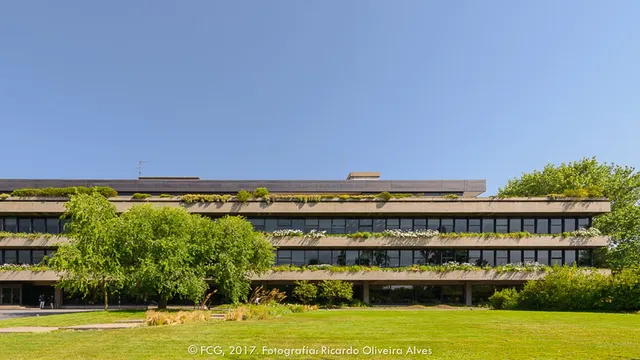
Calouste Gulbenkian Foundation
4.8
(9.2K)
Closed
Click for details
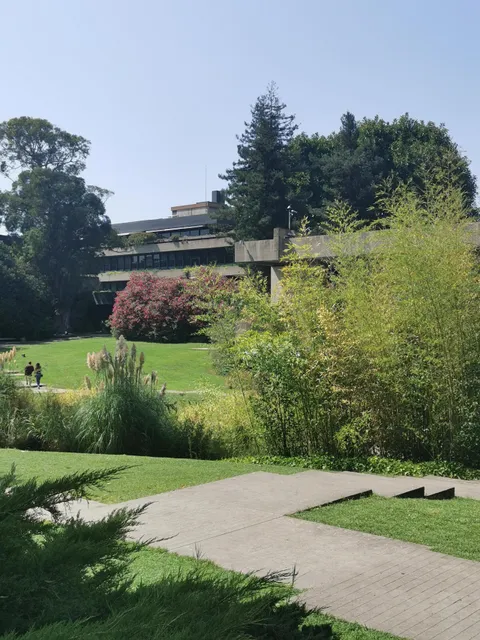
Garden of the Calouste Gulbenkian Foundation
4.7
(9.3K)
Open until 9:00 PM
Click for details
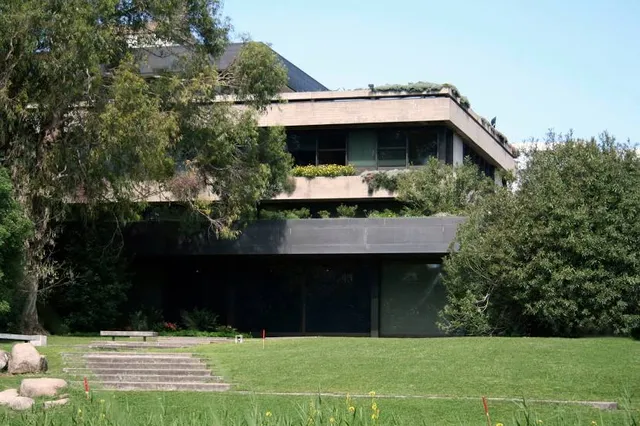
Calouste Gulbenkian Museum
4.7
(7K)
Open until 6:00 PM
Click for details
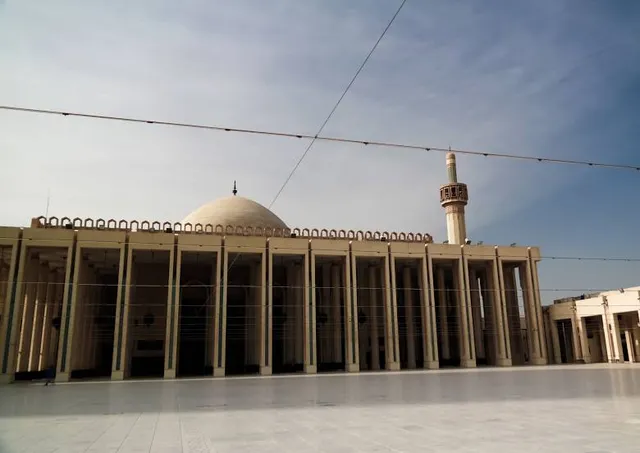
Lisbon Central Mosque
4.7
(1.2K)
Open until 12:00 AM
Click for details
Nearby restaurants of Parque Gonçalo Ribeiro Telles
Hamburgueria do Bairro (São Sebastião)
Pano de Boca
Gonçalo's
GROUND BURGER São Sebastião
Restaurante Coreano K-BOB São Sebastião
O Paco
Chic do Rego
BASÁLTICO Restaurant & Garden Terrace
Oji Sushi São Sebastião
Restaurante da Mesquita Central de Lisboa
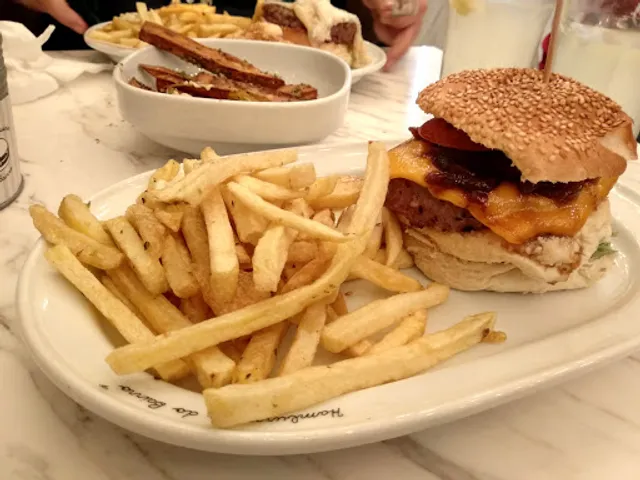
Hamburgueria do Bairro (São Sebastião)
4.1
(912)
Closed
Click for details
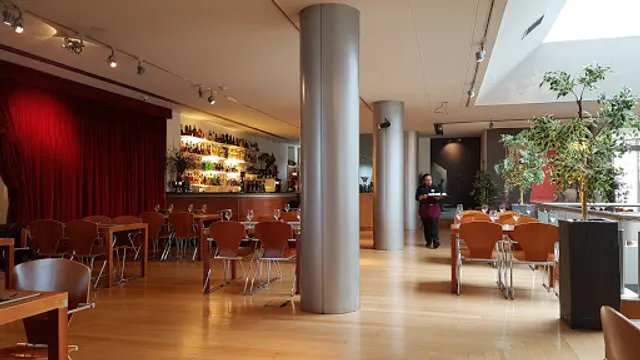
Pano de Boca
4.2
(447)
$$
Closed
Click for details
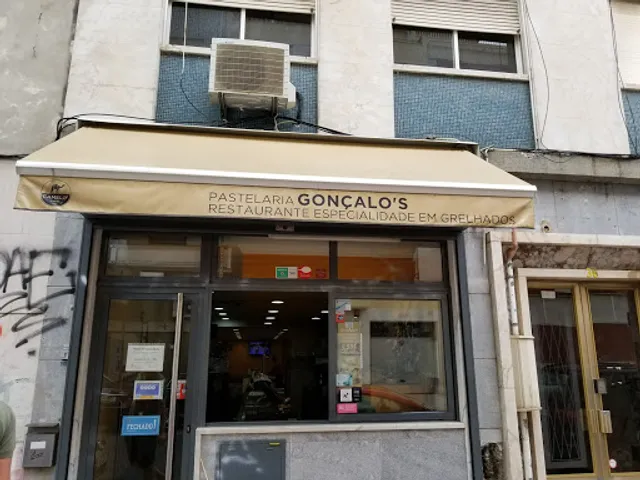
Gonçalo's
4.5
(689)
Open until 12:00 AM
Click for details
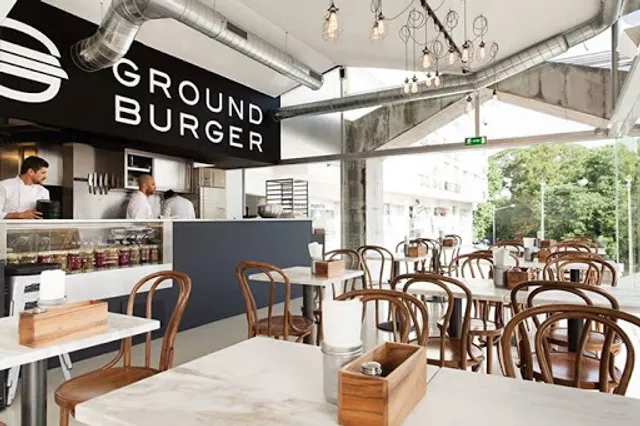
GROUND BURGER São Sebastião
4.4
(3K)
Closed
Click for details
Nearby local services of Parque Gonçalo Ribeiro Telles
El Corte Inglés Lisboa
Memorial Calouste Gulbenkian
Sephora
Aguiar Pharmacy
The Barber Company El Corte Inglés Lisboa
Liberty Store
Loja das Sopas
Planalto
Goyo-Ya
Monumento ao 25 de Abril
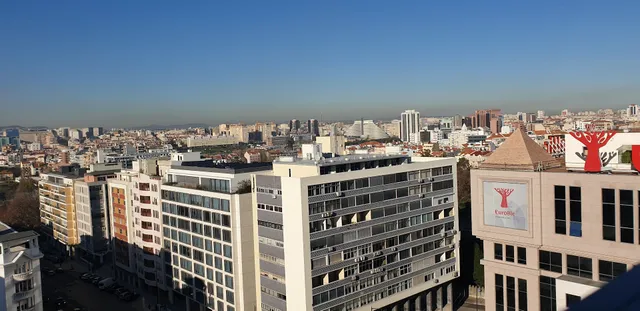
El Corte Inglés Lisboa
4.3
(16.8K)
Click for details

Memorial Calouste Gulbenkian
4.6
(11)
Click for details

Sephora
4.1
(172)
Click for details

Aguiar Pharmacy
4.2
(89)
Click for details