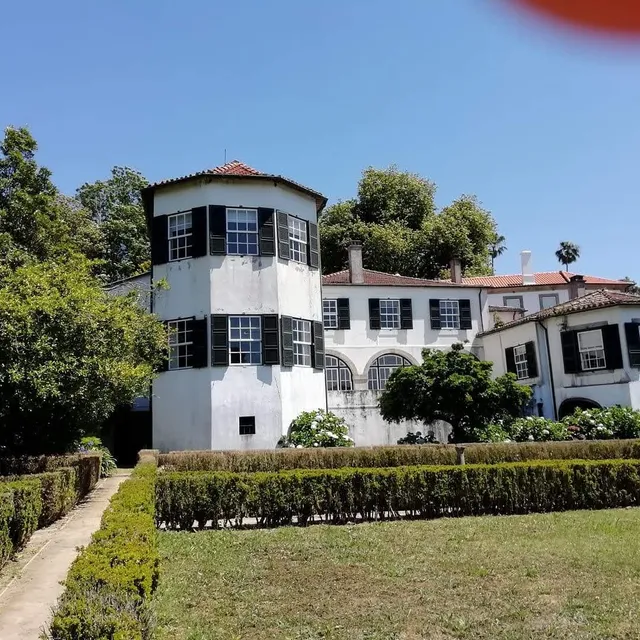
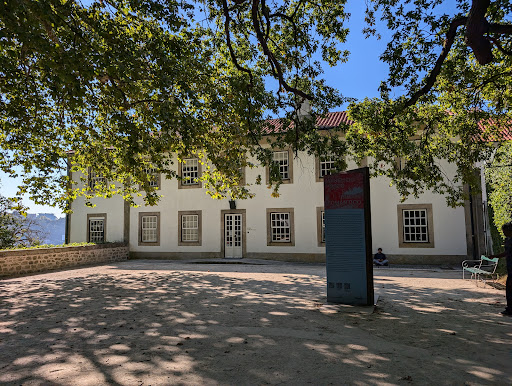
The Museu Romântico in Porto, located in the picturesque Quinta da Macieirinha, is a delightful escape into the elegance and charm of the 19th century. This museum, dedicated to the Romantic period, offers visitors a unique opportunity to experience the lifestyle, art, and culture of Porto during this enchanting era.
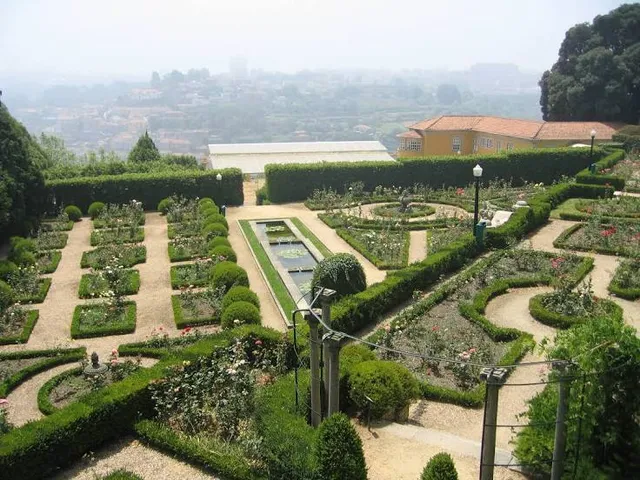
Nestled in the lush gardens of the Crystal Palace Gardens, the museum's location itself is a tranquil oasis that sets the perfect scene for a historical journey. As you approach the beautifully restored mansion, you’re immediately transported to a time when Porto was a hub of romanticism, where art, music, and literature flourished.
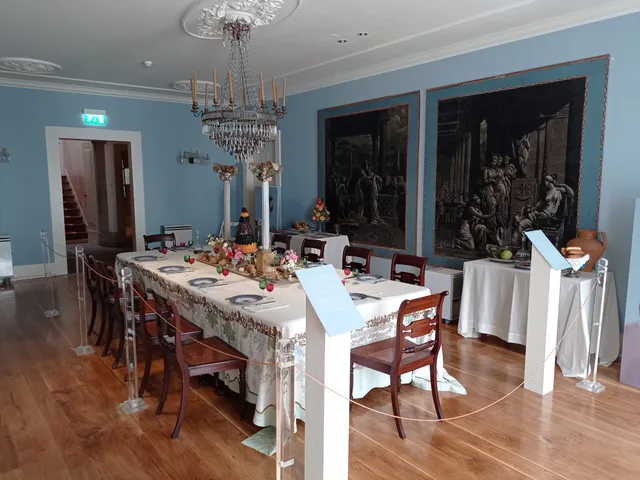
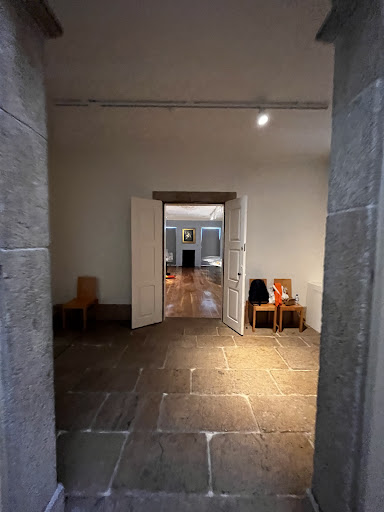
The museum’s interior is a meticulously recreated representation of a 19th-century aristocratic home. Each room is adorned with period-appropriate furniture, artworks, and decorative objects that provide a vivid glimpse into the domestic life of the Portuguese elite during the Romantic era. The attention to detail is impressive, from the intricately carved woodwork and elegant chandeliers to the delicate porcelain and rich fabrics that decorate the rooms.
One of the museum's highlights is the grand salon, a beautifully furnished room that often served as the social heart of the home. Here, visitors can almost hear the echoes of past gatherings, with conversations about poetry and music filling the air. The salon’s opulent decor, complete with gilded mirrors and plush seating, exemplifies the luxurious lifestyle of the time.
Another fascinating aspect of the Museu Romântico is its collection of personal items and artifacts that belonged to notable figures of the Romantic period. These items, ranging from clothing and jewelry to personal letters and manuscripts, offer an intimate look at the lives of the people who shaped this cultural movement. The portraits and photographs displayed throughout the museum further enrich this personal connection to history.
The museum also features temporary exhibitions that delve deeper into specific aspects of the Romantic era, such as fashion, literature, and music. These rotating exhibits keep the museum’s offerings fresh and provide new insights into the period with each visit.
One of the unique experiences at the Museu Romântico is the opportunity to enjoy live performances of 19th-century music. Periodic concerts featuring classical compositions by Romantic composers are held in the museum, adding an auditory dimension to the immersive experience. These performances are a wonderful way to connect with the cultural heritage of the era.
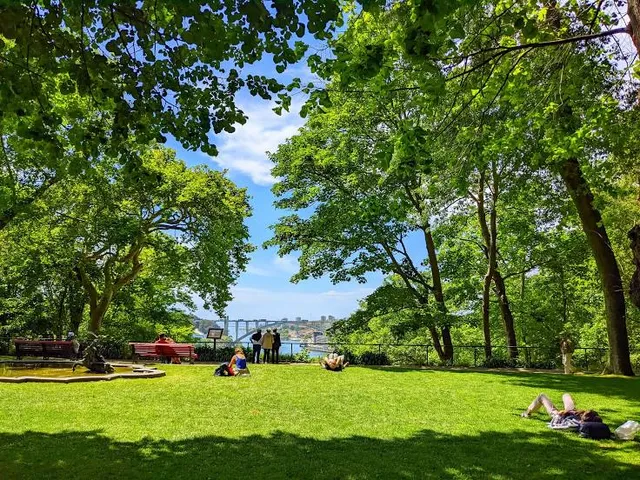
The gardens surrounding the museum are a serene complement to the indoor exhibits. Visitors are encouraged to take a leisurely stroll through the manicured lawns and flowerbeds, enjoying the tranquil environment and stunning views over the Douro River. The gardens provide a perfect spot for reflection and relaxation after exploring the museum.
The museum’s gift shop offers a selection of themed souvenirs, books, and replicas that allow visitors to take a piece of the Romantic era home with them. Additionally, the on-site café provides a charming setting for enjoying a coffee or light snack while taking in the beautiful surroundings.
In conclusion, the Museu Romântico is a captivating destination that offers a richly immersive experience into Porto’s 19th-century Romantic period. With its meticulously curated rooms, fascinating personal artifacts, and beautiful gardens, the museum provides a comprehensive and engaging look at this influential era. Whether you’re a history enthusiast, a lover of art and culture, or simply looking for a peaceful retreat, the Museu Romântico is a must-visit...
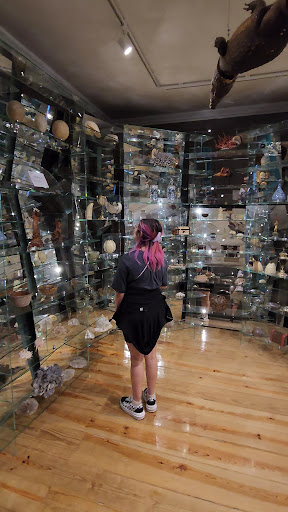
Read moreEN Often a pioneer in multiple fields of knowledge and entrepreneurship, the city of Porto opened Portugal's first municipal museum in 1850, the Municipal Museum of Porto, whose origin was the earlier Allen Museum, that had been inaugurated in 1837. João Allen was a collector from Porto, who had gathered and exhibited a profuse collection that highlighted the emerging interest in the 19th century in a wide array of different fields of knowledge. The present exhibition will be on display at the Quinta da Macieirinha for a long period of time, with occasional insertions of new works and rotation of the different exhibition units. Visitors will be able to discover, or rediscover, relevant works from the former Municipal Museum of Porto's original collection and from the City Museum's collection. Dedicated to the theme Metamorphoses: Vegetal, Mineral and Animal Immanence in the Romantic Domestic Space, we recover domesticity as an operative concept - the romantic home as a space in which the multiple dimensions of the cosmos are recreated - that calls upon the forces of nature. The world globed in a drop of dew. Inspired by the workspaces of some of the Romantic era's most notable thinkers and researchers, such as Johann Wolfgang Goethe or Alexander von Humboldt, and also collectors such as João Allen, we aim to present the house as a heuristic space, of phenomenological investigation and observation, in which phenomena are presented kaleidoscopically through a myriad of different fragments. In short, the house as a...
Read moreO Museu Romântico foi desde há muito tempo um dos locais que eu mais recomendava a amigos e colegas de fora da cidade, para ficarem a conhecer a riqueza histórica e patrimonial do Porto (outros incluem a Casa-Museu Guerra Junqueiro, o Museu Soares dos Reis, a Reitoria, etc) e sempre deixava um impacto.
Agora, além de ser um desapontamento para quem queria ver o museu original, a exposição em si, é pobre, com um tema confuso e deslocado do seu contexto original. Dizem que o tema é uma continuidade do romantismo, mas a arte exposta só está vagamente conectada com o herbário agora exposto e nada tem a ver com uma suposta ''visão moderna do romantismo''. Não há uma crítica, narrativa ou comentário sobre essa onda cultural, só uma completa substituição. Disseram-me que houve visitas guiadas para explicar, mas uma exposição destas devia conseguir falar por si. Claro que também não se quer que exista toda uma enciclopédia sobre todas as obras, mas nesta exposição pareceu-me que ficou a menos. E um guia devia complementar a exposição, não ser essencial para provocar uma discussão com quem visita. Ou para se poder perceber a razão de se estar a ver aquelas coisas na mesma sala, no mínimo. Há tantas maneiras de fazer isto e é triste que não tenham sido exploradas (até no museu original, se quisessem criticar o romantismo e a sociedade que viveu lado a lado com ele, e o Estado Novo que criou a narrativa original do museu, ou inovar e promover uma maior interação entre as pessoas e os objetos, era possível. Casas-museu em todo o mundo fazem isto a tempo inteiro).
Além disso, quando lá fui, os nomes dos quadros no folheto estavam fora de ordem. Assumo que à última hora decidiram trocá-los, mas não se lembraram que já tinham imprimido os folhetos. Espero que tenham arranjado isso entretanto.
Ao menos, apesar de tudo, é possível rir com a música comicamente assustadora. Quando visitei, ouvia-se por todo o museu (é a sua própria experiência, estar a olhar para o herbário do Júlio Dinis com aquela música de fundo, sem fazer a mínima ideia porque é que aquilo está a ouvir-se). Por isso quando se chegava à sala a que era destinada, a reação não era pavor ou suspense mas sim ''Ah, então é daqui que esta treta estava a vir!'' (palavras de quem estava comigo) perdendo todo o impacto que era suposto ter. A arte exposta (mesmo partilhando o problema do resto da exposição de não ter sentido em estar ali. O que tem a ver com o que se viu antes e depois?) é excelente o suficiente para trazer sensações de inquietação sem o auxílio da música demasiado dramática. Quero que fique claro que eu acho que todos os artistas expostos são bons, a exposição é que não é.
Assim acabo este testamento que escrevi, mascarado de avaliação. Sem embargo, espero que futuras exposições sejam melhores do que esta (não que...
Read more