Kretzulescu Church things to do, attractions, restaurants, events info and trip planning
Basic Info
Kretzulescu Church
Calea Victoriei 45-47, 010062 București, Romania
4.7(558)
Open until 6:00 PM
Save
spot
spot
Ratings & Description
Info
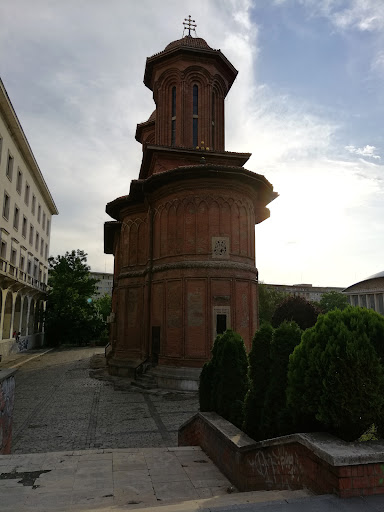
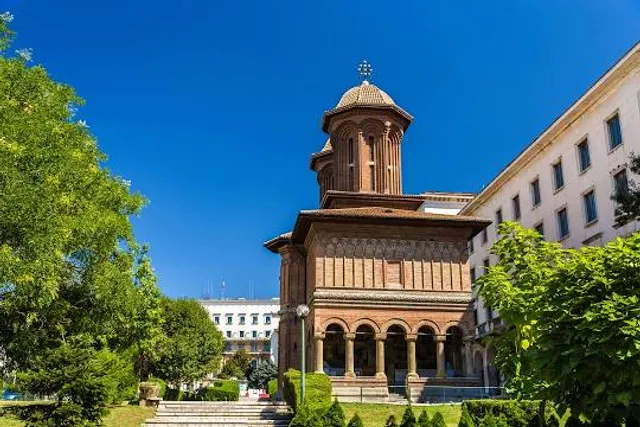
Kretzulescu Church is an Eastern Orthodox church in central Bucharest, Romania. Built in the Brâncovenesc style, it is located on Calea Victoriei, nr. 45A, at one of the corners of Revolution Square, next to the former Royal Palace.
Cultural
Accessibility
attractions: National Museum of Art, Memorial of Rebirth, The Romanian Athenaeum, The Royal Palace of Bucharest, Equestrian Statue of Carol I, The Gallery of European Art, The Umbrellas' Street, Central University Library Carol I, "Theodor Aman" Museum, Artmark, restaurants: Excalibur, AveForchetta, PIZZAMANIA AL TAGLIO, Trattoria Colosseum, Vatra, Yoshi Izakaya, MACE by Joseph Hadad, CAJU by Joseph Hadad, MOM Bucharest, Cișmigiu - Bistro La Etaj, local businesses: Control Club, Odeon Theatre, THAIco SPA Continental, "Saint Nicholas Built-in-a-Day" Church, Solo Spa, Fii Tu Beauty Center, Fundatia Universitara Carol I, Archeryshop.ro, Majestic Massage Bucharest, Fortuna Palace
 Learn more insights from Wanderboat AI.
Phone
+40 727 781 718
Website
parohiakretzulescu.ro
Open hoursSee all hours
Fri8 AM - 6 PMOpen
Plan your stay

Pet-friendly Hotels in Bucharest
Find a cozy hotel nearby and make it a full experience.

Affordable Hotels in Bucharest
Find a cozy hotel nearby and make it a full experience.

The Coolest Hotels You Haven't Heard Of (Yet)
Find a cozy hotel nearby and make it a full experience.

Trending Stays Worth the Hype in Bucharest
Find a cozy hotel nearby and make it a full experience.
Reviews
Live events
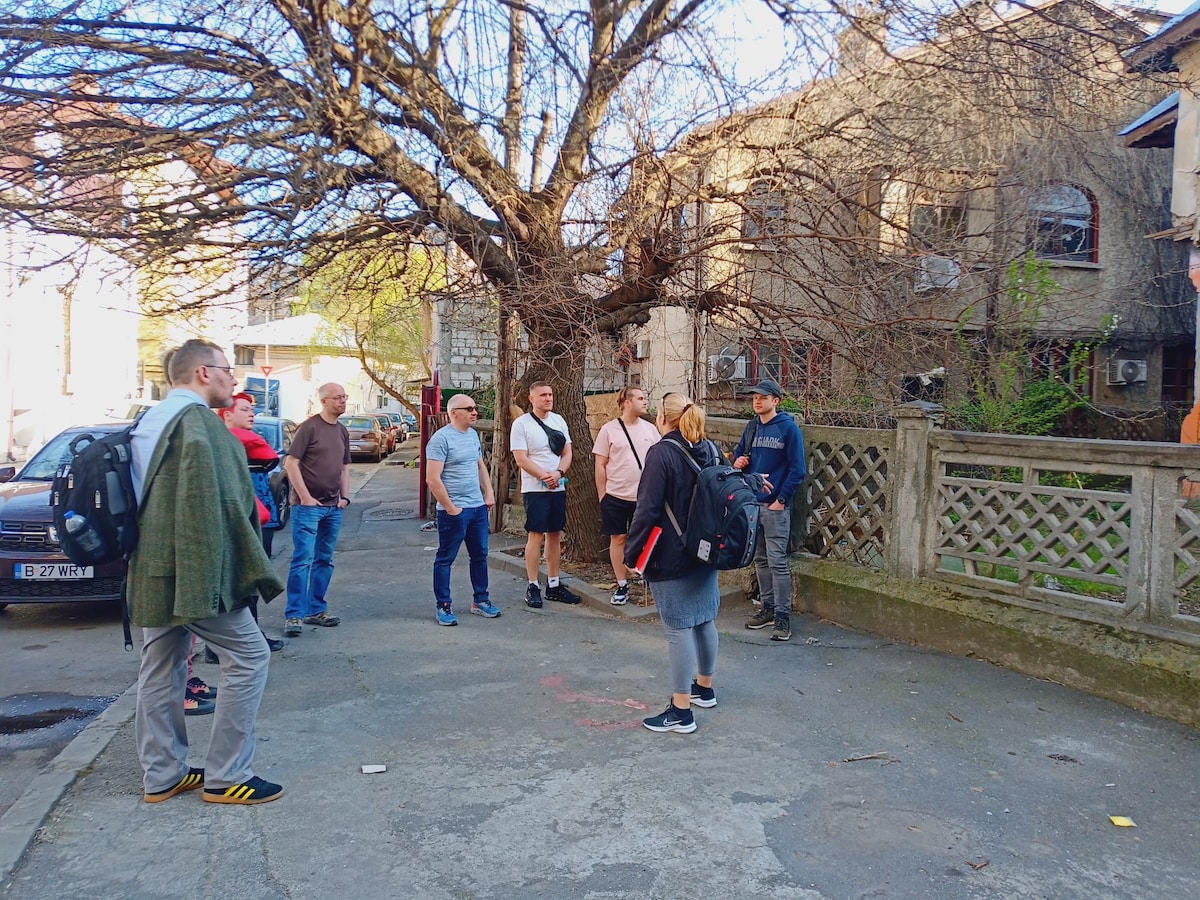
Real Tour on Communism in Romania
Fri, Feb 27 • 1:30 PM
Bucharest, Bucharest, 030167, Romania
View details
Local Food and History Tour of Bucharest
Sat, Feb 28 • 9:00 AM
Bucharest, Bucharest, 10391, Romania
View details
Nearby attractions of Kretzulescu Church
National Museum of Art
Memorial of Rebirth
The Romanian Athenaeum
The Royal Palace of Bucharest
Equestrian Statue of Carol I
The Gallery of European Art
The Umbrellas' Street
Central University Library Carol I
"Theodor Aman" Museum
Artmark
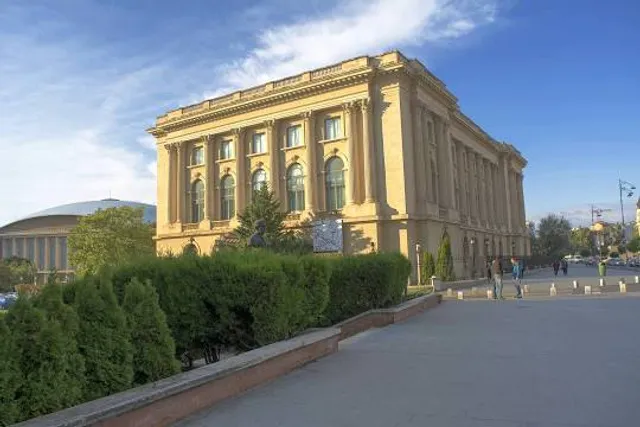
National Museum of Art
4.6
(4.4K)
Open until 6:00 PM
Click for details
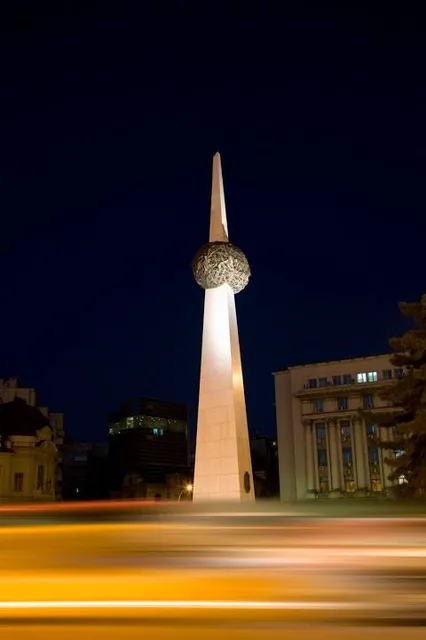
Memorial of Rebirth
4.1
(1.0K)
Open until 12:00 AM
Click for details
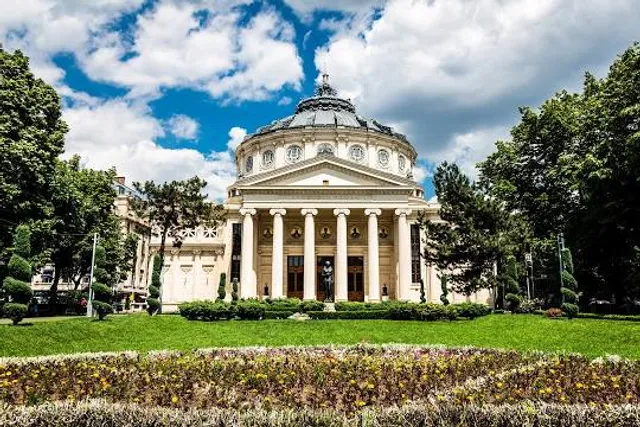
The Romanian Athenaeum
4.8
(7.5K)
Open 24 hours
Click for details
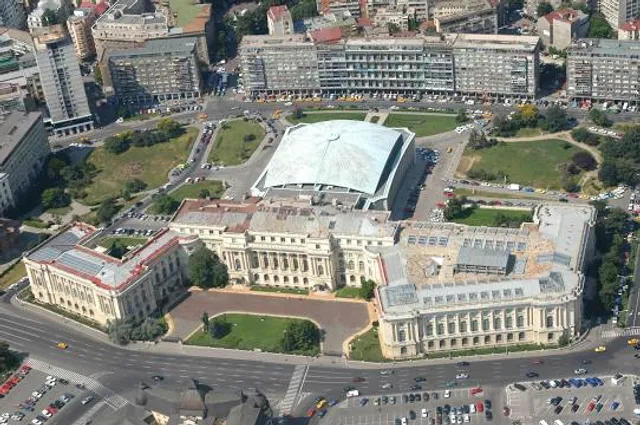
The Royal Palace of Bucharest
4.7
(563)
Open until 6:00 PM
Click for details
Nearby restaurants of Kretzulescu Church
Excalibur
AveForchetta
PIZZAMANIA AL TAGLIO
Trattoria Colosseum
Vatra
Yoshi Izakaya
MACE by Joseph Hadad
CAJU by Joseph Hadad
MOM Bucharest
Cișmigiu - Bistro La Etaj
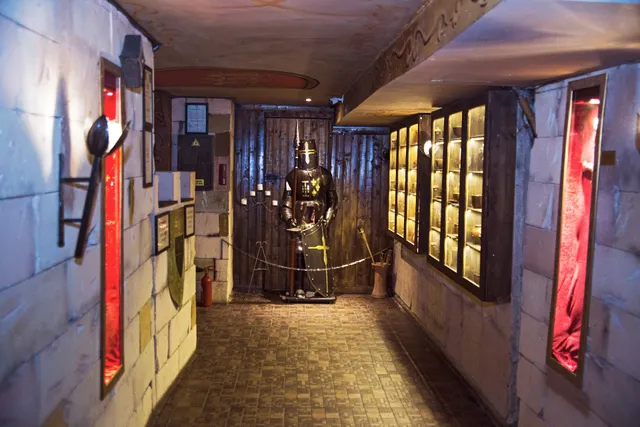
Excalibur
4.4
(4K)
$$
Closed
Click for details
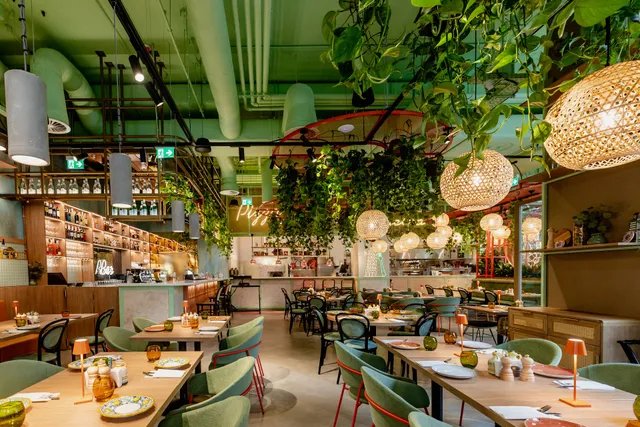
AveForchetta
4.8
(4.2K)
Closed
Click for details

PIZZAMANIA AL TAGLIO
4.8
(158)
Closed
Click for details
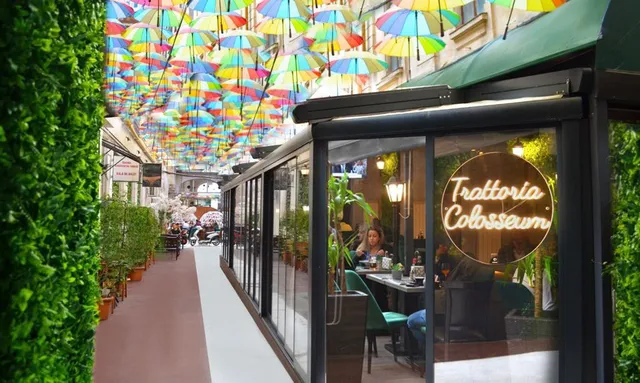
Trattoria Colosseum
4.0
(1.0K)
$$
Open until 11:00 PM
Click for details
Nearby local services of Kretzulescu Church
Control Club
Odeon Theatre
THAIco SPA Continental
"Saint Nicholas Built-in-a-Day" Church
Solo Spa
Fii Tu Beauty Center
Fundatia Universitara Carol I
Archeryshop.ro
Majestic Massage Bucharest
Fortuna Palace
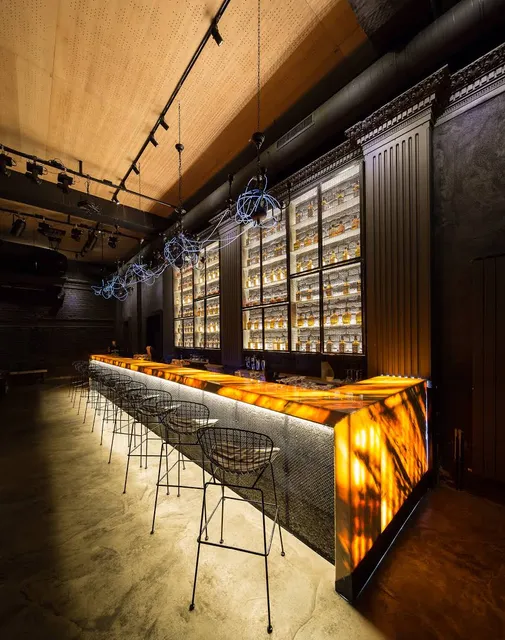
Control Club
4.2
(1.9K)
Click for details
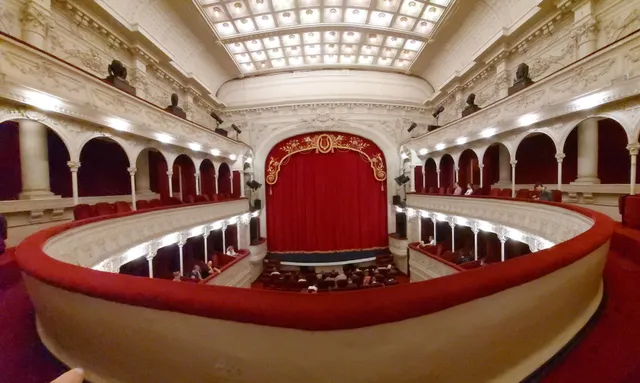
Odeon Theatre
4.7
(1.3K)
Click for details
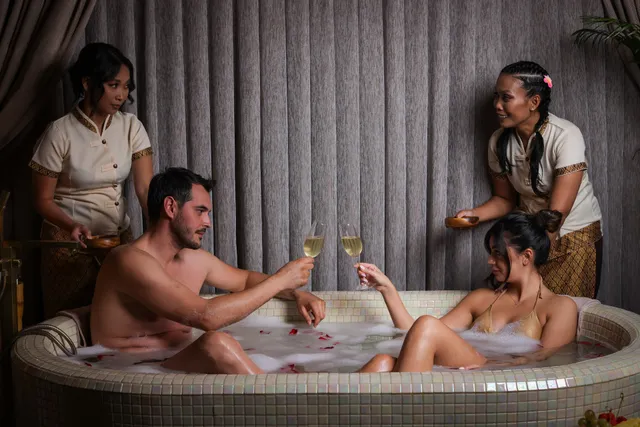
THAIco SPA Continental
4.9
(158)
Click for details
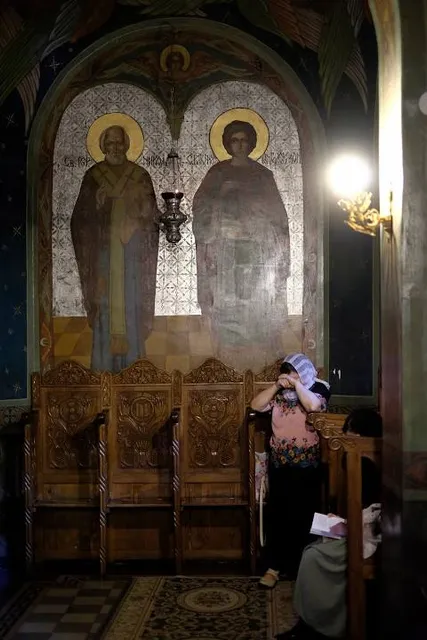
"Saint Nicholas Built-in-a-Day" Church
4.8
(547)
Click for details