Memorial of Rebirth things to do, attractions, restaurants, events info and trip planning
Basic Info
Memorial of Rebirth
Piața Revoluției, 030167 București, Romania
4.1(997)
Open until 12:00 AM
Save
spot
spot
Ratings & Description
Info
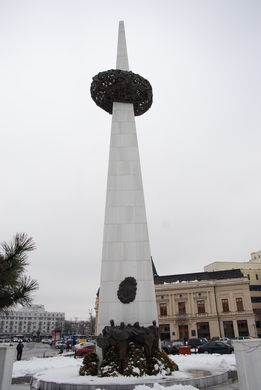
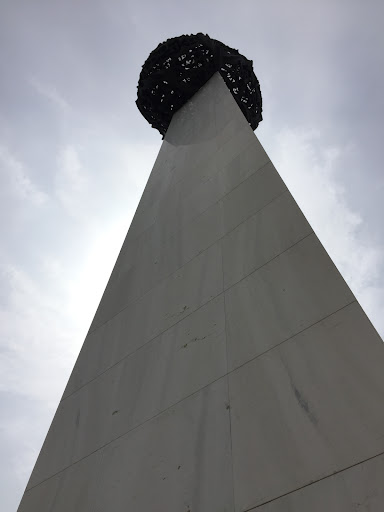
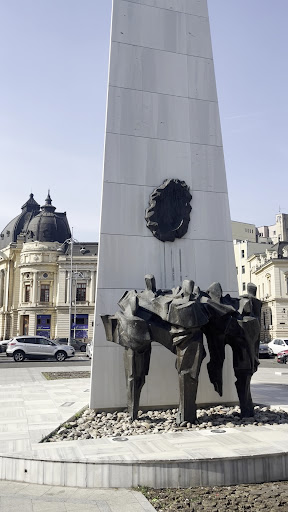
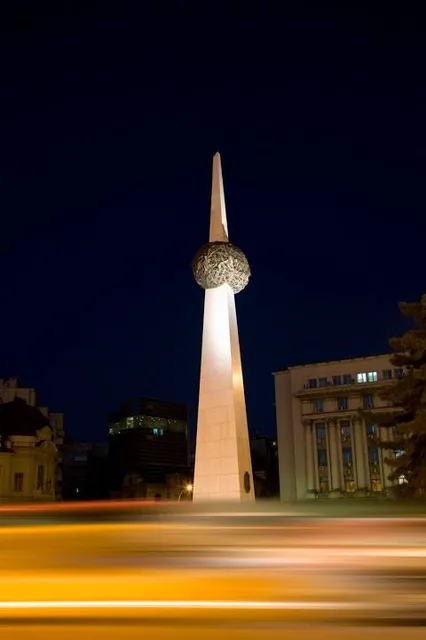
The Memorial of Rebirth is a memorial in Bucharest, Romania that commemorates the struggles and victims of the Romanian Revolution of 1989, which overthrew Communism.
Cultural
Outdoor
Accessibility
attractions: National Museum of Art, The Romanian Athenaeum, Kretzulescu Church, Equestrian Statue of Carol I, The Royal Palace of Bucharest, Central University Library Carol I, "Theodor Aman" Museum, The Gallery of European Art, Artmark, Boteanu Church, restaurants: Excalibur, AveForchetta, MACE by Joseph Hadad, CAJU by Joseph Hadad, Trattoria Colosseum, Cafe Chocolat Ateneu, PIZZAMANIA AL TAGLIO, RUBY Coffee Nuts & Chocolate, Vatra, Trattoria Don Vito Ristorante, local businesses: "Saint Nicholas Built-in-a-Day" Church, Odeon Theatre, Control Club, THAIco SPA Continental, Fundatia Universitara Carol I, Massage Bucharest Energy Healing SanHiRa SPA, Majestic Massage Bucharest, THAIco SPA Radisson Blu, Fortuna Palace, Sakura Japanese School
 Learn more insights from Wanderboat AI.
Website
atlasobscura.com
Open hoursSee all hours
SunOpen 24 hoursOpen
Plan your stay

Pet-friendly Hotels in Bucharest
Find a cozy hotel nearby and make it a full experience.

Affordable Hotels in Bucharest
Find a cozy hotel nearby and make it a full experience.

The Coolest Hotels You Haven't Heard Of (Yet)
Find a cozy hotel nearby and make it a full experience.

Trending Stays Worth the Hype in Bucharest
Find a cozy hotel nearby and make it a full experience.
Reviews
Live events
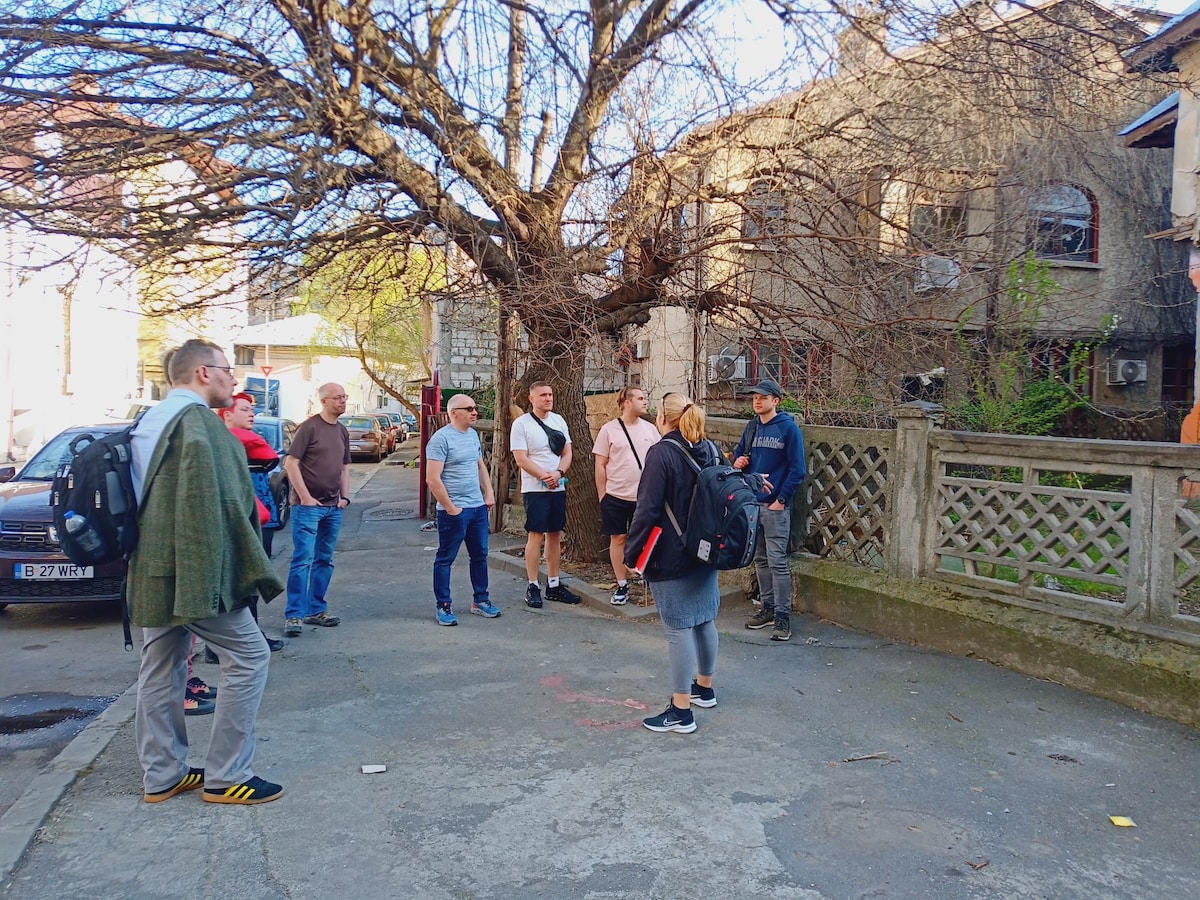
Real Tour on Communism in Romania
Mon, Feb 23 • 11:00 AM
Bucharest, Bucharest, 030167, Romania
View details
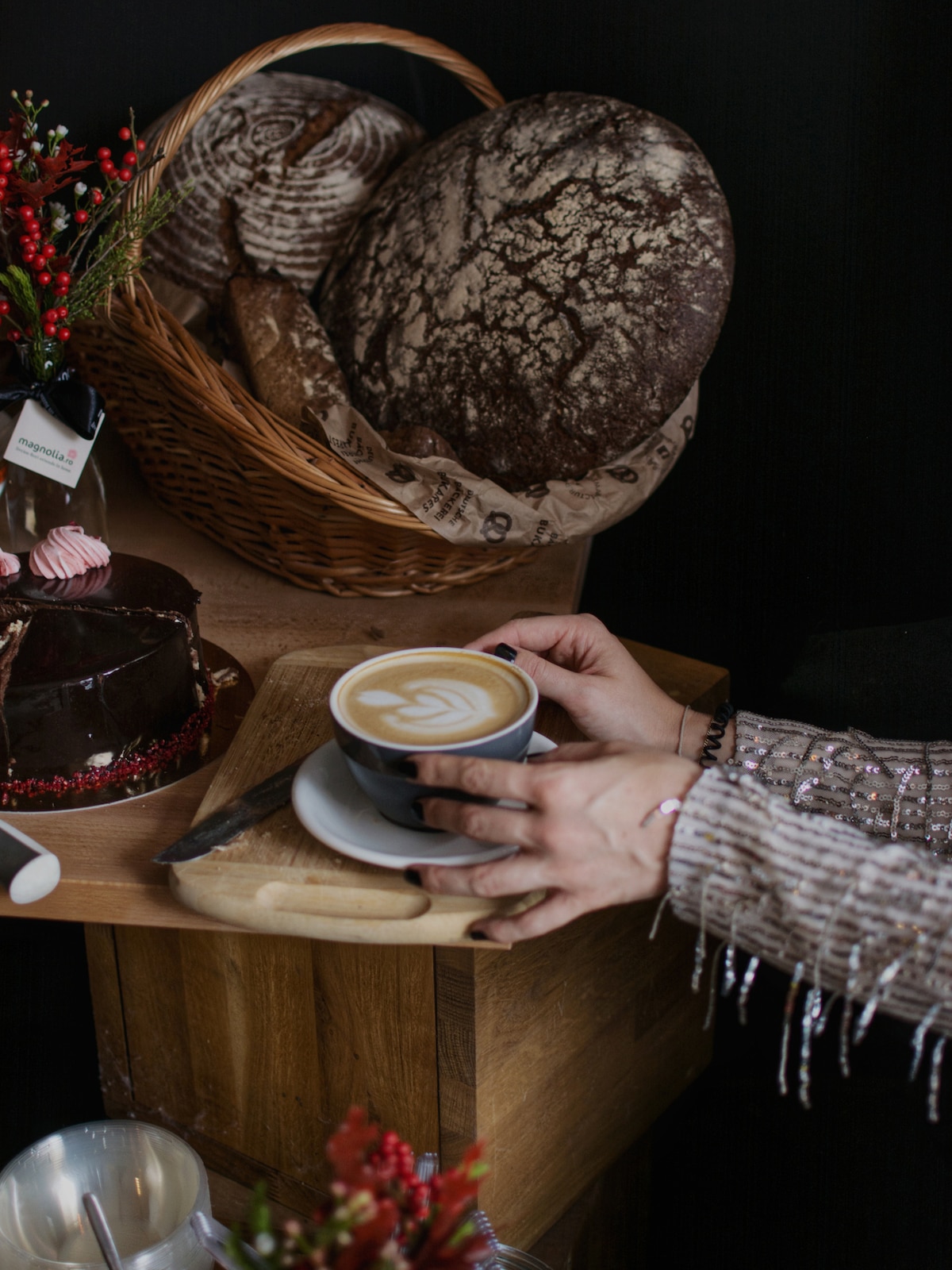
Local Food and History Tour of Bucharest
Thu, Feb 26 • 9:00 AM
Bucharest, Bucharest, 10391, Romania
View details
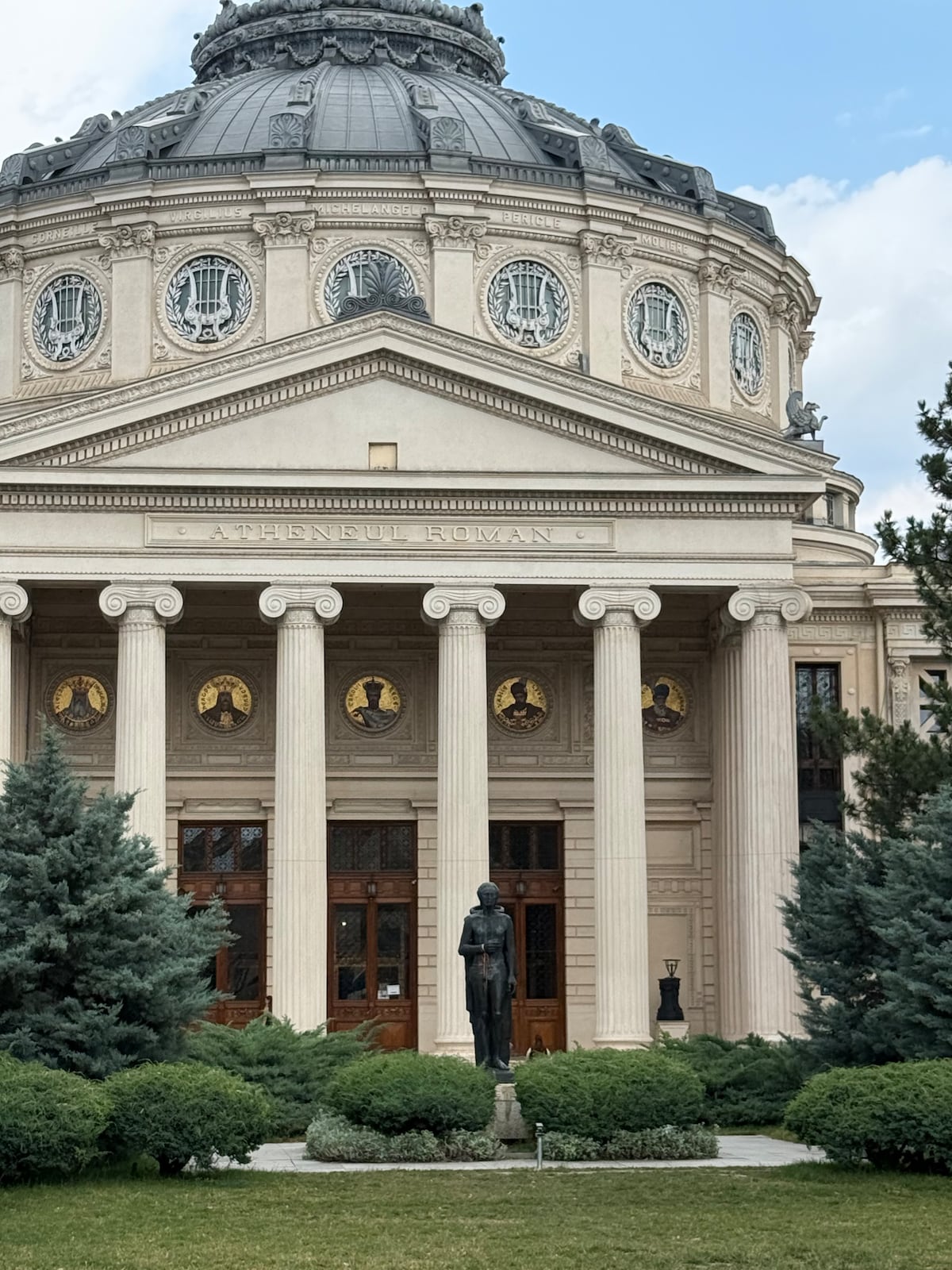
Guided tour of the Romanian Athenaeum
Mon, Feb 23 • 8:00 AM
Bucharest, Bucharest, 010287, Romania
View details
Nearby attractions of Memorial of Rebirth
National Museum of Art
The Romanian Athenaeum
Kretzulescu Church
Equestrian Statue of Carol I
The Royal Palace of Bucharest
Central University Library Carol I
"Theodor Aman" Museum
The Gallery of European Art
Artmark
Boteanu Church
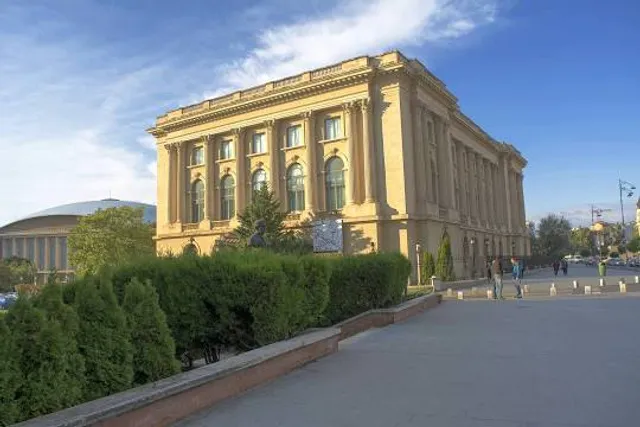
National Museum of Art
4.6
(4.2K)
Closed
Click for details
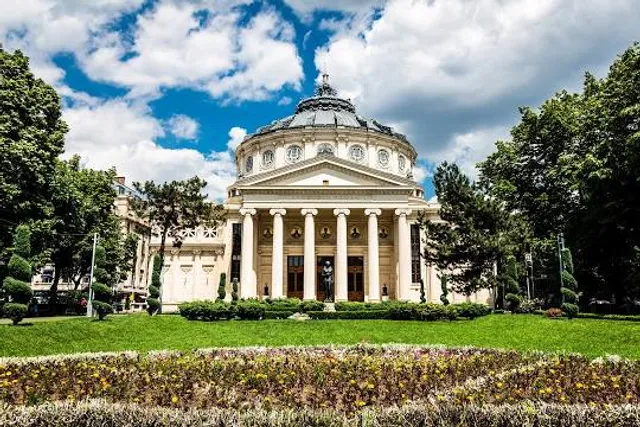
The Romanian Athenaeum
4.8
(7K)
Open 24 hours
Click for details
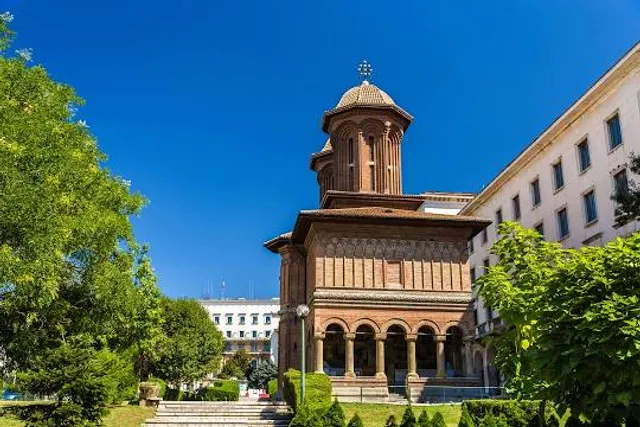
Kretzulescu Church
4.7
(570)
Closed
Click for details
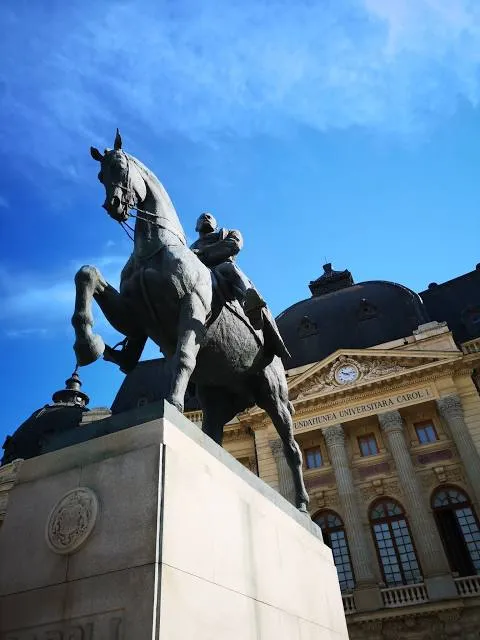
Equestrian Statue of Carol I
4.7
(312)
Open until 12:00 AM
Click for details
Nearby restaurants of Memorial of Rebirth
Excalibur
AveForchetta
MACE by Joseph Hadad
CAJU by Joseph Hadad
Trattoria Colosseum
Cafe Chocolat Ateneu
PIZZAMANIA AL TAGLIO
RUBY Coffee Nuts & Chocolate
Vatra
Trattoria Don Vito Ristorante
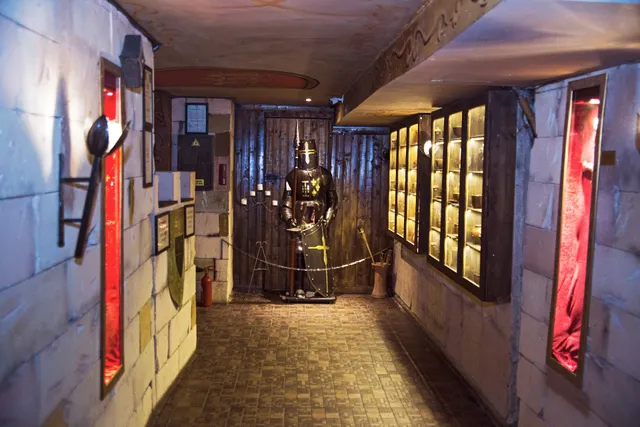
Excalibur
4.4
(3.8K)
$$
Open until 12:00 AM
Click for details
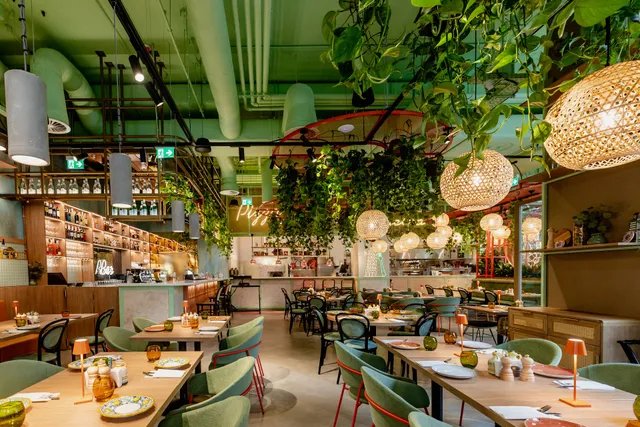
AveForchetta
4.8
(4.1K)
Open until 11:30 PM
Click for details
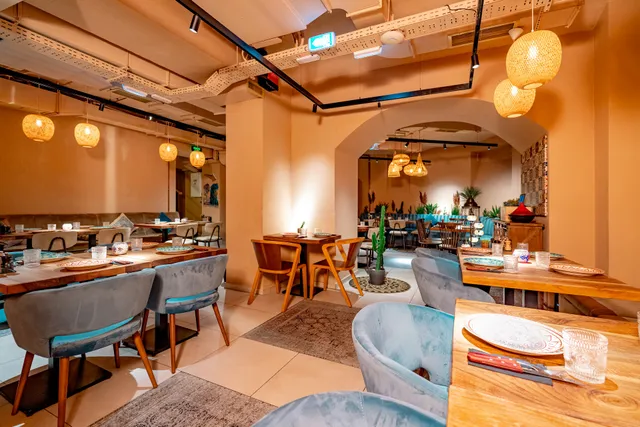
MACE by Joseph Hadad
4.3
(1.0K)
Open until 10:00 PM
Click for details
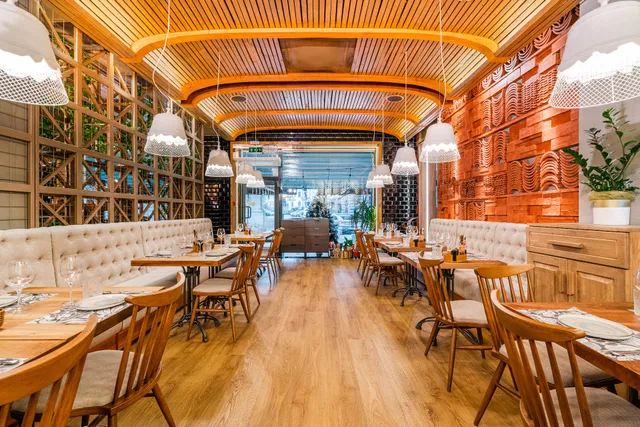
CAJU by Joseph Hadad
4.4
(2K)
Open until 10:00 PM
Click for details
Nearby local services of Memorial of Rebirth
"Saint Nicholas Built-in-a-Day" Church
Odeon Theatre
Control Club
THAIco SPA Continental
Fundatia Universitara Carol I
Massage Bucharest Energy Healing SanHiRa SPA
Majestic Massage Bucharest
THAIco SPA Radisson Blu
Fortuna Palace
Sakura Japanese School
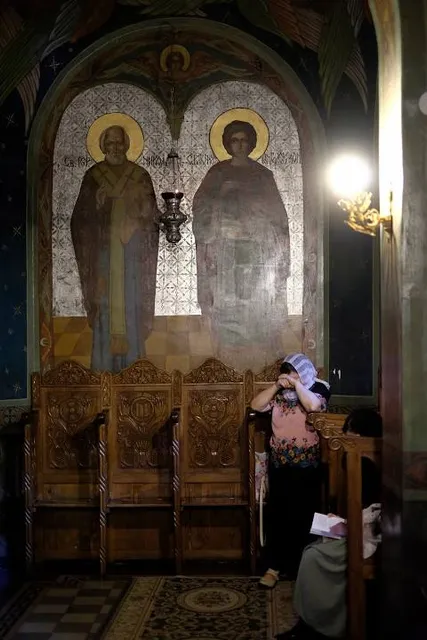
"Saint Nicholas Built-in-a-Day" Church
4.8
(580)
Click for details
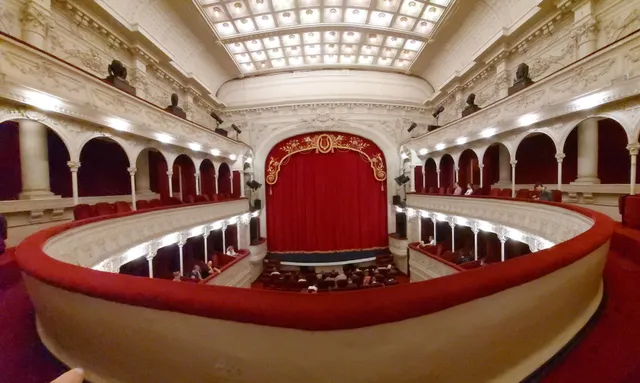
Odeon Theatre
4.7
(1.3K)
Click for details
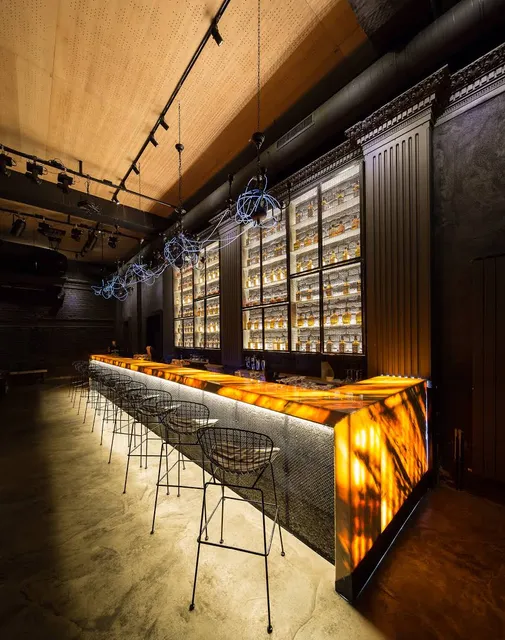
Control Club
4.2
(1.9K)
Click for details
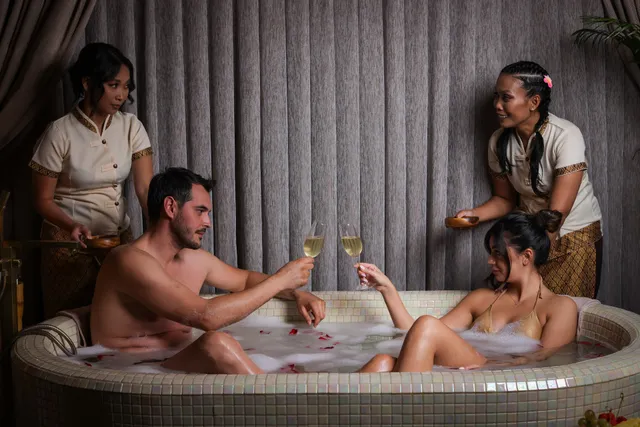
THAIco SPA Continental
4.9
(151)
Click for details