HTML SitemapExplore
Find Things to DoFind The Best Restaurants

Equestrian Statue of Carol I — Attraction in Bucharest

Name
Equestrian Statue of Carol I
Description
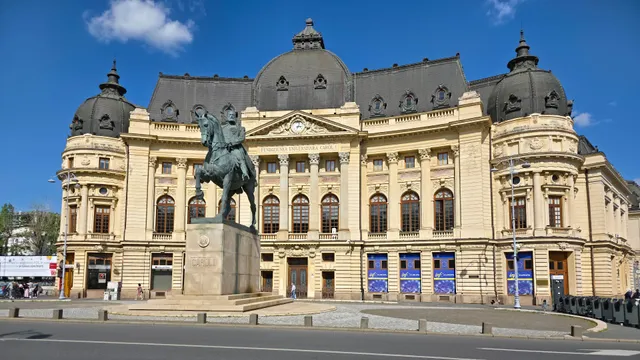
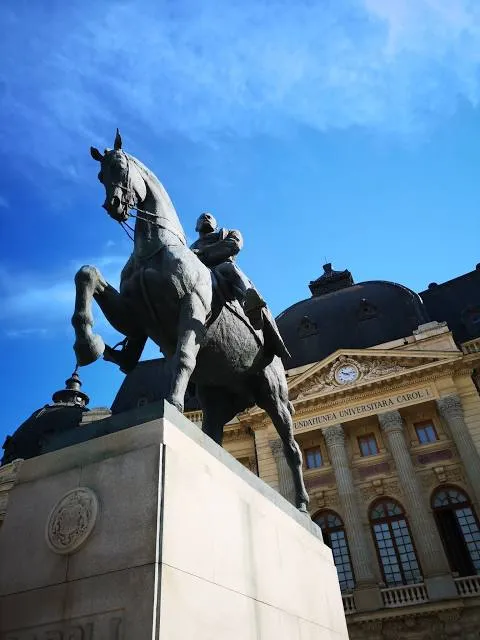
The equestrian statue of Carol I is a monument in Romania, situated in the central zone of Bucharest, on Calea Victoriei. The massive statue, cast in bronze, represents Carol I of Romania, the first King of Romania, mounted on his horse.
Nearby attractions
National Museum of Art
Calea Victoriei 49-53, București 010063, Romania
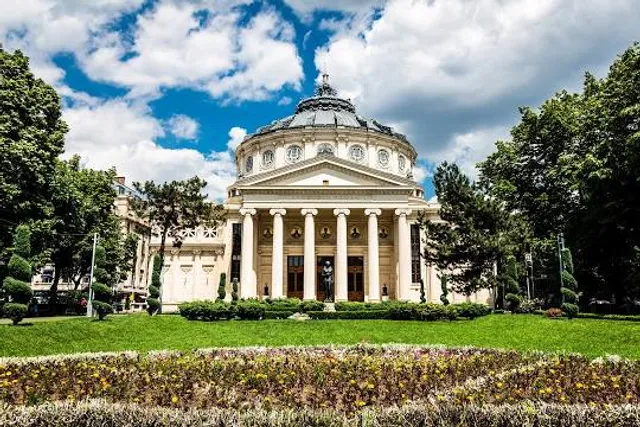
The Romanian Athenaeum
Strada Benjamin Franklin 1-3, București 010287, Romania
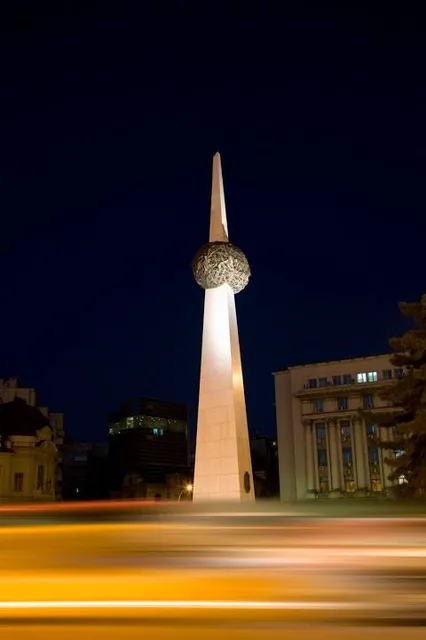
Memorial of Rebirth
Piața Revoluției, București 030167, Romania
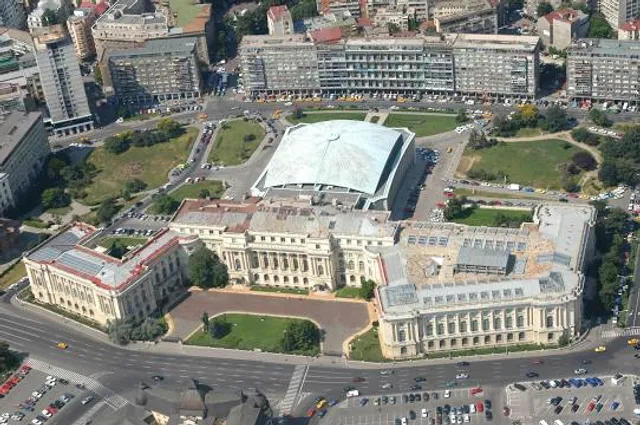
The Royal Palace of Bucharest
Calea Victoriei 49-53, București 010063, Romania
"Theodor Aman" Museum
Strada C. A. Rosetti 8, București 010283, Romania
Central University Library Carol I
Strada Boteanu 1, București 010292, Romania
Artmark
Strada C. A. Rosetti 5, București 010281, Romania
Kretzulescu Church
Calea Victoriei 45-47, București 010062, Romania
The Gallery of European Art
Calea Victoriei, București 030167, Romania
Boteanu Church
Strada Boteanu 8, București 010027, Romania
Nearby restaurants
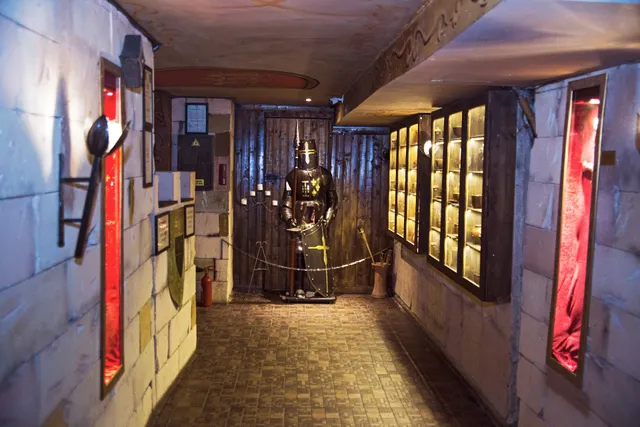
Excalibur
Demisol, Strada Academiei 39-41, București 010013, Romania
MACE by Joseph Hadad
Strada Benjamin Franklin 16, București 030167, Romania
CAJU by Joseph Hadad
Strada Nicolae Golescu 16, București 030167, Romania
Cafe Chocolat Ateneu
Strada Episcopiei 6, București 030167, Romania
AveForchetta
Strada Matei Millo 5, București 010144, Romania
Trattoria Don Vito Ristorante
Str. D. I. Mendeleev 1, București 030167, Romania
Trattoria Il Calcio Magheru
Strada Anastasie Simu 6, București 030167, Romania
Restaurant & Rooftop Bar Savart
Strada George Enescu nr. 2-4, București 010305, Romania
Le Bistrot Francais
Strada Nicolae Golescu 18, București 010292, Romania
Trattoria Colosseum
Calea Victoriei, Pasajul Victoria 48-50, București 030167, Romania
Nearby hotels
Novotel Bucharest City Centre
Calea Victoriei 37B, București 030167, Romania
InterContinental Athénée Palace Bucharest by IHG
Strada Episcopiei 1-3, București 010292, Romania
Park Inn by Radisson Bucharest Hotel & Residence
Strada Luterană 2-4, București 010162, Romania
Hotel Lido by Phoenicia
Bulevardul General Gheorghe Magheru 5-7, București 010321, Romania
Grand Hotel Continental Bucharest
Calea Victoriei 56, București 010083, Romania
Hotel Ambasador Bucharest
Bulevardul General Gheorghe Magheru 10A, București 010332, Romania
Mercure Bucharest City Center
15 17 17A, Strada George Enescu Street, București 010302, Romania
Bucur Accommodation
Strada Ion Câmpineanu 14, București 010036, Romania
Central Class Bucharest
Bulevardul Nicolae Bălcescu 35A, București 010055, Romania
Grand Hotel Bucharest
Bulevardul Nicolae Bălcescu 4, București 010051, Romania
Related posts
Keywords
Equestrian Statue of Carol I tourism.Equestrian Statue of Carol I hotels.Equestrian Statue of Carol I bed and breakfast. flights to Equestrian Statue of Carol I.Equestrian Statue of Carol I attractions.Equestrian Statue of Carol I restaurants.Equestrian Statue of Carol I travel.Equestrian Statue of Carol I travel guide.Equestrian Statue of Carol I travel blog.Equestrian Statue of Carol I pictures.Equestrian Statue of Carol I photos.Equestrian Statue of Carol I travel tips.Equestrian Statue of Carol I maps.Equestrian Statue of Carol I things to do.
Equestrian Statue of Carol I things to do, attractions, restaurants, events info and trip planning
Equestrian Statue of Carol I
RomaniaBucharestEquestrian Statue of Carol I

Basic Info

Equestrian Statue of Carol I

Bucharest 030167, Romania
4.7(307)
Open 24 hours
Save
spot

Ratings & Description

Info

The equestrian statue of Carol I is a monument in Romania, situated in the central zone of Bucharest, on Calea Victoriei. The massive statue, cast in bronze, represents Carol I of Romania, the first King of Romania, mounted on his horse.

Cultural
Scenic
Accessibility
Family friendly
attractions: National Museum of Art, The Romanian Athenaeum, Memorial of Rebirth, The Royal Palace of Bucharest, "Theodor Aman" Museum, Central University Library Carol I, Artmark, Kretzulescu Church, The Gallery of European Art, Boteanu Church, restaurants: Excalibur, MACE by Joseph Hadad, CAJU by Joseph Hadad, Cafe Chocolat Ateneu, AveForchetta, Trattoria Don Vito Ristorante, Trattoria Il Calcio Magheru, Restaurant & Rooftop Bar Savart, Le Bistrot Francais, Trattoria Colosseum
logoLearn more insights from Wanderboat AI.

Plan your stay

hotel
Pet-friendly Hotels in Bucharest
Find a cozy hotel nearby and make it a full experience.
hotel
Affordable Hotels in Bucharest
Find a cozy hotel nearby and make it a full experience.
hotel
The Coolest Hotels You Haven't Heard Of (Yet)
Find a cozy hotel nearby and make it a full experience.
hotel
Trending Stays Worth the Hype in Bucharest
Find a cozy hotel nearby and make it a full experience.

Reviews

Nearby attractions of Equestrian Statue of Carol I

National Museum of Art

The Romanian Athenaeum

Memorial of Rebirth

The Royal Palace of Bucharest

"Theodor Aman" Museum

Central University Library Carol I

Artmark

Kretzulescu Church

The Gallery of European Art

Boteanu Church

National Museum of Art

National Museum of Art

4.6

(4.3K)

Open 24 hours
Click for details
The Romanian Athenaeum

The Romanian Athenaeum

4.8

(7.2K)

Open 24 hours
Click for details
Memorial of Rebirth

Memorial of Rebirth

4.1

(1.0K)

Open 24 hours
Click for details
The Royal Palace of Bucharest

The Royal Palace of Bucharest

4.7

(579)

Closed
Click for details

Things to do nearby

Cycle grand boulevards and hidden green corners
Sat, Dec 27 • 2:00 PM
Bucharest, Bucharest, 030167, Romania
View details
Bmw la Peles, Bran & Brașov OptionB Bear Sanctuary
Fri, Dec 26 • 6:00 AM
Bucharest, Bucharest, Romania
View details
Local Food and History Tour of Bucharest
Wed, Dec 31 • 9:00 AM
Bucharest, Bucharest, 10391, Romania
View details

Nearby restaurants of Equestrian Statue of Carol I

Excalibur

MACE by Joseph Hadad

CAJU by Joseph Hadad

Cafe Chocolat Ateneu

AveForchetta

Trattoria Don Vito Ristorante

Trattoria Il Calcio Magheru

Restaurant & Rooftop Bar Savart

Le Bistrot Francais

Trattoria Colosseum

Excalibur

Excalibur

4.4

(3.8K)

$$

Click for details
MACE by Joseph Hadad

MACE by Joseph Hadad

4.3

(1.0K)

Click for details
CAJU by Joseph Hadad

CAJU by Joseph Hadad

4.4

(1.9K)

Click for details
Cafe Chocolat Ateneu

Cafe Chocolat Ateneu

4.2

(1.5K)

$$$

Click for details
Get the Appoverlay
Get the AppOne tap to find yournext favorite spots!
Wanderboat LogoWanderboat

Your everyday Al companion for getaway ideas

CompanyAbout Us
InformationAI Trip PlannerSitemap
SocialXInstagramTiktokLinkedin
LegalTerms of ServicePrivacy Policy

Get the app

© 2025 Wanderboat. All rights reserved.

Posts

DivertimentoDivertimento
Visitors to the Equestrian Statue of Carol I in Bucharest should keep the following information in mind: 1. Location: The statue is located in Carol Park (Parcul Carol) in Bucharest, Romania. The park is easily accessible and is a popular spot for both locals and tourists. 2. Historical Significance: The statue is a tribute to King Carol I, who played a crucial role in the modernization and unification of Romania. Visitors should be aware of its historical importance to the country. 3. Sculptor: The statue was created by Romanian sculptor Karl Storck, a notable figure in Romanian art. Visitors interested in art and sculpture may appreciate this detail. 4. Architecture and Design: The statue depicts King Carol I on horseback in a heroic pose. Its design is reminiscent of equestrian statues found in many European cities. 5. Park Surroundings: Carol Park offers a pleasant environment for a leisurely stroll, and visitors can enjoy the greenery and other sculptures in the park. 6. Accessibility: The location is easily accessible by public transport or on foot, and it's a popular site for both locals and tourists. 7. Photography: Visitors often take photos with the statue, and it's a popular spot for capturing memories of their visit to Bucharest. 8. History and Monarchy: King Carol I played a significant role in Romania's history, so the statue serves as a connection to the country's monarchical past. It's worth learning about this history to fully appreciate the monument. 9. Events and Activities: The park sometimes hosts cultural events and activities, so visitors should check for any special events or exhibitions taking place during their visit. 10. Respect: While visiting, it's important to show respect to the monument and the park. Avoid climbing on the statue or defacing the surroundings. Overall, the Equestrian Statue of Carol I is not only a historical symbol but also a beautiful piece of art set in a picturesque park, making it a worthwhile visit for those interested in history, culture, and aesthetics.
Constantin CiocanConstantin Ciocan
CAROL I (domnitor şi rege al României în perioada 1866–1914) Principe german, născut în 1839 la Sigmaringen, a fost chemat ca domnitor al Principatelor Unite, după detronarea lui Alexandru Ioan Cuza, la 23 februarie 1866. Istoricul american Keith Hitchins, membru de onoare al Academiei Române, scrie, referitor la lovitura de stat din Principatele Unite: „Cuza a făcut greşeala de a şi impune Statutul şi o reformă rurală, ambele în 1864, într un mod în care şi a îndepărtat vechii sprijinitori şi i a unit pe duşmanii săi. Izolat astfel politic, i a încurajat el însuşi pe complotişti, lăsând să se înţeleagă că s ar putea să abdice” . Conducerile partidelor Conservator şi Liberal, care l au înlăturat pe Cuza, au ajuns la concluzia că trebuie adus în fruntea statului un străin. Ion C. Brătianu, l a convins pe Carol de Hohenzollern Sigmaringen să accepte să devină principe al Principatelor Unite. În aprilie 1866, sunt organizate alegeri pentru Camera Deputaţilor care apoi devine şi Adunare Constituantă. Această nouă Adunare îşi începe lucrările la 10 mai 1866 şi aprobă noua Constituţie, prin care se instituie principiul monarhiei ereditare. Carol soseşte la Bucureşti în 22 mai şi depune jurământul că „va domni pe baze constituţionale”, în faţa Camerei Deputaţilor. Domnitorul Carol şi a început domnia cu planuri referitoare la reorganizarea armatei, la construcţia de căi ferate şi la dezvoltarea industriei pentru valorificarea resurselor naturale ale ţării. Astfel, în timpul domniei lui Carol I se pune accentul pe modernizarea economiei Principatelor Unite, acţiune începută încă de pe vremea predecesorului – Alexandru Ioan Cuza. Se pune în funcţiune, în 1869, prima linie de cale ferată, Bucureşti Giurgiu. În 1866, Parlamentul aprobă execuţia unei linii de cale ferată de aproape 1.000 km care urma să lege multe localităţi importante: pornea din Vârciorova aflată în sudul vestul ţării, trecea prin Pitești, București, Buzău, Brăila, Galați, Tecuci şi ajungea la Roman în nordul ţării. Extracţia şi prelucrarea petrolului, apoi mineritul iau mare avânt. În 1880 este înfiinţată Banca Naţională a României, iar în 1887 este promulgată Legea privind unele măsuri în ajutorul industriei naţionale. În viaţa satelor s au întâmplat o serie de transformări pozitive, însă evoluţia a fost marcată şi de două răscoale ţărăneşti, în 1888 şi 1907. În acelaşi timp şcoala, inclusiv învăţământul universitar, al cărui început fusese făcut sub Al. I. Cuza prin înfiinţarea Universităţilor din Iaşi în 1860 şi din Bucureşti în 1864, se dezvoltă şi fac posibilă o evoluţie rapidă a culturii, ştiinţelor inginereşti şi medicinei româneşti.
Jim PatersonJim Paterson
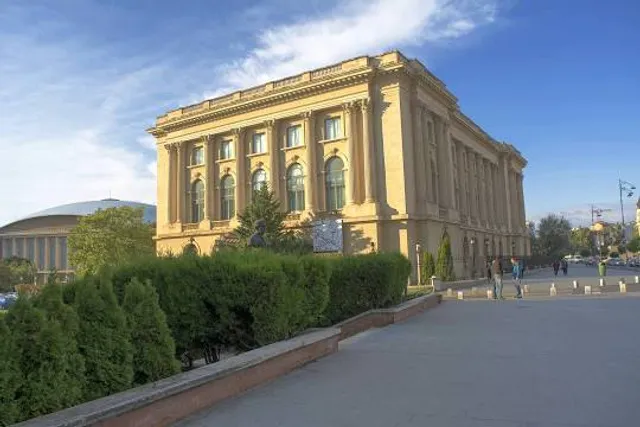
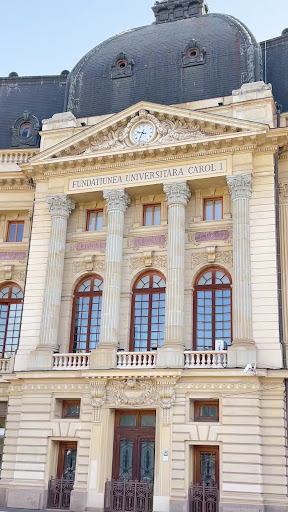
This is a big bronze cast Equestrian statue of King Carol 1 of Romania, who was the first King of Romania. During his reign, Romania achieved independence from the Ottoman empire in 1877. The statue proudly stands in front of the Central University Library of Bucharest. Opposite facing the statue stands the National Museum of Art, which was the former Royal Palace. This area is steeped in historical monuments, as it is just yards from the Piata Revolutiei, a tribute to the overthrow of the former communist regime in Romania in 1989.
See more posts
See more posts
hotel
Find your stay

Pet-friendly Hotels in Bucharest

Find a cozy hotel nearby and make it a full experience.

Visitors to the Equestrian Statue of Carol I in Bucharest should keep the following information in mind: 1. Location: The statue is located in Carol Park (Parcul Carol) in Bucharest, Romania. The park is easily accessible and is a popular spot for both locals and tourists. 2. Historical Significance: The statue is a tribute to King Carol I, who played a crucial role in the modernization and unification of Romania. Visitors should be aware of its historical importance to the country. 3. Sculptor: The statue was created by Romanian sculptor Karl Storck, a notable figure in Romanian art. Visitors interested in art and sculpture may appreciate this detail. 4. Architecture and Design: The statue depicts King Carol I on horseback in a heroic pose. Its design is reminiscent of equestrian statues found in many European cities. 5. Park Surroundings: Carol Park offers a pleasant environment for a leisurely stroll, and visitors can enjoy the greenery and other sculptures in the park. 6. Accessibility: The location is easily accessible by public transport or on foot, and it's a popular site for both locals and tourists. 7. Photography: Visitors often take photos with the statue, and it's a popular spot for capturing memories of their visit to Bucharest. 8. History and Monarchy: King Carol I played a significant role in Romania's history, so the statue serves as a connection to the country's monarchical past. It's worth learning about this history to fully appreciate the monument. 9. Events and Activities: The park sometimes hosts cultural events and activities, so visitors should check for any special events or exhibitions taking place during their visit. 10. Respect: While visiting, it's important to show respect to the monument and the park. Avoid climbing on the statue or defacing the surroundings. Overall, the Equestrian Statue of Carol I is not only a historical symbol but also a beautiful piece of art set in a picturesque park, making it a worthwhile visit for those interested in history, culture, and aesthetics.
Divertimento

Divertimento

hotel
Find your stay

Affordable Hotels in Bucharest

Find a cozy hotel nearby and make it a full experience.

Get the Appoverlay
Get the AppOne tap to find yournext favorite spots!
CAROL I (domnitor şi rege al României în perioada 1866–1914) Principe german, născut în 1839 la Sigmaringen, a fost chemat ca domnitor al Principatelor Unite, după detronarea lui Alexandru Ioan Cuza, la 23 februarie 1866. Istoricul american Keith Hitchins, membru de onoare al Academiei Române, scrie, referitor la lovitura de stat din Principatele Unite: „Cuza a făcut greşeala de a şi impune Statutul şi o reformă rurală, ambele în 1864, într un mod în care şi a îndepărtat vechii sprijinitori şi i a unit pe duşmanii săi. Izolat astfel politic, i a încurajat el însuşi pe complotişti, lăsând să se înţeleagă că s ar putea să abdice” . Conducerile partidelor Conservator şi Liberal, care l au înlăturat pe Cuza, au ajuns la concluzia că trebuie adus în fruntea statului un străin. Ion C. Brătianu, l a convins pe Carol de Hohenzollern Sigmaringen să accepte să devină principe al Principatelor Unite. În aprilie 1866, sunt organizate alegeri pentru Camera Deputaţilor care apoi devine şi Adunare Constituantă. Această nouă Adunare îşi începe lucrările la 10 mai 1866 şi aprobă noua Constituţie, prin care se instituie principiul monarhiei ereditare. Carol soseşte la Bucureşti în 22 mai şi depune jurământul că „va domni pe baze constituţionale”, în faţa Camerei Deputaţilor. Domnitorul Carol şi a început domnia cu planuri referitoare la reorganizarea armatei, la construcţia de căi ferate şi la dezvoltarea industriei pentru valorificarea resurselor naturale ale ţării. Astfel, în timpul domniei lui Carol I se pune accentul pe modernizarea economiei Principatelor Unite, acţiune începută încă de pe vremea predecesorului – Alexandru Ioan Cuza. Se pune în funcţiune, în 1869, prima linie de cale ferată, Bucureşti Giurgiu. În 1866, Parlamentul aprobă execuţia unei linii de cale ferată de aproape 1.000 km care urma să lege multe localităţi importante: pornea din Vârciorova aflată în sudul vestul ţării, trecea prin Pitești, București, Buzău, Brăila, Galați, Tecuci şi ajungea la Roman în nordul ţării. Extracţia şi prelucrarea petrolului, apoi mineritul iau mare avânt. În 1880 este înfiinţată Banca Naţională a României, iar în 1887 este promulgată Legea privind unele măsuri în ajutorul industriei naţionale. În viaţa satelor s au întâmplat o serie de transformări pozitive, însă evoluţia a fost marcată şi de două răscoale ţărăneşti, în 1888 şi 1907. În acelaşi timp şcoala, inclusiv învăţământul universitar, al cărui început fusese făcut sub Al. I. Cuza prin înfiinţarea Universităţilor din Iaşi în 1860 şi din Bucureşti în 1864, se dezvoltă şi fac posibilă o evoluţie rapidă a culturii, ştiinţelor inginereşti şi medicinei româneşti.
Constantin Ciocan

Constantin Ciocan

hotel
Find your stay

The Coolest Hotels You Haven't Heard Of (Yet)

Find a cozy hotel nearby and make it a full experience.

hotel
Find your stay

Trending Stays Worth the Hype in Bucharest

Find a cozy hotel nearby and make it a full experience.

This is a big bronze cast Equestrian statue of King Carol 1 of Romania, who was the first King of Romania. During his reign, Romania achieved independence from the Ottoman empire in 1877. The statue proudly stands in front of the Central University Library of Bucharest. Opposite facing the statue stands the National Museum of Art, which was the former Royal Palace. This area is steeped in historical monuments, as it is just yards from the Piata Revolutiei, a tribute to the overthrow of the former communist regime in Romania in 1989.
Jim Paterson

Jim Paterson

See more posts
See more posts

Reviews of Equestrian Statue of Carol I

4.7
(307)
avatar
5.0
2y

Visitors to the Equestrian Statue of Carol I in Bucharest should keep the following information in mind:

Location: The statue is located in Carol Park (Parcul Carol) in Bucharest, Romania. The park is easily accessible and is a popular spot for both locals and tourists.

Historical Significance: The statue is a tribute to King Carol I, who played a crucial role in the modernization and unification of Romania. Visitors should be aware of its historical importance to the country.

Sculptor: The statue was created by Romanian sculptor Karl Storck, a notable figure in Romanian art. Visitors interested in art and sculpture may appreciate this detail.

Architecture and Design: The statue depicts King Carol I on horseback in a heroic pose. Its design is reminiscent of equestrian statues found in many European cities.

Park Surroundings: Carol Park offers a pleasant environment for a leisurely stroll, and visitors can enjoy the greenery and other sculptures in the park.

Accessibility: The location is easily accessible by public transport or on foot, and it's a popular site for both locals and tourists.

Photography: Visitors often take photos with the statue, and it's a popular spot for capturing memories of their visit to Bucharest.

History and Monarchy: King Carol I played a significant role in Romania's history, so the statue serves as a connection to the country's monarchical past. It's worth learning about this history to fully appreciate the monument.

Events and Activities: The park sometimes hosts cultural events and activities, so visitors should check for any special events or exhibitions taking place during their visit.

Respect: While visiting, it's important to show respect to the monument and the park. Avoid climbing on the statue or defacing the surroundings.

Overall, the Equestrian Statue of Carol I is not only a historical symbol but also a beautiful piece of art set in a picturesque park, making it a worthwhile visit for those interested in history, culture,...

   Read more
avatar
5.0
2y

CAROL I (domnitor şi rege al României în perioada 1866–1914) Principe german, născut în 1839 la Sigmaringen, a fost chemat ca domnitor al Principatelor Unite, după detronarea lui Alexandru Ioan Cuza, la 23 februarie 1866. Istoricul american Keith Hitchins, membru de onoare al Academiei Române, scrie, referitor la lovitura de stat din Principatele Unite: „Cuza a făcut greşeala de a şi impune Statutul şi o reformă rurală, ambele în 1864, într un mod în care şi a îndepărtat vechii sprijinitori şi i a unit pe duşmanii săi. Izolat astfel politic, i a încurajat el însuşi pe complotişti, lăsând să se înţeleagă că s ar putea să abdice” . Conducerile partidelor Conservator şi Liberal, care l au înlăturat pe Cuza, au ajuns la concluzia că trebuie adus în fruntea statului un străin. Ion C. Brătianu, l a convins pe Carol de Hohenzollern Sigmaringen să accepte să devină principe al Principatelor Unite. În aprilie 1866, sunt organizate alegeri pentru Camera Deputaţilor care apoi devine şi Adunare Constituantă. Această nouă Adunare îşi începe lucrările la 10 mai 1866 şi aprobă noua Constituţie, prin care se instituie principiul monarhiei ereditare. Carol soseşte la Bucureşti în 22 mai şi depune jurământul că „va domni pe baze constituţionale”, în faţa Camerei Deputaţilor. Domnitorul Carol şi a început domnia cu planuri referitoare la reorganizarea armatei, la construcţia de căi ferate şi la dezvoltarea industriei pentru valorificarea resurselor naturale ale ţării. Astfel, în timpul domniei lui Carol I se pune accentul pe modernizarea economiei Principatelor Unite, acţiune începută încă de pe vremea predecesorului – Alexandru Ioan Cuza. Se pune în funcţiune, în 1869, prima linie de cale ferată, Bucureşti Giurgiu. În 1866, Parlamentul aprobă execuţia unei linii de cale ferată de aproape 1.000 km care urma să lege multe localităţi importante: pornea din Vârciorova aflată în sudul vestul ţării, trecea prin Pitești, București, Buzău, Brăila, Galați, Tecuci şi ajungea la Roman în nordul ţării. Extracţia şi prelucrarea petrolului, apoi mineritul iau mare avânt. În 1880 este înfiinţată Banca Naţională a României, iar în 1887 este promulgată Legea privind unele măsuri în ajutorul industriei naţionale. În viaţa satelor s au întâmplat o serie de transformări pozitive, însă evoluţia a fost marcată şi de două răscoale ţărăneşti, în 1888 şi 1907. În acelaşi timp şcoala, inclusiv învăţământul universitar, al cărui început fusese făcut sub Al. I. Cuza prin înfiinţarea Universităţilor din Iaşi în 1860 şi din Bucureşti în 1864, se dezvoltă şi fac posibilă o evoluţie rapidă a culturii, ştiinţelor inginereşti şi...

   Read more
avatar
5.0
3y

This is a big bronze cast Equestrian statue of King Carol 1 of Romania, who was the first King of Romania. During his reign, Romania achieved independence from the Ottoman empire in 1877. The statue proudly stands in front of the Central University Library of Bucharest. Opposite facing the statue stands the National Museum of Art, which was the former Royal Palace. This area is steeped in historical monuments, as it is just yards from the Piata Revolutiei, a tribute to the overthrow of the former communist regime in...

   Read more
Page 1 of 7
Previous
Next