Alexandru Borza Botanical Garden things to do, attractions, restaurants, events info and trip planning
Basic Info
Alexandru Borza Botanical Garden
Str. Republicii 42, 400015 Cluj-Napoca, Romania
4.6(6.7K)
Closed

tickets
Save
spot
spot
Ratings & Description
Info
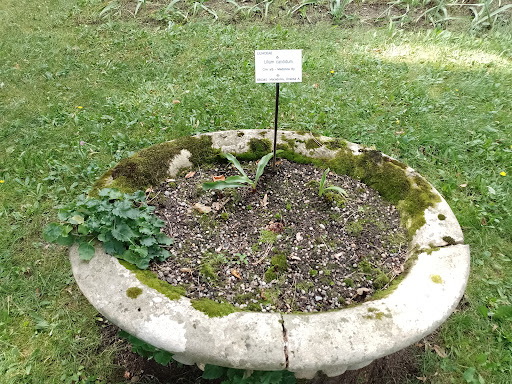
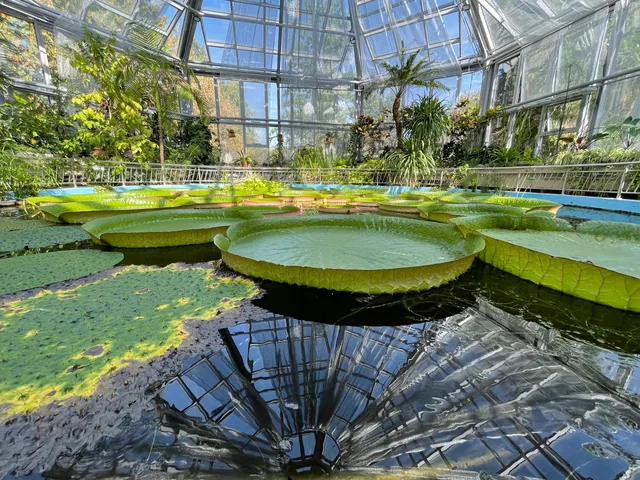
The Cluj-Napoca Botanical Garden, officially Alexandru Borza Cluj-Napoca University Botanic Garden, is a botanical garden located in the south part of Cluj-Napoca, Romania. It was founded in 1872 by Hungarian linguist Sámuel Brassai, known as the "Last Transylvanian Polymath".
Outdoor
Relaxation
Family friendly
attractions: Botanical Garden Museum, Japanese Garden, The Botanical Garden Water Tower, Central Cemetery, Biserica Romano-Catolică Sfânta Treime Cluj-Napoca (Piaristă), Unirii Square, Zoological Museum, "Matthias Rex" Monument, Ethnographical Museum of Transylvania, "Saint Michael" Church, restaurants: Tokyo Japanese Restaurant, Café Bulgakov, GARLIC - bites&tales, Makeba, Marhaba Asian Restaurant, DOT - District of Toast, Da Pino - Restaurant centru Cluj Napoca, Livada - Cluj, Eggcetera, Via Restaurant, local businesses: "Saint Michael" Cathedral, Tailors' Tower, Greek-Catholic Cathedral Face-to-face change, GG Sport, Salute per Aqua SPA, Museum of Pharmacy
 Learn more insights from Wanderboat AI.
Phone
+40 264 592 152
Website
gradinabotanica.ubbcluj.ro
Open hoursSee all hours
Tue12 AM - 5 PMClosed
Plan your stay

Pet-friendly Hotels in Cluj Metropolitan Area
Find a cozy hotel nearby and make it a full experience.

Affordable Hotels in Cluj Metropolitan Area
Find a cozy hotel nearby and make it a full experience.

The Coolest Hotels You Haven't Heard Of (Yet)
Find a cozy hotel nearby and make it a full experience.

Trending Stays Worth the Hype in Cluj Metropolitan Area
Find a cozy hotel nearby and make it a full experience.
Reviews
Live events

Candlelight: Coldplay & Imagine Dragons
Sat, Feb 28 • 6:00 PM
Piața Mihai Viteazu 11-13, Cluj-Napoca, 400151
View details
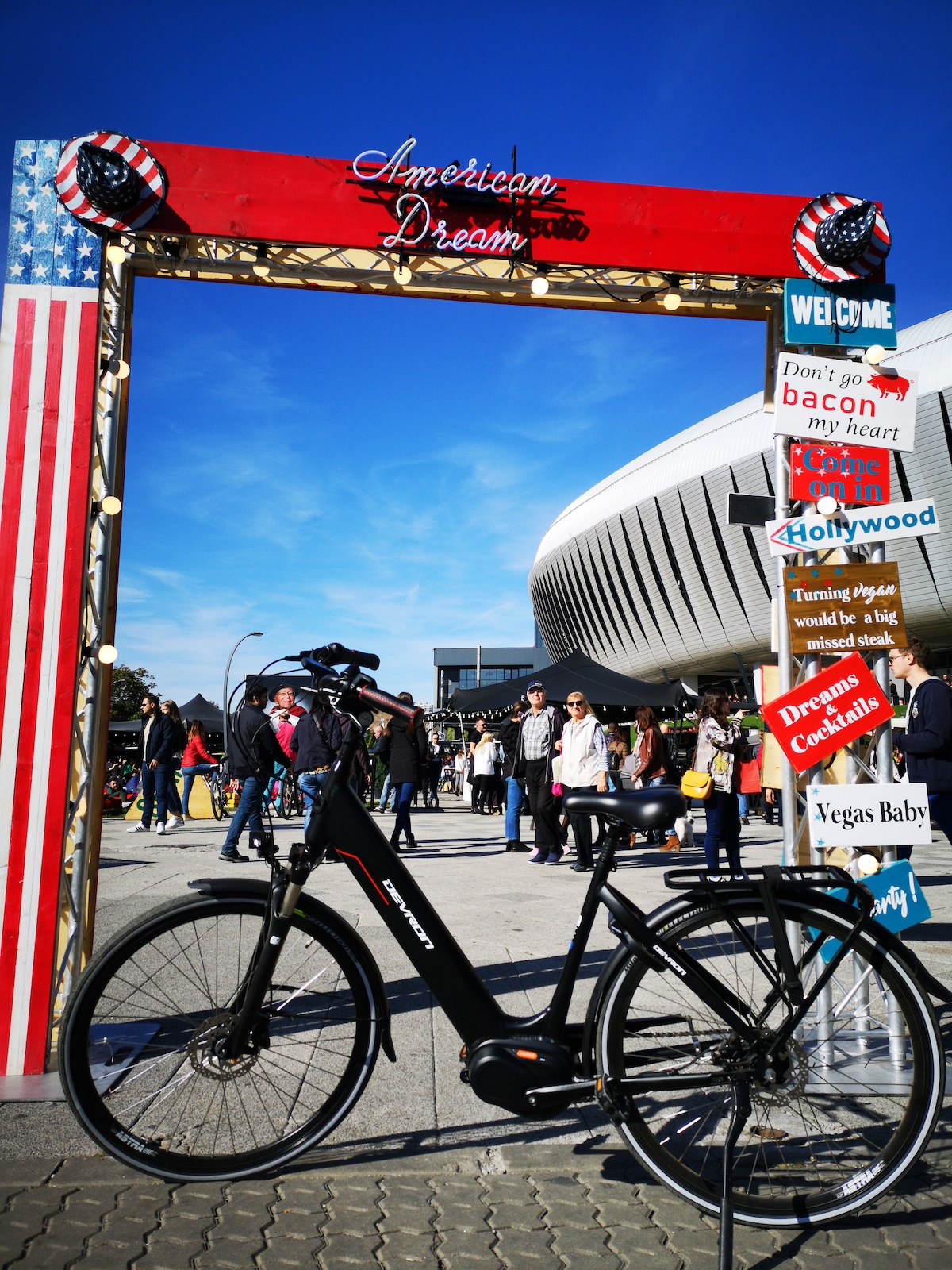
Explore Cluj by electric bike
Wed, Feb 25 • 12:00 PM
Cluj-Napoca, Cluj County, 400394, Romania
View details
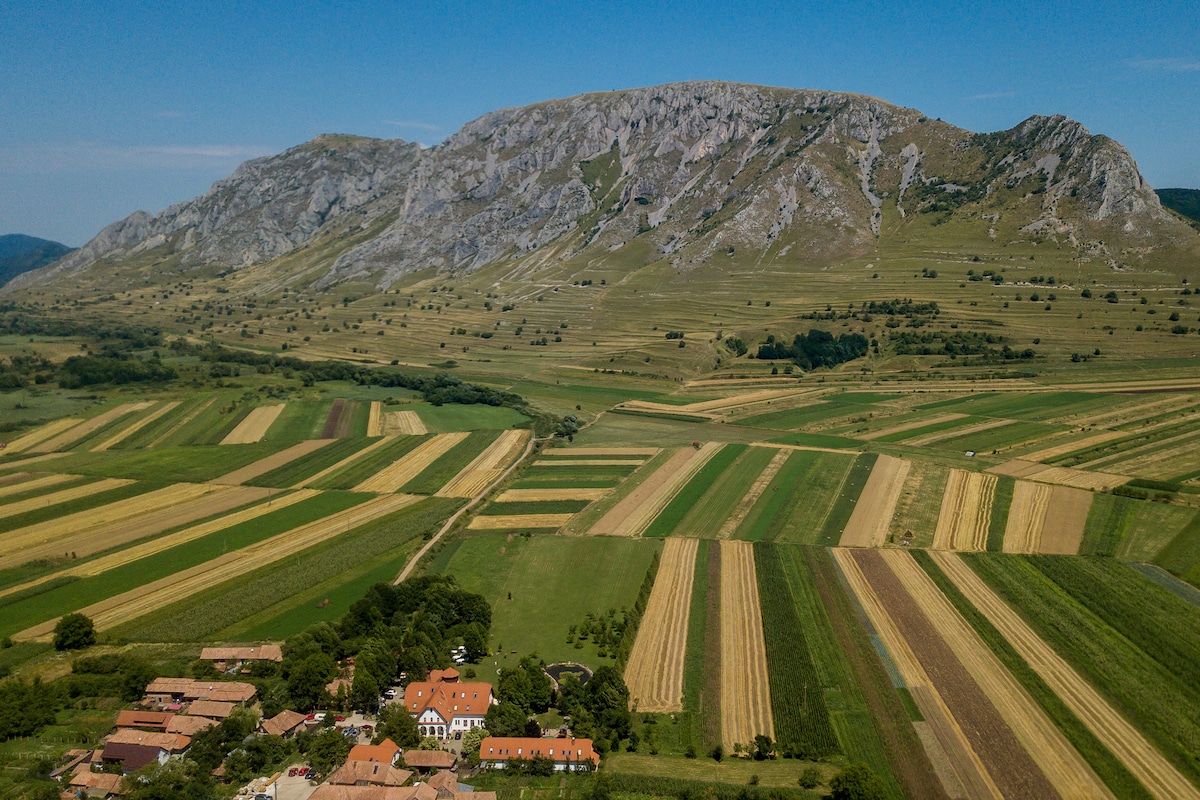
Hidden Transylvania: Rimetea & Secret Village Walk
Thu, Feb 26 • 2:00 PM
Cluj-Napoca, Cluj County, 400015, Romania
View details
Nearby attractions of Alexandru Borza Botanical Garden
Botanical Garden Museum
Japanese Garden
The Botanical Garden Water Tower
Central Cemetery
Biserica Romano-Catolică Sfânta Treime Cluj-Napoca (Piaristă)
Unirii Square
Zoological Museum
"Matthias Rex" Monument
Ethnographical Museum of Transylvania
"Saint Michael" Church
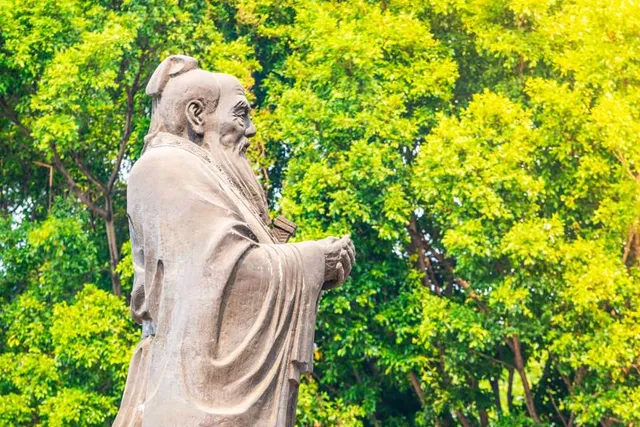
Botanical Garden Museum
4.6
(431)
Closed
Click for details
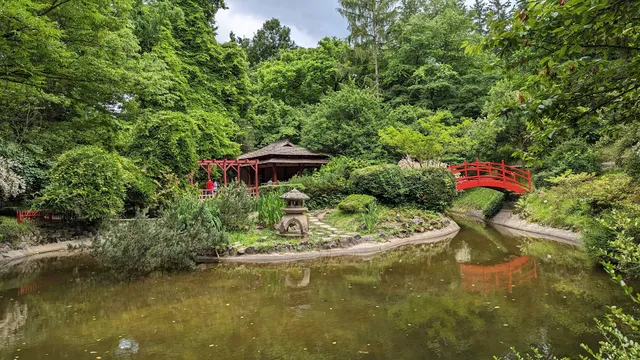
Japanese Garden
4.5
(135)
Closed
Click for details
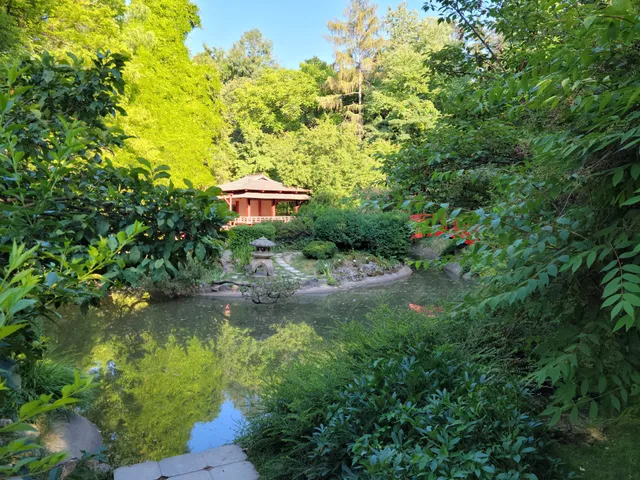
The Botanical Garden Water Tower
4.5
(230)
Closed
Click for details
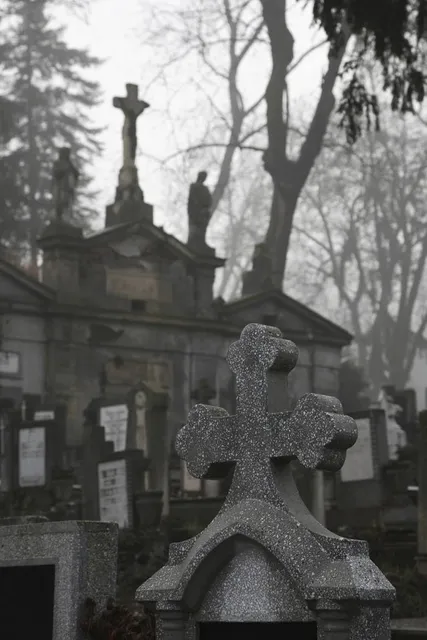
Central Cemetery
4.5
(92)
Open until 9:00 PM
Click for details
Nearby restaurants of Alexandru Borza Botanical Garden
Tokyo Japanese Restaurant
Café Bulgakov
GARLIC - bites&tales
Makeba
Marhaba Asian Restaurant
DOT - District of Toast
Da Pino - Restaurant centru Cluj Napoca
Livada - Cluj
Eggcetera
Via Restaurant
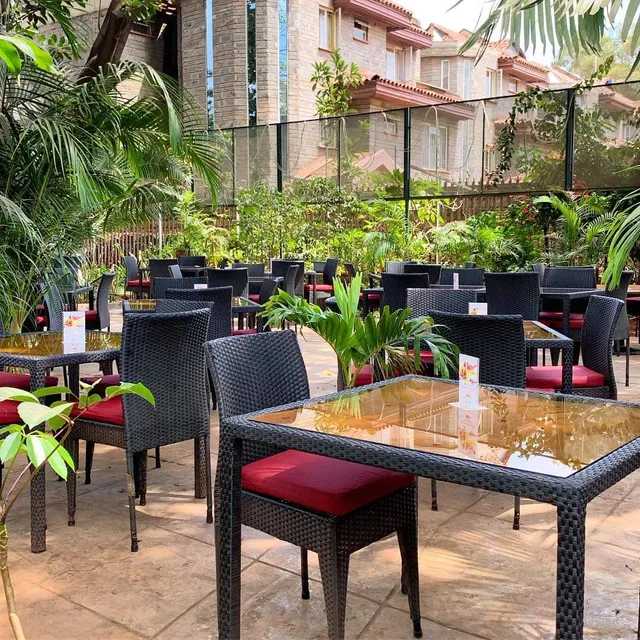
Tokyo Japanese Restaurant
4.8
(1.2K)
$$$
Open until 10:00 PM
Click for details
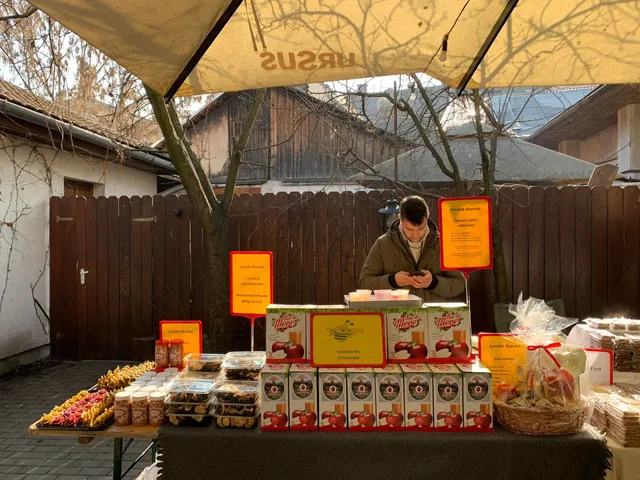
Café Bulgakov
4.6
(2.4K)
Open until 12:00 AM
Click for details
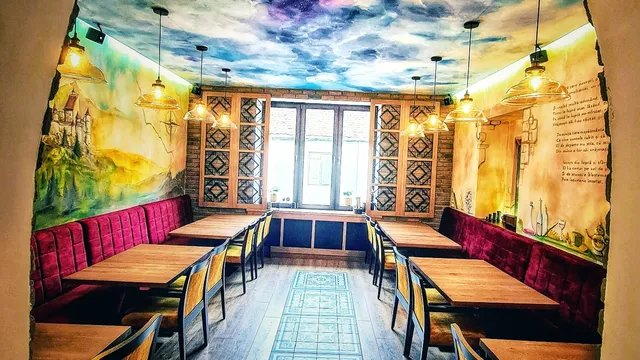
GARLIC - bites&tales
4.7
(1.8K)
Open until 11:00 PM
Click for details
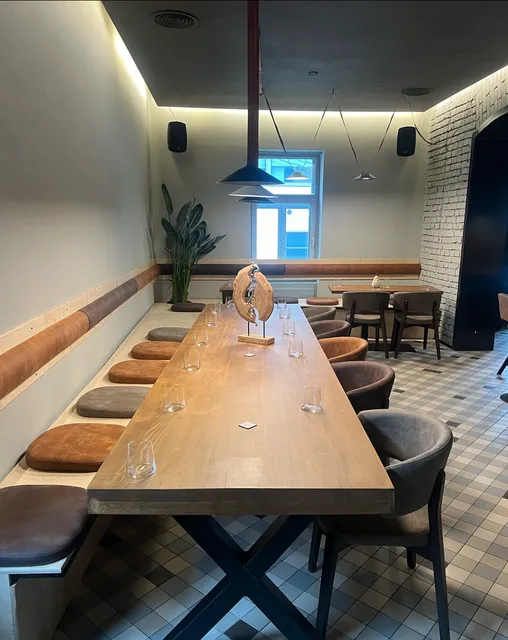
Makeba
4.6
(1.2K)
$$
Open until 12:00 AM
Click for details
Nearby local services of Alexandru Borza Botanical Garden
"Saint Michael" Cathedral
Tailors' Tower
Greek-Catholic Cathedral Face-to-face change
GG Sport
Salute per Aqua SPA
Museum of Pharmacy

"Saint Michael" Cathedral
4.8
(347)
Click for details
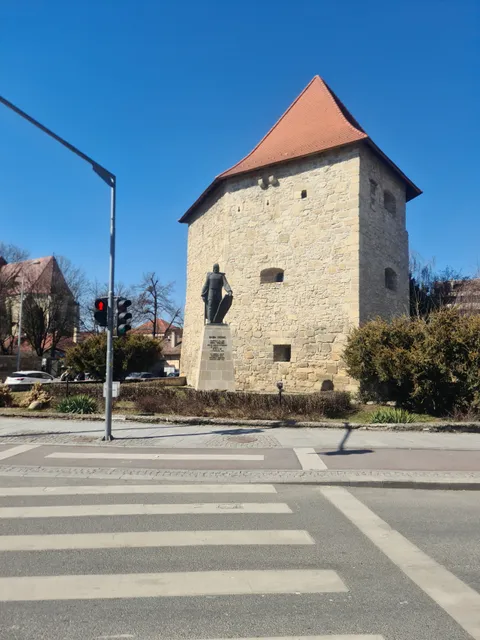
Tailors' Tower
4.5
(935)
Click for details
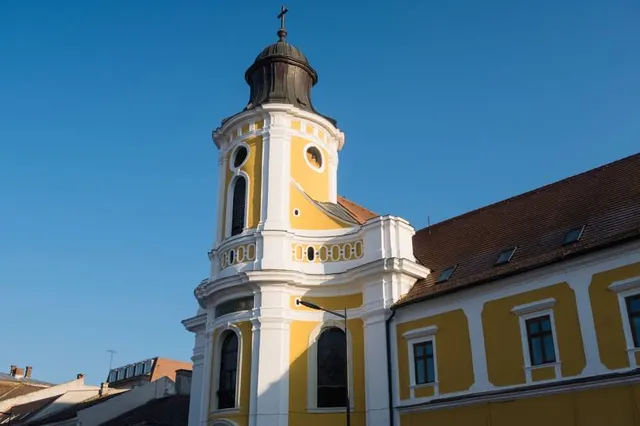
Greek-Catholic Cathedral Face-to-face change
4.8
(185)
Click for details
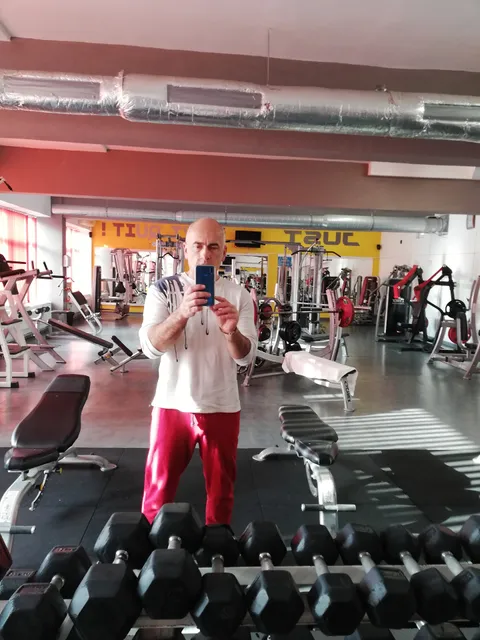
GG Sport
4.3
(139)
Click for details