Ethnographical Museum of Transylvania things to do, attractions, restaurants, events info and trip planning
Basic Info
Ethnographical Museum of Transylvania
Memorandumului Street 21, Cluj-Napoca 400114, Romania
4.5(686)
Open until 12:00 AM

tickets
Save
spot
spot
Ratings & Description
Info
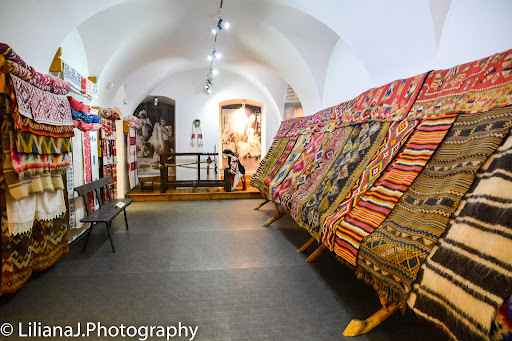
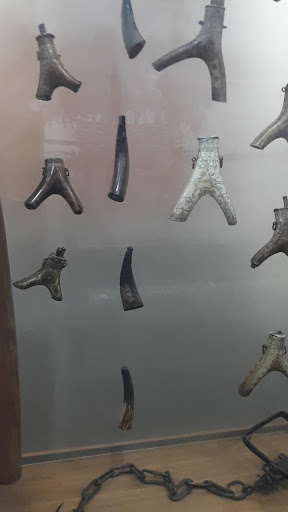
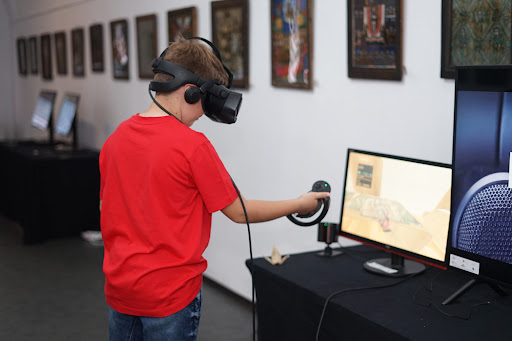
The Ethnographic Museum of Transylvania is situated in Cluj-Napoca, Romania. With a history of almost 100 years, the Ethnographic Museum of Transylvania is one of the first and greatest of its kind in Romania.
Cultural
Family friendly
Accessibility
attractions: Unirii Square, "Matthias Rex" Monument, Central Park Simion Bărnuțiu, Muzeon - Jewish History Museum, The National Museum of the History of Transylvania, The Art Museum, Biserica Romano-Catolică Sfânta Treime Cluj-Napoca (Piaristă), Steampunk Transylvania, Franciscan Temple, The Roman Catholic Parish House, restaurants: Mare Nera Seafood Restaurant, Tortelli Pasta Bar, Nuka Bistro, Bujole, Eggcetera, Café Bulgakov, Perfetto Cucina Italiana, Muura Steak House, Toulouse, GARLIC - bites&tales, local businesses: "Saint Michael" Cathedral, Salute per Aqua SPA, Museum of Pharmacy, Greek-Catholic Cathedral Face-to-face change, Koffer, Stay Fit Gym, Chains, Tailors' Tower, Bamboo Fitness & Spa
 Learn more insights from Wanderboat AI.
Phone
+40 783 005 146
Website
muzeul-etnografic.ro
Open hoursSee all hours
MonClosedOpen
Plan your stay

Pet-friendly Hotels in Cluj Metropolitan Area
Find a cozy hotel nearby and make it a full experience.

Affordable Hotels in Cluj Metropolitan Area
Find a cozy hotel nearby and make it a full experience.

The Coolest Hotels You Haven't Heard Of (Yet)
Find a cozy hotel nearby and make it a full experience.

Trending Stays Worth the Hype in Cluj Metropolitan Area
Find a cozy hotel nearby and make it a full experience.
Reviews
Live events

Candlelight: Coldplay & Imagine Dragons
Sat, Feb 28 • 6:00 PM
Piața Mihai Viteazu 11-13, Cluj-Napoca, 400151
View details
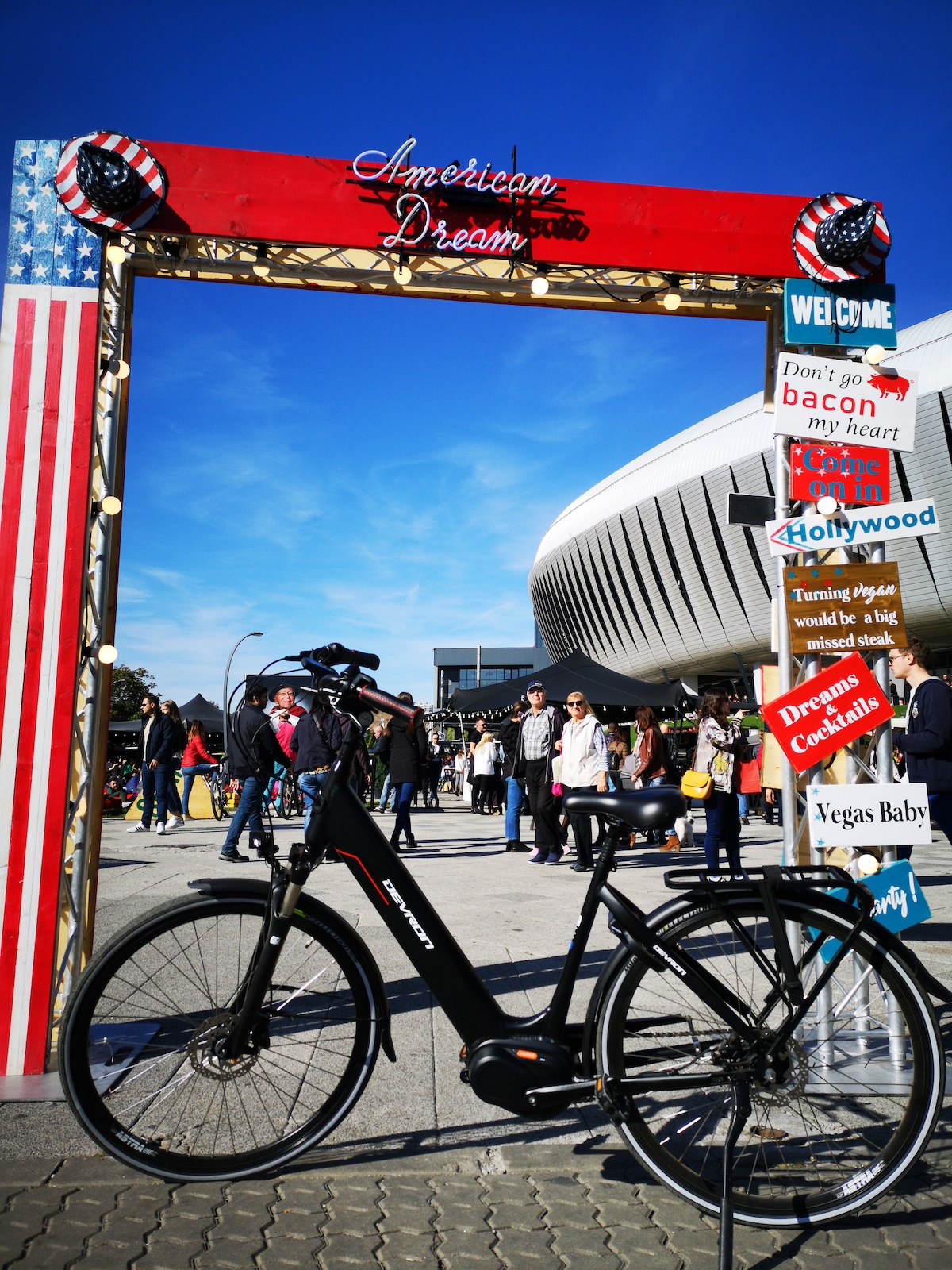
Explore Cluj by electric bike
Wed, Feb 25 • 12:00 PM
Cluj-Napoca, Cluj County, 400394, Romania
View details
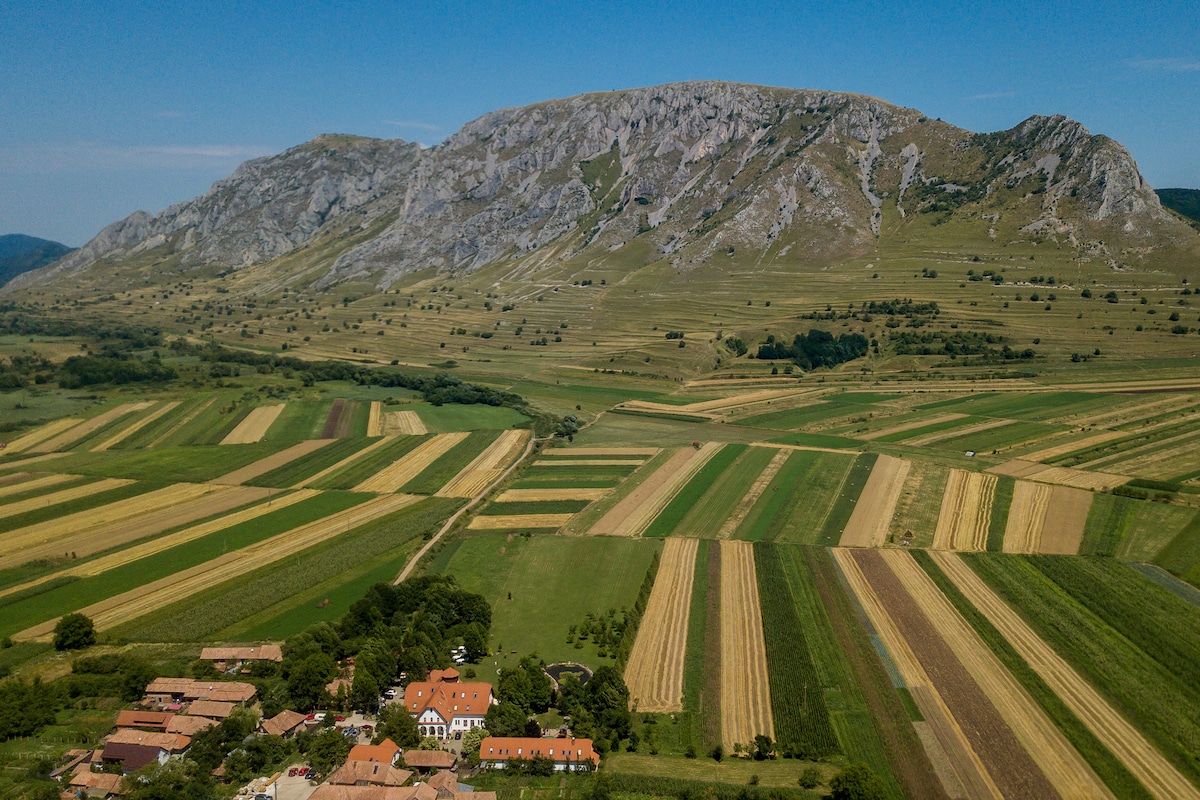
Hidden Transylvania: Rimetea & Secret Village Walk
Mon, Feb 23 • 2:00 PM
Cluj-Napoca, Cluj County, 400015, Romania
View details
Nearby attractions of Ethnographical Museum of Transylvania
Unirii Square
"Matthias Rex" Monument
Central Park Simion Bărnuțiu
Muzeon - Jewish History Museum
The National Museum of the History of Transylvania
The Art Museum
Biserica Romano-Catolică Sfânta Treime Cluj-Napoca (Piaristă)
Steampunk Transylvania
Franciscan Temple
The Roman Catholic Parish House
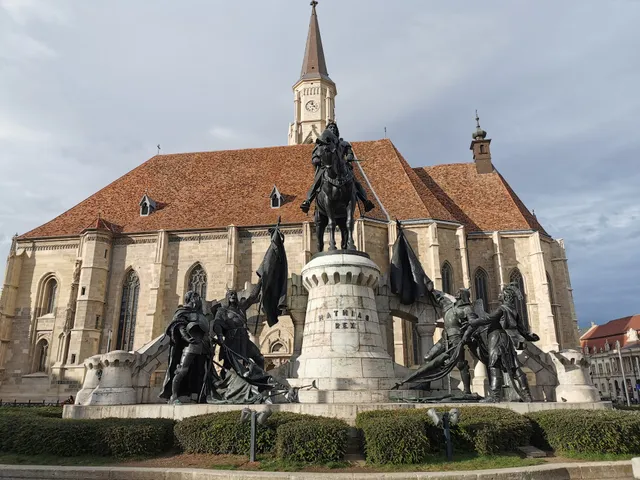
Unirii Square
4.7
(4.5K)
Open until 12:00 AM
Click for details
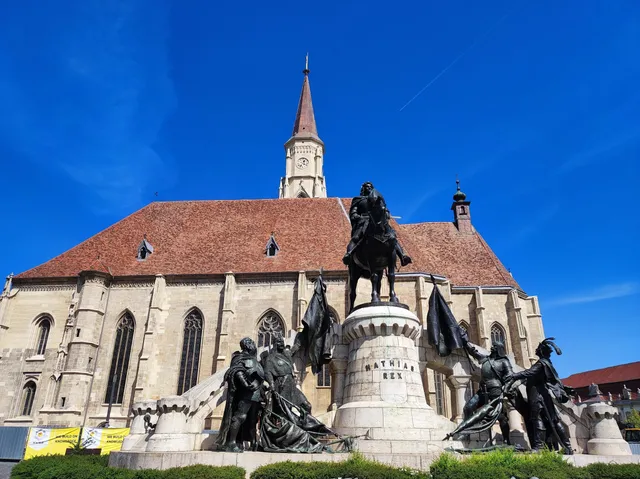
"Matthias Rex" Monument
4.7
(1.6K)
Open until 12:00 AM
Click for details
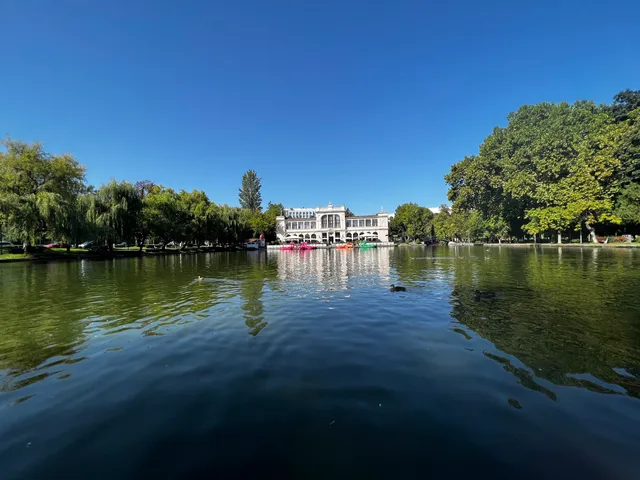
Central Park Simion Bărnuțiu
4.7
(8.7K)
Open until 12:00 AM
Click for details

Muzeon - Jewish History Museum
4.9
(378)
Open until 12:00 AM
Click for details
Nearby restaurants of Ethnographical Museum of Transylvania
Mare Nera Seafood Restaurant
Tortelli Pasta Bar
Nuka Bistro
Bujole
Eggcetera
Café Bulgakov
Perfetto Cucina Italiana
Muura Steak House
Toulouse
GARLIC - bites&tales

Mare Nera Seafood Restaurant
4.8
(642)
Open until 10:00 PM
Click for details
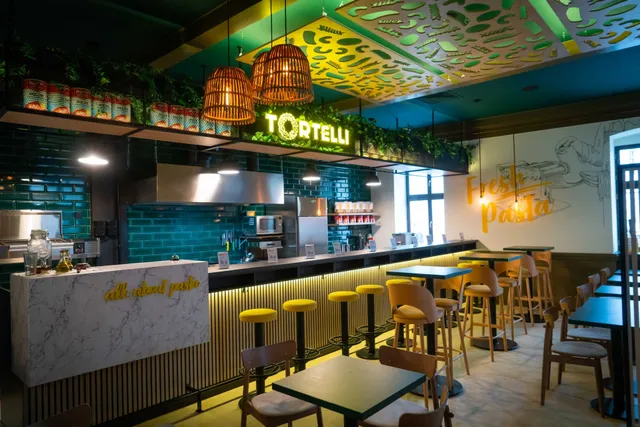
Tortelli Pasta Bar
4.8
(1.8K)
Open until 10:00 PM
Click for details
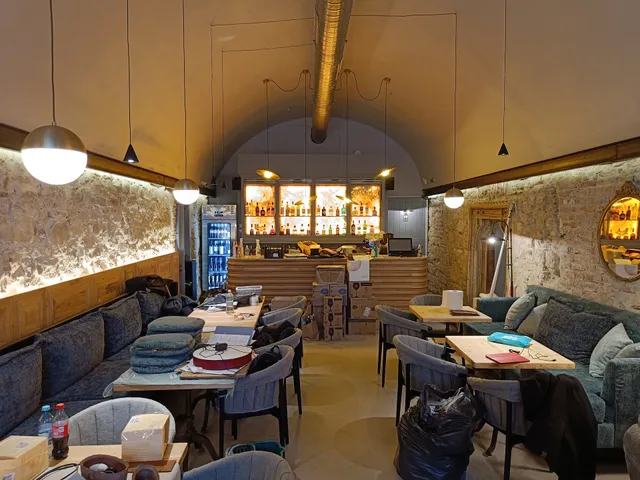
Nuka Bistro
4.4
(1.1K)
$$
Open until 11:00 PM
Click for details
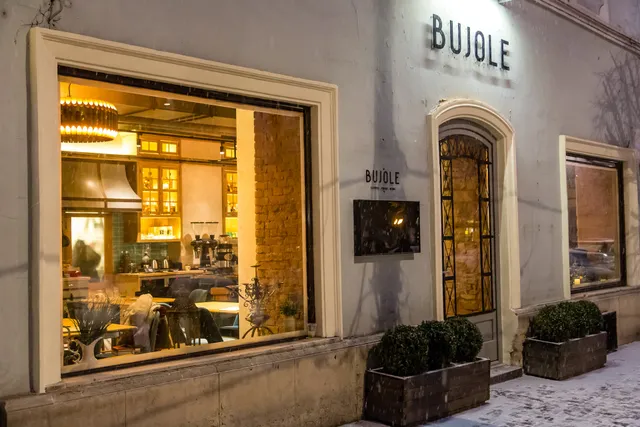
Bujole
4.5
(1.1K)
$$
Open until 11:00 PM
Click for details
Nearby local services of Ethnographical Museum of Transylvania
"Saint Michael" Cathedral
Salute per Aqua SPA
Museum of Pharmacy
Greek-Catholic Cathedral Face-to-face change
Koffer
Stay Fit Gym
Chains
Tailors' Tower
Bamboo Fitness & Spa

"Saint Michael" Cathedral
4.8
(353)
Click for details
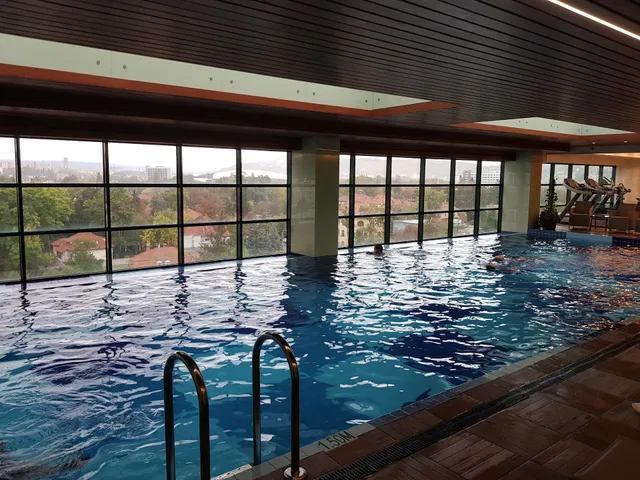
Salute per Aqua SPA
4.5
(49)
Click for details
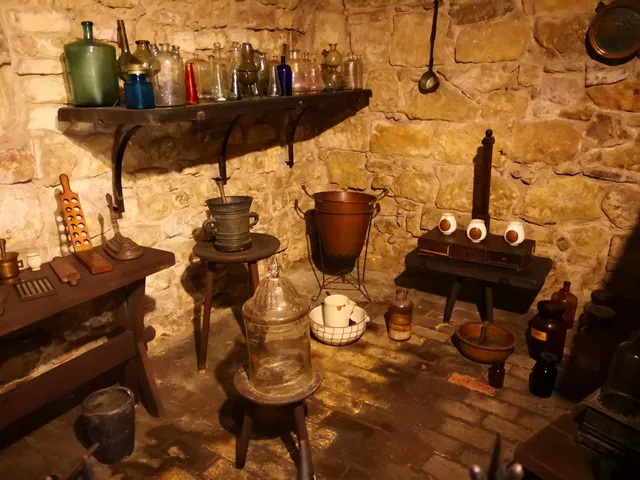
Museum of Pharmacy
4.4
(91)
Click for details
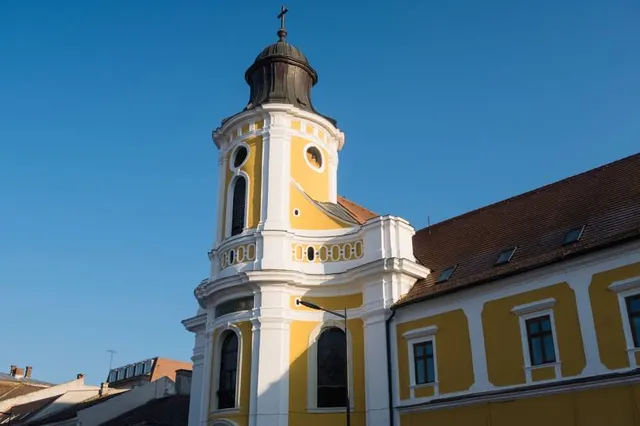
Greek-Catholic Cathedral Face-to-face change
4.8
(185)
Click for details