Karageorge od Serbia Monument things to do, attractions, restaurants, events info and trip planning
Basic Info
Karageorge od Serbia Monument
Nebojšina, Beograd, Serbia
4.8(116)
Open 24 hours
Save
spot
spot
Ratings & Description
Info
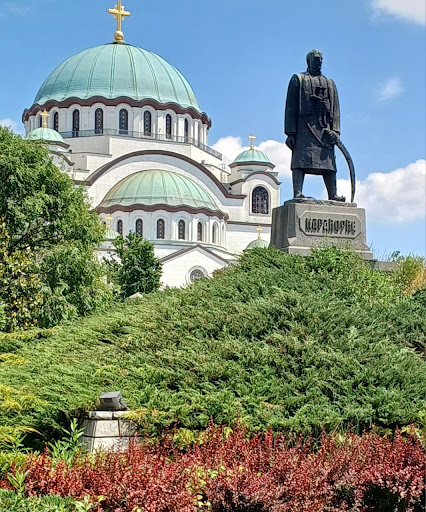
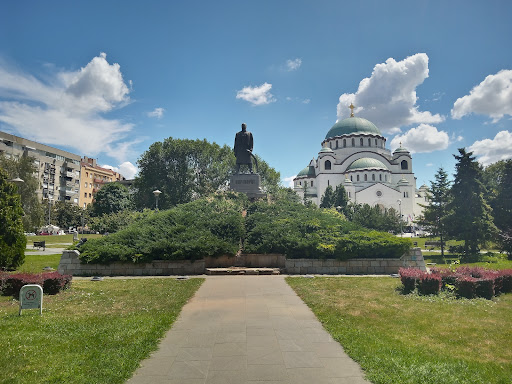
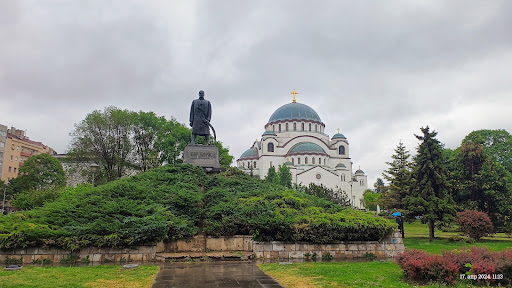
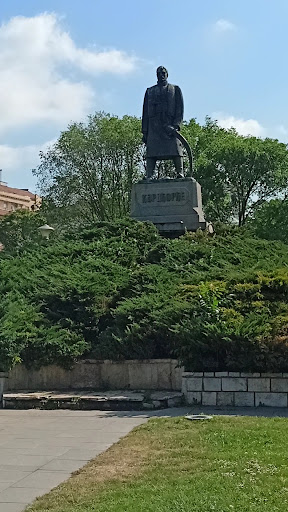
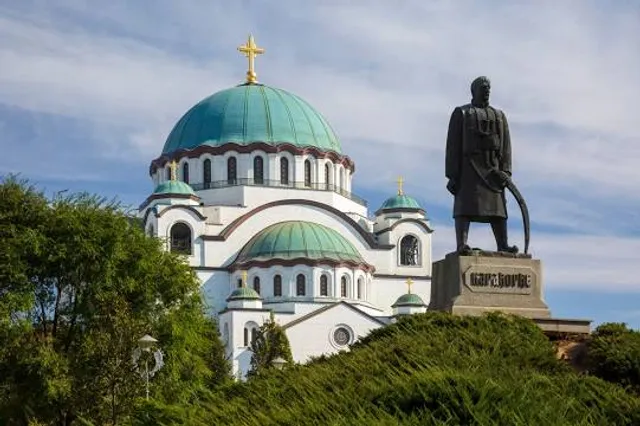
Karađorđe Monument is either of two monuments in Belgrade, the capital of Serbia. The older one was built in 1913 in the Greater Kalemegdan section of the Belgrade Fortress and demolished by the occupying Austro-Hungarian forces in 1916 during World War I.
Cultural
Scenic
Family friendly
Accessibility
attractions: Sveti Sava Park, The Temple of Saint Sava, Slavija Theater, Karađorđev park, Nikola Tesla Museum, Manjež, NHMBEO Offices Belgrade, Yugoslav Drama Theatre, Flower Square, Belgrade City Museum, restaurants: Marenda Restoran Vračar, Gilda Restaurant, The View Rooftop, Nomad Bar & Bistro, McDonald's Slavija, Walter Savski Venac, Restoran mala Slavija, Le Petit Bistro Vracar, Za Druga Restaurant, Single Origin, local businesses: Travel Boutique, Kalenić Green Market, Fitness centar FITWELL GYM, None Shop Concept Store, Robna Kuća Panda, China Panda, ZONE Private Health Club, sorelle fashion beograd
 Learn more insights from Wanderboat AI.
Website
beogradskonasledje.rs
Plan your stay

Pet-friendly Hotels in City of Belgrade
Find a cozy hotel nearby and make it a full experience.

Affordable Hotels in City of Belgrade
Find a cozy hotel nearby and make it a full experience.

The Coolest Hotels You Haven't Heard Of (Yet)
Find a cozy hotel nearby and make it a full experience.

Trending Stays Worth the Hype in City of Belgrade
Find a cozy hotel nearby and make it a full experience.
Reviews
Live events
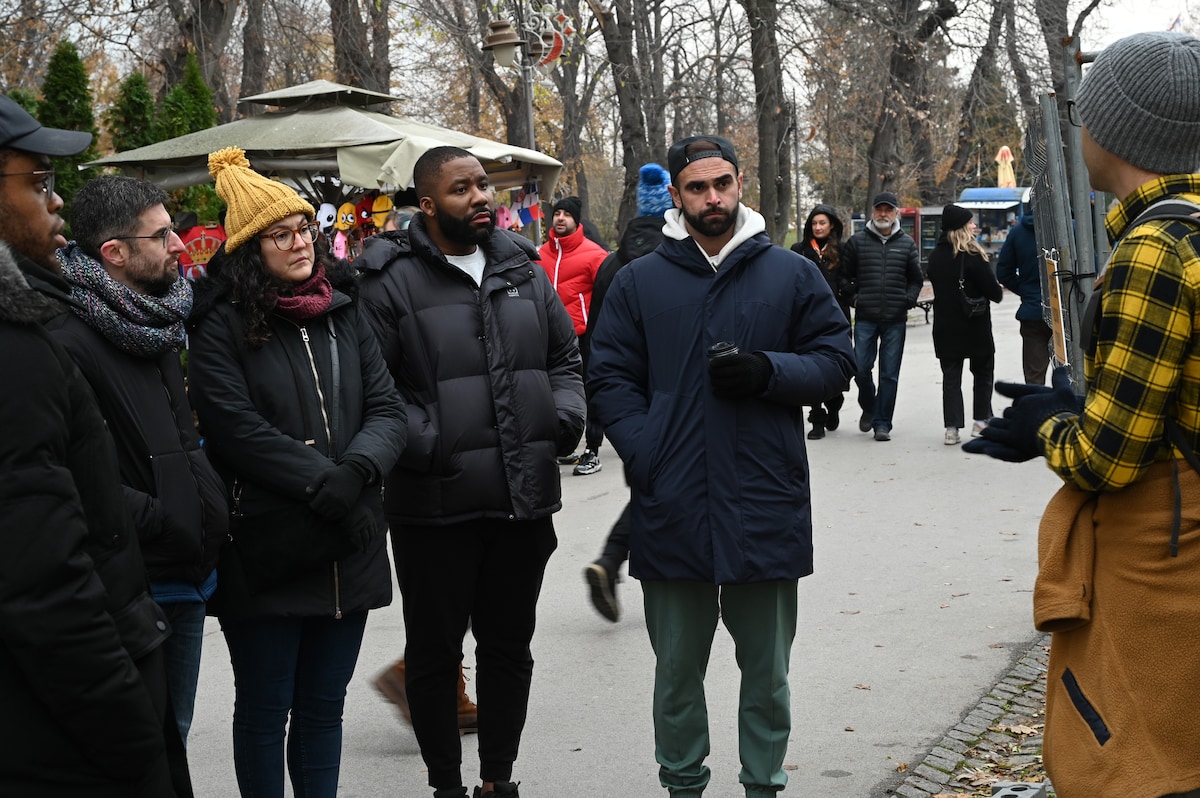
Explore Belgrades past and culture with a guide
Wed, Jan 14 • 1:30 PM
Belgrade, RS 11102, Serbia
View details
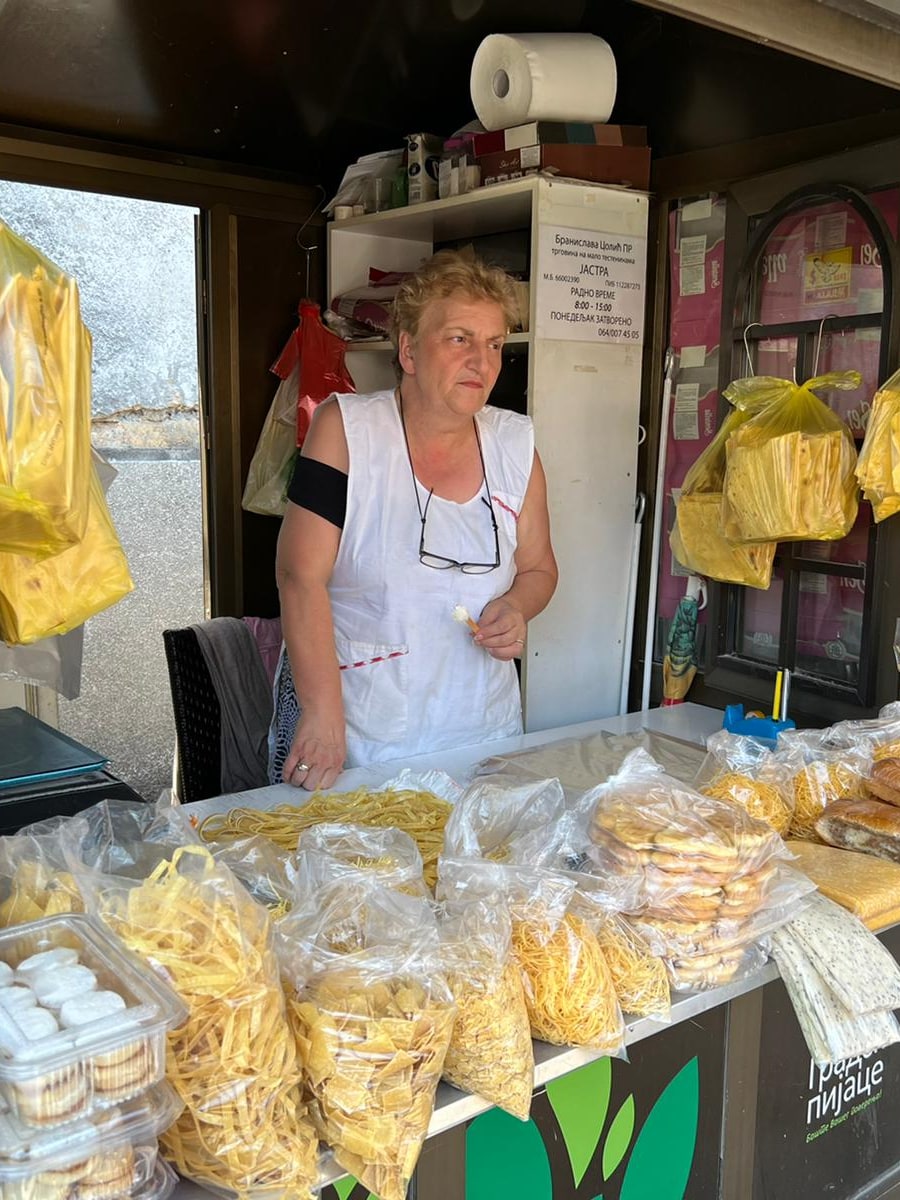
Belgrade Street Food and drinks, Eat like a local
Tue, Jan 13 • 11:00 AM
Belgrade, RS 11000, Serbia
View details
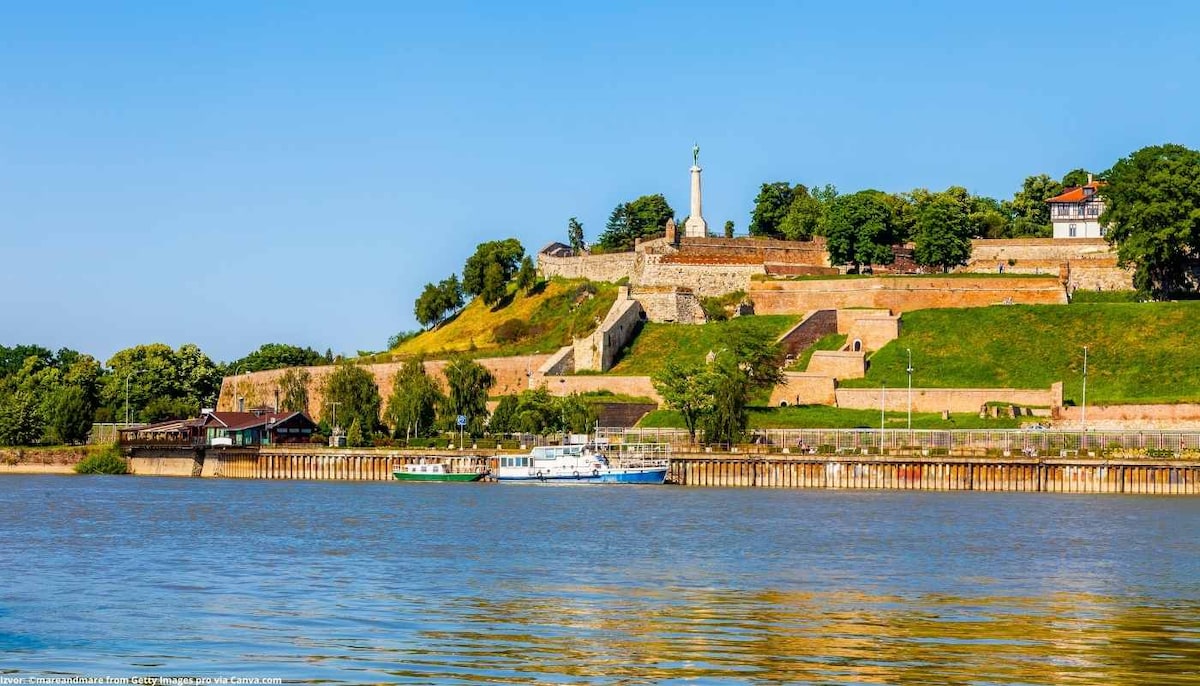
Explore Kalemegdan Fortress
Tue, Jan 13 • 10:00 AM
Belgrade, 11000, Serbia
View details
Nearby attractions of Karageorge od Serbia Monument
Sveti Sava Park
The Temple of Saint Sava
Slavija Theater
Karađorđev park
Nikola Tesla Museum
Manjež
NHMBEO Offices Belgrade
Yugoslav Drama Theatre
Flower Square
Belgrade City Museum
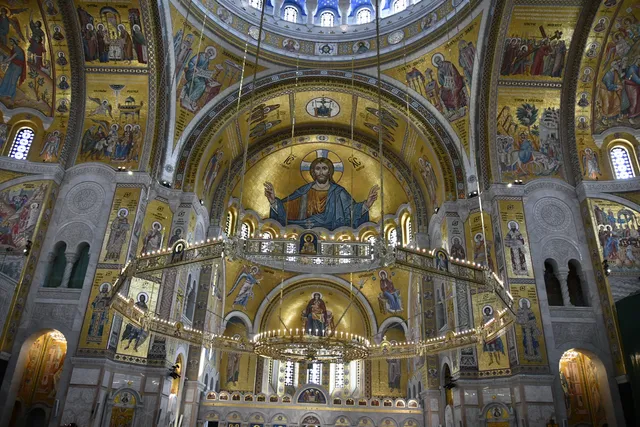
Sveti Sava Park
4.8
(15.7K)
Closed
Click for details
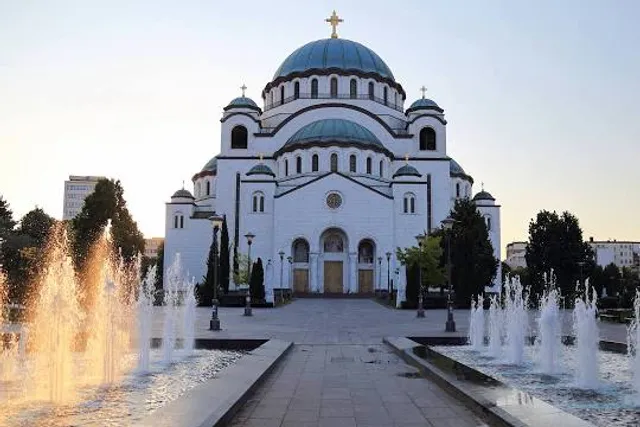
The Temple of Saint Sava
4.9
(14.6K)
Closed
Click for details
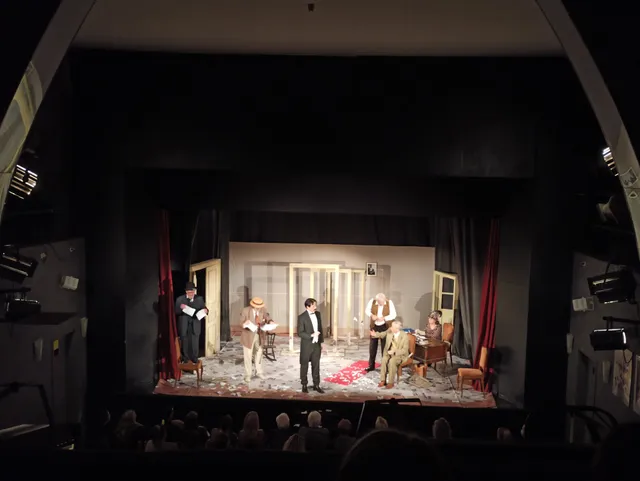
Slavija Theater
4.5
(1.6K)
Open 24 hours
Click for details
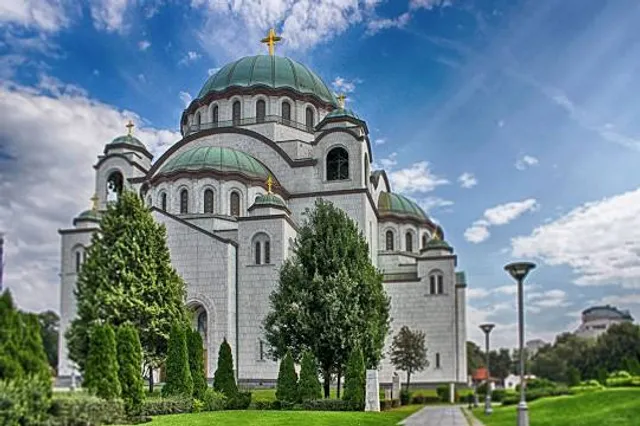
Karađorđev park
4.6
(1.6K)
Open until 12:00 AM
Click for details
Nearby restaurants of Karageorge od Serbia Monument
Marenda Restoran Vračar
Gilda Restaurant
The View Rooftop
Nomad Bar & Bistro
McDonald's Slavija
Walter Savski Venac
Restoran mala Slavija
Le Petit Bistro Vracar
Za Druga Restaurant
Single Origin
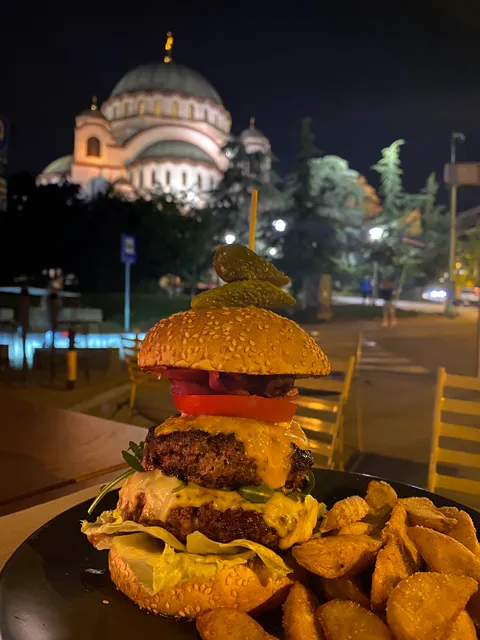
Marenda Restoran Vračar
4.5
(862)
$$
Closed
Click for details
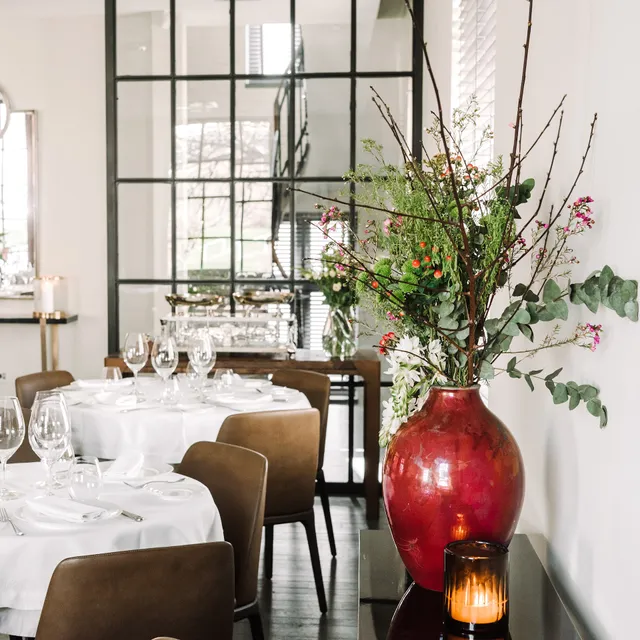
Gilda Restaurant
4.5
(184)
Closed
Click for details
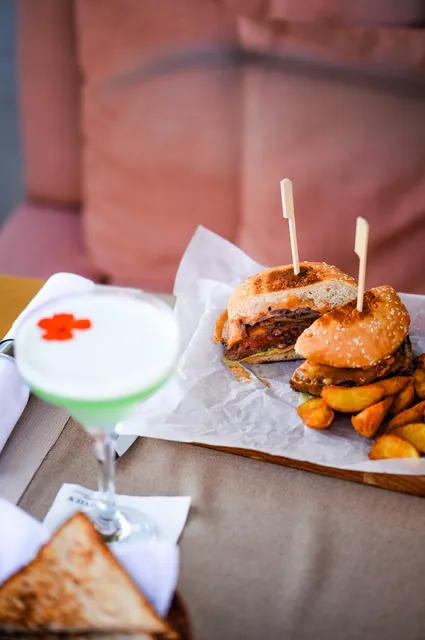
The View Rooftop
4.7
(434)
$$
Click for details
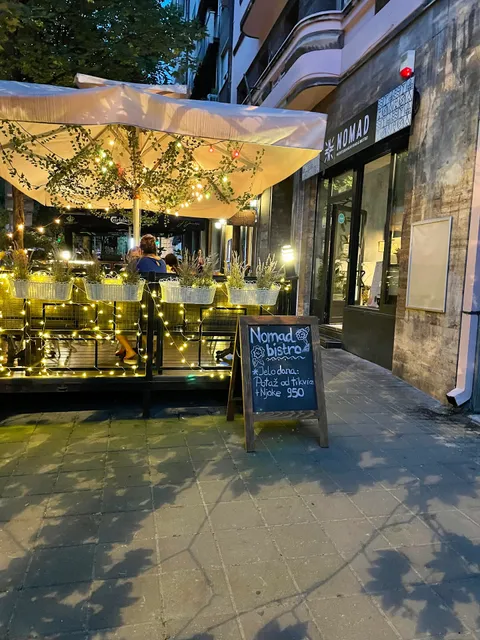
Nomad Bar & Bistro
4.7
(164)
Closed
Click for details
Nearby local services of Karageorge od Serbia Monument
Travel Boutique
Kalenić Green Market
Fitness centar FITWELL GYM
None Shop Concept Store
Robna Kuća Panda
China Panda
ZONE Private Health Club
sorelle fashion beograd
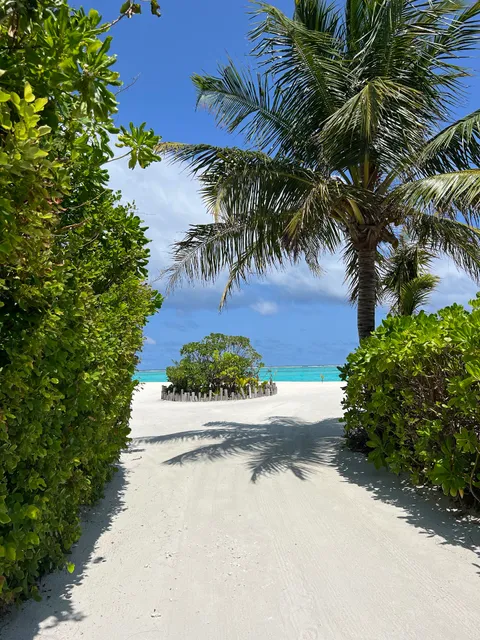
Travel Boutique
4.8
(160)
Click for details
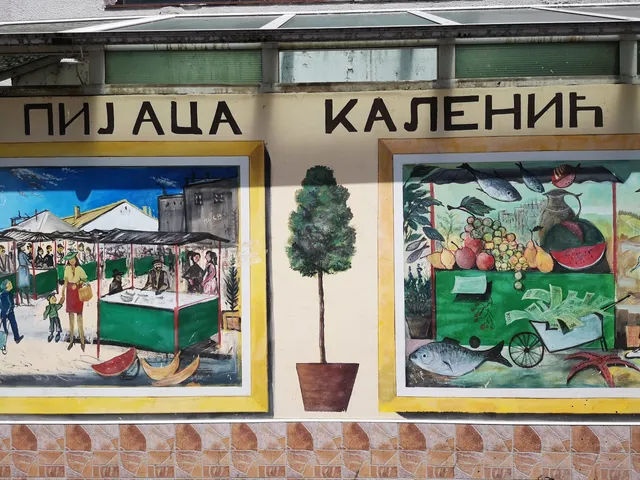
Kalenić Green Market
4.4
(4.6K)
Click for details
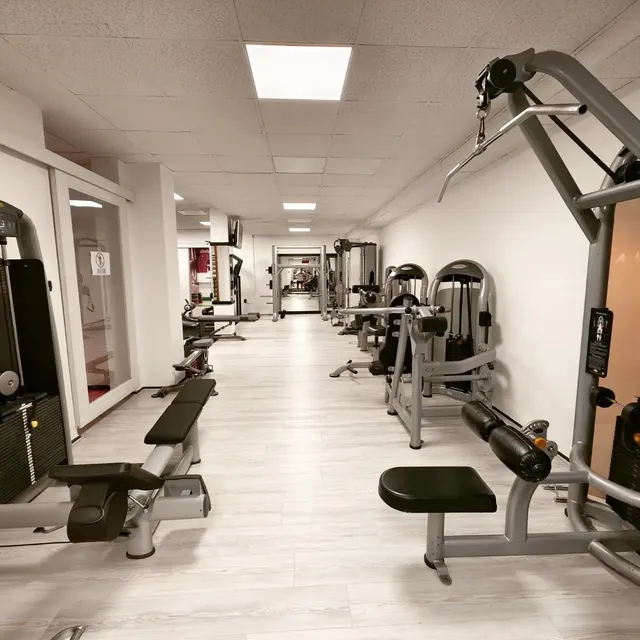
Fitness centar FITWELL GYM
4.7
(50)
Click for details

None Shop Concept Store
2.5
(22)
Click for details