The Blue Church - Church of St. Elizabeth things to do, attractions, restaurants, events info and trip planning
Basic Info
The Blue Church - Church of St. Elizabeth
Bezručova 2, 811 09 Bratislava, Slovakia
4.6(4.8K)
Closed
Save
spot
spot
Ratings & Description
Info
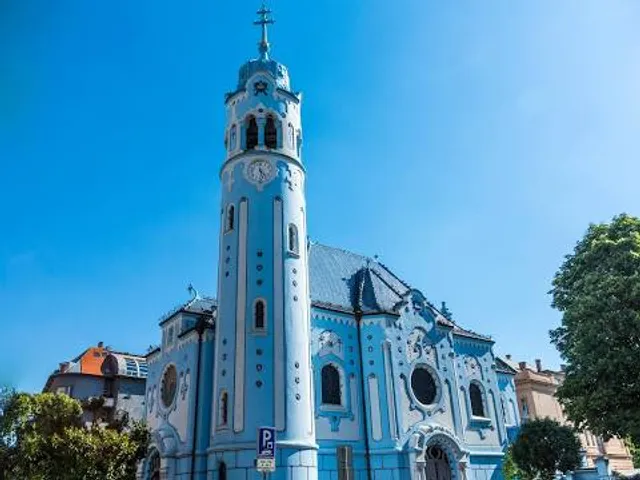
The Church of St. Elizabeth, commonly known as Blue Church, is a Hungarian-Secessionist Catholic church located in the eastern part of the Old Town in Bratislava, present-day Slovakia. It is consecrated to Elisabeth of Hungary, daughter of Andrew II, who grew up in the Pressburg Castle.
Cultural
Accessibility
attractions: The Duck's Fountain, Gábor Baross’s Park, SNM-Natural History Museum, Slovak National Theatre, Gallery Nedbalka, Čumil, Slovak Union of Visual Arts - Gallery Umelka, Primacial Palace, Beer Bike Bratislava, Old Bridge, restaurants: SOHO - Bistro and Coffee, Vinotéka pri Modrom kostolíku, U Zlatého Bažanta, Pizzeria Sole Mio, Bratislavský Meštiansky Pivovar, KC Dunaj, JUMP STREET Burger & Bar, VEGAN KIOSK, THeMA, Artelier - art & cafe, Bratislava, local businesses: Eurovea, Steinplatz Bar, Námestie SNP 484/25, ELITE BARBER - Bratislava - Dunajská 34, Fajnorovo nábrežie 51/2, Potraviny Malina, Casa del Caffé, Výčap na Medenej, Sky Park Bratislava, Hviezdoslavovo námestie
 Learn more insights from Wanderboat AI.
Website
modrykostol.fara.sk
Open hoursSee all hours
Fri5:30 - 7 p.m.Closed
Plan your stay

Pet-friendly Hotels in Bratislava
Find a cozy hotel nearby and make it a full experience.

Affordable Hotels in Bratislava
Find a cozy hotel nearby and make it a full experience.

The Coolest Hotels You Haven't Heard Of (Yet)
Find a cozy hotel nearby and make it a full experience.

Trending Stays Worth the Hype in Bratislava
Find a cozy hotel nearby and make it a full experience.
Reviews
Live events
Explore Bratislava with unique bonuses
Fri, Feb 20 • 10:30 AM
811 03, Bratislava, Slovakia
View details

Highlights of Bratislavas Old Town with Castle
Fri, Feb 20 • 9:30 AM
811 01, Bratislava, Slovakia
View details

Taste the wines of Bratislava
Sat, Feb 21 • 4:30 PM
811 02, Bratislava, Slovakia
View details
Nearby attractions of The Blue Church - Church of St. Elizabeth
The Duck's Fountain
Gábor Baross’s Park
SNM-Natural History Museum
Slovak National Theatre
Gallery Nedbalka
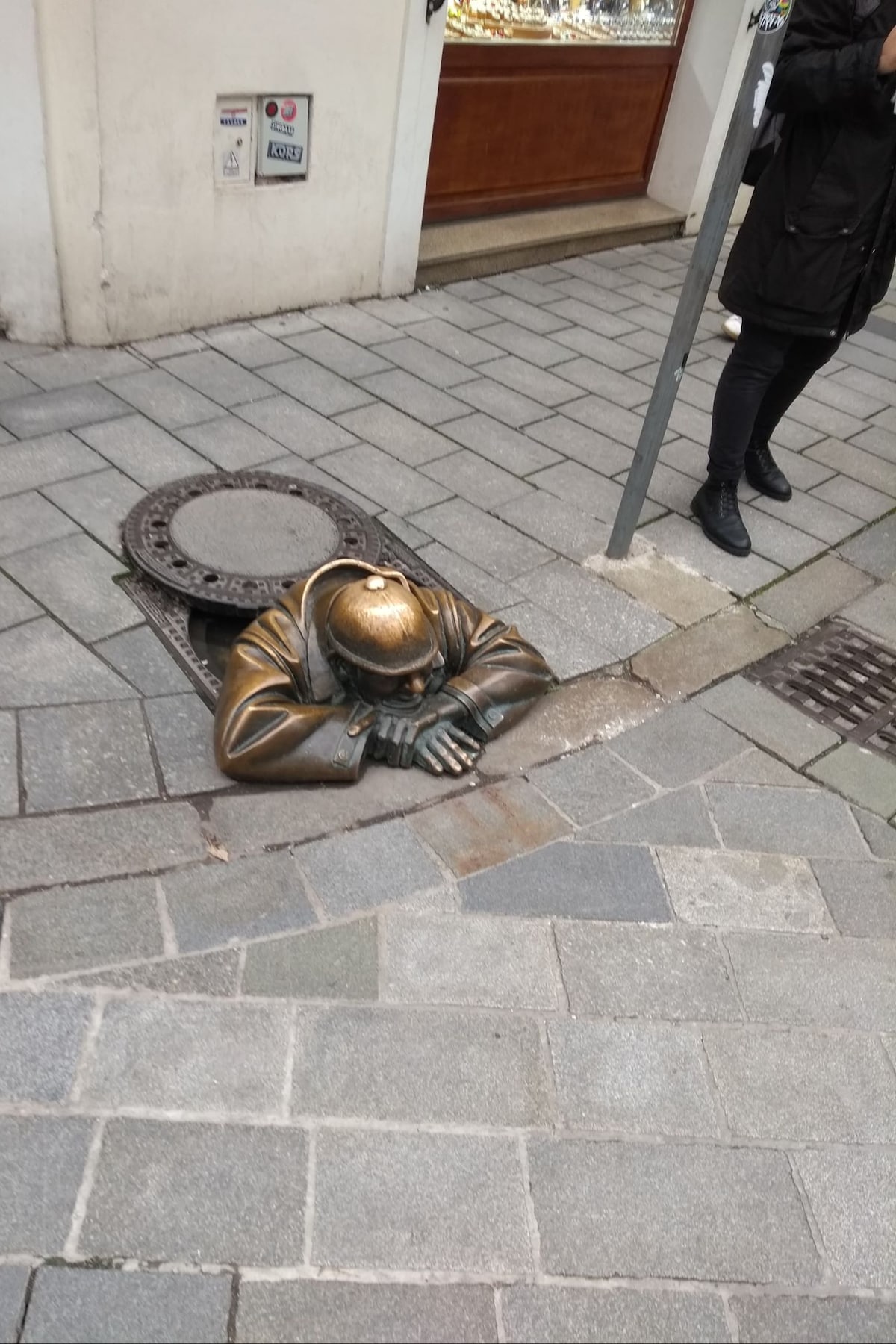
Čumil
Slovak Union of Visual Arts - Gallery Umelka
Primacial Palace
Beer Bike Bratislava
Old Bridge
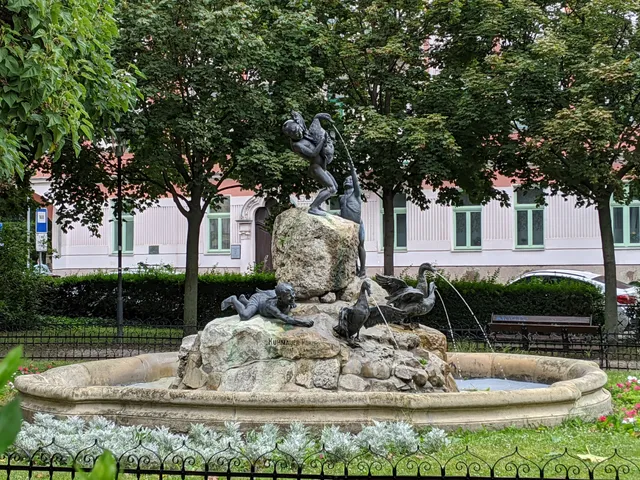
The Duck's Fountain
4.5
(227)
Open until 12:00 AM
Click for details
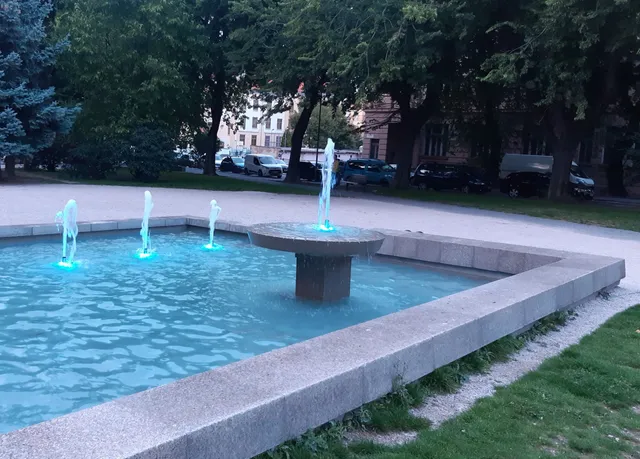
Gábor Baross’s Park
4.5
(48)
Open until 12:00 AM
Click for details
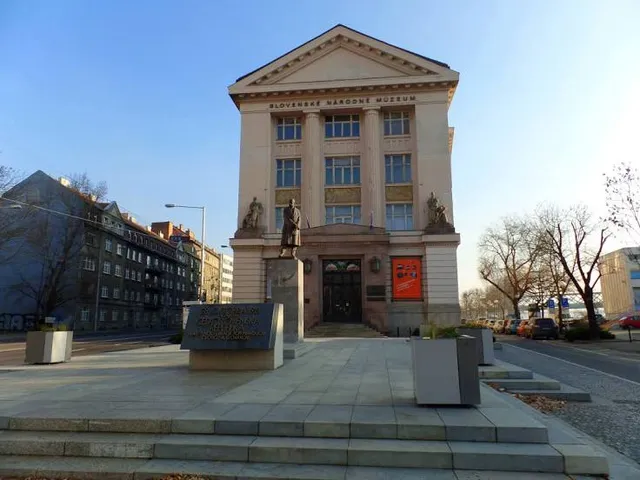
SNM-Natural History Museum
4.4
(1.1K)
Closed
Click for details
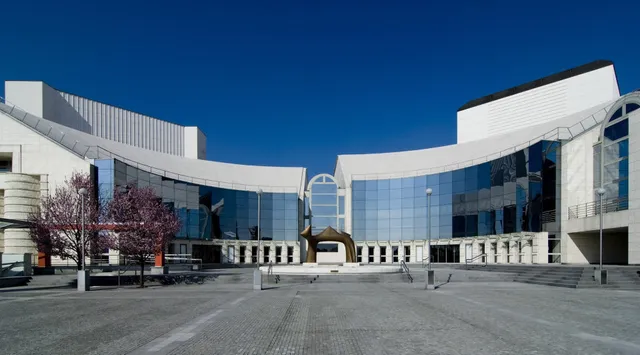
Slovak National Theatre
4.7
(2.3K)
Open 24 hours
Click for details
Nearby restaurants of The Blue Church - Church of St. Elizabeth
SOHO - Bistro and Coffee
Vinotéka pri Modrom kostolíku
U Zlatého Bažanta
Pizzeria Sole Mio
Bratislavský Meštiansky Pivovar
KC Dunaj
JUMP STREET Burger & Bar
VEGAN KIOSK
THeMA
Artelier - art & cafe, Bratislava
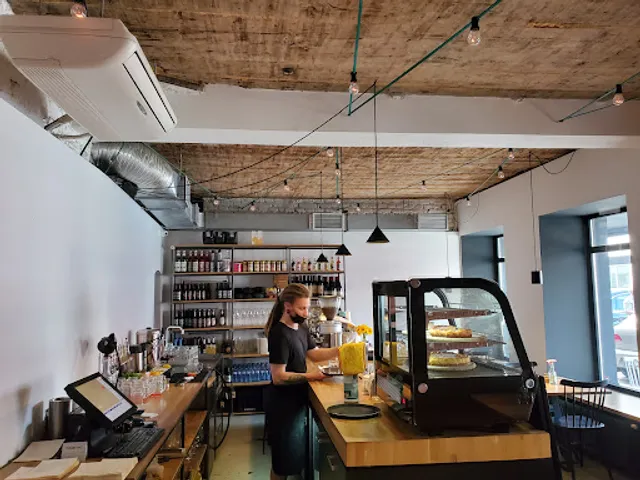
SOHO - Bistro and Coffee
4.7
(624)
Closed
Click for details
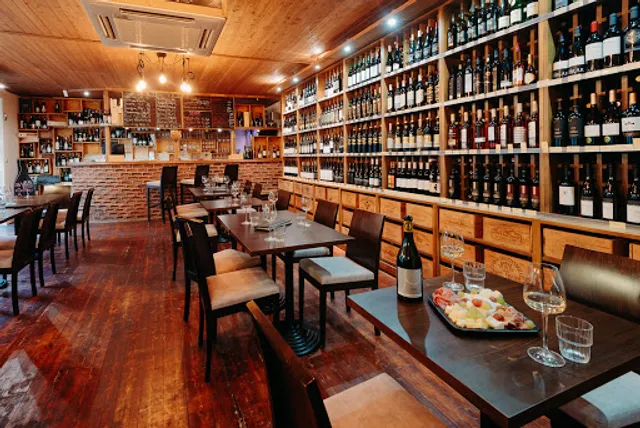
Vinotéka pri Modrom kostolíku
4.8
(190)
$$
Closed
Click for details
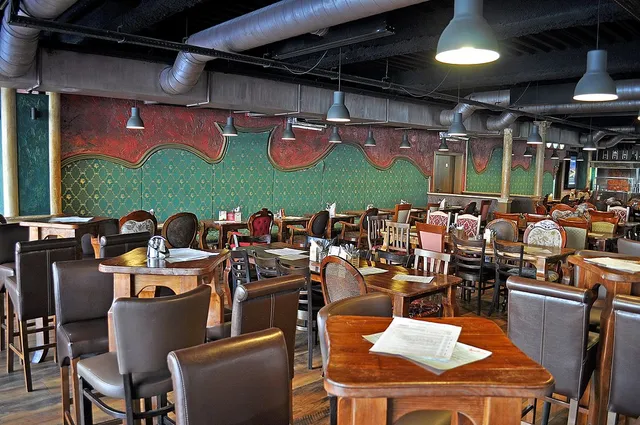
U Zlatého Bažanta
3.9
(1.9K)
Closed
Click for details
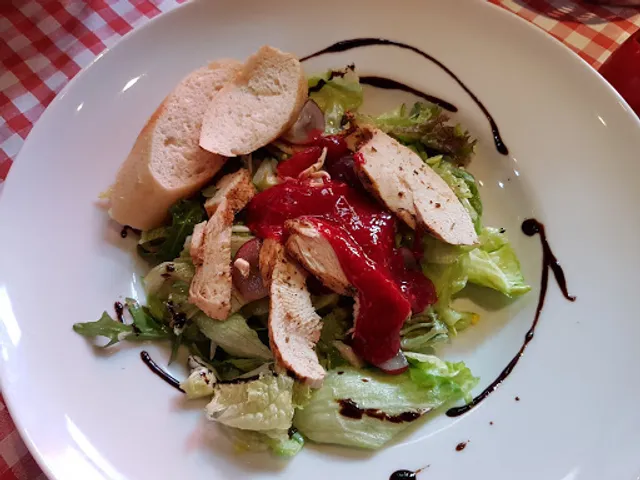
Pizzeria Sole Mio
4.2
(433)
Closed
Click for details
Nearby local services of The Blue Church - Church of St. Elizabeth
Eurovea
Steinplatz Bar
Námestie SNP 484/25
ELITE BARBER - Bratislava - Dunajská 34
Fajnorovo nábrežie 51/2
Potraviny Malina
Casa del Caffé
Výčap na Medenej
Sky Park Bratislava
Hviezdoslavovo námestie
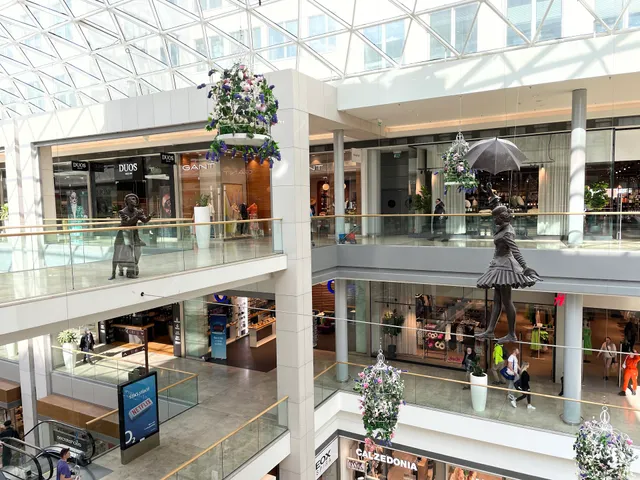
Eurovea
4.5
(10.1K)
Click for details
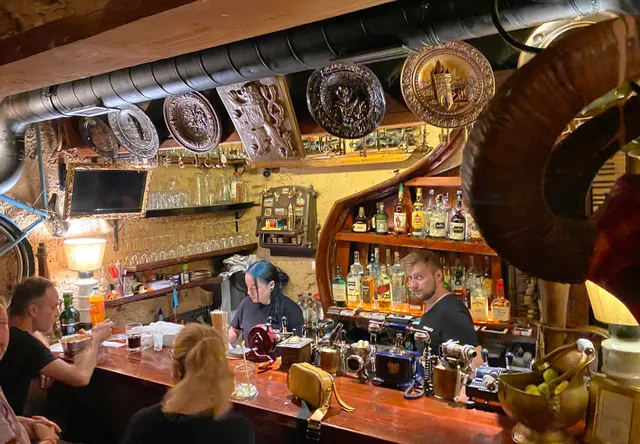
Steinplatz Bar
4.5
(676)
Click for details
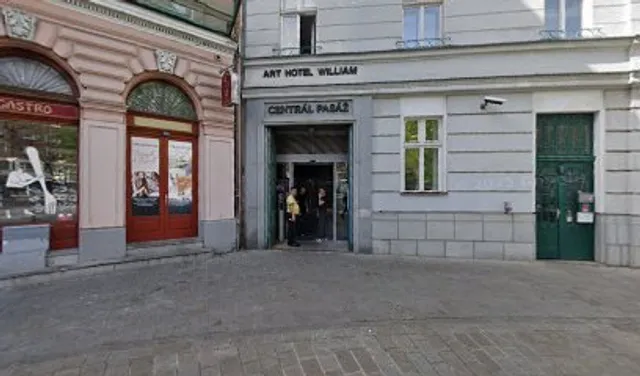
Námestie SNP 484/25
4.6
(1.4K)
Click for details
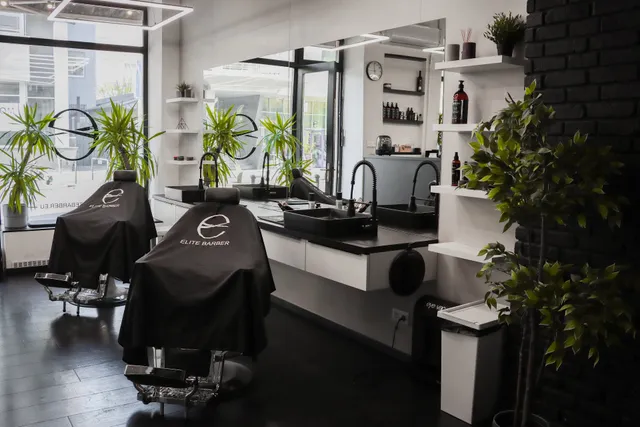
ELITE BARBER - Bratislava - Dunajská 34
4.9
(66)
Click for details