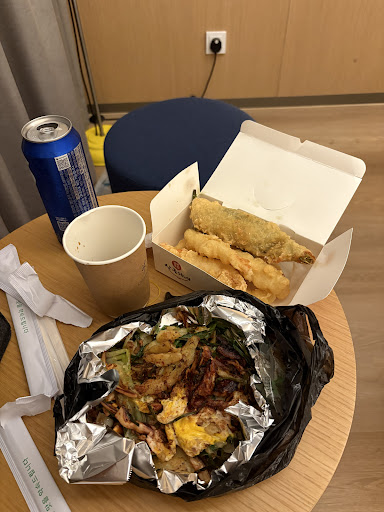
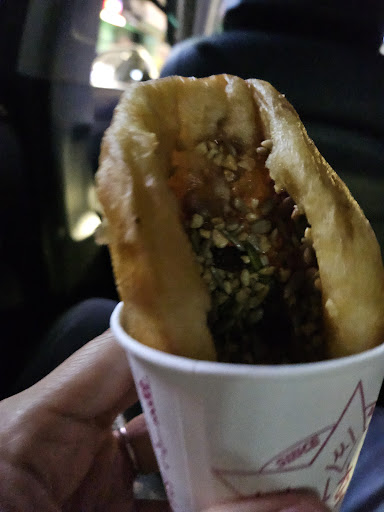
Haeundae Traditional Market things to do, attractions, restaurants, events info and trip planning
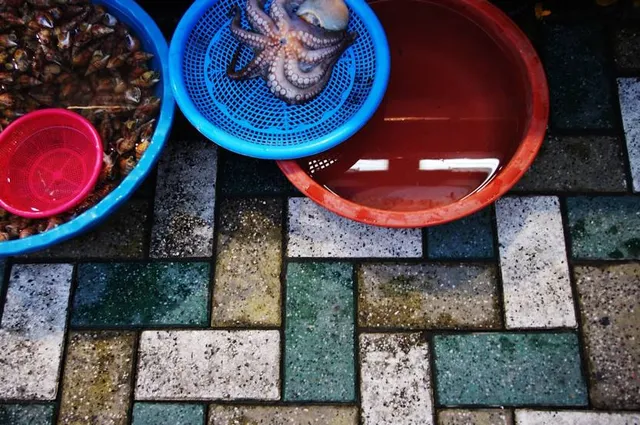
Basic Info
Haeundae Traditional Market
22-1 Gunam-ro 41beon-gil, Haeundae-gu, Busan, South Korea
4.2(1.5K)
Open until 10:00 PM
Save
spot
spot
Ratings & Description
Info
Cultural
Entertainment
Family friendly
attractions: SEALIFE Busan Aquarium, Haeundae Beach, Casino Paradise Busan, Haeundae Beach, 파라다이스 호텔 스파 씨메르, Radium Art Center, Gallery Mare, 솔밭예술마을, Club D Oasis, BUSAN X the SKY, restaurants: Sangguginae, Hi asia Pakistani & Indian halal restaurant 펀자브, Miryang Sundae Dwaeji-Gukbap - Haeundae Branch, Hi asia Indonesian restaurant, 혜자네 산곰장어 본점, OPS Haeundae, Namaste Haeundae, OUTBACK Steakhouse Haeundae, ROYAL INDIA HAEUNDAE, Bongjane Silbi Jib, local businesses: Haeundae Traditional Market, Gana Art Gallery, CLUB D OASIS
 Learn more insights from Wanderboat AI.
Phone
+82 51-746-3001
Website
facebook.com
Open hoursSee all hours
Mon9 AM - 10 PMOpen
Plan your stay

Pet-friendly Hotels in Busan
Find a cozy hotel nearby and make it a full experience.

Affordable Hotels in Busan
Find a cozy hotel nearby and make it a full experience.

The Coolest Hotels You Haven't Heard Of (Yet)
Find a cozy hotel nearby and make it a full experience.

Trending Stays Worth the Hype in Busan
Find a cozy hotel nearby and make it a full experience.
Reviews
Live events
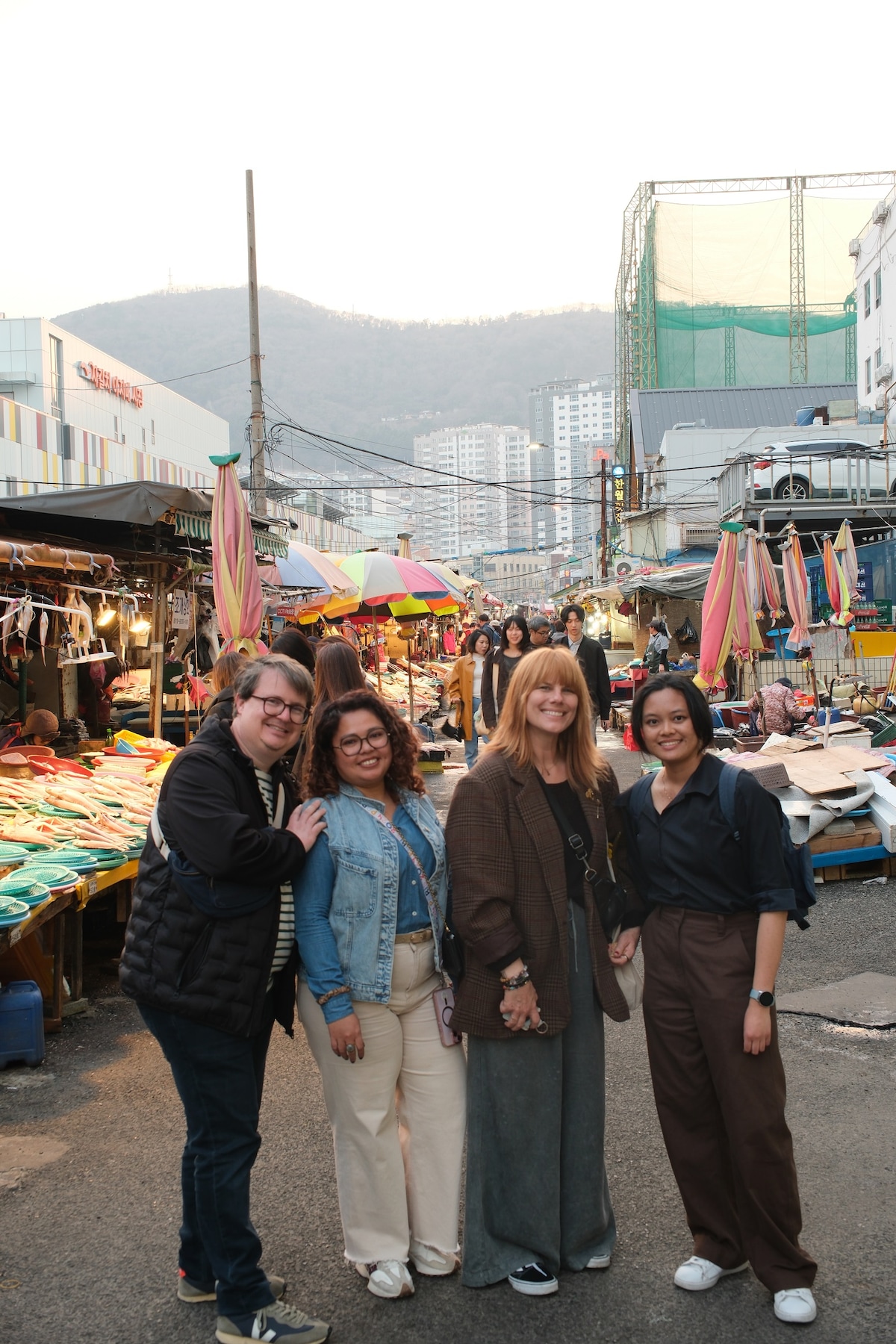
Real Busan Local Experience
Wed, Feb 25 • 11:00 AM
Busan, Jung-gu, 48944, South Korea
View details
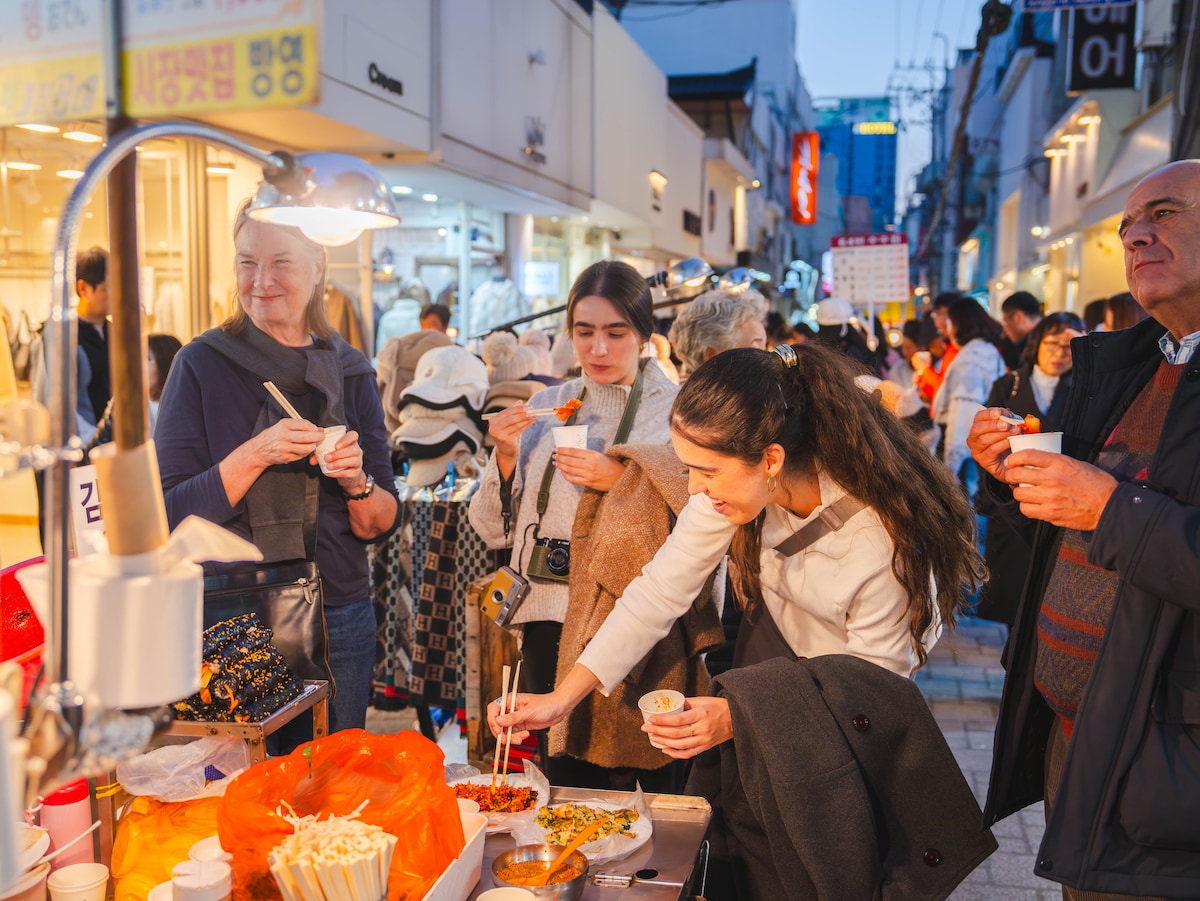
Busan Market Food Tour with Local Storytelling
Tue, Feb 24 • 3:30 AM
Busan, Seoul, 48984, South Korea
View details

Discover Busan by Night – Lights, Stories & Photos
Tue, Feb 24 • 6:30 PM
Busan, Seoul, South Korea
View details
Nearby attractions of Haeundae Traditional Market
SEALIFE Busan Aquarium
Haeundae Beach
Casino Paradise Busan
Haeundae Beach
파라다이스 호텔 스파 씨메르
Radium Art Center
Gallery Mare
솔밭예술마을
Club D Oasis
BUSAN X the SKY

SEALIFE Busan Aquarium
4.2
(4K)
Closed
Click for details
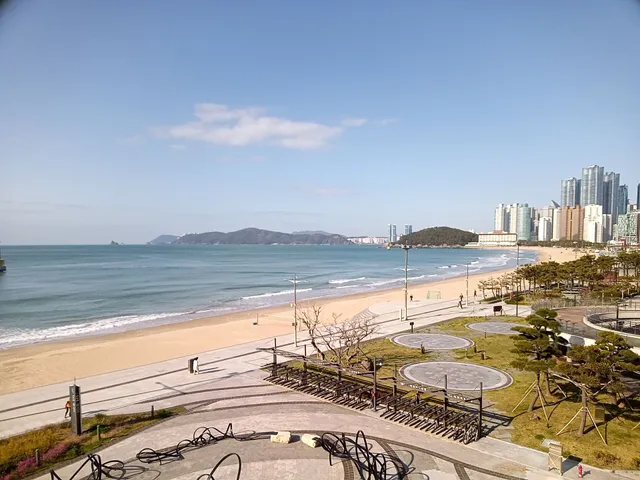
Haeundae Beach
4.5
(6.2K)
Open 24 hours
Click for details
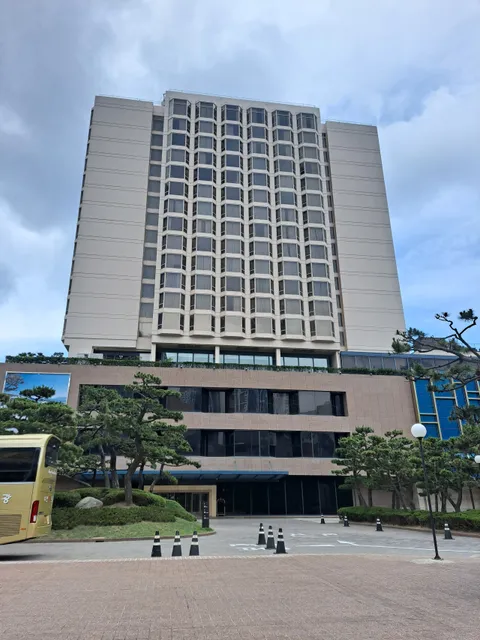
Casino Paradise Busan
4.1
(550)
Open until 12:00 AM
Click for details
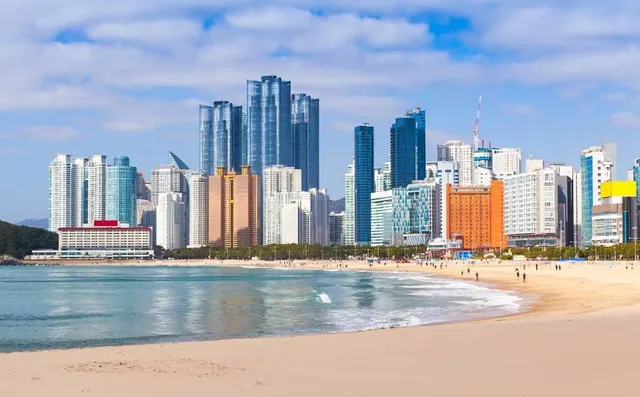
Haeundae Beach
4.6
(1.2K)
Open 24 hours
Click for details
Nearby restaurants of Haeundae Traditional Market
Sangguginae
Hi asia Pakistani & Indian halal restaurant 펀자브
Miryang Sundae Dwaeji-Gukbap - Haeundae Branch
Hi asia Indonesian restaurant
혜자네 산곰장어 본점
OPS Haeundae
Namaste Haeundae
OUTBACK Steakhouse Haeundae
ROYAL INDIA HAEUNDAE
Bongjane Silbi Jib
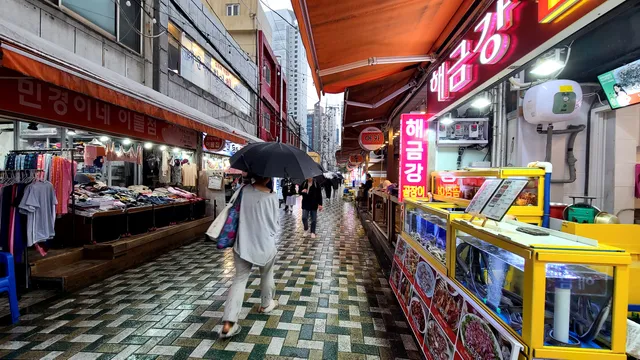
Sangguginae
3.3
(996)
Open until 12:00 AM
Click for details
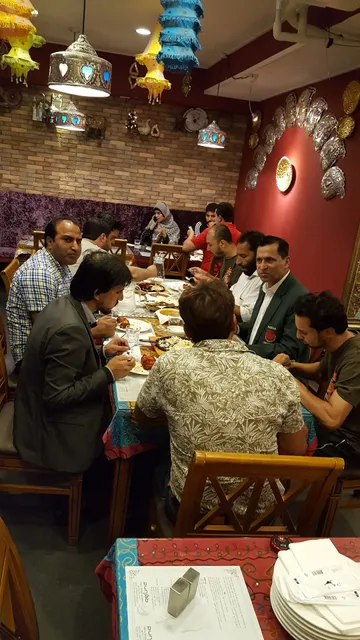
Hi asia Pakistani & Indian halal restaurant 펀자브
4.8
(831)
Open until 11:00 PM
Click for details
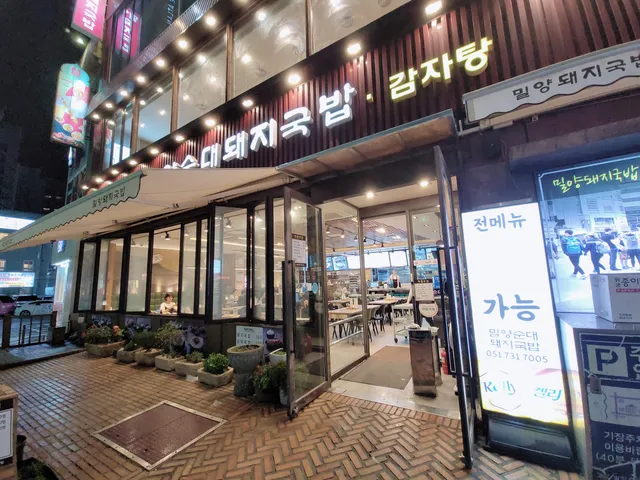
Miryang Sundae Dwaeji-Gukbap - Haeundae Branch
4.0
(2K)
Open until 12:00 AM
Click for details
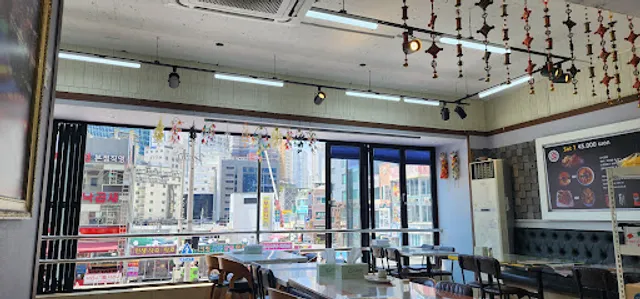
Hi asia Indonesian restaurant
4.9
(503)
Open until 11:00 PM
Click for details
Nearby local services of Haeundae Traditional Market
Haeundae Traditional Market
Gana Art Gallery
CLUB D OASIS
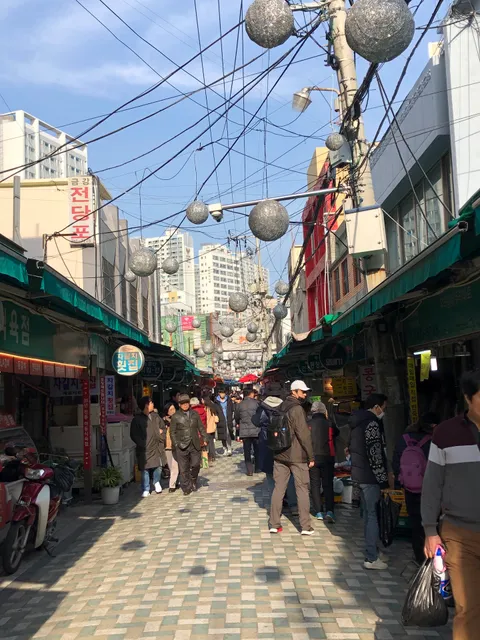
Haeundae Traditional Market
4.3
(12)
Click for details
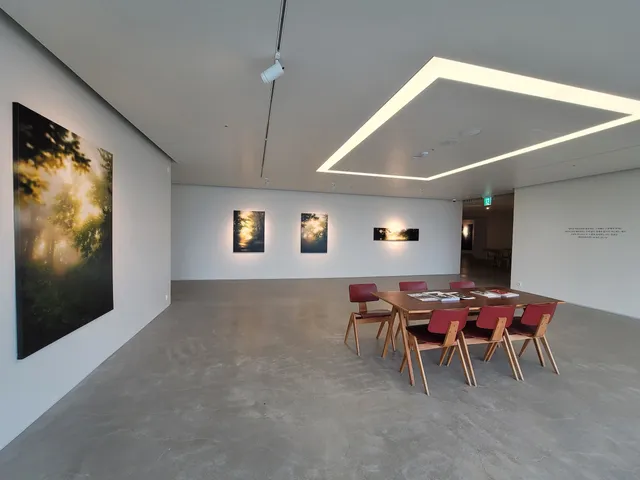
Gana Art Gallery
4.1
(9)
Click for details
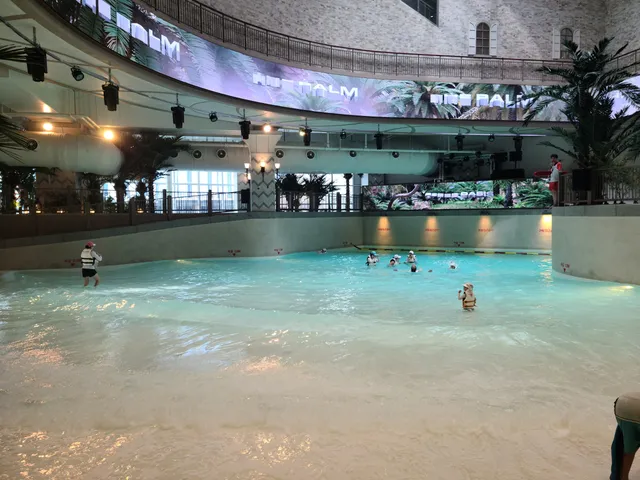
CLUB D OASIS
3.5
(39)
Click for details