Archaeological Museum of Alicante things to do, attractions, restaurants, events info and trip planning
Basic Info
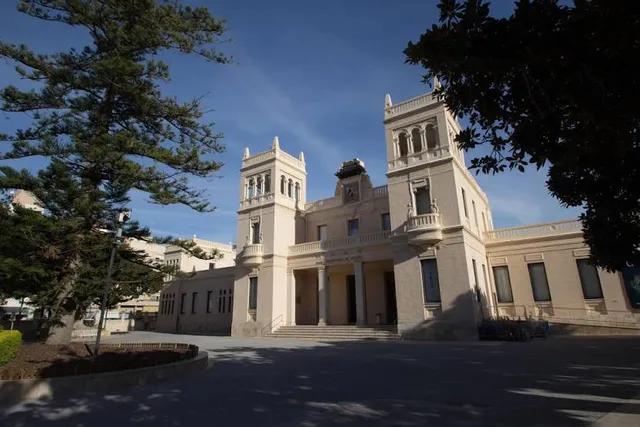
Archaeological Museum of Alicante
Pl. Dr. Gómez Ulla, S/N, 03013 Alacant, Alicante, Spain
4.7(5.1K)
Open until 12:00 AM


tickets
Save
spot
spot
Ratings & Description
Info
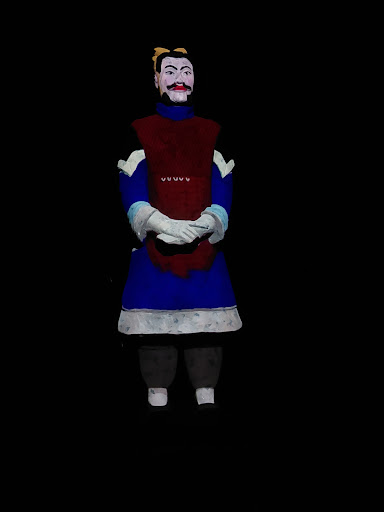
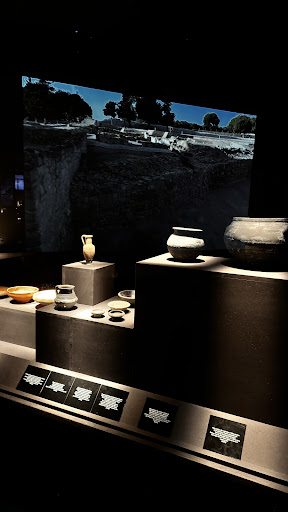
The Archaeological Museum of Alicante is an archaeological museum in Alicante, Spain. The museum won the European Museum of the Year Award in 2004, a few years after significant expansion and reallocation to renovated buildings of the antique hospital of San Juan de Dios.
Cultural
Accessibility
Family friendly
attractions: Xcapate, Castell de Santa Bàrbera, Les Cigarreres, Ascensor del Castell de Santa Bàrbara, Playa del Postiguet, Parc de l'Ereta, Panteó de Quijano, ADDA (Auditorio de la Diputación de Alicante), MACA Contemporary Art Museum of Alicante, Basilica of St Mary of Alicante, restaurants: Barq Restaurante, Restaurante Govana, Cafetería L'alba, Restaurante Casa Riquelme, CRIS COXINHA, My Coffee, Restaurante El Llobarro, Forn de Pa Nou Sant Antoni, UDON Plaza Mar 2, Comida brasileña en Alicante, local businesses: Vecchio Forno Italiano, Santa Bárbara Castle, Kinépolis, GAME Alicante Plaza Mar 2, ZARA, K-tuin Alicante Plaza Mar 2 · Apple Premium Partner y Servicio Técnico Autorizado, S'Kalia, Druni, Mount Benacantil, Mercadillo de Carolinas
 Learn more insights from Wanderboat AI.
Phone
+34 965 14 90 00
Website
marqalicante.com
Open hoursSee all hours
MonClosedOpen
Plan your stay

Pet-friendly Hotels in Alicante
Find a cozy hotel nearby and make it a full experience.

Affordable Hotels in Alicante
Find a cozy hotel nearby and make it a full experience.

The Coolest Hotels You Haven't Heard Of (Yet)
Find a cozy hotel nearby and make it a full experience.

Trending Stays Worth the Hype in Alicante
Find a cozy hotel nearby and make it a full experience.
Reviews
Live events

Titanic: Un viaje a través del tiempo
Mon, Feb 23 • 10:00 AM
Placa de los Luceros, 17, Alacant, 03001
View details
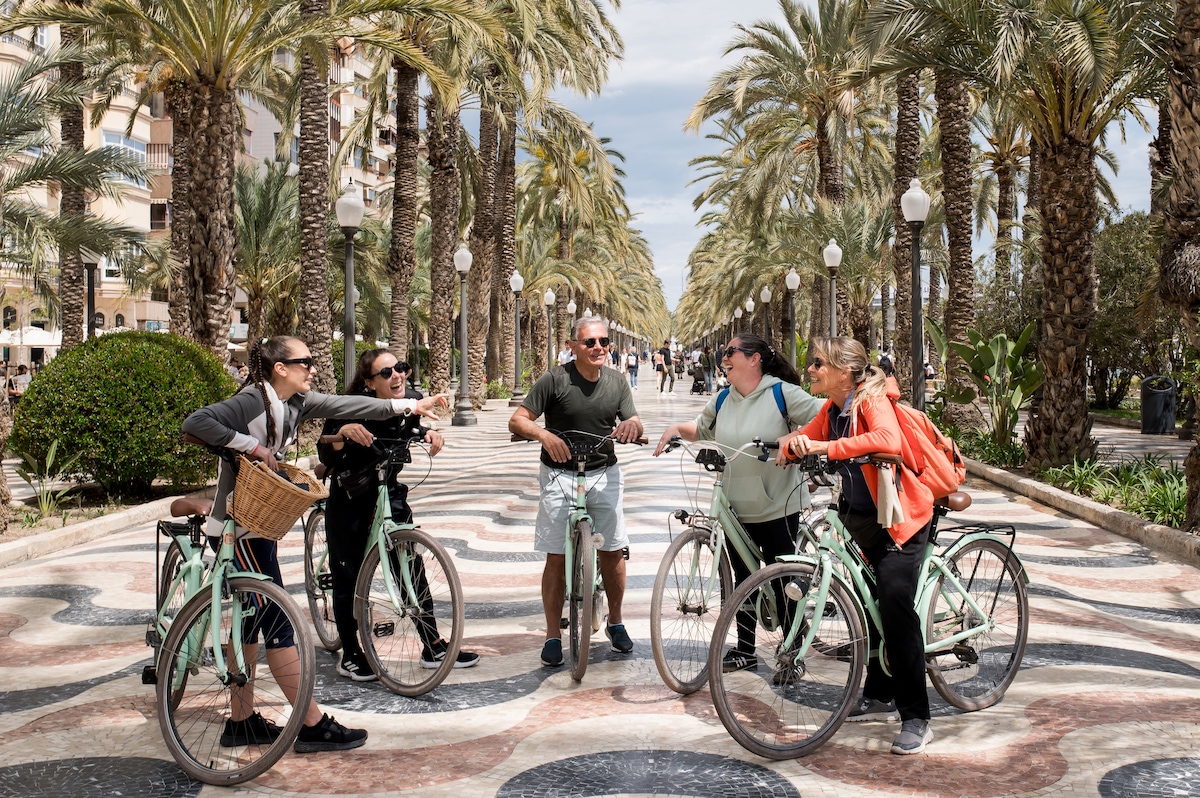
Pedal through Alicantes best spots
Tue, Feb 24 • 2:30 PM
03001, Alicante, Valencian Community, Spain
View details

BEERPONG & Open Bar PARABARAP 2026
Wed, Feb 25 • 10:00 PM
22 Calle de San Nicolás 03002 Alicante (Alacant)
View details
Nearby attractions of Archaeological Museum of Alicante
Xcapate
Castell de Santa Bàrbera
Les Cigarreres
Ascensor del Castell de Santa Bàrbara
Playa del Postiguet
Parc de l'Ereta
Panteó de Quijano
ADDA (Auditorio de la Diputación de Alicante)
MACA Contemporary Art Museum of Alicante
Basilica of St Mary of Alicante
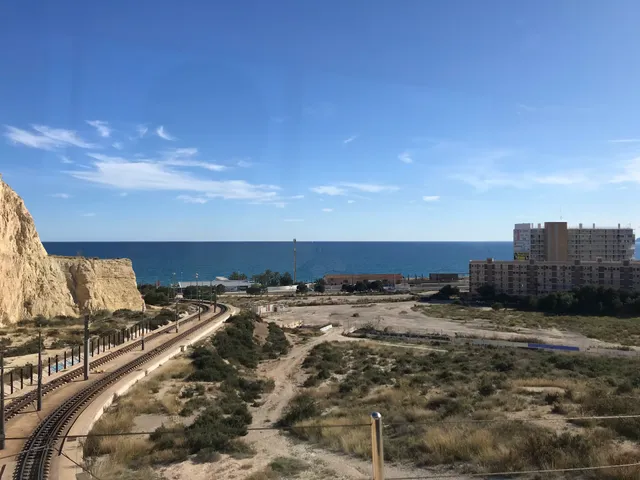
Xcapate
4.5
(336)
Closed
Click for details
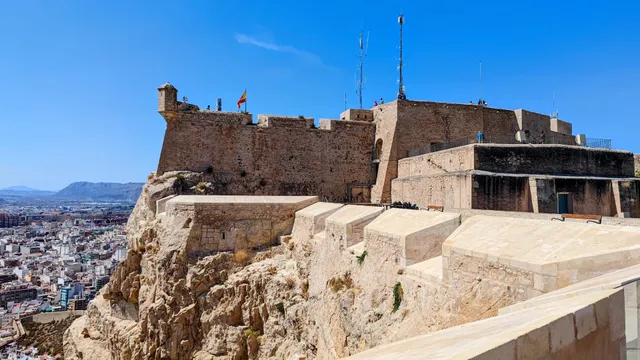
Castell de Santa Bàrbera
4.7
(17.8K)
Closed
Click for details
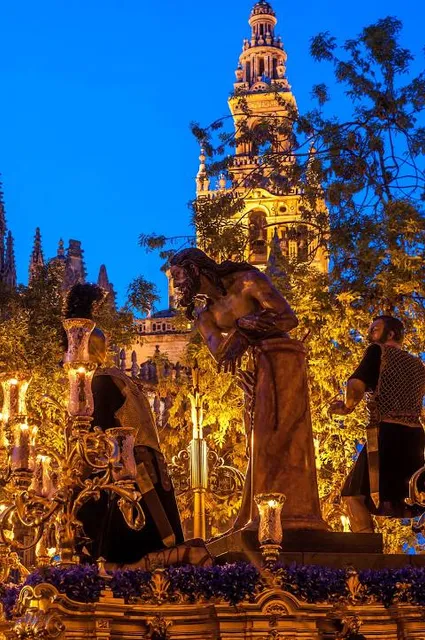
Les Cigarreres
4.4
(1.1K)
Open until 12:00 AM
Click for details
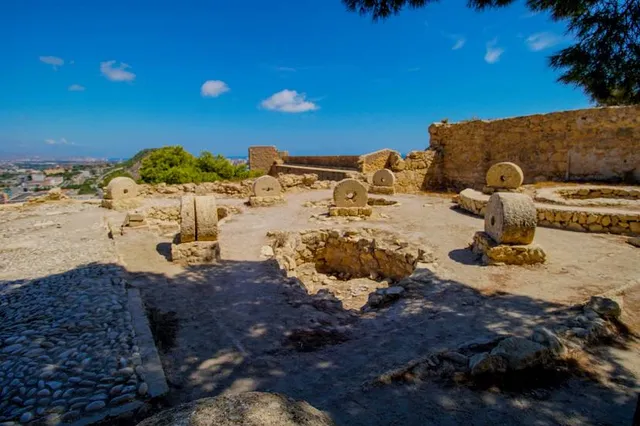
Ascensor del Castell de Santa Bàrbara
4.5
(2.7K)
Closed
Click for details
Nearby restaurants of Archaeological Museum of Alicante
Barq Restaurante
Restaurante Govana
Cafetería L'alba
Restaurante Casa Riquelme
CRIS COXINHA
My Coffee
Restaurante El Llobarro
Forn de Pa Nou Sant Antoni
UDON Plaza Mar 2
Comida brasileña en Alicante

Barq Restaurante
4.0
(452)
Open until 12:00 AM
Click for details

Restaurante Govana
4.4
(394)
Open until 12:00 AM
Click for details
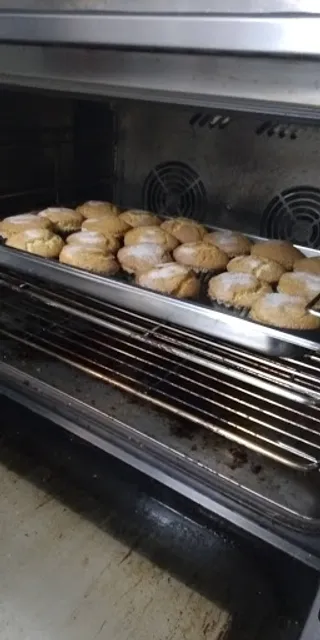
Cafetería L'alba
4.4
(188)
Open until 12:00 AM
Click for details
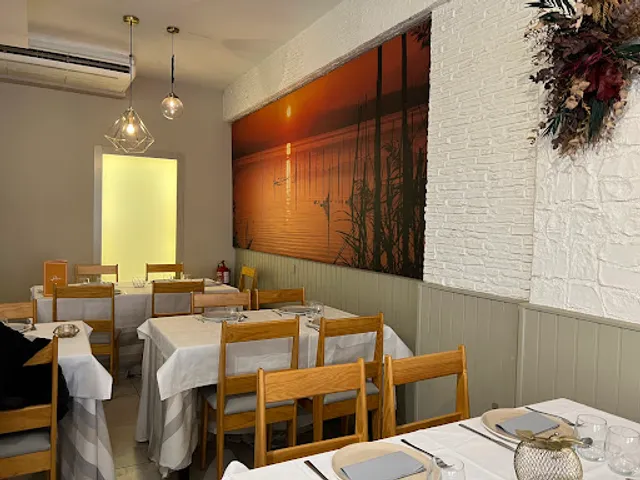
Restaurante Casa Riquelme
4.1
(487)
Closed
Click for details
Nearby local services of Archaeological Museum of Alicante
Vecchio Forno Italiano
Santa Bárbara Castle
Kinépolis
GAME Alicante Plaza Mar 2
ZARA
K-tuin Alicante Plaza Mar 2 · Apple Premium Partner y Servicio Técnico Autorizado
S'Kalia
Druni
Mount Benacantil
Mercadillo de Carolinas
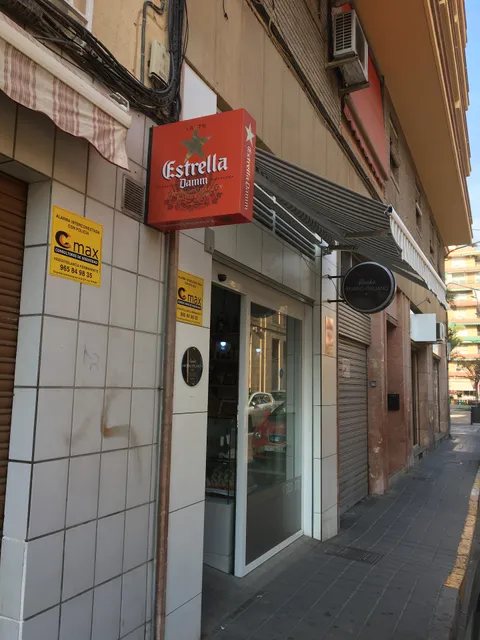
Vecchio Forno Italiano
4.8
(166)
Click for details
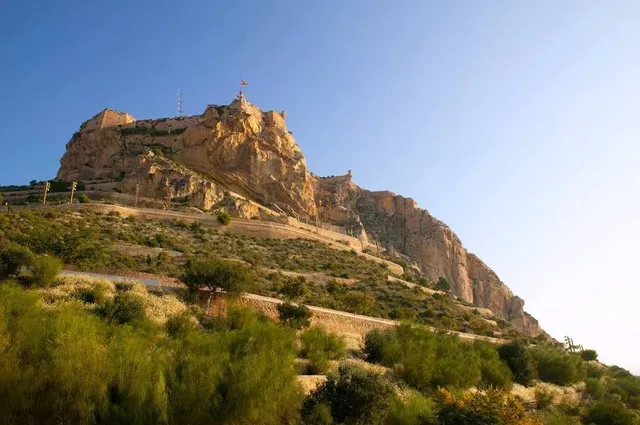
Santa Bárbara Castle
4.7
(13.2K)
Click for details
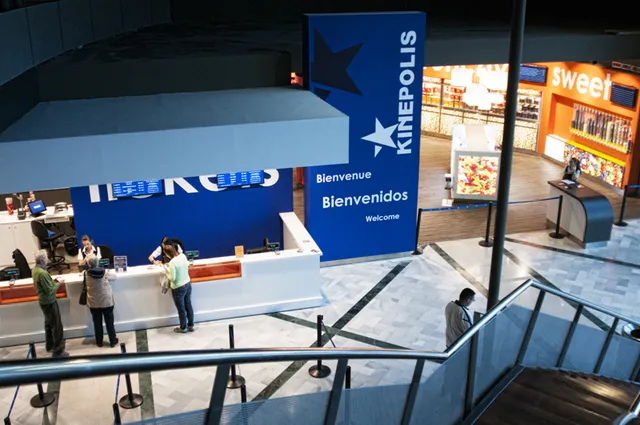
Kinépolis
4.3
(2.5K)
Click for details

GAME Alicante Plaza Mar 2
4.1
(477)
Click for details