Castell de Santa Bàrbera things to do, attractions, restaurants, events info and trip planning
Basic Info
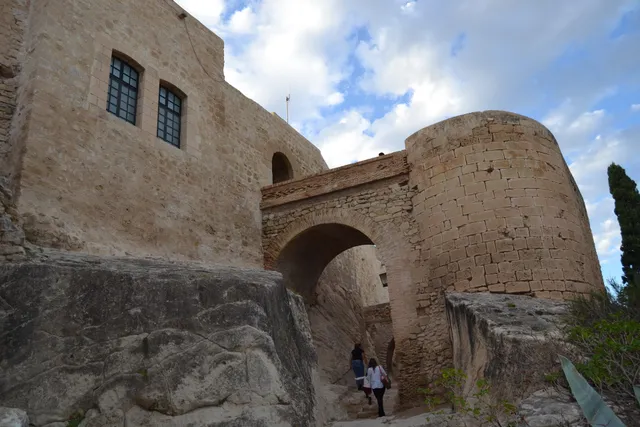
Castell de Santa Bàrbera
Castillo de Santa Bárbara, 03002 Alicante, Spain
4.7(17.8K)
Closed
Save
spot
spot
Ratings & Description
Info
Cultural
Outdoor
Scenic
Family friendly
attractions: Ascensor del Castell de Santa Bàrbara, Parc de l'Ereta, Playa del Postiguet, MACA Contemporary Art Museum of Alicante, Basilica of St Mary of Alicante, Museo de Aguas de Alicante – Pozos de Garrigós, Archaeological Museum of Alicante, Gravina Museum of Fine Arts MUBAG, Les Cigarreres, Platja Postiguet, restaurants: Cafetería del Castillo de Santa Bárbara, Restaurant La Ereta, Café El Mirador, Al Cartoccio, Quiosco del Castillo de Santa Bárbara, El Pont | Restaurante | Bar | Tapas, Restaurante Kiosko Miramar, Arrabal Roig. Heladería, CASABLANCA Restaurante Tapas & paellas, La Milagrosa Rooftop, local businesses: Santa Bárbara Castle, Museum of the City of Alicante, Santa Barbara, Mount Benacantil, Sociedad Cultural Deportiva Marina, C. Jorge Juan, 10, Santa Iglesia Concatedral de San Nicolás de Bari de Alicante, Alicante City Hall, Platja Postiguet, Discoteca Calle 365 Alicante
 Learn more insights from Wanderboat AI.
Phone
+34 673 84 98 90
Website
castillodesantabarbara.com
Open hoursSee all hours
Tue10 AM - 6 PMClosed
Plan your stay

Pet-friendly Hotels in Alicante
Find a cozy hotel nearby and make it a full experience.

Affordable Hotels in Alicante
Find a cozy hotel nearby and make it a full experience.

The Coolest Hotels You Haven't Heard Of (Yet)
Find a cozy hotel nearby and make it a full experience.

Trending Stays Worth the Hype in Alicante
Find a cozy hotel nearby and make it a full experience.
Reviews
Live events
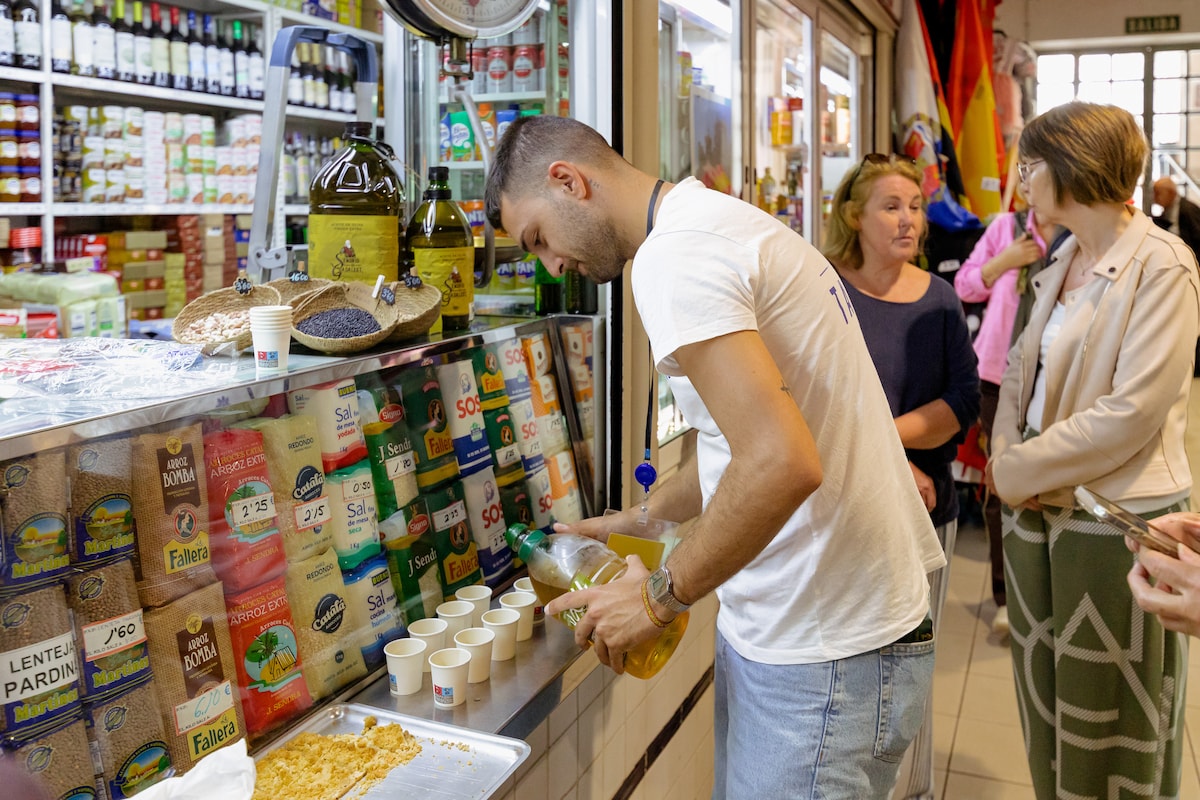
Taste Alicante’s secret flavors
Tue, Feb 10 • 12:30 PM
03004, Alicante, Valencian Community, Spain
View details
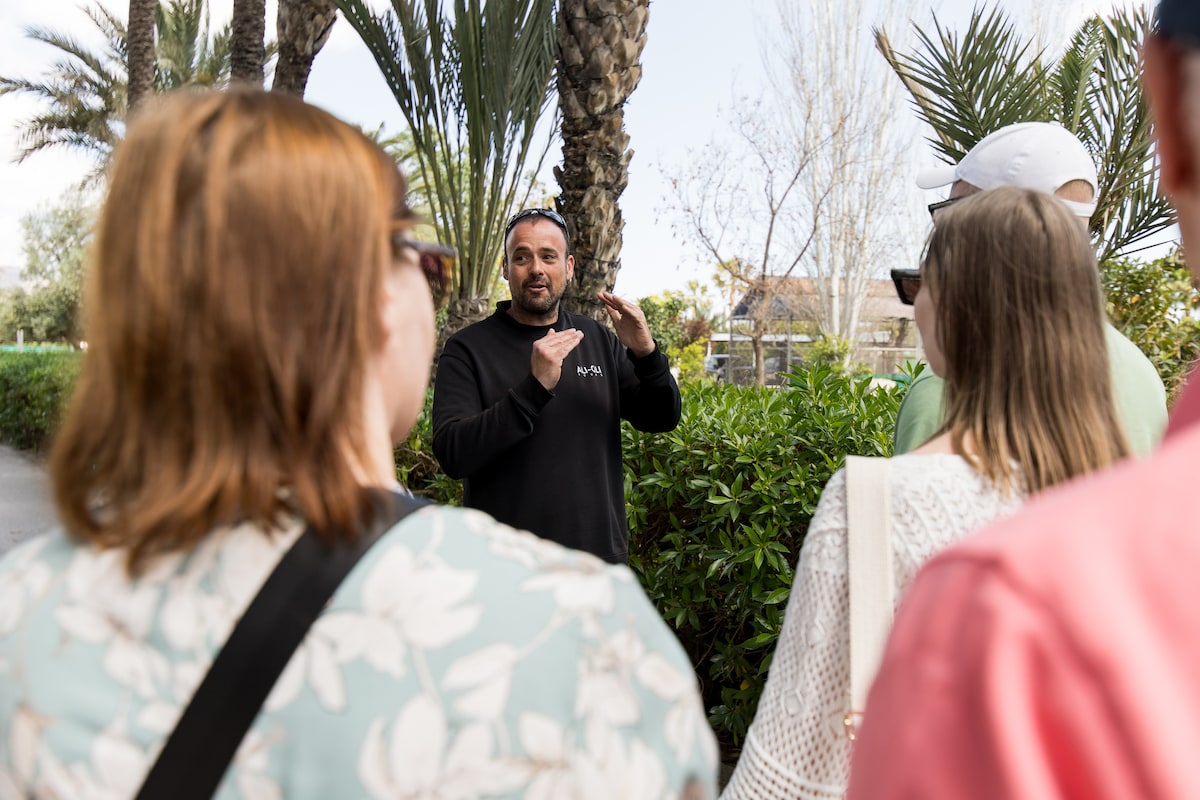
Visit and taste wines from the region
Fri, Feb 13 • 2:00 PM
03001, Alicante, Valencian Community, Spain
View details
Candlelight: Lo Mejor de Hans Zimmer
Fri, Feb 13 • 6:30 PM
Plaça Doctor Gómez Ulla, S/N, Alacant, 03013
View details
Nearby attractions of Castell de Santa Bàrbera
Ascensor del Castell de Santa Bàrbara
Parc de l'Ereta
Playa del Postiguet
MACA Contemporary Art Museum of Alicante
Basilica of St Mary of Alicante
Museo de Aguas de Alicante – Pozos de Garrigós
Archaeological Museum of Alicante
Gravina Museum of Fine Arts MUBAG
Les Cigarreres
Platja Postiguet
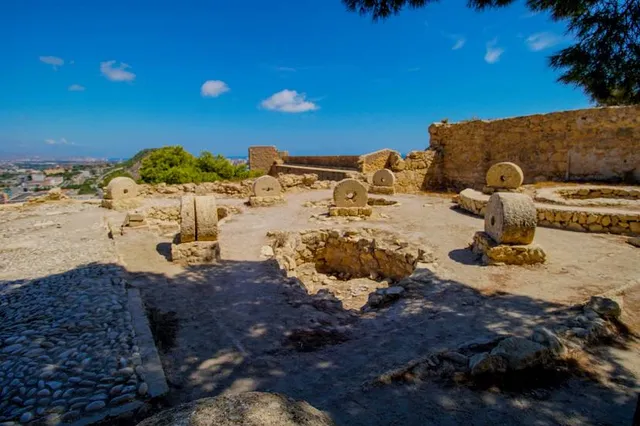
Ascensor del Castell de Santa Bàrbara
4.5
(2.7K)
Closed
Click for details
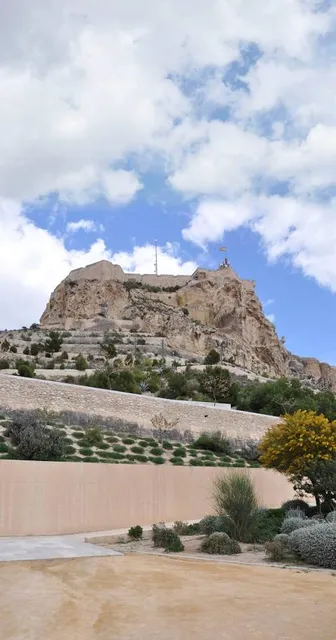
Parc de l'Ereta
4.5
(1.0K)
Open until 12:00 AM
Click for details
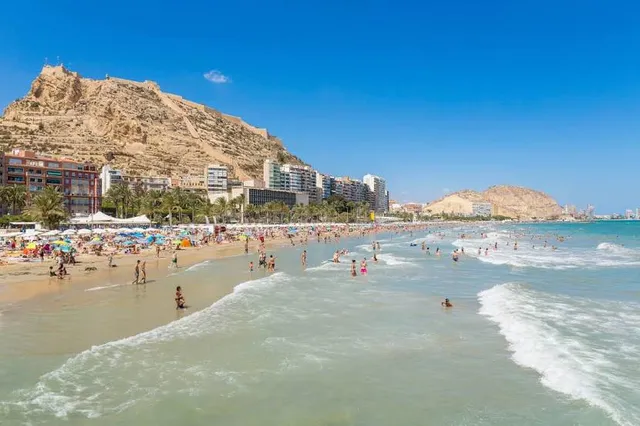
Playa del Postiguet
4.3
(1.6K)
Open 24 hours
Click for details
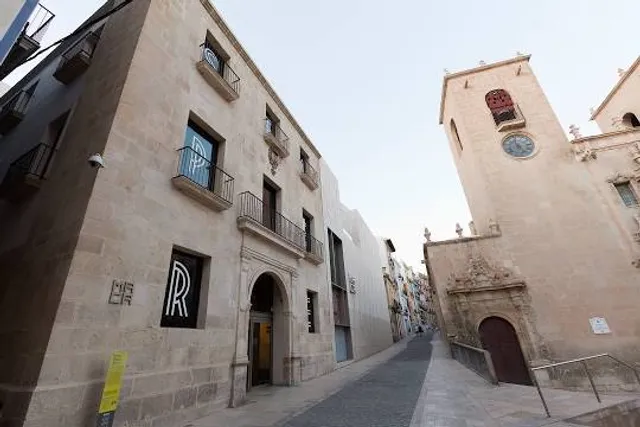
MACA Contemporary Art Museum of Alicante
4.5
(1.2K)
Open until 12:00 AM
Click for details
Nearby restaurants of Castell de Santa Bàrbera
Cafetería del Castillo de Santa Bárbara
Restaurant La Ereta
Café El Mirador
Al Cartoccio
Quiosco del Castillo de Santa Bárbara
El Pont | Restaurante | Bar | Tapas
Restaurante Kiosko Miramar
Arrabal Roig. Heladería
CASABLANCA Restaurante Tapas & paellas
La Milagrosa Rooftop
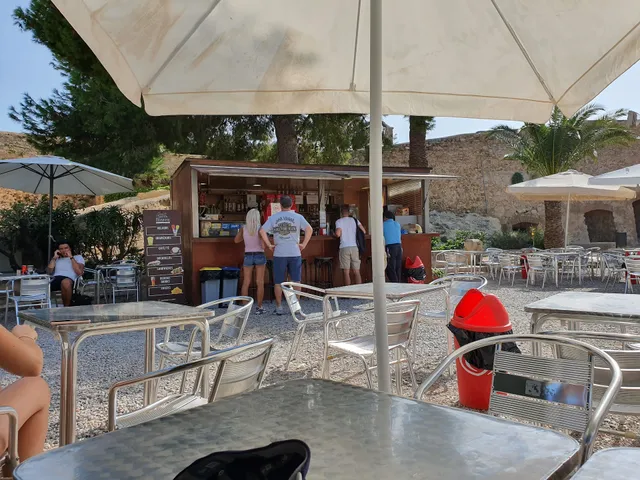
Cafetería del Castillo de Santa Bárbara
2.9
(282)
Closed
Click for details
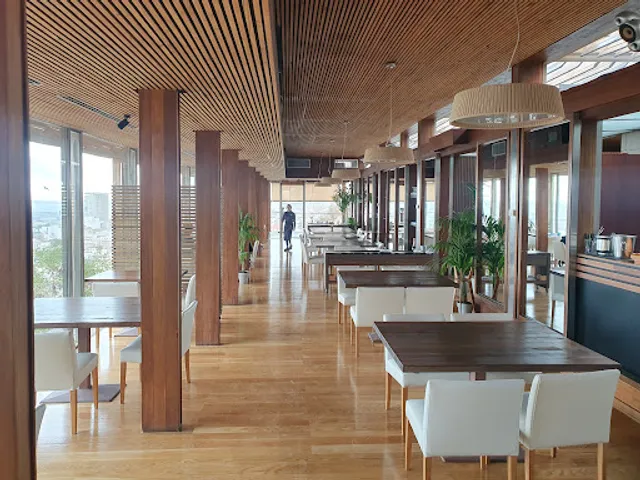
Restaurant La Ereta
4.6
(929)
Open until 12:00 AM
Click for details
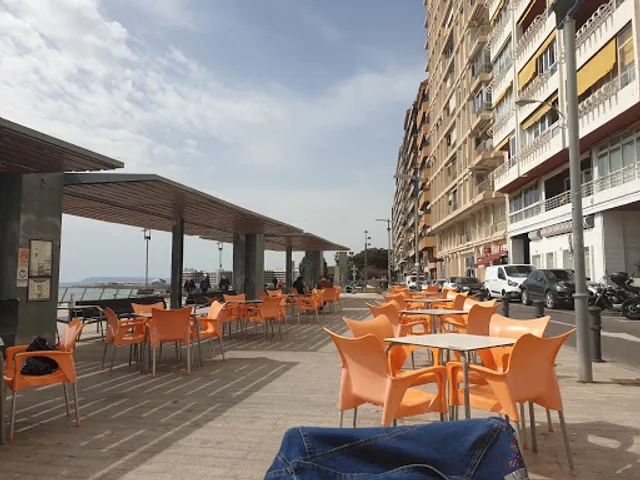
Café El Mirador
4.5
(424)
Open until 1:30 AM
Click for details
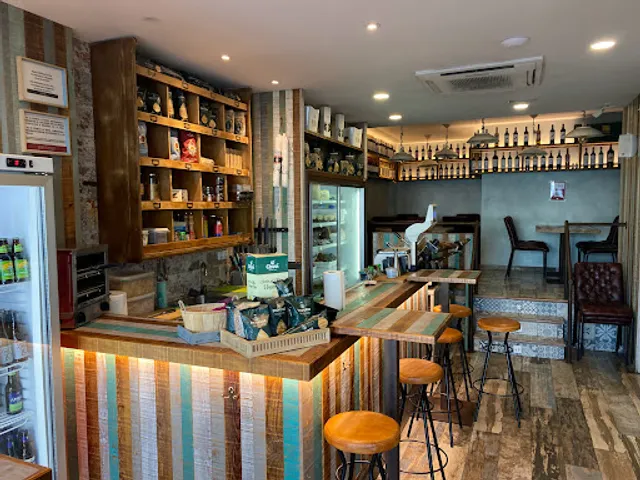
Al Cartoccio
4.2
(225)
Closed
Click for details
Nearby local services of Castell de Santa Bàrbera
Santa Bárbara Castle
Museum of the City of Alicante
Santa Barbara
Mount Benacantil
Sociedad Cultural Deportiva Marina
C. Jorge Juan, 10
Santa Iglesia Concatedral de San Nicolás de Bari de Alicante
Alicante City Hall
Platja Postiguet
Discoteca Calle 365 Alicante
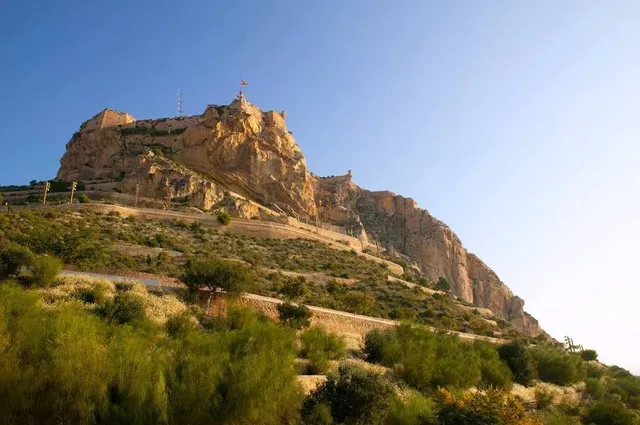
Santa Bárbara Castle
4.7
(13.2K)
Click for details
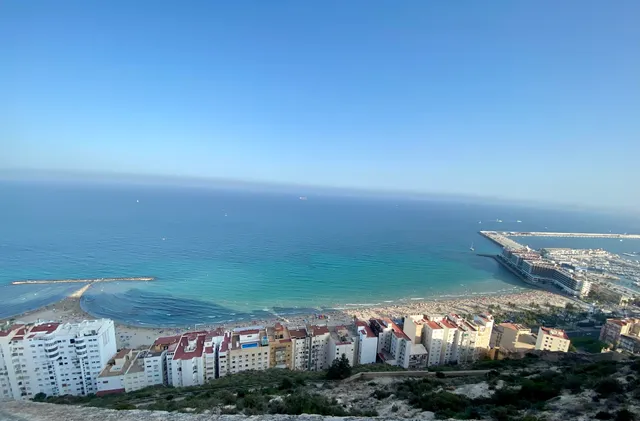
Museum of the City of Alicante
4.5
(30)
Click for details
Santa Barbara
4.7
(12)
Click for details
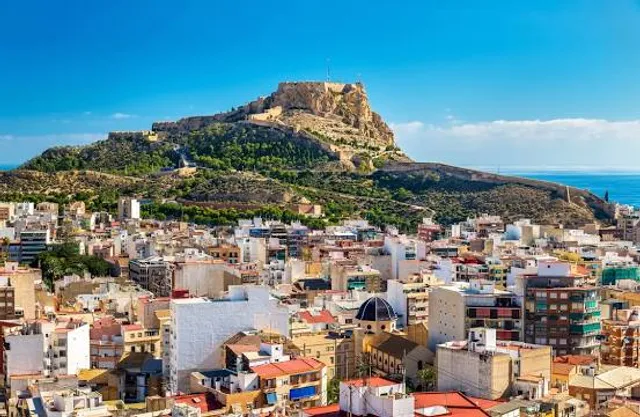
Mount Benacantil
4.9
(41)
Click for details