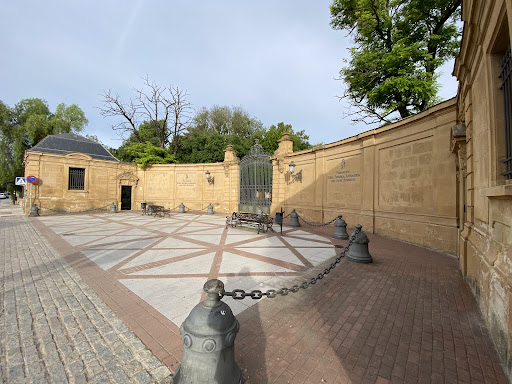
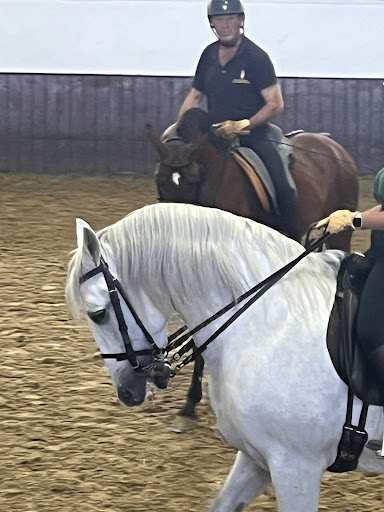
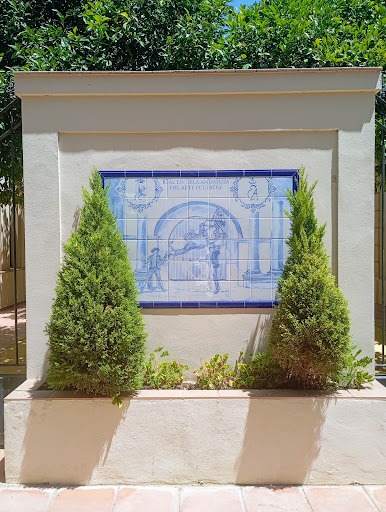
Royal Andalusian School of Equestrian Art things to do, attractions, restaurants, events info and trip planning
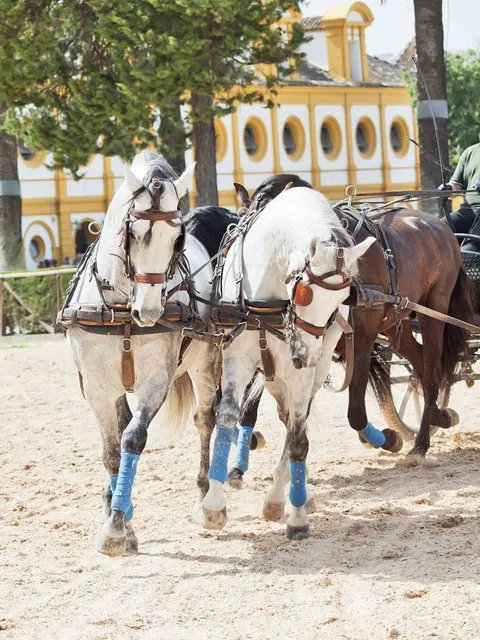
Basic Info
Royal Andalusian School of Equestrian Art
Av. Duque de Abrantes, s/n, 11407 Jerez de la Frontera, Cádiz, Spain
4.5(634)
Open until 12:00 AM
Save
spot
spot
Ratings & Description
Info
The Royal Andalusian School of Equestrian Art is an institution dedicated to the preservation of the equestrian arts, in the Spanish tradition, based in Jerez de la Frontera, Spain. It is one of the "Big Four", the most prestigious classical riding academies in the world.
Cultural
Entertainment
Family friendly
Accessibility
attractions: Sandeman Jerez, Museo del Enganche, Museo Palacio del Tiempo-Museos de la Atalaya, Atalaya Garden, Parque Williams, Museo del Belén, Parque Juan de la Plata (flamencólogo), Iglesia De La Victoria, Palacio Domecq, Claustros de Santo Domingo, restaurants: Restaurante Cantina Guadalajara, Restaurante KIRI, QUINCE ARROBAS, Restaurante Albalá, La Vermutería del Sherry, Restaurante Hola Beirut, Bar Camino del Rocío, Pizzeria La Roma, Mesón del Asador - Merca 80, El Rincón del Tragabuche, local businesses: Valmar Electrónica, El Rey Barbero - Peluqueros, Casagrande Interiorismo, UNA VUELTA DE TUERCA by Experiencity | La ambición del Brandy
 Learn more insights from Wanderboat AI.
Phone
+34 956 31 80 08
Website
realescuela.org
Open hoursSee all hours
Mon10 AM - 1 PMOpen
Plan your stay

Pet-friendly Hotels in Jerez
Find a cozy hotel nearby and make it a full experience.

Affordable Hotels in Jerez
Find a cozy hotel nearby and make it a full experience.

The Coolest Hotels You Haven't Heard Of (Yet)
Find a cozy hotel nearby and make it a full experience.

Trending Stays Worth the Hype in Jerez
Find a cozy hotel nearby and make it a full experience.
Reviews
Live events
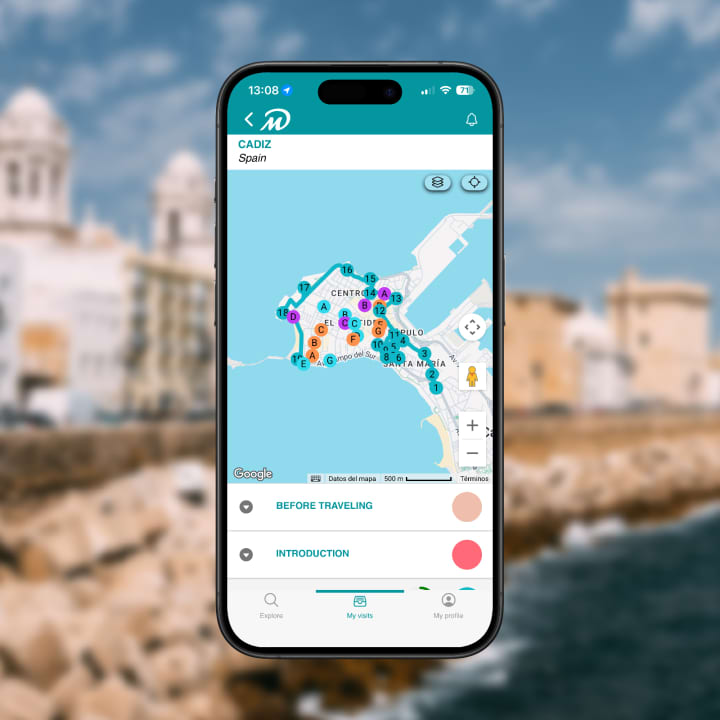
TOP Cádiz: Visita Guiada con tu móvil
Sun, Mar 1 • 12:00 AM
Pl. de la Constitución, Cádiz, 11008
View details
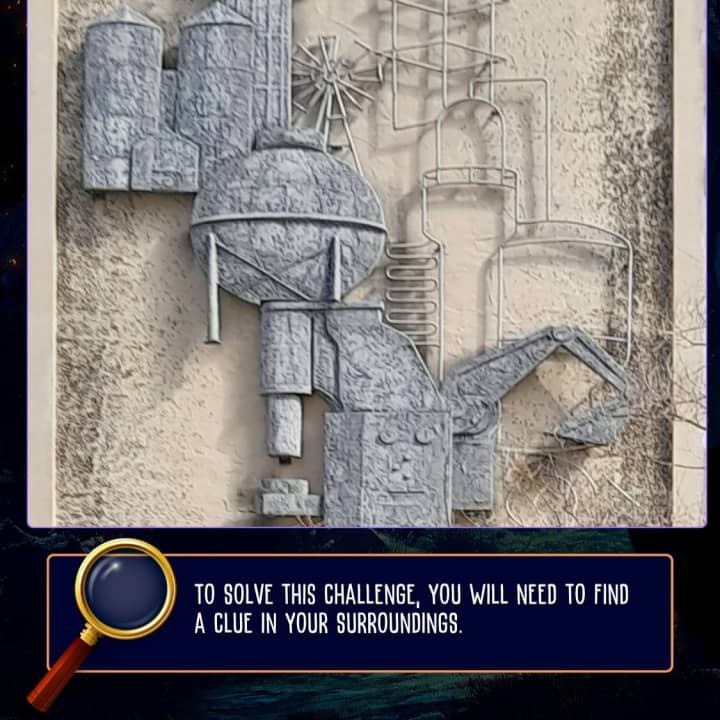
Cádiz - Juego de detectives al aire libre
Sun, Mar 1 • 12:00 AM
Pl. San Antonio, 1, Cádiz, 11001
View details
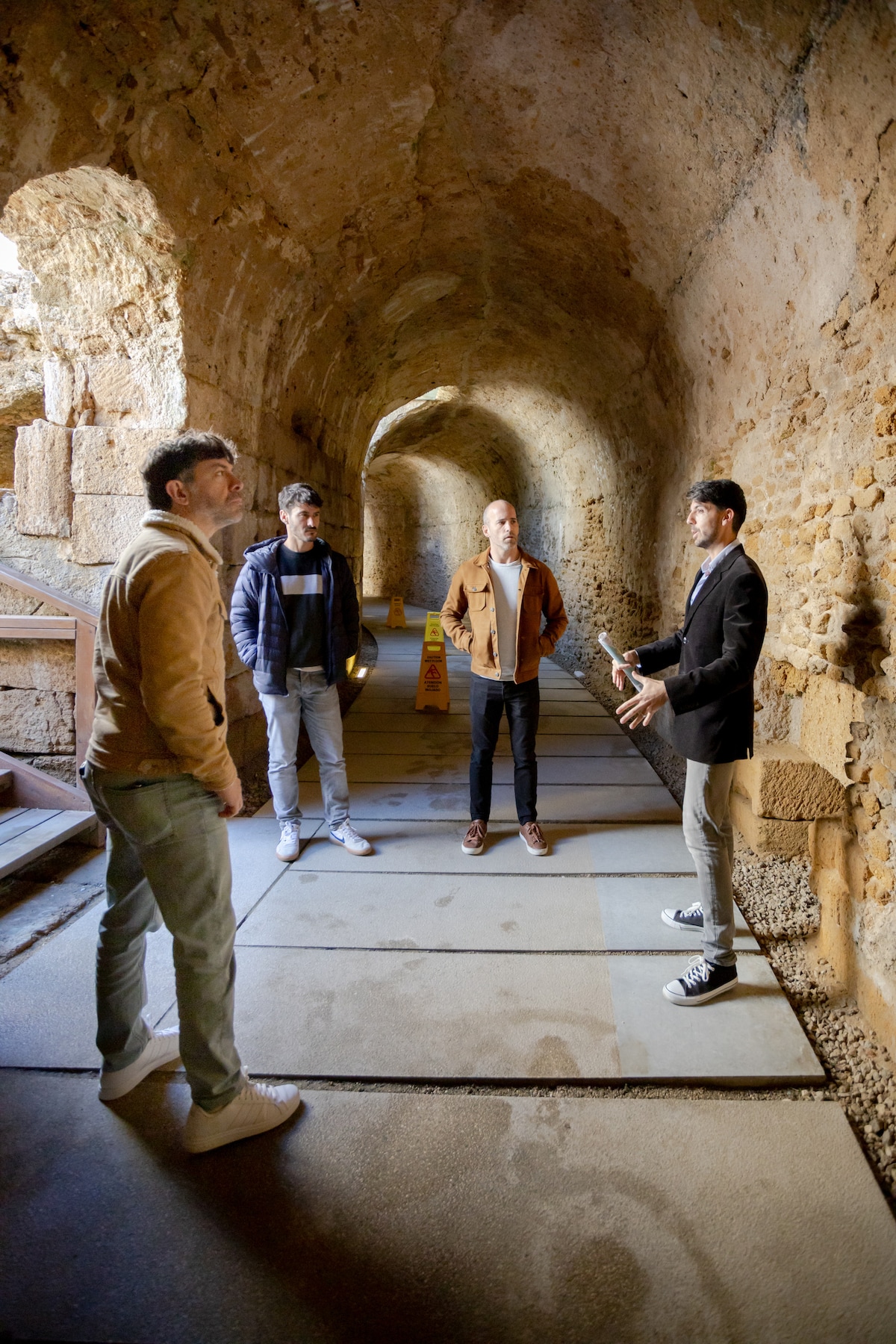
Introduction to the History of Cádiz on foot
Tue, Feb 24 • 10:00 AM
11005, Cádiz, Andalusia, Spain
View details
Nearby attractions of Royal Andalusian School of Equestrian Art
Sandeman Jerez
Museo del Enganche
Museo Palacio del Tiempo-Museos de la Atalaya
Atalaya Garden
Parque Williams
Museo del Belén
Parque Juan de la Plata (flamencólogo)
Iglesia De La Victoria
Palacio Domecq
Claustros de Santo Domingo
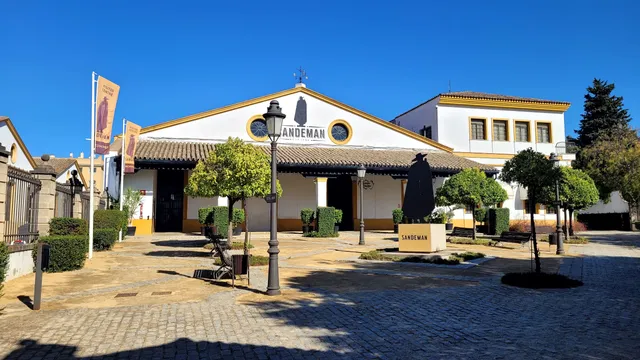
Sandeman Jerez
4.4
(178)
Open 24 hours
Click for details
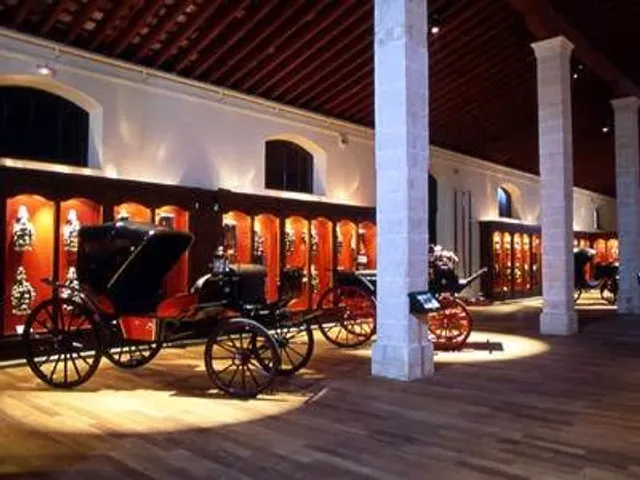
Museo del Enganche
4.6
(123)
Open until 12:00 AM
Click for details

Museo Palacio del Tiempo-Museos de la Atalaya
4.6
(340)
Open until 12:00 AM
Click for details
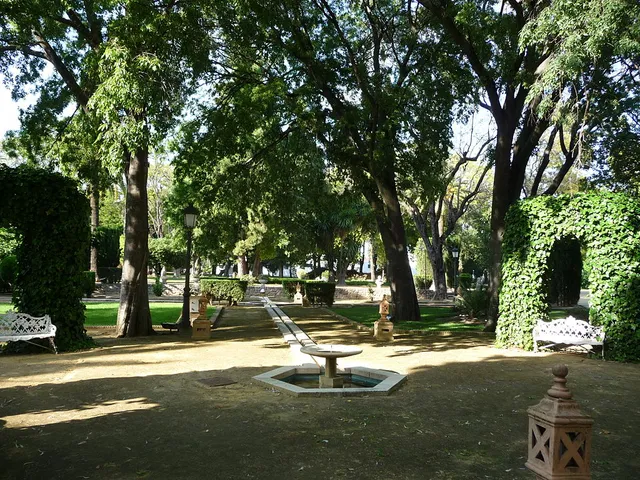
Atalaya Garden
4.7
(67)
Open until 12:00 AM
Click for details
Nearby restaurants of Royal Andalusian School of Equestrian Art
Restaurante Cantina Guadalajara
Restaurante KIRI
QUINCE ARROBAS
Restaurante Albalá
La Vermutería del Sherry
Restaurante Hola Beirut
Bar Camino del Rocío
Pizzeria La Roma
Mesón del Asador - Merca 80
El Rincón del Tragabuche
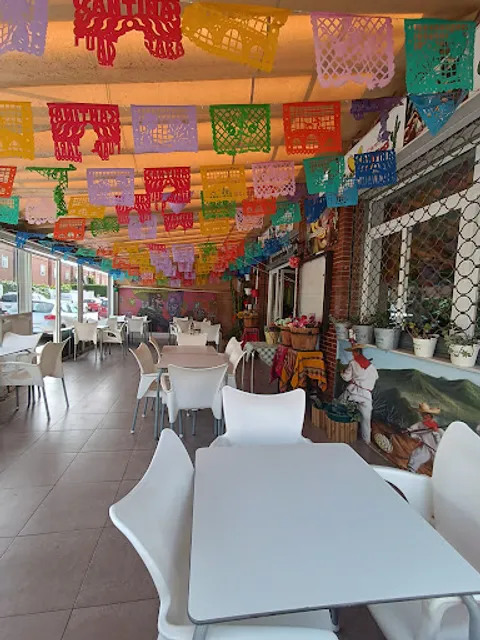
Restaurante Cantina Guadalajara
4.5
(321)
Closed
Click for details
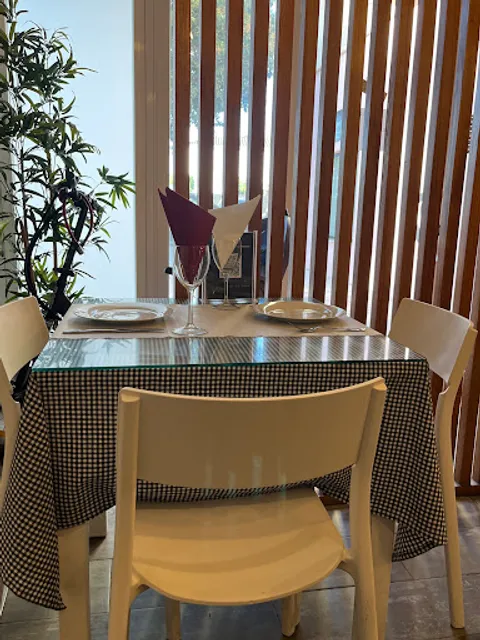
Restaurante KIRI
4.5
(549)
$
Open until 12:00 AM
Click for details
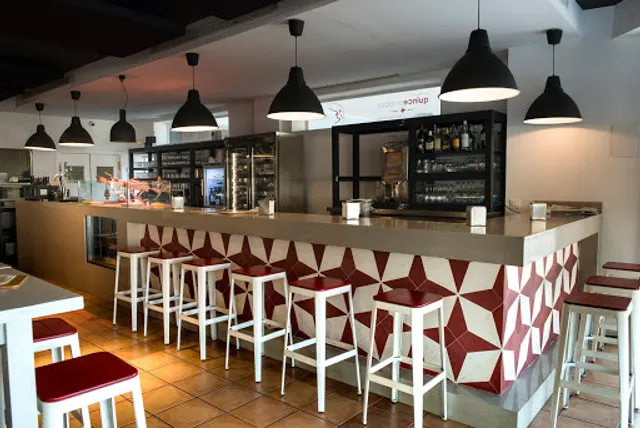
QUINCE ARROBAS
4.3
(611)
Open until 12:00 AM
Click for details
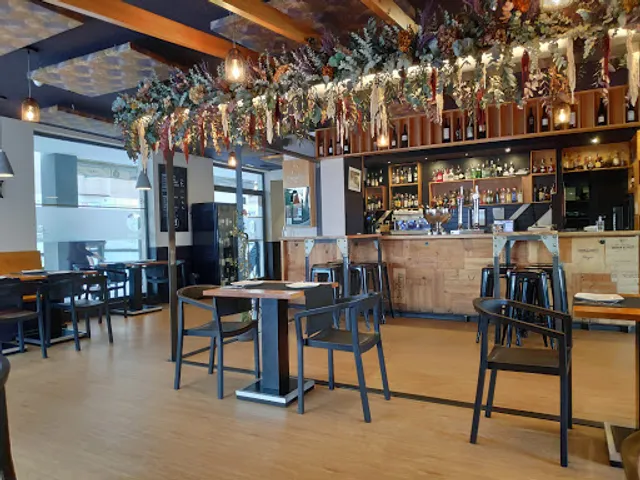
Restaurante Albalá
4.5
(1.1K)
Open until 12:00 AM
Click for details
Nearby local services of Royal Andalusian School of Equestrian Art
Valmar Electrónica
El Rey Barbero - Peluqueros
Casagrande Interiorismo
UNA VUELTA DE TUERCA by Experiencity | La ambición del Brandy
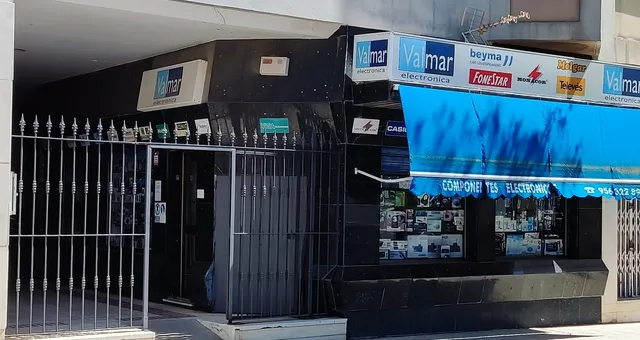
Valmar Electrónica
4.5
(165)
Click for details

El Rey Barbero - Peluqueros
4.7
(246)
Click for details
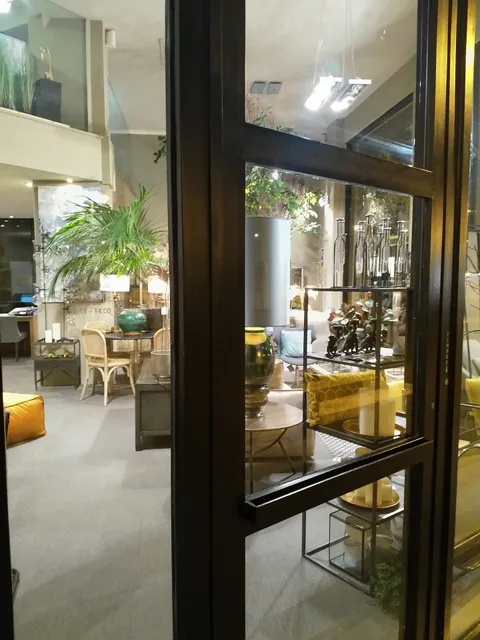
Casagrande Interiorismo
4.6
(17)
Click for details
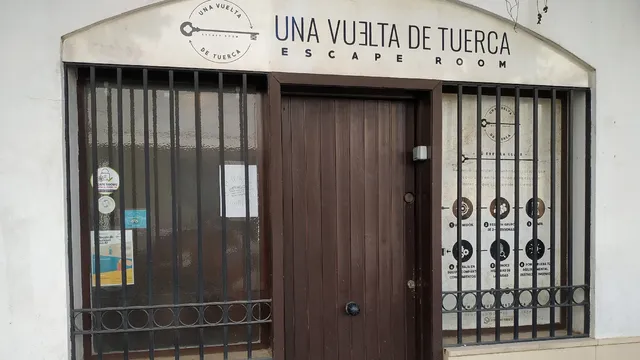
UNA VUELTA DE TUERCA by Experiencity | La ambición del Brandy
4.9
(653)
Click for details