Arab Walls things to do, attractions, restaurants, events info and trip planning
Basic Info
Arab Walls
Centro, 28005 Madrid, Spain
4.3(460)
Open until 9:00 PM
Save
spot
spot
Ratings & Description
Info
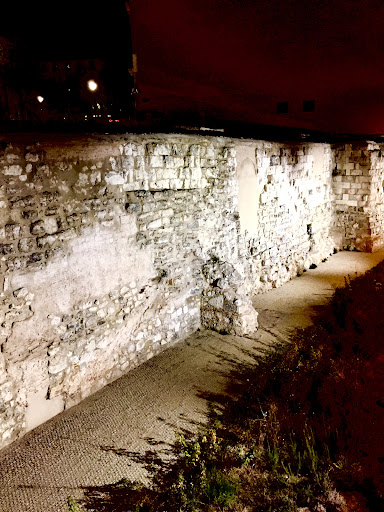
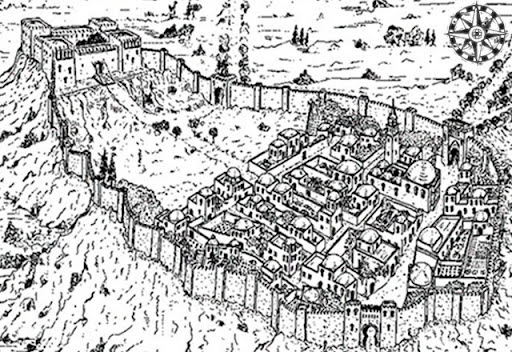
The Muslim Walls of Madrid, of which some vestiges remain, are located in the Spanish capital city of Madrid. They are probably the oldest construction extant in the city. They were built in the 9th century, during the Muslim domination of the Iberian Peninsula, on a promontory next to Manzanares river.
Cultural
Scenic
Outdoor
Family friendly
attractions: Catedral de la Almudena, St Mary Royal of the Almudena, Galería de las Colecciones Reales, Parque del Emir Mohamed I, Viaducto de Segovia, Las Vistillas Garden, Cathedral Church of the Armed Forces, Museum of the Almudena Cathedral, Royal Palace’s Ledge Viewpoint, Garden of the Prince of Anglona, restaurants: Singular de Mayor 88, Mercado de San Miguel, El Alamillo - Fonda Mexicana, La Mayor Cervecería (Madrid), Choose Restaurante Vegano, EatMyTrip, Terraza Collins, Restaurante Argentino El Camoatí, Restaurante Dadam, Taberna Rayuela, local businesses: Palacio Real, Archbishop of Madrid, La Cueva De Lola, Las Carboneras tablao flamenco, Taquilla Palacio Real, Domi, Casa de La Villa. City of Madrid, Mercado de la Cebada, COCOL, Spaces Rio
 Learn more insights from Wanderboat AI.
Website
esmadrid.com
Open hoursSee all hours
Sat10 AM - 9 PMOpen
Plan your stay

Pet-friendly Hotels in Madrid
Find a cozy hotel nearby and make it a full experience.

Affordable Hotels in Madrid
Find a cozy hotel nearby and make it a full experience.

The Coolest Hotels You Haven't Heard Of (Yet)
Find a cozy hotel nearby and make it a full experience.

Trending Stays Worth the Hype in Madrid
Find a cozy hotel nearby and make it a full experience.
Reviews
Live events

Mercado de Motores Madrid · 7 y 8 de Febrero · Entrada GRATIS
Sat, Feb 7 • 11:00 AM
61 Paseo de las Delicias 28045 Madrid
View details

Conferencia | La mitad femenina del cosmos entre los nahuas
Thu, Feb 12 • 7:00 PM
20 Calle de Alberto Aguilera 28015 Madrid
View details
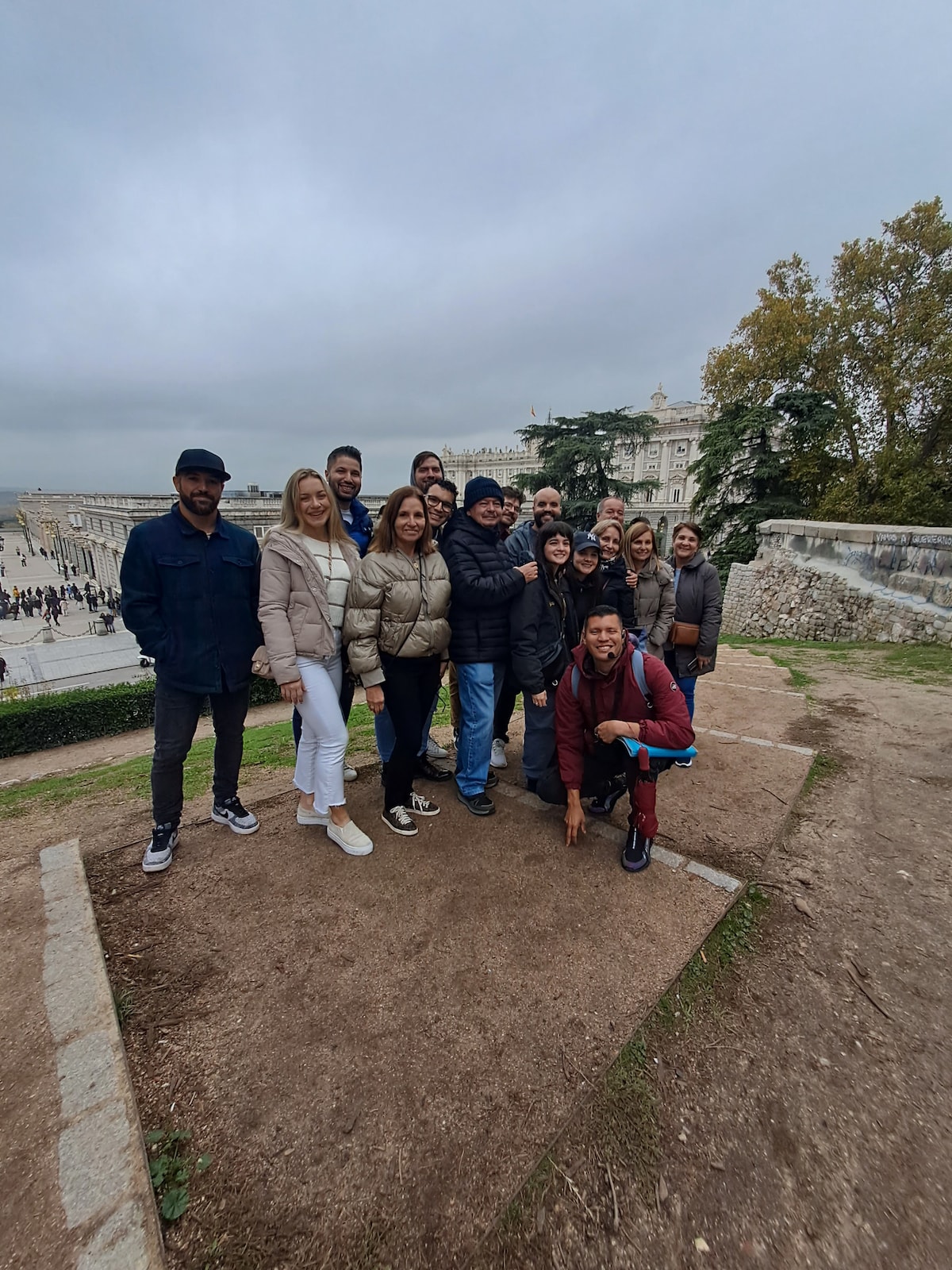
Freetour Discover the historic Madrid
Sat, Feb 7 • 4:30 PM
28000, Madrid, Community of Madrid, Spain
View details
Nearby attractions of Arab Walls
Catedral de la Almudena
St Mary Royal of the Almudena
Galería de las Colecciones Reales
Parque del Emir Mohamed I
Viaducto de Segovia
Las Vistillas Garden
Cathedral Church of the Armed Forces
Museum of the Almudena Cathedral
Royal Palace’s Ledge Viewpoint
Garden of the Prince of Anglona
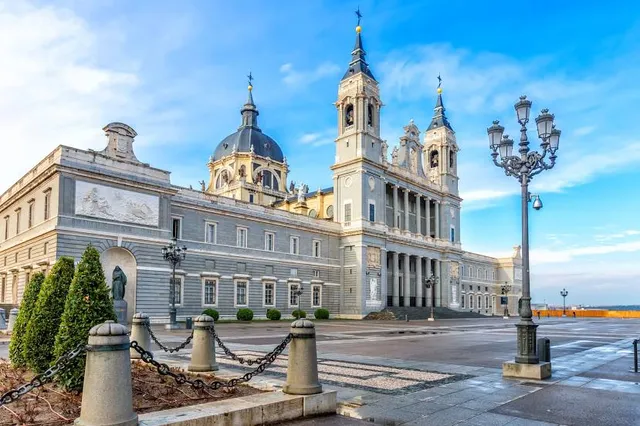
Catedral de la Almudena
4.6
(10.9K)
Open until 8:30 PM
Click for details
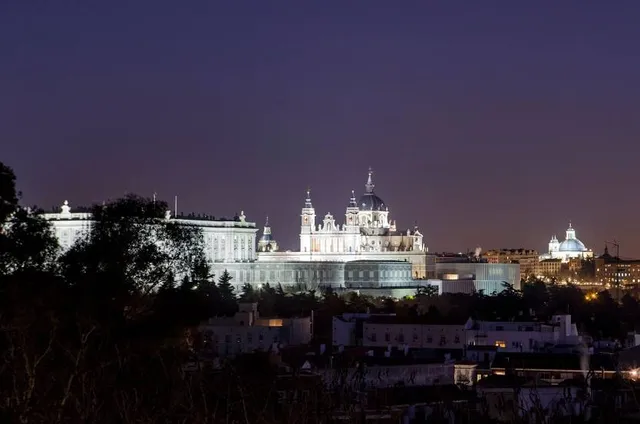
St Mary Royal of the Almudena
4.6
(770)
Open 24 hours
Click for details
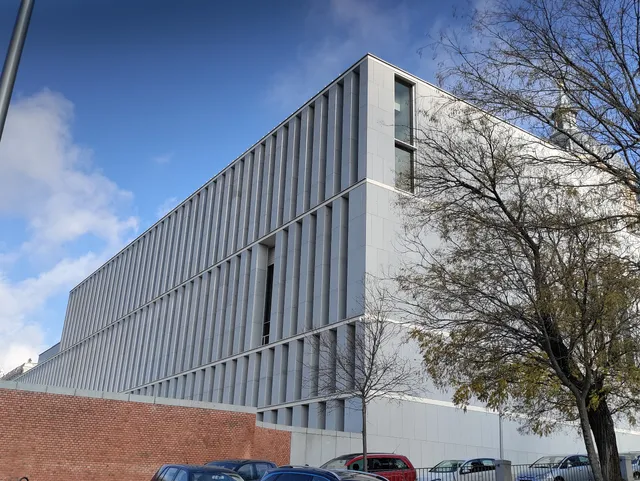
Galería de las Colecciones Reales
4.6
(2.3K)
Open until 8:00 PM
Click for details
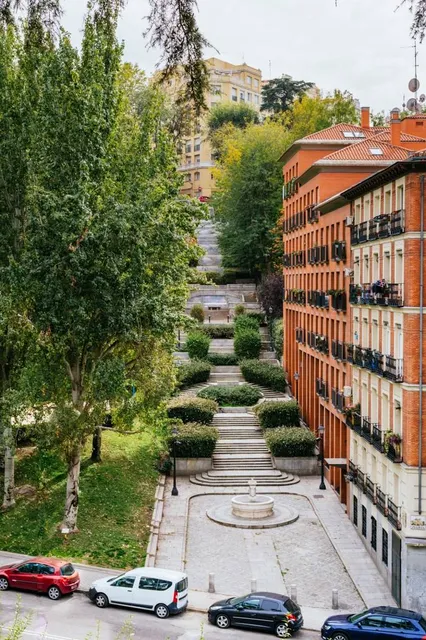
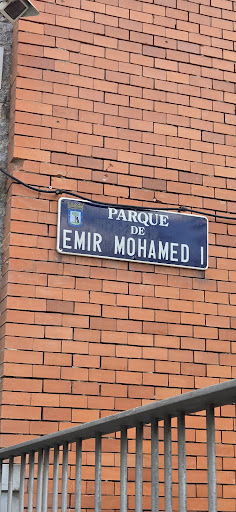
Parque del Emir Mohamed I
4.3
(241)
Open until 12:00 AM
Click for details
Nearby restaurants of Arab Walls
Singular de Mayor 88
Mercado de San Miguel
El Alamillo - Fonda Mexicana
La Mayor Cervecería (Madrid)
Choose Restaurante Vegano
EatMyTrip
Terraza Collins
Restaurante Argentino El Camoatí
Restaurante Dadam
Taberna Rayuela
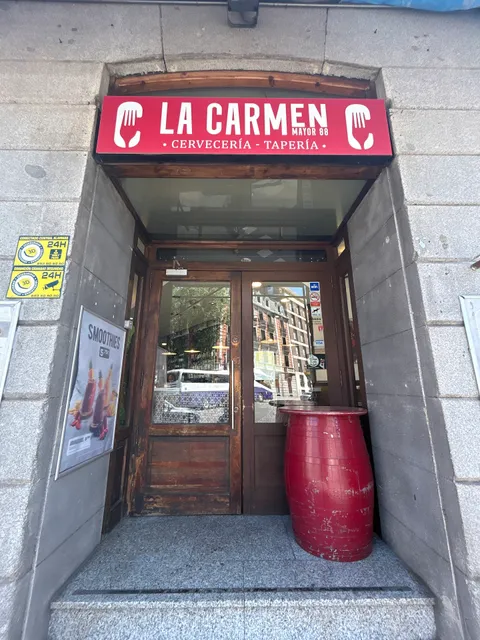
Singular de Mayor 88
4.1
(720)
Open until 10:00 PM
Click for details
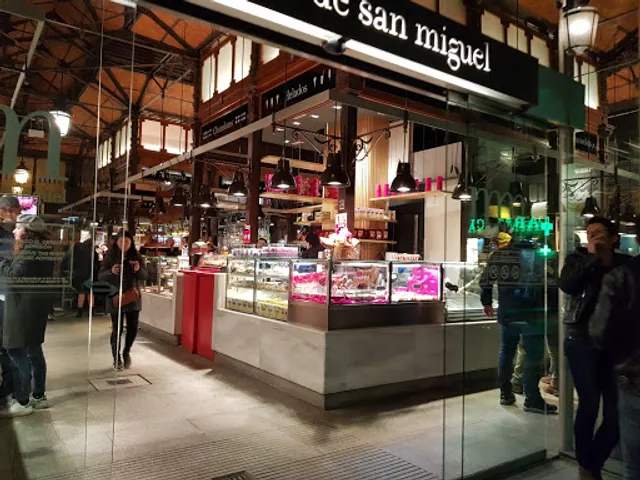
Mercado de San Miguel
4.4
(47.9K)
Open until 1:00 AM
Click for details
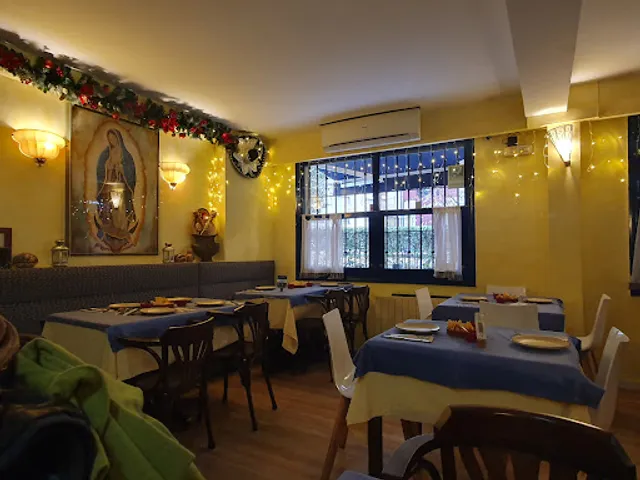
El Alamillo - Fonda Mexicana
4.2
(1.2K)
Open until 1:00 AM
Click for details
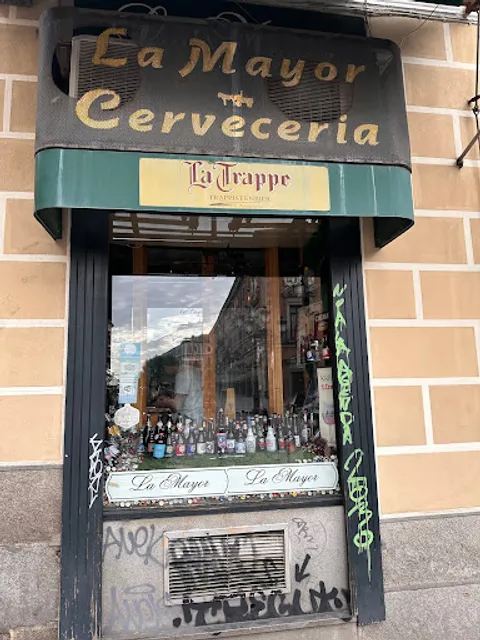
La Mayor Cervecería (Madrid)
4.6
(883)
Open until 1:00 AM
Click for details
Nearby local services of Arab Walls
Palacio Real
Archbishop of Madrid
La Cueva De Lola
Las Carboneras tablao flamenco
Taquilla Palacio Real
Domi
Casa de La Villa. City of Madrid
Mercado de la Cebada
COCOL
Spaces Rio
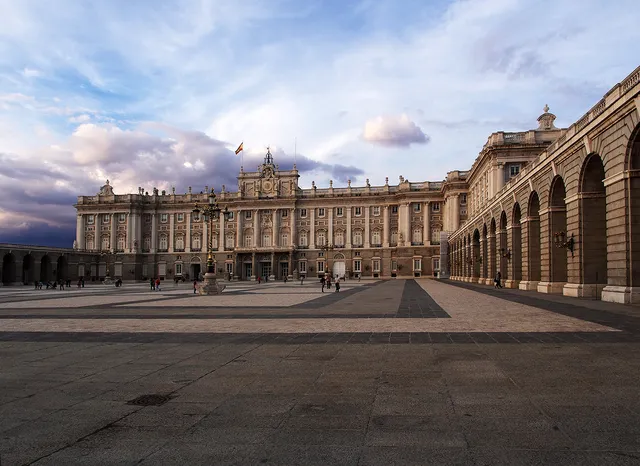
Palacio Real
4.7
(84)
Click for details
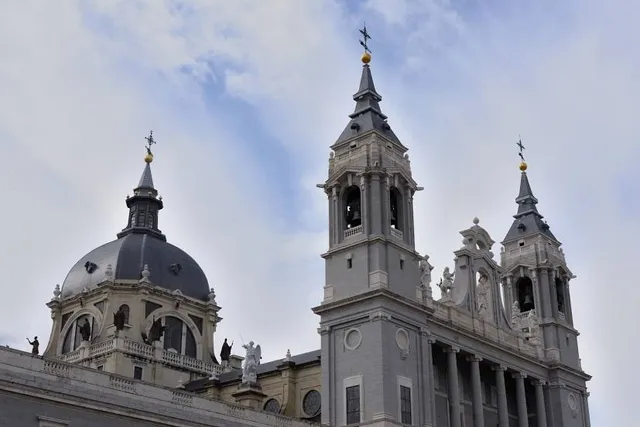
Archbishop of Madrid
4.3
(131)
Click for details

La Cueva De Lola
4.7
(718)
Click for details

Las Carboneras tablao flamenco
4.8
(1.4K)
Click for details