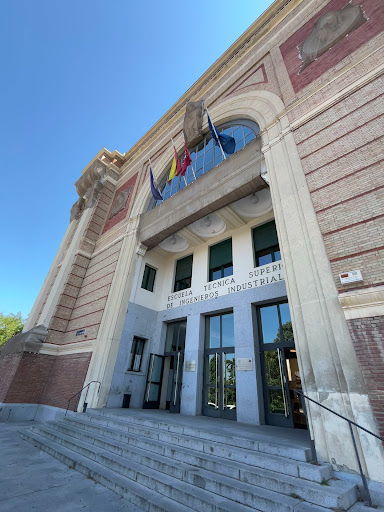
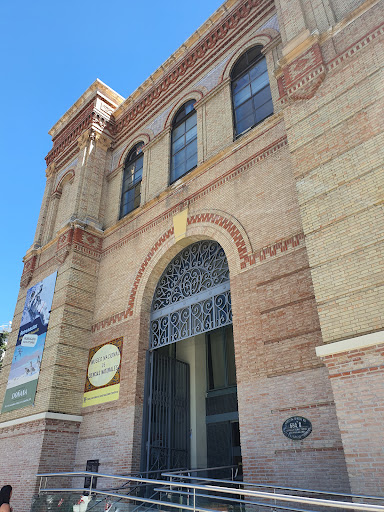
Museo Nacional de Ciencias Naturales things to do, attractions, restaurants, events info and trip planning
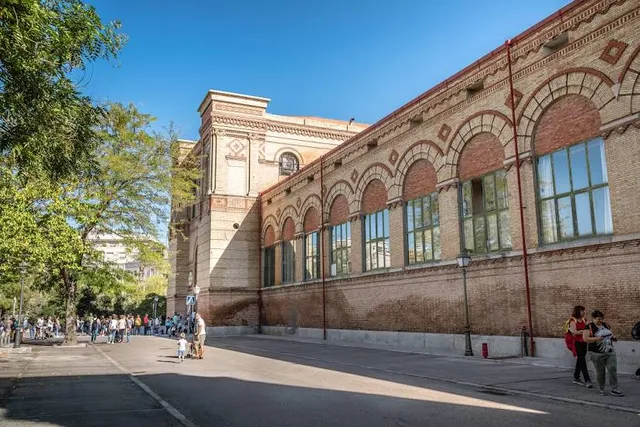
Basic Info
Museo Nacional de Ciencias Naturales
C. de José Gutiérrez Abascal, 2, Chamartín, 28006 Madrid, Spain
4.5(5.3K)
Open until 12:00 AM

tickets
Save
spot
spot
Ratings & Description
Info
The National Museum of Natural Sciences is the national museum of natural history of Spain. It is situated in the center of Madrid, by the Paseo de la Castellana. It is managed by the Spanish National Research Council.
Cultural
Accessibility
Family friendly
attractions: Monumento del Pueblo de Madrid a la Constitución Española de 1978, La Arquería de Nuevos Ministerios, Sorolla Museum, Monumento al Marqués del Duero, Lázaro Galdiano Museum, Fuente de los Delfines, LA ZONA GALLERY, Oculto Hair Club Madrid, Monumento a Emilio Castelar, Art Madrid Oficinas, restaurants: Swiss Butter, Kiosco Bellas Artes, La Madreña, Udaipur Indian Cuisine, Leña Madrid. Las brasas x Dani García, A Vánvera, Mo de Movimiento, A'Barra, Zalacaín Restaurant, The Pel Place, local businesses: La Máquina, Asador Del Norte, MINIM Madrid, Utopicus José Abascal - Oficinas & Coworking, Mercadona, Marvel, Kreisler Kitchen, Laghum Club, Basilica Parroquia La Milagrosa, REBEL GYM
 Learn more insights from Wanderboat AI.
Phone
+34 914 11 13 28
Website
mncn.csic.es
Open hoursSee all hours
Tue10 AM - 5 PMOpen
Plan your stay

Pet-friendly Hotels in Madrid
Find a cozy hotel nearby and make it a full experience.

Affordable Hotels in Madrid
Find a cozy hotel nearby and make it a full experience.

The Coolest Hotels You Haven't Heard Of (Yet)
Find a cozy hotel nearby and make it a full experience.

Trending Stays Worth the Hype in Madrid
Find a cozy hotel nearby and make it a full experience.
Reviews
Live events

Avatar: The Experience
Wed, Feb 11 • 4:00 PM
Paseo de las Delicias, 61, 28045
View details

DÍA INTERNACIONAL DE LA MUJER Y LA NIÑA EN LA CIENCIA: ARTEMIS2
Wed, Feb 11 • 5:00 PM
16 Avenida del Planetario Parque Tierno Galván, 28045 Madrid
View details

LETRAS ITINERANTES | Todos aman a Clara de David Foenkinos (ed. Alfaguara)
Thu, Feb 12 • 7:00 PM
10 Calle del Marqués de la Ensenada 28004 Madrid
View details
Nearby attractions of Museo Nacional de Ciencias Naturales
Monumento del Pueblo de Madrid a la Constitución Española de 1978
La Arquería de Nuevos Ministerios
Sorolla Museum
Monumento al Marqués del Duero
Lázaro Galdiano Museum
Fuente de los Delfines
LA ZONA GALLERY
Oculto Hair Club Madrid
Monumento a Emilio Castelar
Art Madrid Oficinas
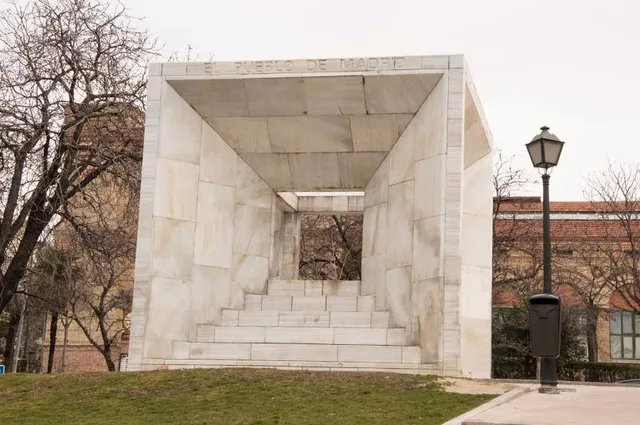
Monumento del Pueblo de Madrid a la Constitución Española de 1978
4.4
(100)
Open 24 hours
Click for details
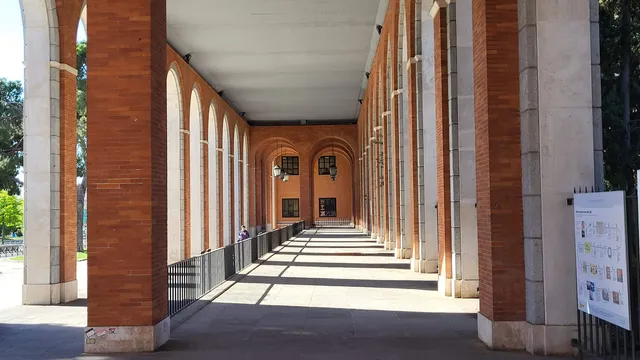
La Arquería de Nuevos Ministerios
4.3
(189)
Open until 12:00 AM
Click for details
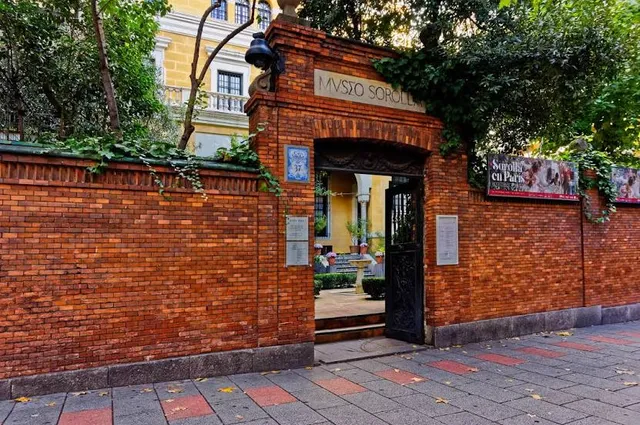
Sorolla Museum
4.7
(8K)
Open 24 hours
Click for details
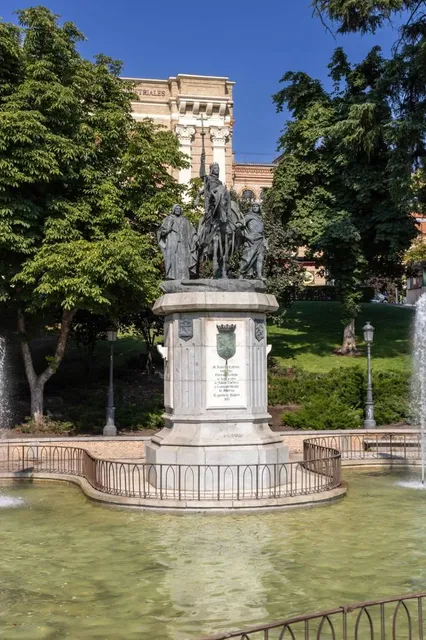
Monumento al Marqués del Duero
4.1
(23)
Open 24 hours
Click for details
Nearby restaurants of Museo Nacional de Ciencias Naturales
Swiss Butter
Kiosco Bellas Artes
La Madreña
Udaipur Indian Cuisine
Leña Madrid. Las brasas x Dani García
A Vánvera
Mo de Movimiento
A'Barra
Zalacaín Restaurant
The Pel Place

Swiss Butter
4.6
(1.8K)
Open until 12:00 AM
Click for details
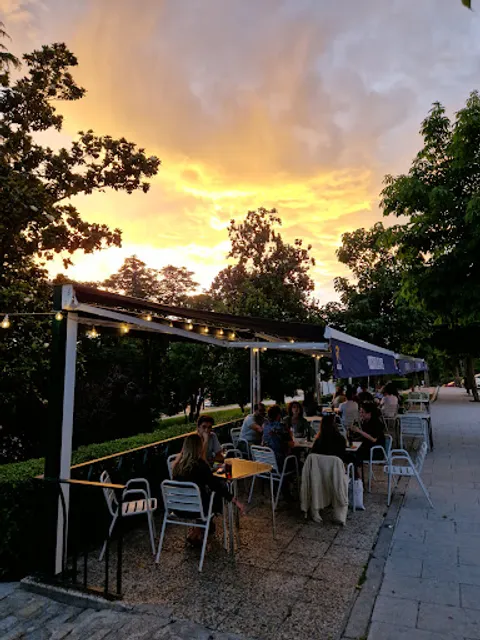
Kiosco Bellas Artes
3.9
(195)
Closed
Click for details
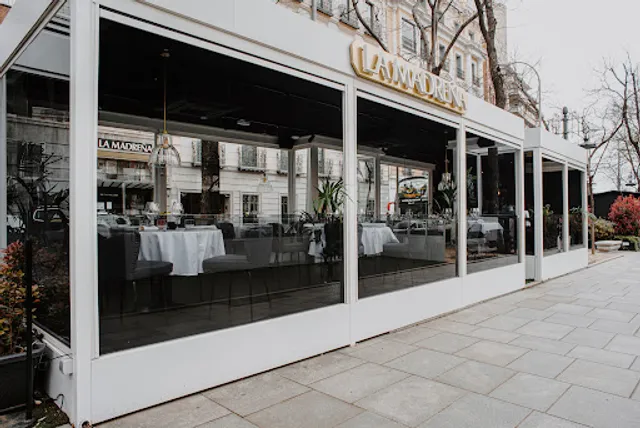
La Madreña
4.3
(1.0K)
$$
Closed
Click for details

Udaipur Indian Cuisine
4.4
(1.5K)
Open until 1:00 AM
Click for details
Nearby local services of Museo Nacional de Ciencias Naturales
La Máquina
Asador Del Norte
MINIM Madrid
Utopicus José Abascal - Oficinas & Coworking
Mercadona
Marvel
Kreisler Kitchen
Laghum Club
Basilica Parroquia La Milagrosa
REBEL GYM
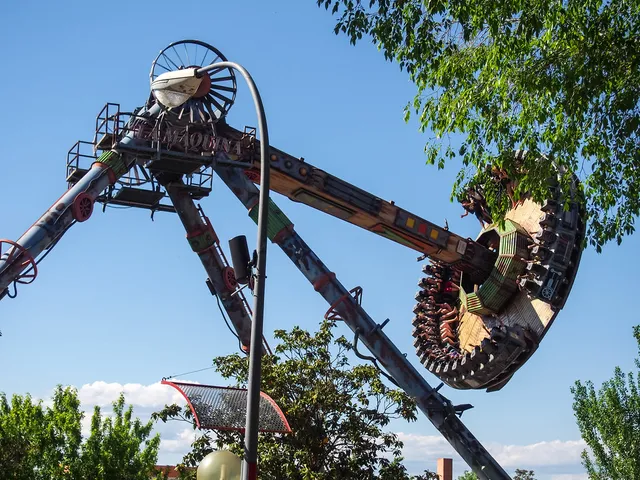
La Máquina
3.1
(32)
Click for details

Asador Del Norte
4.3
(348)
Click for details

MINIM Madrid
5.0
(12)
Click for details

Utopicus José Abascal - Oficinas & Coworking
4.7
(26)
Click for details