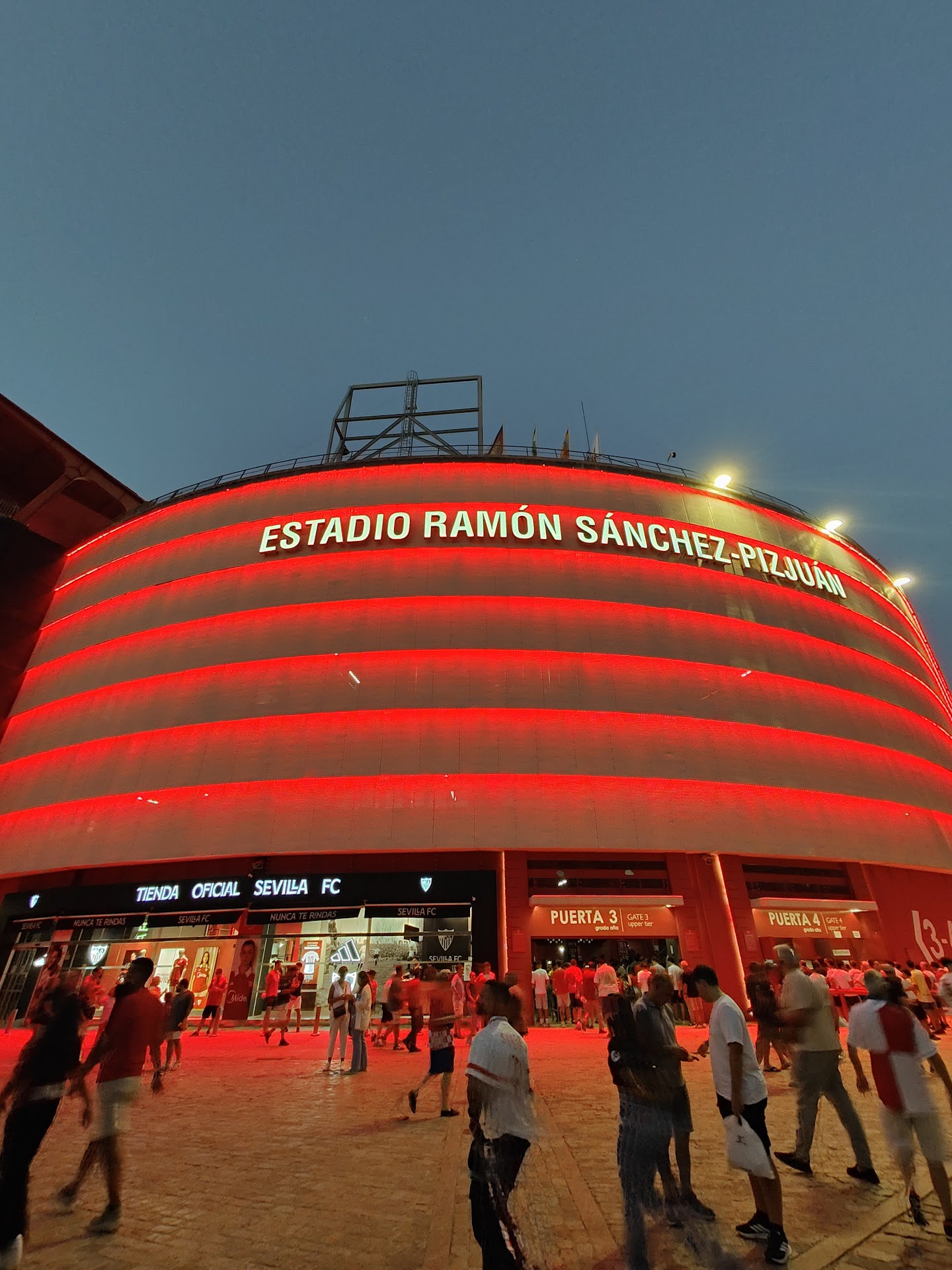
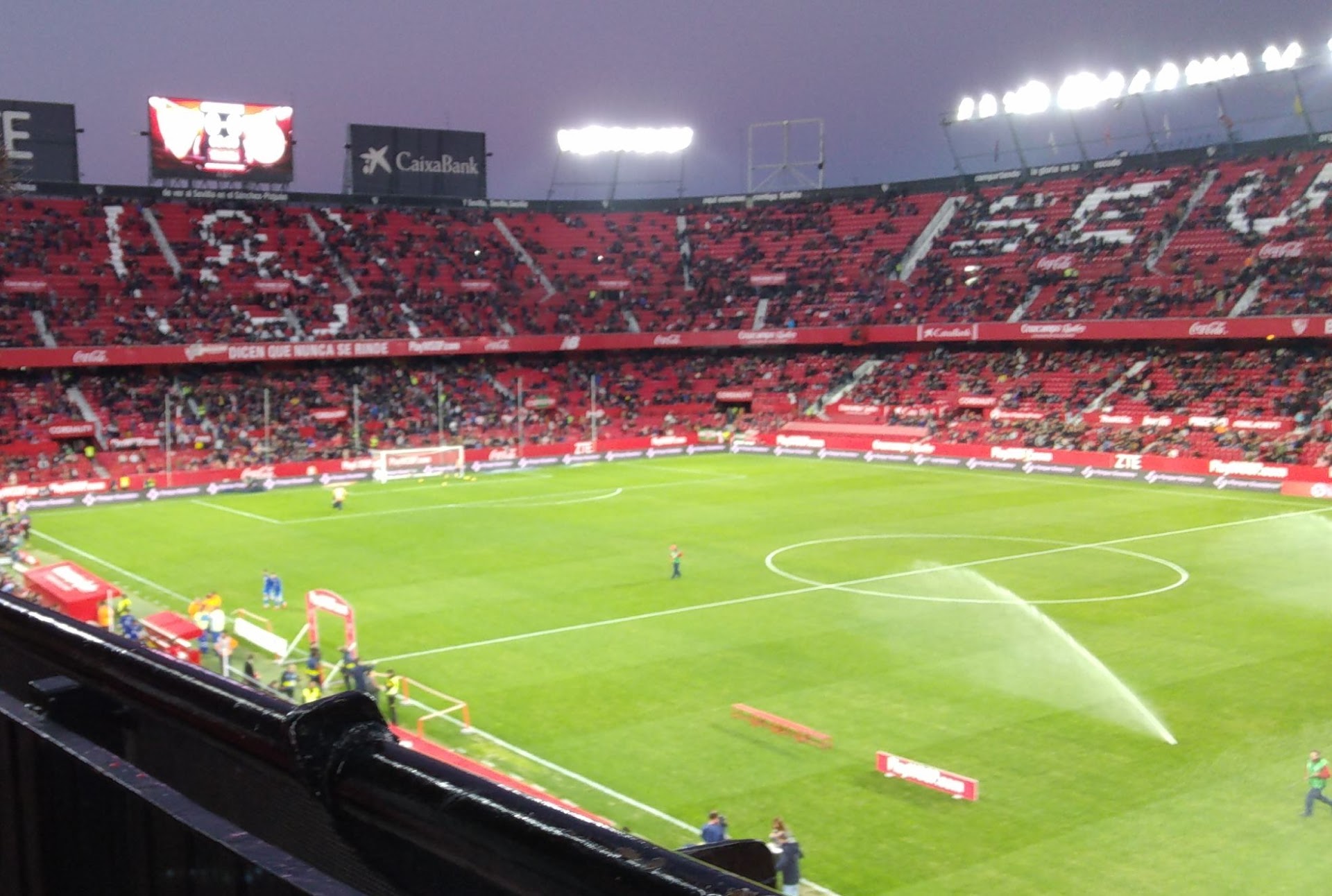
Ramon Sanchez-Pizjuan Stadium things to do, attractions, restaurants, events info and trip planning
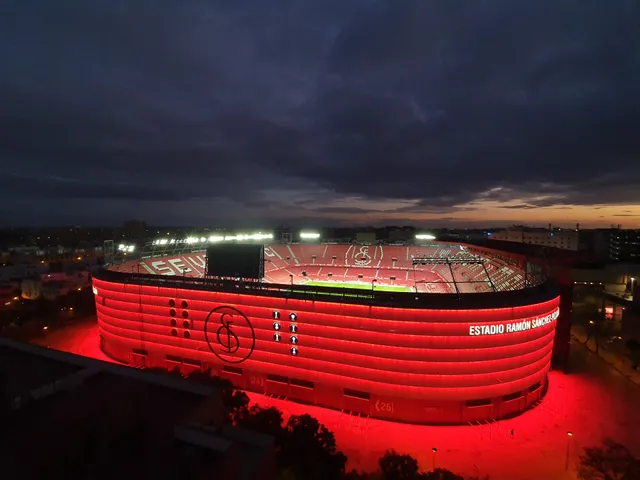
Basic Info
Ramon Sanchez-Pizjuan Stadium
C. Sevilla Fútbol Club, s/n, 41005 Sevilla, Spain
4.6(8.1K)
Open 24 hours
Save
spot
spot
Ratings & Description
Info
Cultural
Entertainment
Family friendly
Accessibility
attractions: Escape Room Sevilla - Coco Room, Jardines de la Buhaira, Llave Mayor Escape Room Sevilla, Templete de la Cruz del Campo, LongRock, Escape Room CHISPAZO, Bodega Manué Vinos A Granel, Universidad de Sevilla Faculty of Psychology, Federico García Lorca Park, University of Seville Faculty of Tourism and Finance, restaurants: Fridays, La Comilona, Mareaviva, Café bar La Pulchra, Ginos, Mesón Campeones, Nou Port, Goiko, Voltereta París - Sevilla, Manolo Bakes, local businesses: mk2 Cinesur Nervión Plaza, El Corte Inglés Nervión, Rossellimac, CeX, GAME, Orange, Goya Electronica, Dulcería Croissance by Soler, SinVello! Sevilla - Nervión | Depilación Láser Diodo, Sevilla Computer
 Learn more insights from Wanderboat AI.
Phone
+34 954 53 53 53
Website
sevillafc.es
Plan your stay

Pet-friendly Hotels in Seville
Find a cozy hotel nearby and make it a full experience.

Affordable Hotels in Seville
Find a cozy hotel nearby and make it a full experience.

The Coolest Hotels You Haven't Heard Of (Yet)
Find a cozy hotel nearby and make it a full experience.

Trending Stays Worth the Hype in Seville
Find a cozy hotel nearby and make it a full experience.
Reviews
Live events
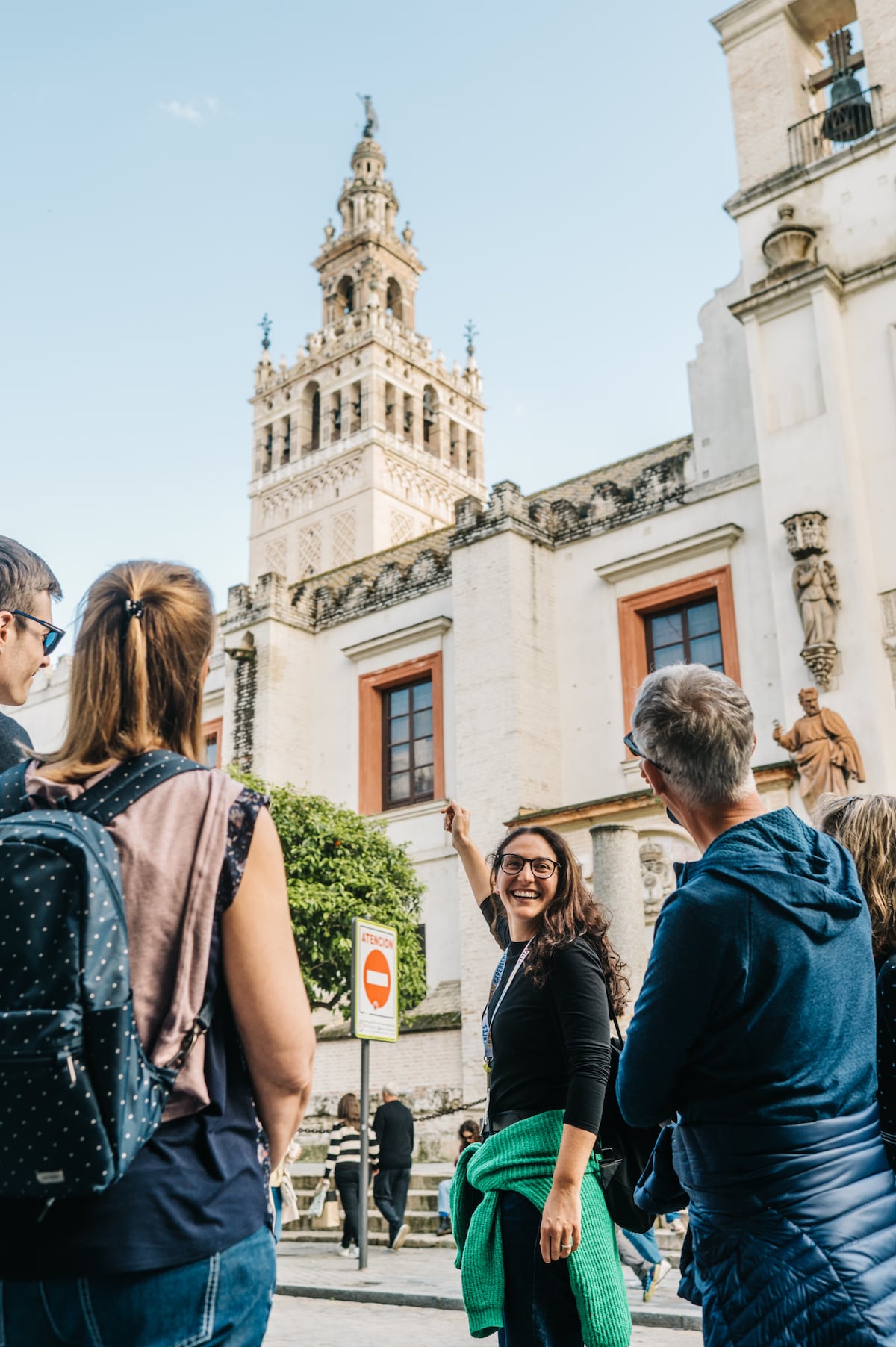
Explore Seville’s highlights with a local guide
Tue, Feb 17 • 10:00 AM
41004, Seville, Andalusia, Spain
View details

The Jury Experience — Muerte por IA: ¿Quién Paga el precio?
Sat, Feb 14 • 5:00 PM
Calle Leonardo da Vinci, 7, Sevilla, 41092
View details
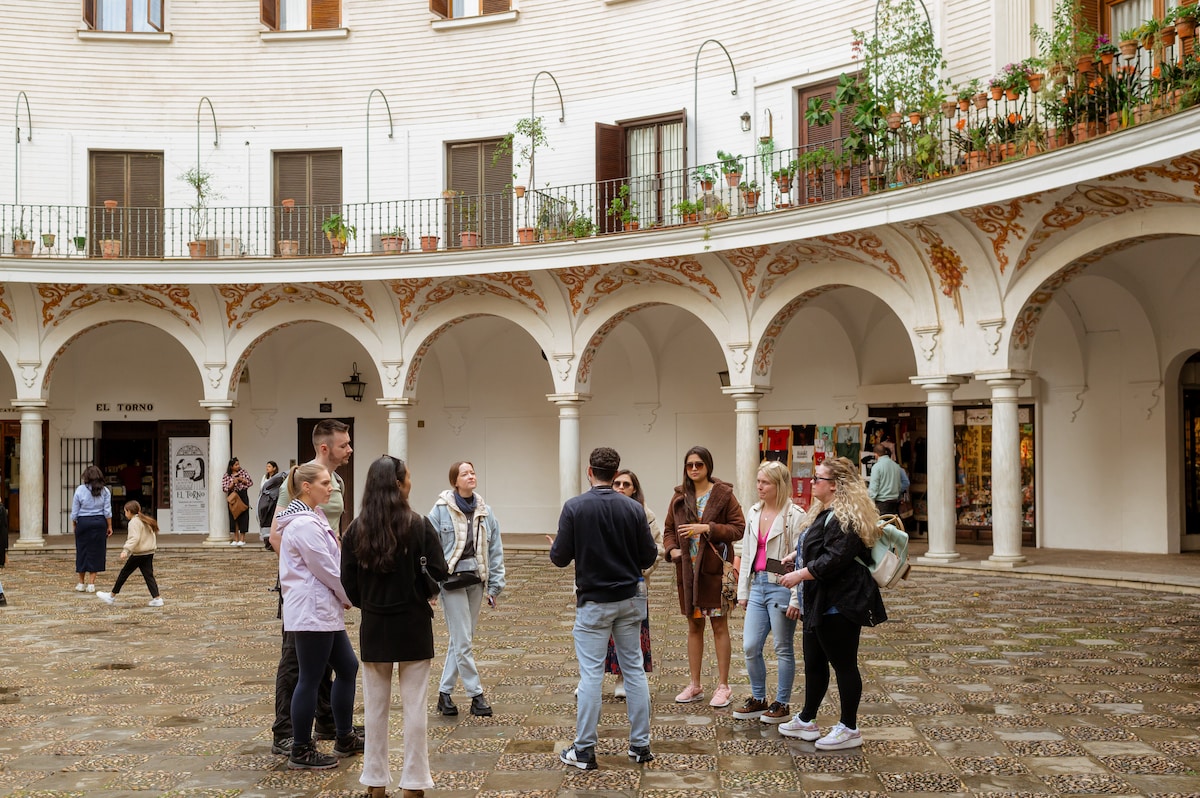
Walking Tour of Sevilles Secrets
Fri, Feb 13 • 12:00 PM
41001, Seville, Andalusia, Spain
View details
Nearby attractions of Ramon Sanchez-Pizjuan Stadium
Escape Room Sevilla - Coco Room
Jardines de la Buhaira
Llave Mayor Escape Room Sevilla
Templete de la Cruz del Campo
LongRock
Escape Room CHISPAZO
Bodega Manué Vinos A Granel
Universidad de Sevilla Faculty of Psychology
Federico García Lorca Park
University of Seville Faculty of Tourism and Finance
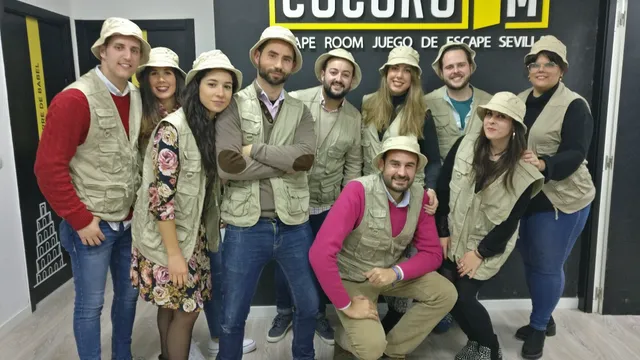
Escape Room Sevilla - Coco Room
4.5
(181)
Open until 10:00 PM
Click for details
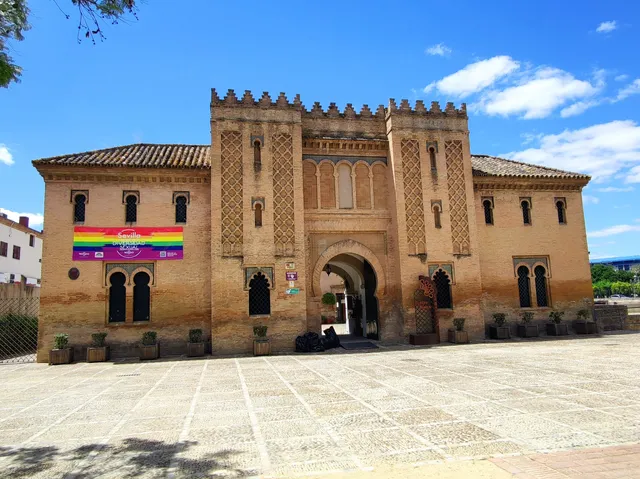
Jardines de la Buhaira
4.4
(605)
Open until 12:00 AM
Click for details
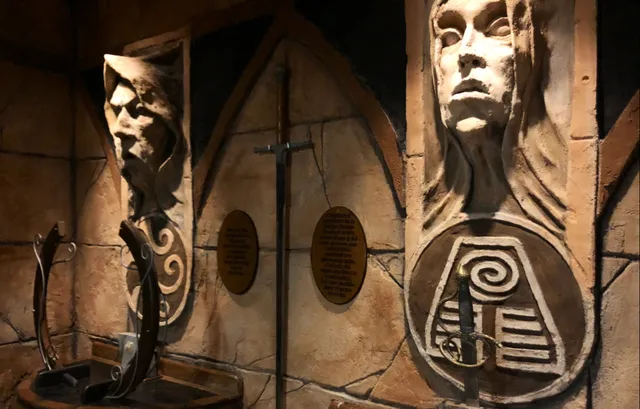
Llave Mayor Escape Room Sevilla
4.3
(162)
Open until 9:00 PM
Click for details
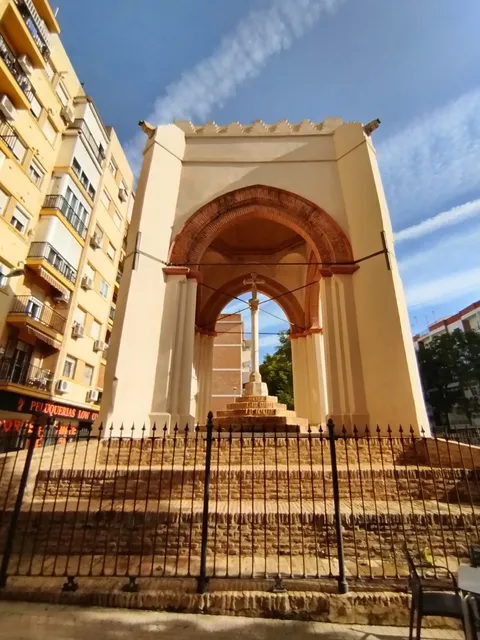
Templete de la Cruz del Campo
4.5
(38)
Open 24 hours
Click for details
Nearby restaurants of Ramon Sanchez-Pizjuan Stadium
Fridays
La Comilona
Mareaviva
Café bar La Pulchra
Ginos
Mesón Campeones
Nou Port
Goiko
Voltereta París - Sevilla
Manolo Bakes
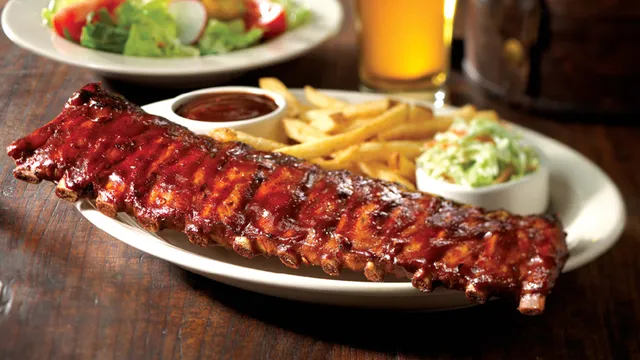
Fridays
4.3
(1.3K)
Open until 12:00 AM
Click for details
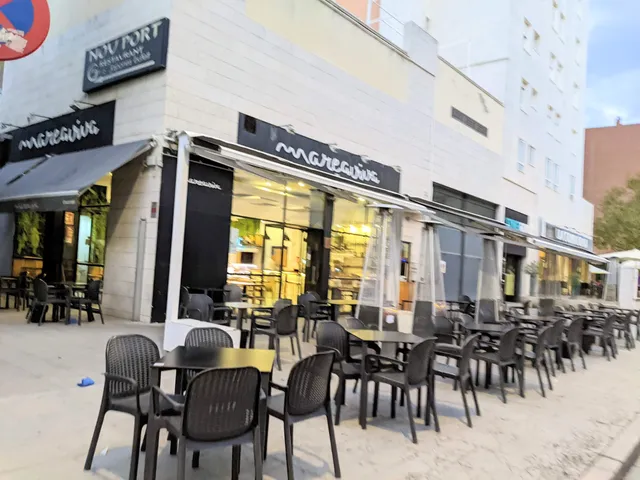
La Comilona
4.3
(1.2K)
Open until 11:30 PM
Click for details
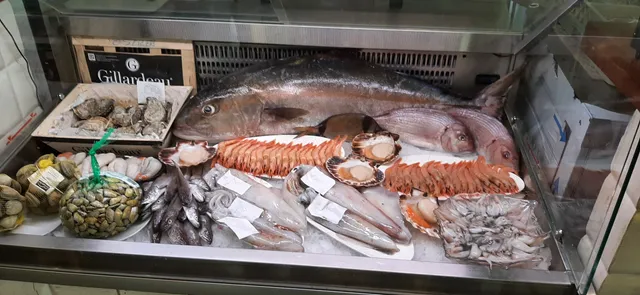
Mareaviva
4.4
(1.1K)
Open until 12:00 AM
Click for details
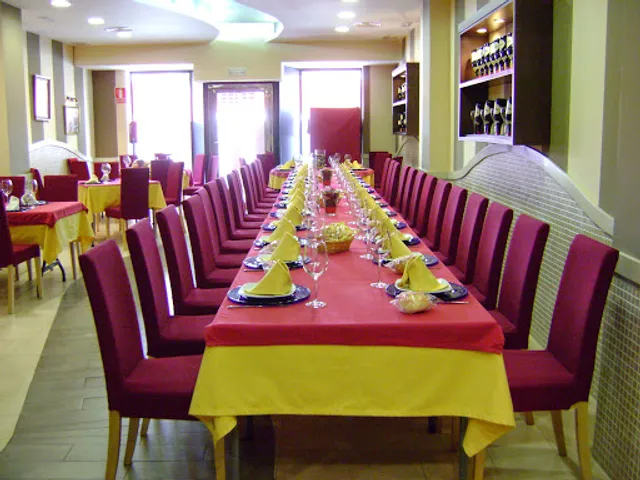
Café bar La Pulchra
4.5
(490)
Closed
Click for details
Nearby local services of Ramon Sanchez-Pizjuan Stadium
mk2 Cinesur Nervión Plaza
El Corte Inglés Nervión
Rossellimac
CeX
GAME
Orange
Goya Electronica
Dulcería Croissance by Soler
SinVello! Sevilla - Nervión | Depilación Láser Diodo
Sevilla Computer
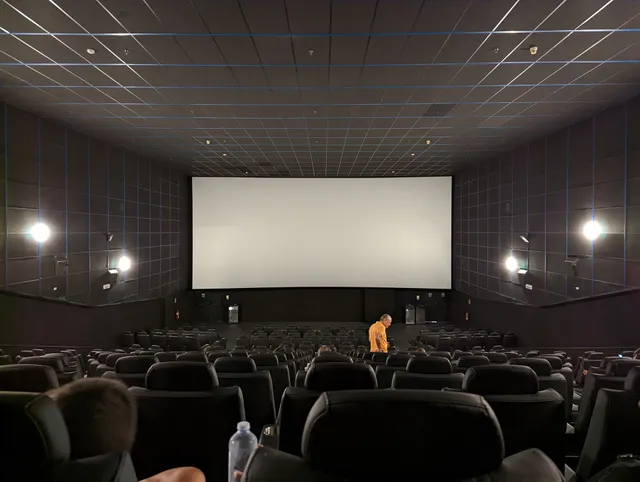
mk2 Cinesur Nervión Plaza
4.0
(2.4K)
Click for details
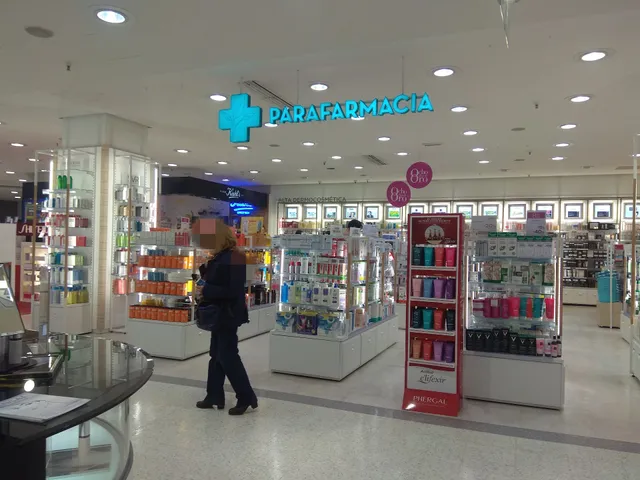
El Corte Inglés Nervión
4.2
(6.8K)
Click for details
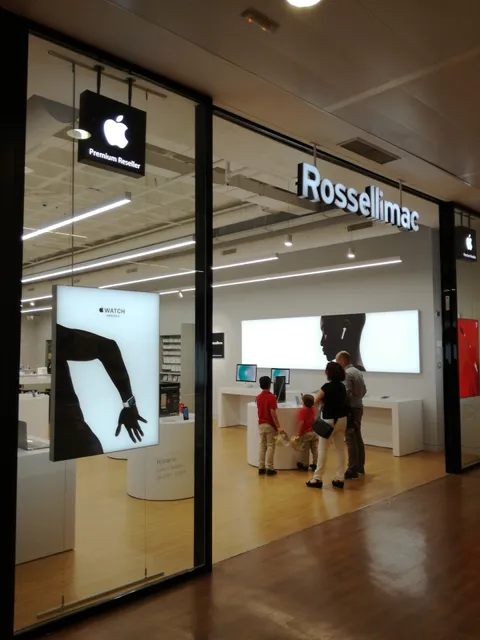
Rossellimac
3.9
(398)
Click for details
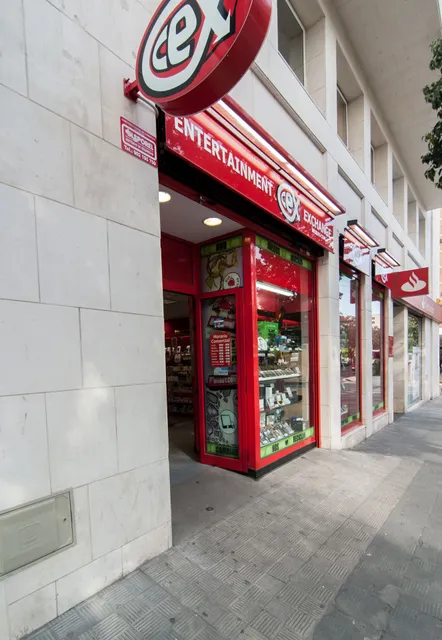
CeX
4.1
(614)
Click for details