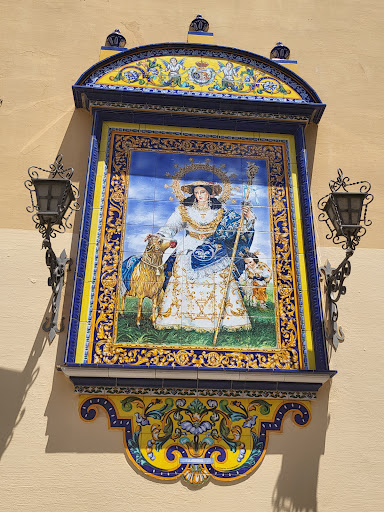
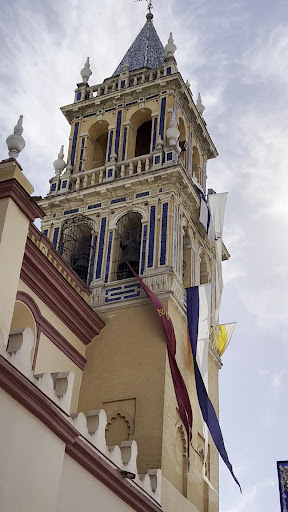
Real parroquia de Señora Santa Ana, España.
In the small town of Real, located in the beautiful country of Spain, there was a historical church called the Real Parroquia de Señora Santa Ana. This church was known for its stunning architecture, rich history, and strong presence in the community.
The Real Parroquia de Señora Santa Ana was built in the 17th century and was dedicated to the patron saint of the town, Santa Ana. It was a place of worship, where the townspeople would come to pray, seek guidance, and find solace.
The church was a sight to behold, with its tall bell towers, intricate carvings, and beautiful stained glass windows. It was said that the church was blessed with a special energy, that gave visitors a feeling of peace and tranquility as soon as they entered.
The town of Real revolved around the church, with many festivals and celebrations taking place in its courtyard. The annual festival of Santa Ana was a grand affair, with the entire town coming together to honor their patron saint. The church bells would ring, and the streets would be decorated with colorful banners and lights. The aroma of delicious food filled the air, and people danced and sang in celebration.
The church was not only a place of worship but also a place of refuge for the townspeople. During difficult times, they would turn to the church for comfort and support. The priests and nuns of the Real Parroquia de Señora Santa Ana were known for their kind hearts and wise words, and they were always there to offer a helping hand to those in need.
One story that was passed down through generations was about a young girl named Maria. She was an orphan who had lost her family in a tragic accident. Maria had no one to turn to, and she felt lost and alone. One day, she stumbled upon the Real Parroquia de Señora Santa Ana and decided to seek refuge in the church. The priests and nuns welcomed her with open arms, and Maria found a new family in the church. She spent her days helping out in the church and found solace in the peaceful atmosphere.
Years went by, and Maria grew up to be a strong and kind-hearted woman. She dedicated her life to the church and became a nun, serving the community and spreading love and kindness wherever she went. The Real Parroquia de Señora Santa Ana had not only given Maria a home but also a purpose in life.
The church continued to be a beacon of hope and love for the people of Real for centuries to come. It stood as a symbol of strength and resilience, surviving wars and natural disasters. The Real Parroquia de Señora Santa Ana was more than just a building; it was the heart and soul of the town, connecting people through faith and love.
Today, the church still stands tall, and the bells still ring, welcoming people from all walks of life. The Real Parroquia de Señora Santa Ana is a testament to the enduring power of faith and the unbreakable bond between a community and their...
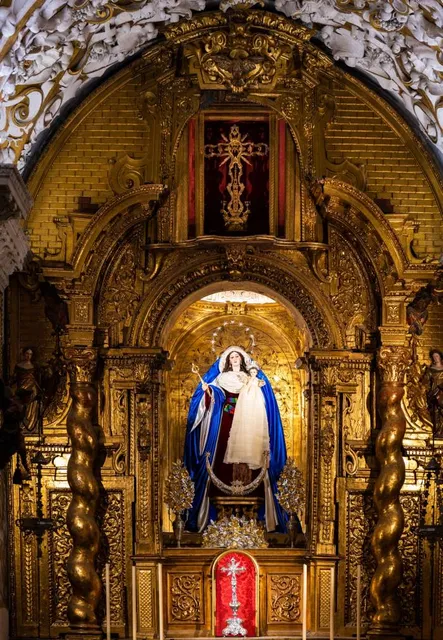
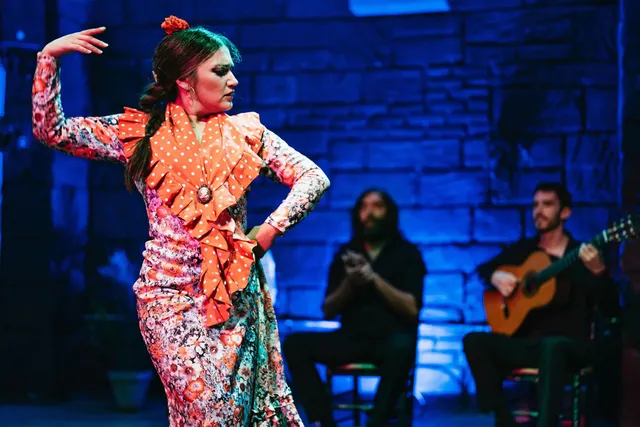
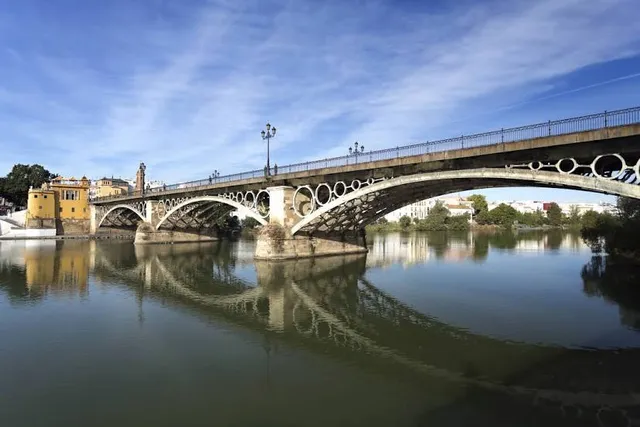
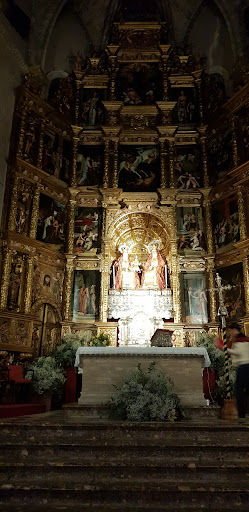
Read moreL’ espressione della profonda religiosità degli abitanti del Barrio di Triana, di gente comune e di personaggi famosi si riflette in questa magnifica chiesa che conserva le memorie dei ferventi fedeli che da più di sette secoli hanno mostrato concretamente la loro devozione. Per la sua storia, l'architettura e le opere d' arte, la Parrocchia Reale di Señora Santa Ana, nel 1931 è stata dichiarata monumento di interesse culturale. La costruzione della chiesa di stile gotico mudéjar iniziò nel 1266 per volere del re Alfonso X, che era guarito da una malattia agli occhi per l' intervento miracoloso di Sant' Anna. La chiesa denominata “ la Catedral de Triana” è stata la prima chiesa progettata ex novo e costruita a Siviglia dopo la Reconquista. Ospita diverse confraternite e fino al 1830 vi si svolgeva la Via Crucis celebrata durante la Semana Santa. Una delle più importanti la Confraternita della “Esperanza de Triana”, fondata nel XVII secolo dall’unione di tre corporazioni di arti e mestieri: i pescatori, i marinai e i vasai, ebbe tra le sue diverse sedi la chiesa di Sant’Anna Nel corso del tempo l’ edificio ha subito numerosi rifacimenti e dopo il terremoto del 1 novembre del 1755 è stata parzialmente ricostruita da Pedro de Silva. Il capomastro dell'Arcivescovado conferì alla facciata un aspetto barocco. Sull’ altare maggiore si trova la magnifica pala realizzata da Nufro Ortega e Nicolás Jurate, costituita da quindici dipinti su tavola realizzati da Pedro de Campaña tra il 1550 e il 1556. Al centro si trova la statua di Sant'Anna, con la Vergine e il Bambino, opera della seconda metà del XIII secolo, restaurata all'inizio del XVII secolo da Francisco de Ocampo. La pala è stata completamente restaurata dall'Istituto andaluso del patrimonio storico (IAPH) tra il 2008 e il 2010. All'interno della chiesa, tra il 1970 e il 1972, è stato condotto un intervento di restauro, sotto la direzione dell'architetto Rafael Manzano, per far emergere mattoni e pietre, recuperando l' originario aspetto medievale. Nobili, soldati, mercanti, marinai e uomini facoltosi del Barrio di Triana finanziarono la costruzione delle cappelle laterali a partire dalla fine del XV secolo e furono i committenti di grandi scultori, pittori, architetti, orafi e ceramisti che hanno realizzato le magnifiche opere che oggi si possono ammirare all' interno dell' edificio di culto e che costituiscono il suo ricco patrimonio artistico. Oltre alle tre cappelle principali delle navate, la Parrocchia reale di Señora Santa Ana ne ha sei nelle navate laterali. Nella chiesa è possibile vedere un antico fonte battesimale in pietra del XIII secolo denominato la “ pila degli zingari". I Sivigliani dicono che: "Quando un ragazzo o una ragazza sono immersi in questo fonte battesimale , in quel momento imparano a cantare e ballare il flamenco" Dall' interno della chiesa si può accedere alla cripta dove fu sepolto Martin Alonso Pinson, il capitano di una delle caravelle di Cristoforo Colombo e si conserva l’ ex voto del navigatore genovese per il viaggio alla scoperta delle Americhe. La chiesa è aperta dalle ore 20:00 alle 21:30. Il sabato e la domenica fino alle 21:30. La domenica anche al mattino dalle ore 11:00 alle 13:30. Il biglietto d' ingresso per visitare la chiesa costa 3 euro. Tra il 21 e il 26 luglio si celebra la Velá di Sant' Anna, una festa che risale al XIII secolo e che vede la grande partecipazione degli abitanti di Triana e che riflette l'identità del barrio esprimendo lo...
Read moreJ'ai bien aimé visiter Santa Ana, cette église car c'est la plus ancienne de Séville car c'est un joyau historique et architectural de Séville.
L'église Santa Ana est située dans le quartier de Triana à Séville, en Andalousie, Espagne. Elle se trouve dans le vieux quartier du district de Triana, entourée par les rues Pelay Correa, Vázquez de Leca, Pureza et Bernardo Guerra. L'adresse exacte est Vázquez de Leca, 1, Triana, Séville.
L'église Santa Ana est la plus ancienne de Séville, construite entre 1276 et 1280 sur ordre du roi Alphonse X. Elle est un mélange de styles architecturaux, notamment gothique et mudéjar, avec des éléments baroques ajoutés plus tard. L'intérieur de l'église est impressionnant avec ses voûtes gothiques et son retable majeur, orné de peintures de Pedro de Campaña. J'ai apprécié le magnifique retable, les belles chapelles et la crypte pleine de trésors. L'ambiance est chaleureuse et pittoresque, reflétant l'histoire et la culture de Triana.
L'entrée m'a coûtée 4 €. J'ai trouvé ce prix convenable. C'était en Mai 2025. Les horaires d'ouverture sont variables, mais généralement l'église est ouverte de 10h30 à 13h30 et de 16h30 à 19h du lundi au jeudi, et de 11h à 13h30 et de 16h30 à 19h le vendredi. En juillet, l'église est ouverte le matin, et elle est fermée en août. Il est recommandé de vérifier les horaires avant de visiter, car ils peuvent varier.
Pour faire une synthèse, je peux dire que l'église Santa Ana de Triana est un joyau historique et architectural de Séville. Située dans le quartier pittoresque de Triana, elle est la plus ancienne église de la ville, construite au XIIIe siècle. Son architecture unique, mêlant styles gothique, mudéjar et baroque, en fait un lieu incontournable pour les amateurs d'histoire et de culture. Les visiteurs peuvent admirer son magnifique retable, ses chapelles ornées et sa crypte riche en trésors. L'ambiance chaleureuse et l'accueil des paroissiens rendent la visite encore plus agréable. Avec un tarif d'entrée modeste pour l'entretenir et des horaires d'ouverture flexibles, l'église Santa Ana est une étape essentielle pour découvrir l'héritage culturel de Séville.
Je vous recommande la visite de cette église Santa Ana car elle date de 1280 et c'est la plus ancienne de Séville.
Je joins en annexe quelques photos et vidéos. Svp mettre un smiley, un bravo ou un cœur ou autre etc...sous l'avis et les photos pour m'encourager dans ma démarche. Cela fait toujours plaisir d'avoir des retours sympathiques.
Bonne visite. Best regards. Éric Tison F-57 Féy (Metz....
Read more