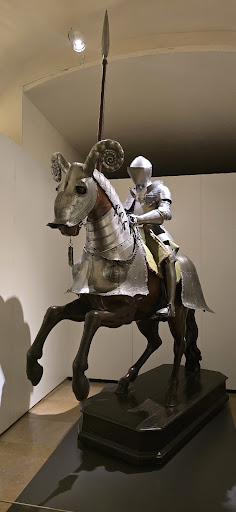
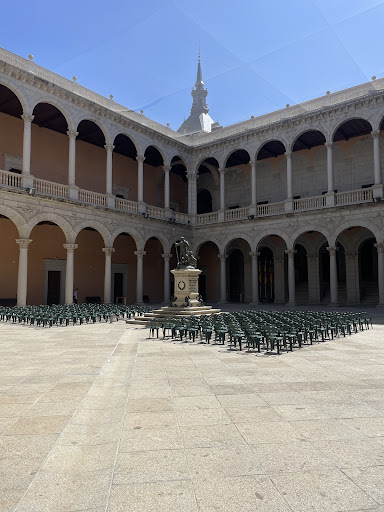
Army Museum things to do, attractions, restaurants, events info and trip planning
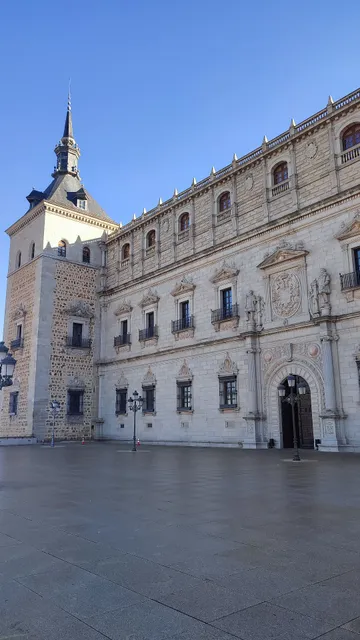
Basic Info
Army Museum
C. de la Paz, s/n, 45001 Toledo, Spain
4.5(2.9K)
Closed
tickets
Save
spot
spot
Ratings & Description
Info
Cultural
Family friendly
Accessibility
attractions: Alcázar de Toledo, TrainVision, Museum of Santa Cruz, Santa Iglesia Catedral Primada de Toledo, MUSEO CROMÁTICA, Iluziona Museo, Statue of Miguel de Cervantes, Paseo del Miradero, Alcantara Bridge, Arco de la Sangre, restaurants: El Trébol, Taberna Cuchara de Palo, Tapas Restaurante GO ALCÁZAR, Cafetería El Foro de Toledo, Junípero, Tabernita Tapas Bar, Bar Ludeña, Bar Ludeña, Restaurante Pizzería COMES, La Cave, local businesses: Free Tour Toledo Rutas FollowMe, Visitas Guiadas Toledo / Rutas Pasearte Toledo, Pl. de Zocodover, Sithons Discoteca, Visitas guiadas en Toledo De Paseo Experience, Rutas de Toledo, Confitería Santo Tomé, Alcantara Bridge, Toledo AP - Alojamientos turísticos (oficina), 🛅Consigna Toledo Lockers
 Learn more insights from Wanderboat AI.
Phone
+34 925 23 88 00
Website
ejercito.defensa.gob.es
Open hoursSee all hours
Fri10 AM - 5 PMClosed
Plan your stay

Pet-friendly Hotels in Toledo
Find a cozy hotel nearby and make it a full experience.

Affordable Hotels in Toledo
Find a cozy hotel nearby and make it a full experience.

The Coolest Hotels You Haven't Heard Of (Yet)
Find a cozy hotel nearby and make it a full experience.

Trending Stays Worth the Hype in Toledo
Find a cozy hotel nearby and make it a full experience.
Reviews
Live events
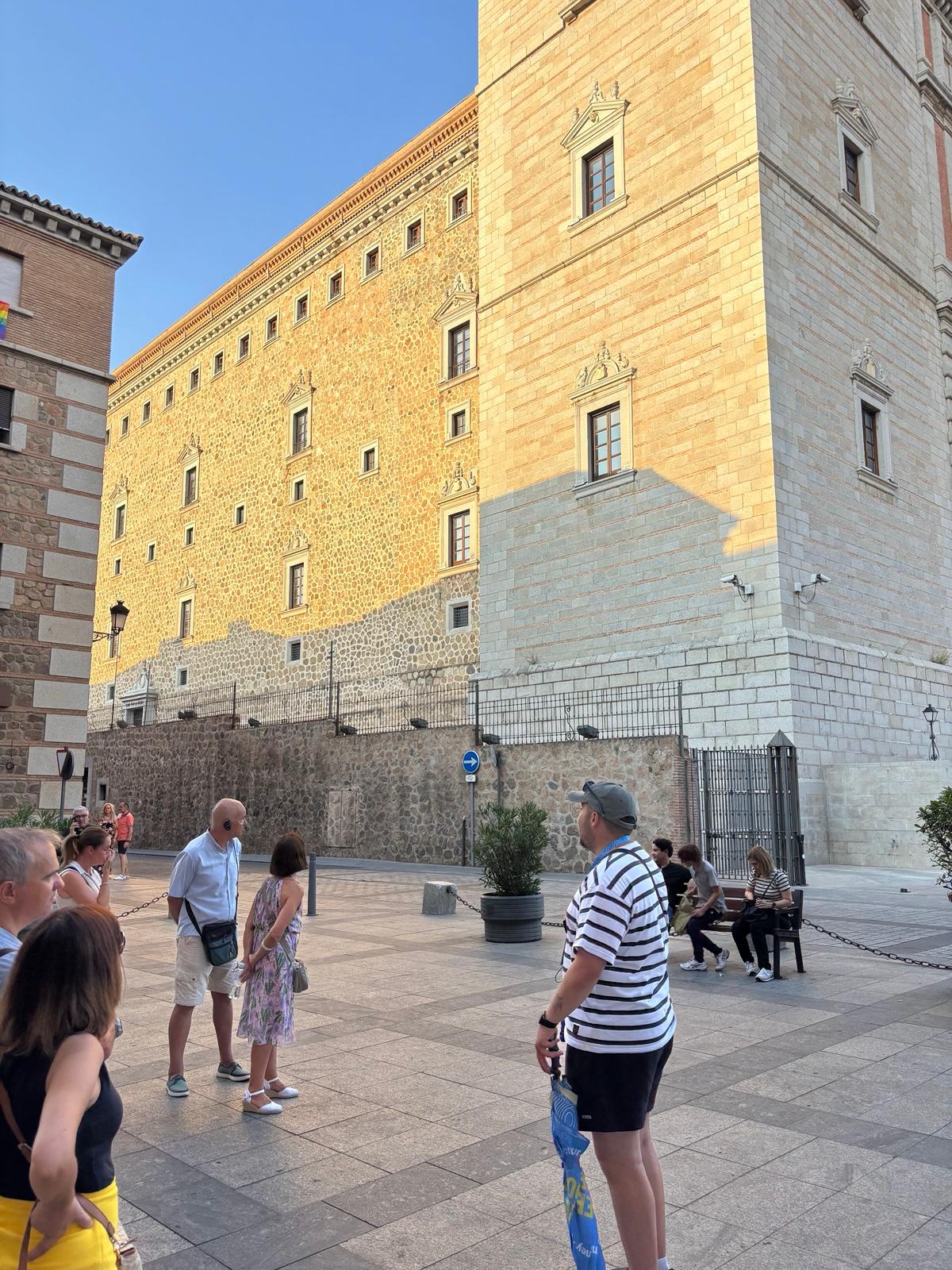
Discover the Three Cultures of Toledo
Fri, Feb 27 • 4:30 PM
45001, Toledo, Castile-La Mancha, Spain
View details

Candlelight: Lo Mejor de Ludovico Einaudi
Sat, Feb 28 • 5:00 PM
Calle de los Concilios, 1, Toledo, 45005
View details
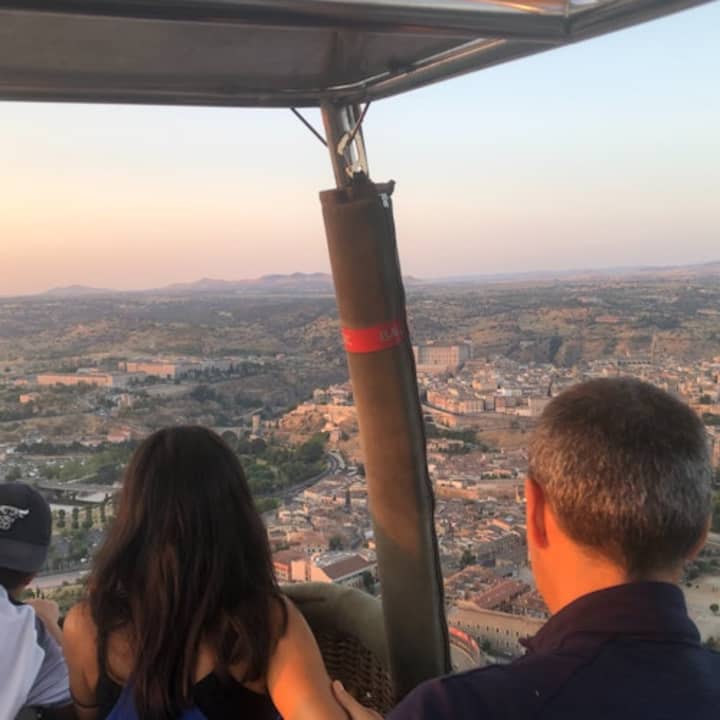
Vuelo en globo con desayuno y cava en Toledo
Fri, Feb 27 • 7:00 AM
Calle Tornerías, 19, Toledo, 45001
View details
Nearby attractions of Army Museum
Alcázar de Toledo
TrainVision
Museum of Santa Cruz
Santa Iglesia Catedral Primada de Toledo
MUSEO CROMÁTICA
Iluziona Museo
Statue of Miguel de Cervantes
Paseo del Miradero
Alcantara Bridge
Arco de la Sangre

Alcázar de Toledo
4.6
(14.2K)
Closed
Click for details

TrainVision
4.5
(1.4K)
Open 24 hours
Click for details
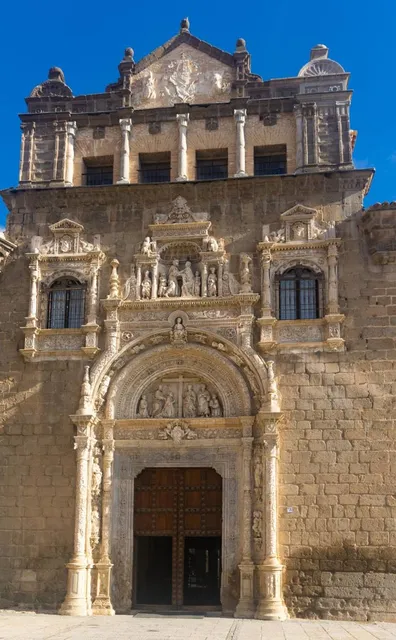
Museum of Santa Cruz
4.5
(887)
Open until 6:00 PM
Click for details
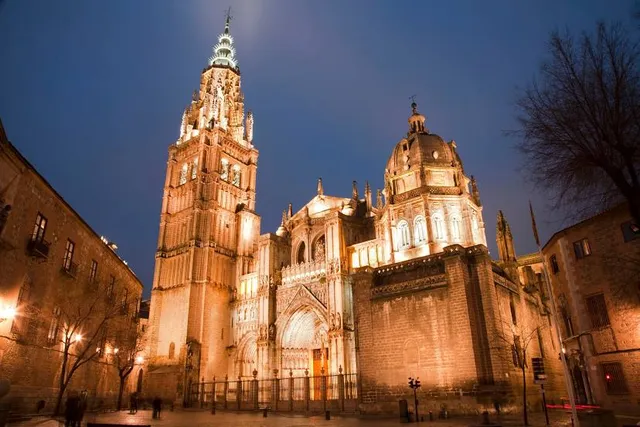
Santa Iglesia Catedral Primada de Toledo
4.7
(13.4K)
Open until 6:30 PM
Click for details
Nearby restaurants of Army Museum
El Trébol
Taberna Cuchara de Palo
Tapas Restaurante GO ALCÁZAR
Cafetería El Foro de Toledo
Junípero
Tabernita Tapas Bar
Bar Ludeña
Bar Ludeña
Restaurante Pizzería COMES
La Cave
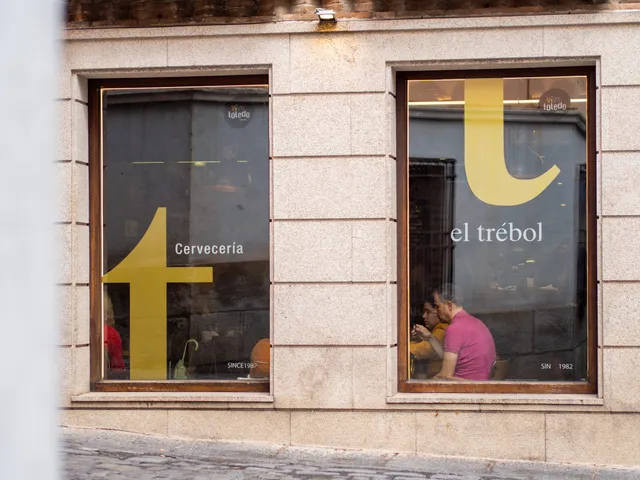
El Trébol
4.4
(5.6K)
Open until 1:00 AM
Click for details
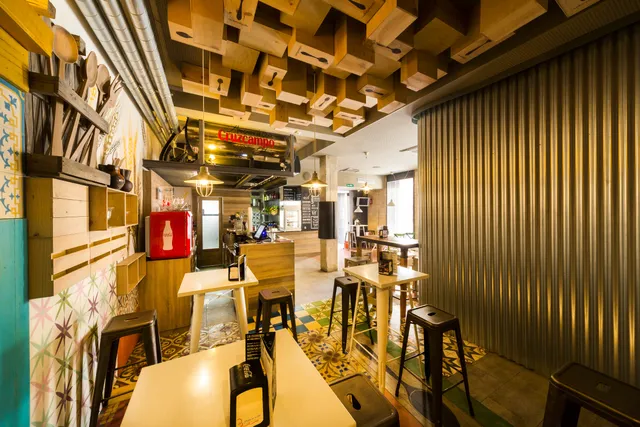
Taberna Cuchara de Palo
4.2
(2.2K)
Open until 12:30 AM
Click for details
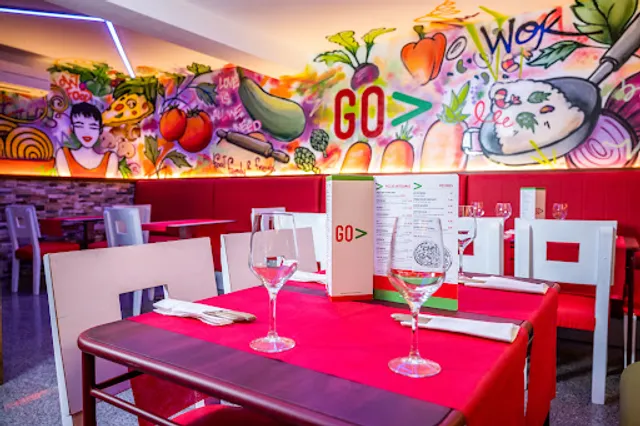
Tapas Restaurante GO ALCÁZAR
4.7
(955)
Closed
Click for details
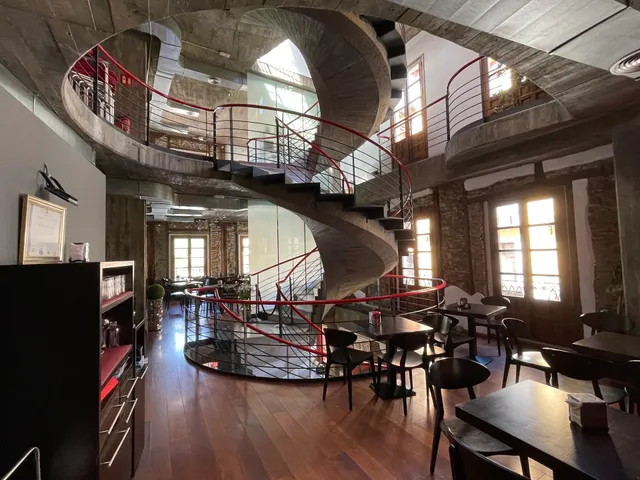
Cafetería El Foro de Toledo
2.3
(2K)
Open until 12:00 AM
Click for details
Nearby local services of Army Museum
Free Tour Toledo Rutas FollowMe
Visitas Guiadas Toledo / Rutas Pasearte Toledo
Pl. de Zocodover
Sithons Discoteca
Visitas guiadas en Toledo De Paseo Experience
Rutas de Toledo
Confitería Santo Tomé
Alcantara Bridge
Toledo AP - Alojamientos turísticos (oficina)
🛅Consigna Toledo Lockers

Free Tour Toledo Rutas FollowMe
4.8
(1.5K)
Click for details

Visitas Guiadas Toledo / Rutas Pasearte Toledo
4.9
(1.6K)
Click for details
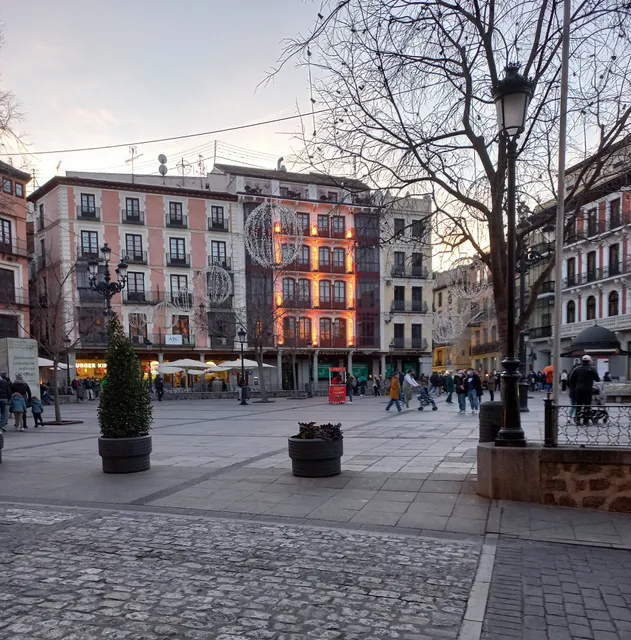
Pl. de Zocodover
4.5
(654)
Click for details
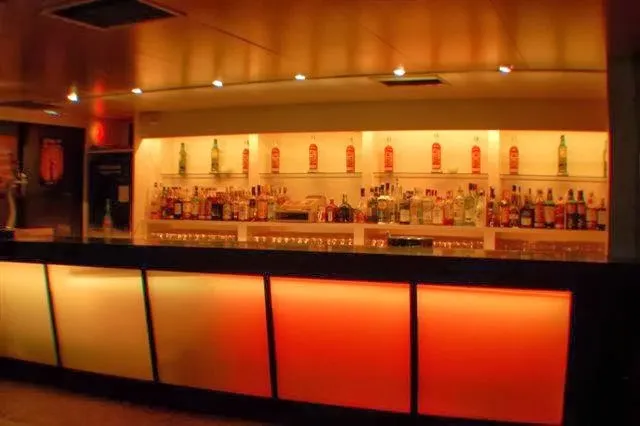
Sithons Discoteca
3.8
(388)
Click for details