Mezquita de Tornerías. things to do, attractions, restaurants, events info and trip planning
Basic Info
Mezquita de Tornerías.
C. Tornerías, 27, 45001 Toledo, Spain
4.6(135)
Closed

tickets
Save
spot
spot
Ratings & Description
Info
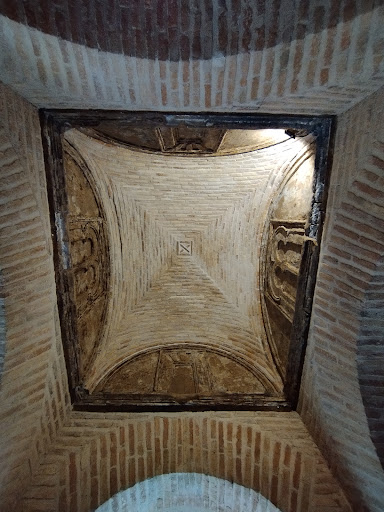
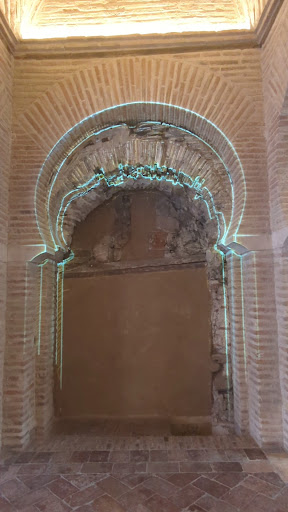
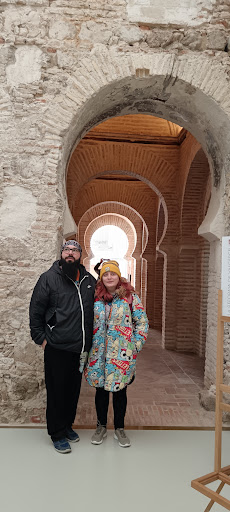
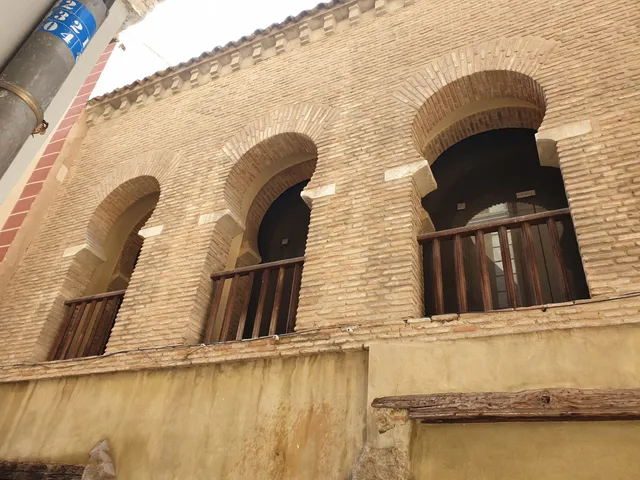
The Mezquita de las Tornerías is a Moorish former mosque in Toledo. It was built in the middle of the 11th century on the foundations of Roman architecture, located in the old Muslim neighborhood Arrabal de Francos.
Cultural
Accessibility
attractions: Santa Iglesia Catedral Primada de Toledo, Alcázar de Toledo, Army Museum, TrainVision, Teatro de Rojas, Exposición Brujeria, MQM Museo del Queso Manchego Toledo, Mezquita del Cristo de la Luz, Círculo de Arte, Museum of the Templars, restaurants: Bar Ludeña, Restaurante Pizzería COMES, Taberna Skala, Cervecería La Abadía, La Casa de Damasco, La Otra Bóveda, Mesón Solarejo, Restaurante en Toledo, Nuevo Almacén Zocodover, Restaurante Mexicano La Madrísima, IL CAPPUCCINO Specialty coffee, local businesses: ALE-HOP, Pl. de Zocodover, Sithons Discoteca, Moolberry, Deheseo l Jamón Ibérico de bellota y productos ibéricos de bellota de Extremadura, Birds in the head, Unide supermercado, La Casa de las Carcasas, Artesanía Herrera SL, Druni Perfumerías ®
 Learn more insights from Wanderboat AI.
Phone
+34 696 39 65 21
Website
mezquitadetornerias.es
Open hoursSee all hours
Sun10 AM - 3 PMClosed
Plan your stay

Pet-friendly Hotels in Toledo
Find a cozy hotel nearby and make it a full experience.

Affordable Hotels in Toledo
Find a cozy hotel nearby and make it a full experience.

The Coolest Hotels You Haven't Heard Of (Yet)
Find a cozy hotel nearby and make it a full experience.

Trending Stays Worth the Hype in Toledo
Find a cozy hotel nearby and make it a full experience.
Reviews
Live events
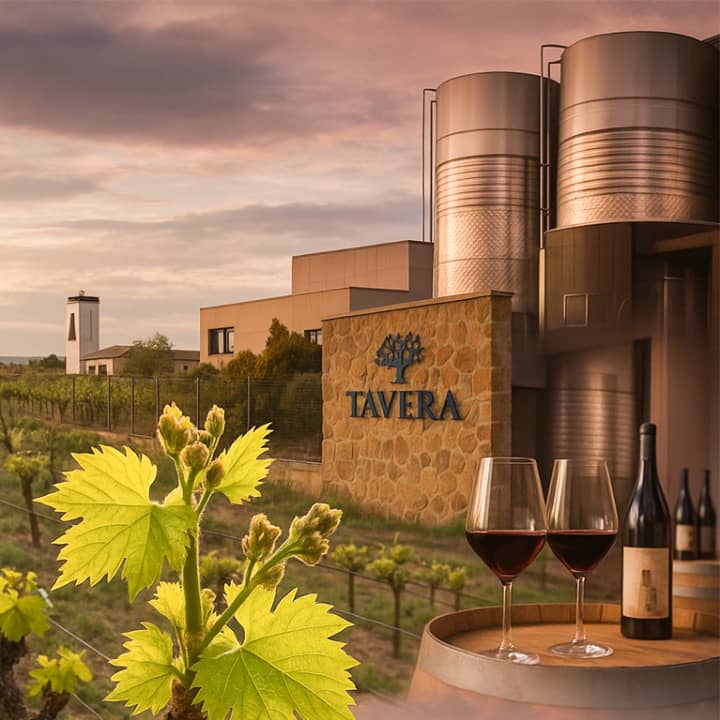
Bodega Tavera: Visita
Tue, Feb 10 • 12:00 PM
Carretera Valmojado, 0, Arcicóllar, 45182
View details

Candlelight: Queen vs. ABBA
Fri, Feb 13 • 5:00 PM
Calle de los Concilios, 1, Toledo, 45005
View details
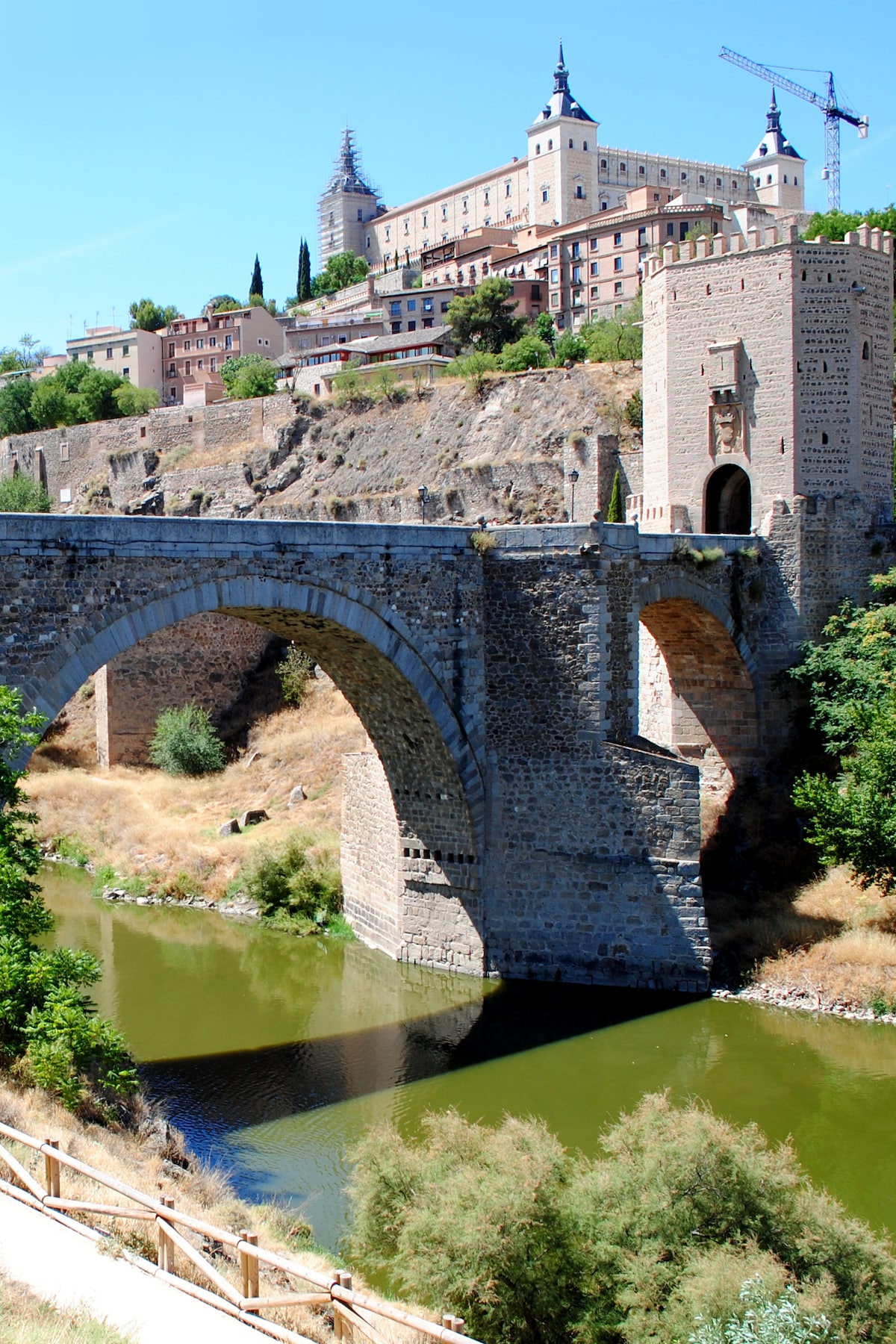
Visit Toledo on foot
Mon, Feb 9 • 5:00 PM
45002, Toledo, Castile-La Mancha, Spain
View details
Nearby attractions of Mezquita de Tornerías.
Santa Iglesia Catedral Primada de Toledo
Alcázar de Toledo
Army Museum
TrainVision
Teatro de Rojas
Exposición Brujeria
MQM Museo del Queso Manchego Toledo
Mezquita del Cristo de la Luz
Círculo de Arte
Museum of the Templars
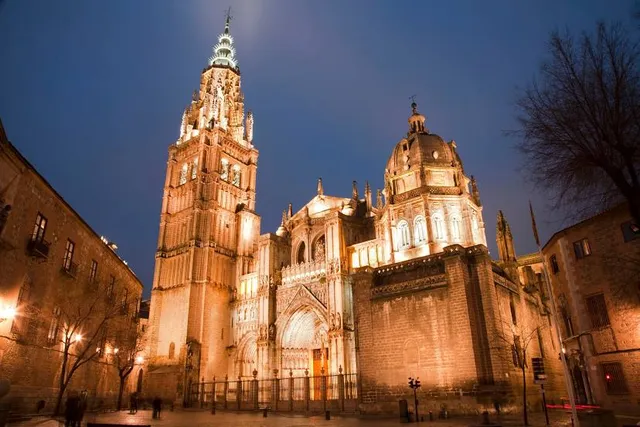
Santa Iglesia Catedral Primada de Toledo
4.7
(13.1K)
Closed
Click for details
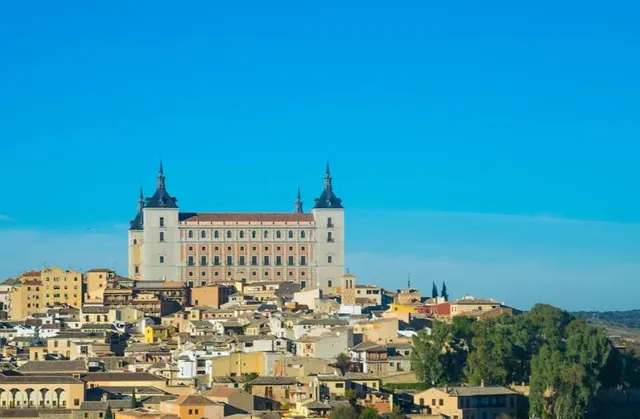
Alcázar de Toledo
4.6
(13.9K)
Closed
Click for details
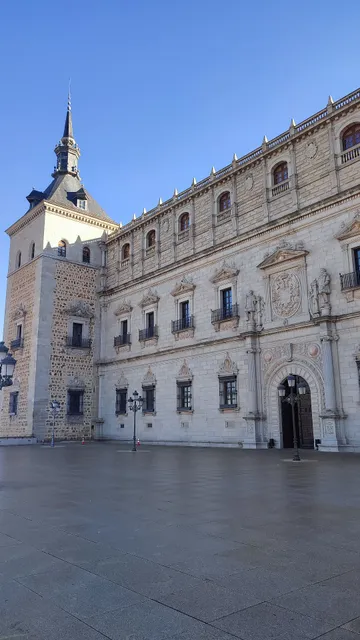
Army Museum
4.5
(2.8K)
Closed
Click for details

TrainVision
4.5
(1.5K)
Open 24 hours
Click for details
Nearby restaurants of Mezquita de Tornerías.
Bar Ludeña
Restaurante Pizzería COMES
Taberna Skala
Cervecería La Abadía
La Casa de Damasco
La Otra Bóveda
Mesón Solarejo
Restaurante en Toledo, Nuevo Almacén Zocodover
Restaurante Mexicano La Madrísima
IL CAPPUCCINO Specialty coffee
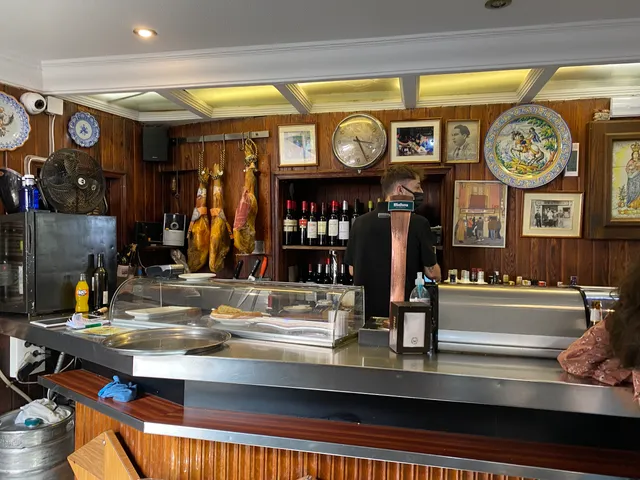
Bar Ludeña
4.4
(2.2K)
Closed
Click for details
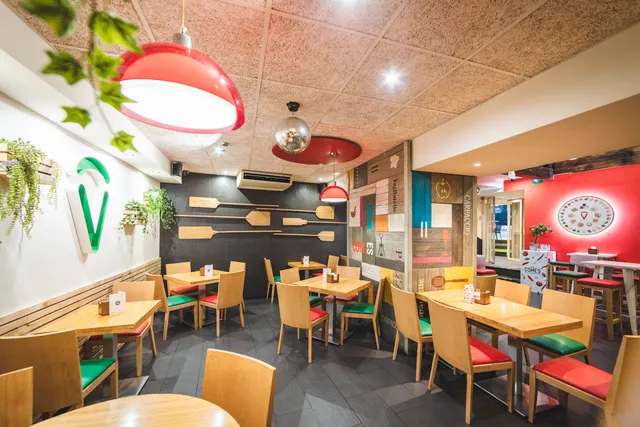
Restaurante Pizzería COMES
4.6
(2.3K)
Open until 11:00 PM
Click for details
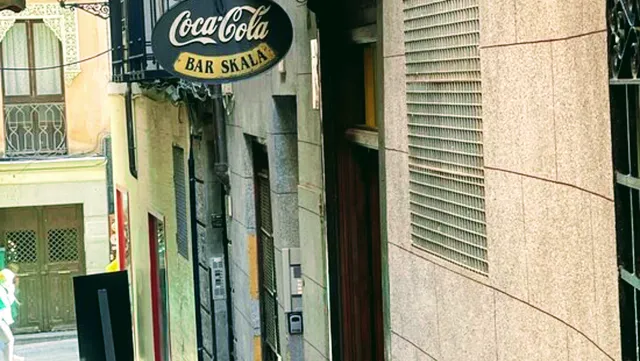
Taberna Skala
4.6
(1.9K)
Closed
Click for details
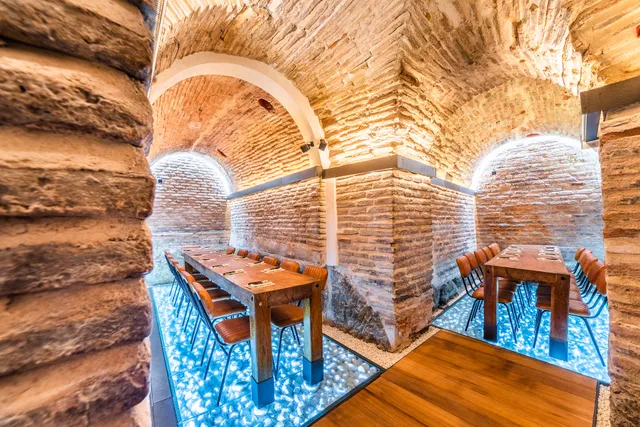
Cervecería La Abadía
4.3
(4.4K)
Open until 12:00 AM
Click for details
Nearby local services of Mezquita de Tornerías.
ALE-HOP
Pl. de Zocodover
Sithons Discoteca
Moolberry
Deheseo l Jamón Ibérico de bellota y productos ibéricos de bellota de Extremadura
Birds in the head
Unide supermercado
La Casa de las Carcasas
Artesanía Herrera SL
Druni Perfumerías ®
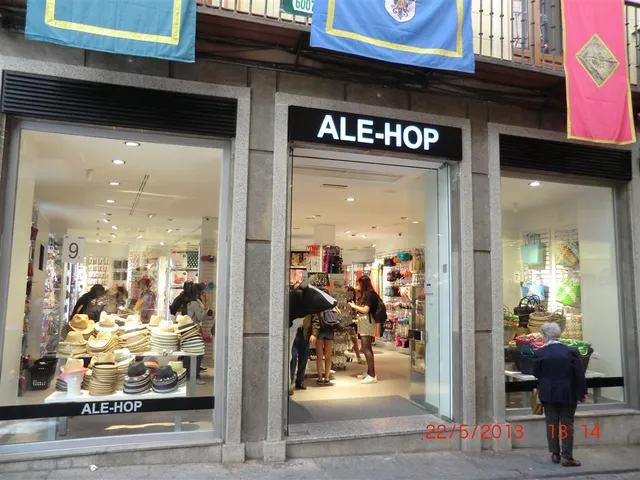
ALE-HOP
4.2
(288)
Click for details
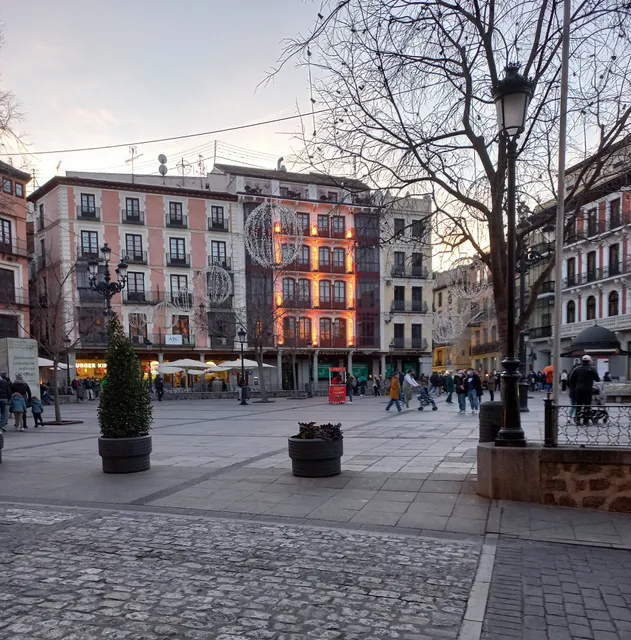
Pl. de Zocodover
4.5
(672)
Click for details
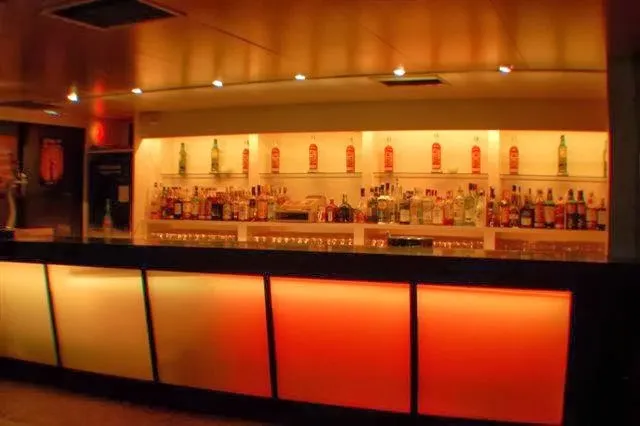
Sithons Discoteca
3.8
(394)
Click for details
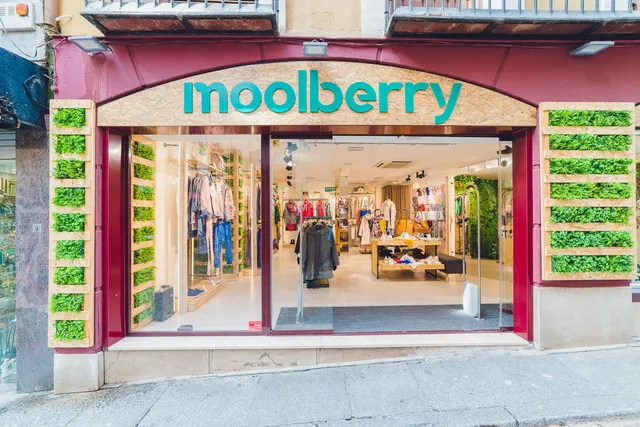
Moolberry
4.9
(105)
Click for details