HTML SitemapExplore
logo
Find Things to DoFind The Best Restaurants

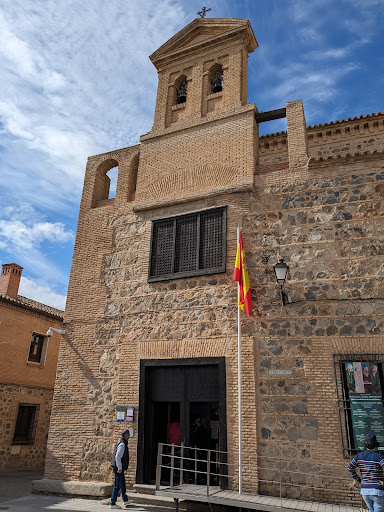
Sinagoga del Tránsito — Attraction in Toledo

Name
Sinagoga del Tránsito
Description
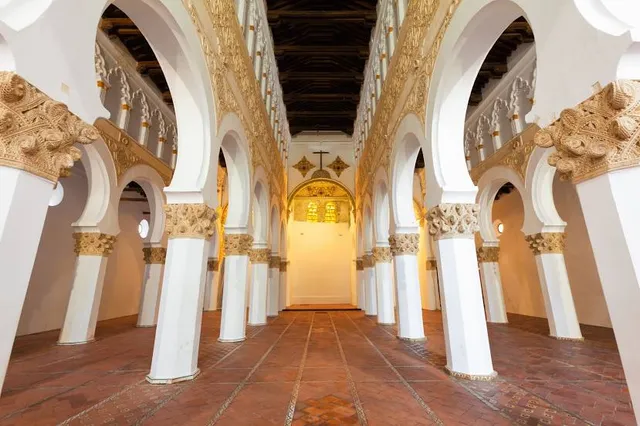
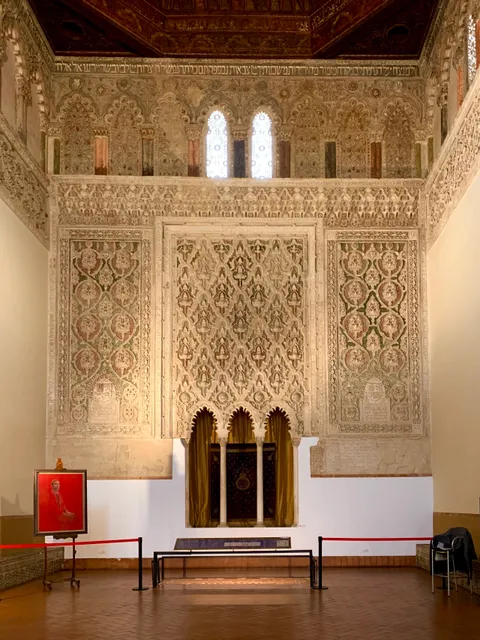
The Sephardic Museum is a national museum in Toledo, Spain, that exhibits a collection of the Jewish cultural heritage in Spain, as well as of the Sephardim, the descendants of the Jews who lived on the Iberian peninsula until 1492.
Nearby attractions
Museo de El Greco
P.º del Tránsito, s/n, 45002 Toledo, Spain
Iglesia de Santo Tomé
Pl. del Conde, 4, 45002 Toledo, Spain
Sinagoga de Santa María La Blanca
C. de los Reyes Católicos, 4, 45002 Toledo, Spain
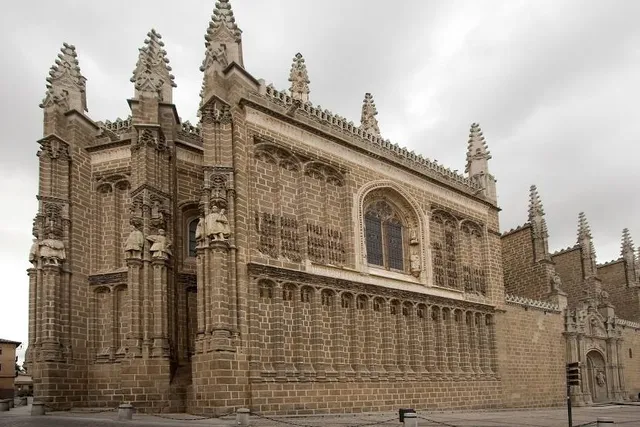
Monasterio de San Juan de los Reyes
C. de los Reyes Católicos, 17, 45002 Toledo, Spain
Mirador del Paseo del Tránsito
C. de los Reyes Católicos, 4D, 45002 Toledo, Spain
Royal Foundation of Toledo - Victorio Macho Museum
Pl. de Victorio Macho, 2, 45002 Toledo, Spain
Museum of Torture
C. de Alfonso XII, 24 BIS, 45002 Toledo, Spain
San Martin's Bridge
Bajada San Martín, 45004 Toledo, Spain
Palacio de Fuensalida
Pl. del Conde, 5, 45002 Toledo, Spain
Museo Taller del Moro
C. Taller del Moro, 6, 45002 Toledo, Spain
Nearby restaurants
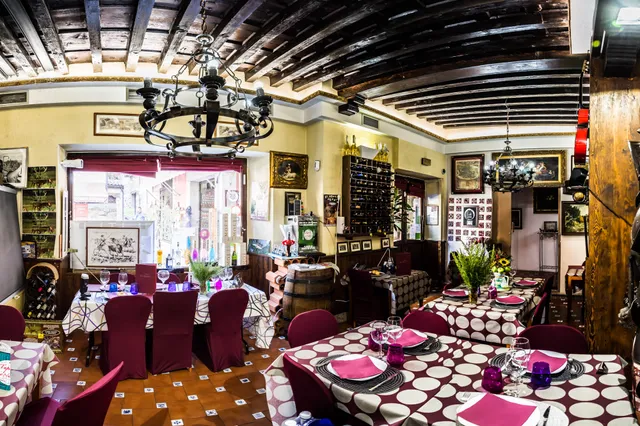
Lo Nuestro Taperia & Restaurante
C. San Juan de Dios, 7, 45002 Toledo, Spain
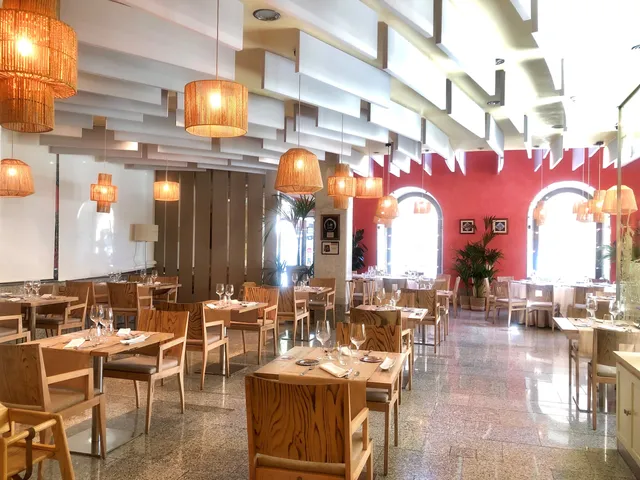
Restaurante La Fábrica de Harinas
C. de los Reyes Católicos, 5, 45002 Toledo, Spain
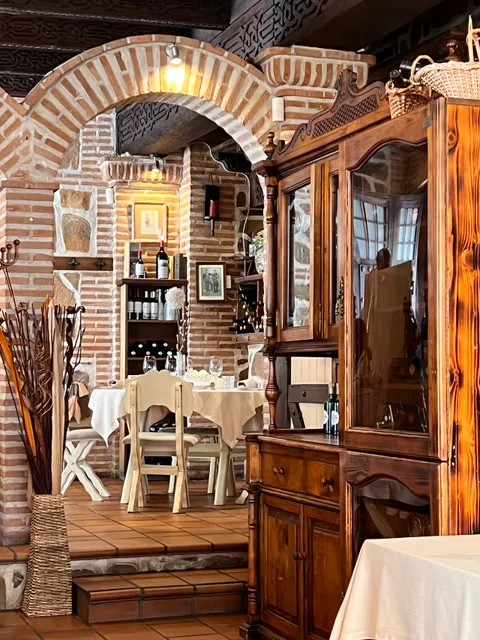
Restaurante La Orza
C. de Descalzos, 5, 45002 Toledo, Spain
Restaurante Victor Sánchez-Beato
Alamillos del Tránsito, 9, 45002 Toledo, Spain
Maruxiña Lounge
C. de Descalzos, 1, 45002 Toledo, Spain
Splendido Trattoria Toledo
Alamillos del Tránsito, 9, 45002 Toledo, Spain
Restaurante Rinconcito Tap Station
C. de Santo Tomé, 30, 45002 Toledo, Spain
La Marmita Toledo
Pl. Bo. Nuevo, 2, 45002 Toledo, Spain
Bar restaurante El 10 de Santo Tomé
C. de Santo Tomé, 10, 45002 Toledo, Spain
Motown Toledo Soul & Food
Pl. Bo. Nuevo, 7, 45002 Toledo, Spain
Related posts
Keywords
Sinagoga del Tránsito tourism.Sinagoga del Tránsito hotels.Sinagoga del Tránsito bed and breakfast. flights to Sinagoga del Tránsito.Sinagoga del Tránsito attractions.Sinagoga del Tránsito restaurants.Sinagoga del Tránsito travel.Sinagoga del Tránsito travel guide.Sinagoga del Tránsito travel blog.Sinagoga del Tránsito pictures.Sinagoga del Tránsito photos.Sinagoga del Tránsito travel tips.Sinagoga del Tránsito maps.Sinagoga del Tránsito things to do.
Sinagoga del Tránsito things to do, attractions, restaurants, events info and trip planning
Sinagoga del Tránsito
SpainCastile-La ManchaToledoSinagoga del Tránsito

Basic Info

Sinagoga del Tránsito

C. Samuel Levi, s / n, 45002 Toledo, Spain
4.5(2.1K)
Closed
Save
spot

Ratings & Description

Info

The Sephardic Museum is a national museum in Toledo, Spain, that exhibits a collection of the Jewish cultural heritage in Spain, as well as of the Sephardim, the descendants of the Jews who lived on the Iberian peninsula until 1492.

Cultural
Accessibility
attractions: Museo de El Greco, Iglesia de Santo Tomé, Sinagoga de Santa María La Blanca, Monasterio de San Juan de los Reyes, Mirador del Paseo del Tránsito, Royal Foundation of Toledo - Victorio Macho Museum, Museum of Torture, San Martin's Bridge, Palacio de Fuensalida, Museo Taller del Moro, restaurants: Lo Nuestro Taperia & Restaurante, Restaurante La Fábrica de Harinas, Restaurante La Orza, Restaurante Victor Sánchez-Beato, Maruxiña Lounge, Splendido Trattoria Toledo, Restaurante Rinconcito Tap Station, La Marmita Toledo, Bar restaurante El 10 de Santo Tomé, Motown Toledo Soul & Food
logoLearn more insights from Wanderboat AI.
Phone
+34 925 12 79 61
Website
culturaydeporte.gob.es
Open hoursSee all hours
Fri9:30 AM - 8 PMClosed

Plan your stay

hotel
Pet-friendly Hotels in Toledo
Find a cozy hotel nearby and make it a full experience.

hotel
Affordable Hotels in Toledo
Find a cozy hotel nearby and make it a full experience.

hotel
The Coolest Hotels You Haven't Heard Of (Yet)
Find a cozy hotel nearby and make it a full experience.

hotel
Trending Stays Worth the Hype in Toledo
Find a cozy hotel nearby and make it a full experience.

Reviews

Nearby attractions of Sinagoga del Tránsito

Museo de El Greco

Iglesia de Santo Tomé

Sinagoga de Santa María La Blanca

Monasterio de San Juan de los Reyes

Mirador del Paseo del Tránsito

Royal Foundation of Toledo - Victorio Macho Museum

Museum of Torture

San Martin's Bridge

Palacio de Fuensalida

Museo Taller del Moro

Museo de El Greco

Museo de El Greco

4.4

(2.6K)

Open 24 hours
Click for details
Iglesia de Santo Tomé

Iglesia de Santo Tomé

4.4

(2.7K)

Closed
Click for details
Sinagoga de Santa María La Blanca

Sinagoga de Santa María La Blanca

4.1

(3K)

Open 24 hours
Click for details
Monasterio de San Juan de los Reyes

Monasterio de San Juan de los Reyes

4.7

(3.8K)

Closed
Click for details

Things to do nearby

Vuelo en globo con desayuno y cava en Toledo
Fri, Dec 5 • 7:00 AM
Calle Tornerías, 19, Toledo, 45001
View details
Bodega Tavera: Visita
Fri, Dec 5 • 12:00 PM
Carretera Valmojado, 0, Arcicóllar, 45182
View details
Toledo Audio Tour: A Tapestry of Toledo’s Sacred Past
Thu, Dec 4 • 4:00 AM
Convent of the Franciscan Conceptionists 1 C. Concepción, 45001 Toledo
View details

Nearby restaurants of Sinagoga del Tránsito

Lo Nuestro Taperia & Restaurante

Restaurante La Fábrica de Harinas

Restaurante La Orza

Restaurante Victor Sánchez-Beato

Maruxiña Lounge

Splendido Trattoria Toledo

Restaurante Rinconcito Tap Station

La Marmita Toledo

Bar restaurante El 10 de Santo Tomé

Motown Toledo Soul & Food

Lo Nuestro Taperia & Restaurante

Lo Nuestro Taperia & Restaurante

4.5

(1.1K)

Click for details
Restaurante La Fábrica de Harinas

Restaurante La Fábrica de Harinas

4.5

(812)

Click for details
Restaurante La Orza

Restaurante La Orza

4.5

(966)

$$$

Click for details
Restaurante Victor Sánchez-Beato

Restaurante Victor Sánchez-Beato

4.9

(326)

Click for details
Get the Appoverlay
Get the AppOne tap to find yournext favorite spots!
Wanderboat LogoWanderboat

Your everyday Al companion for getaway ideas

CompanyAbout Us
InformationAI Trip PlannerSitemap
SocialXInstagramTiktokLinkedin
LegalTerms of ServicePrivacy Policy

Get the app

© 2025 Wanderboat. All rights reserved.
logo

Posts

Frankie SimonFrankie Simon
Shame. Extremely disappointed with the staff. Visited the museum and noticed a young man who hid a "Palestine" sticker under his coat, then took taunting photos with his friends in front of the exhibited artifacts from the expelled Sephardic Jewish community this museum focuses on. I found it unbelievably disrespectful: I would never go to a Muslim Community museum with an Israel shirt and take "F You" photos to taunt and disrespect that community. Note there is NOTHING in the museum about Israel or Palestine or the conflict in the middle east so this behavior was directly targeting Jews, which was offensive to me as a Jewish person who came to Toledo and this museum in particular to connect to the rich heritage and history of my people. When alerting a member of the staff (who hardly spoke English) to this, they said "this is okay, I don't see an issue". A second staff member (who also hardly spoke English) repeated the same thing, adding "this isn't a problem because it's a museum and not a synagogue". What?! Again, I dare any decent person to try this in a Muslim Community museum. I talked to another member of the staff (who didn't speak English at all) who said I should wait so I can complain officially. After several minutes they went away to look for either the young man or the first staff member so I could confront them (I am guessing, they didn't really explain what was happening). I was not going to stay and argue using Google Translate having already spent 15 minutes trying to explain myself to insensitive staff members. I left, upset and distraught. This to me was a low point in my trip and extremely discouraging and disappointing to experience from the staff of a museum which in my opinion is supposed to treat its subjects with some level of honor. I am ashamed and offended, the people running the museum should not be in charge if they can't find the fault in this situation. I will never set foot there again.
A. AriasA. Arias
An amazing building. Part of the synagogue has preserved it's Hebrew and Arabic original decoration. It was a bit bittersweet the story of "The Keys of the Sephardim" that appears in the picture I have shared. Long time ago, the rulers of Spain and Portugal banned Judaism and the Sephardic diaspora started. The ones that remained suffered continual threats by the Catholic Inquisition, a very aggressive legal system and public humiliation. Those Crypto-Jews received the pejorative nickname "marrano", that means "pig". They are the ancestors of the Bnei Anusim (Hebrew: בני אנוסים ספרדיים, "Children of the coerced"). The ones that escaped the Iberian Peninsula brought with them the keys of the houses, with the hope that one day they will be back home in Spain and Portugal. Centuries later, some Sephardic descents, by joining Zionism and its Ashkenormativity, made the same crime to Palestinians during the 1948 events, when thousands of Palestinians suffered a similar forced displacement by IDF under the command of David Ben Guirion. That is why the 🗝️ is one of the symbols of resistance in Palestine. History is, again, repeating itself. And that makes me feel deeply disappointed.
Set ContrerasSet Contreras
La Sinagoga del Tránsito se encuentra dentro de la judería, que estaba conformada por carnicerías, zocos, murallas, puertas, casas, calles, adarves, casas de estudio de la ley y hasta un total de diez sinagogas más. Toda esta información es conocida gracias a un poema del siglo xiv de Yakob Albeneh. También son conocidos, gracias a él, el nombre de algunos barrios de la judería como el de Hamanzeit. La minoría hebrea se asentó en la parte occidental de la ciudad; la judería tenía su propia muralla interior y la multitud de adarves y callejones facilitaban la defensa con puertas y cierres en la calle. La conquista de Toledo por los cristianos no cambió la situación de la comunidad judía y en el siglo XIII desaparece la cerca y el barrio judío se mezcla con la ciudad. A través de una serie de excavaciones realizadas a principios de 2000, se pudo determinar que bajo los cimientos de la sinagoga se dispondría de un complejo de baños, llamado Hamman de Zeit, que fue destruido para la edificación de la sinagoga entre 1357 y 1363. Además del terreno de la zona de baños, se derribaron las casas cercanas y sobre ese terreno se levantó la sinagoga, de autor desconocido, gracias al mecenazgo de Samuel ha-Leví. Junto a la Sinagoga se construiría la Mikve posiblemente también sufragada por Samuel ha-Leví. Tras la expulsión de los judíos en 1492, la judería es ocupada por la nobleza y el área de la sinagoga es concedido por los Reyes Católicos a la Orden de Calatrava, que sitúa allí el priorato de San Benito y la convierte en iglesia privada de la Orden, construyendo al lado norte un archivo para las Órdenes militares de Calatrava y Alcántara. En el siglo XVII la iglesia de San Benito pasa a ser conocida popularmente como "del Tránsito" debido al encargo que un caballero calatravo realiza al pintor de la escuela toledana Juan Correa de Vivar, de un cuadro del Tránsito de Nuestra Señora, que adornó el altar plateresco desde entonces. Hasta el siglo XIX la iglesia sigue perteneciendo a las órdenes militares, apareciendo en la documentación como "ermita de San Benito", extramuros de la ciudad, muy abandonada y en continuo deterioro. Posteriormente, en el año 1964, se decide que la Sinagoga Samuel ha-Leví sea la sede del museo sefardí, el cual tiene como objetivo conservar el legado de la cultura hispano-judía y sefardí para que quede integrada como parte esencial del Patrimonio Histórico Español, tarea que desempeña hasta la actualidad.
See more posts
See more posts
hotel
Find your stay

Pet-friendly Hotels in Toledo

Find a cozy hotel nearby and make it a full experience.

Shame. Extremely disappointed with the staff. Visited the museum and noticed a young man who hid a "Palestine" sticker under his coat, then took taunting photos with his friends in front of the exhibited artifacts from the expelled Sephardic Jewish community this museum focuses on. I found it unbelievably disrespectful: I would never go to a Muslim Community museum with an Israel shirt and take "F You" photos to taunt and disrespect that community. Note there is NOTHING in the museum about Israel or Palestine or the conflict in the middle east so this behavior was directly targeting Jews, which was offensive to me as a Jewish person who came to Toledo and this museum in particular to connect to the rich heritage and history of my people. When alerting a member of the staff (who hardly spoke English) to this, they said "this is okay, I don't see an issue". A second staff member (who also hardly spoke English) repeated the same thing, adding "this isn't a problem because it's a museum and not a synagogue". What?! Again, I dare any decent person to try this in a Muslim Community museum. I talked to another member of the staff (who didn't speak English at all) who said I should wait so I can complain officially. After several minutes they went away to look for either the young man or the first staff member so I could confront them (I am guessing, they didn't really explain what was happening). I was not going to stay and argue using Google Translate having already spent 15 minutes trying to explain myself to insensitive staff members. I left, upset and distraught. This to me was a low point in my trip and extremely discouraging and disappointing to experience from the staff of a museum which in my opinion is supposed to treat its subjects with some level of honor. I am ashamed and offended, the people running the museum should not be in charge if they can't find the fault in this situation. I will never set foot there again.
Frankie Simon

Frankie Simon

hotel
Find your stay

Affordable Hotels in Toledo

Find a cozy hotel nearby and make it a full experience.

Get the Appoverlay
Get the AppOne tap to find yournext favorite spots!
An amazing building. Part of the synagogue has preserved it's Hebrew and Arabic original decoration. It was a bit bittersweet the story of "The Keys of the Sephardim" that appears in the picture I have shared. Long time ago, the rulers of Spain and Portugal banned Judaism and the Sephardic diaspora started. The ones that remained suffered continual threats by the Catholic Inquisition, a very aggressive legal system and public humiliation. Those Crypto-Jews received the pejorative nickname "marrano", that means "pig". They are the ancestors of the Bnei Anusim (Hebrew: בני אנוסים ספרדיים, "Children of the coerced"). The ones that escaped the Iberian Peninsula brought with them the keys of the houses, with the hope that one day they will be back home in Spain and Portugal. Centuries later, some Sephardic descents, by joining Zionism and its Ashkenormativity, made the same crime to Palestinians during the 1948 events, when thousands of Palestinians suffered a similar forced displacement by IDF under the command of David Ben Guirion. That is why the 🗝️ is one of the symbols of resistance in Palestine. History is, again, repeating itself. And that makes me feel deeply disappointed.
A. Arias

A. Arias

hotel
Find your stay

The Coolest Hotels You Haven't Heard Of (Yet)

Find a cozy hotel nearby and make it a full experience.

hotel
Find your stay

Trending Stays Worth the Hype in Toledo

Find a cozy hotel nearby and make it a full experience.

La Sinagoga del Tránsito se encuentra dentro de la judería, que estaba conformada por carnicerías, zocos, murallas, puertas, casas, calles, adarves, casas de estudio de la ley y hasta un total de diez sinagogas más. Toda esta información es conocida gracias a un poema del siglo xiv de Yakob Albeneh. También son conocidos, gracias a él, el nombre de algunos barrios de la judería como el de Hamanzeit. La minoría hebrea se asentó en la parte occidental de la ciudad; la judería tenía su propia muralla interior y la multitud de adarves y callejones facilitaban la defensa con puertas y cierres en la calle. La conquista de Toledo por los cristianos no cambió la situación de la comunidad judía y en el siglo XIII desaparece la cerca y el barrio judío se mezcla con la ciudad. A través de una serie de excavaciones realizadas a principios de 2000, se pudo determinar que bajo los cimientos de la sinagoga se dispondría de un complejo de baños, llamado Hamman de Zeit, que fue destruido para la edificación de la sinagoga entre 1357 y 1363. Además del terreno de la zona de baños, se derribaron las casas cercanas y sobre ese terreno se levantó la sinagoga, de autor desconocido, gracias al mecenazgo de Samuel ha-Leví. Junto a la Sinagoga se construiría la Mikve posiblemente también sufragada por Samuel ha-Leví. Tras la expulsión de los judíos en 1492, la judería es ocupada por la nobleza y el área de la sinagoga es concedido por los Reyes Católicos a la Orden de Calatrava, que sitúa allí el priorato de San Benito y la convierte en iglesia privada de la Orden, construyendo al lado norte un archivo para las Órdenes militares de Calatrava y Alcántara. En el siglo XVII la iglesia de San Benito pasa a ser conocida popularmente como "del Tránsito" debido al encargo que un caballero calatravo realiza al pintor de la escuela toledana Juan Correa de Vivar, de un cuadro del Tránsito de Nuestra Señora, que adornó el altar plateresco desde entonces. Hasta el siglo XIX la iglesia sigue perteneciendo a las órdenes militares, apareciendo en la documentación como "ermita de San Benito", extramuros de la ciudad, muy abandonada y en continuo deterioro. Posteriormente, en el año 1964, se decide que la Sinagoga Samuel ha-Leví sea la sede del museo sefardí, el cual tiene como objetivo conservar el legado de la cultura hispano-judía y sefardí para que quede integrada como parte esencial del Patrimonio Histórico Español, tarea que desempeña hasta la actualidad.
Set Contreras

Set Contreras

See more posts
See more posts

Reviews of Sinagoga del Tránsito

4.5
(2,068)
avatar
1.0
1y

Shame. Extremely disappointed with the staff. Visited the museum and noticed a young man who hid a "Palestine" sticker under his coat, then took taunting photos with his friends in front of the exhibited artifacts from the expelled Sephardic Jewish community this museum focuses on. I found it unbelievably disrespectful: I would never go to a Muslim Community museum with an Israel shirt and take "F You" photos to taunt and disrespect that community. Note there is NOTHING in the museum about Israel or Palestine or the conflict in the middle east so this behavior was directly targeting Jews, which was offensive to me as a Jewish person who came to Toledo and this museum in particular to connect to the rich heritage and history of my people.

When alerting a member of the staff (who hardly spoke English) to this, they said "this is okay, I don't see an issue". A second staff member (who also hardly spoke English) repeated the same thing, adding "this isn't a problem because it's a museum and not a synagogue". What?! Again, I dare any decent person to try this in a Muslim Community museum. I talked to another member of the staff (who didn't speak English at all) who said I should wait so I can complain officially. After several minutes they went away to look for either the young man or the first staff member so I could confront them (I am guessing, they didn't really explain what was happening). I was not going to stay and argue using Google Translate having already spent 15 minutes trying to explain myself to insensitive staff members. I left, upset and distraught.

This to me was a low point in my trip and extremely discouraging and disappointing to experience from the staff of a museum which in my opinion is supposed to treat its subjects with some level of honor. I am ashamed and offended, the people running the museum should not be in charge if they can't find the fault in this situation. I will never set foot...

   Read more
avatar
4.0
2y

The El Tránsito Synagogue is a remarkable historical site that is well worth visiting. The quality of the synagogue restoration and associated museum exhibit are a testament to the hard work and dedication of the government and scholarly community. Unfortunately, the quality of the English language services leaves much to be desired. The English language audio guide is not accessed though an app or internet web site, but rather through what appears to be an intranet site on the museum's wifi network. The posted instructions are poor and the ticket clerk knew too little English to be helpful. When it appeared that my phone couldn't get onto the network she simply walked away stating "no disponible," i.e., the wifi is not available. She was not willing to help any more. I was eventually able to access the audio with the help of a gentleman in the lobby, who may or may not have worked at the museum. I had to turn off my cellular signal and log onto the wifi in airplane mode. Otherwise when I tried to enter the local URL for the audio, my phone would go to a different website on the internet. All of the explanatory text in the exhibit was in Spanish, which would not have been too big a deal if I were able to use Google translate. However, that required an internet connection and my phone was in airplane mode. Why a museum that draws so many foreign visitors cannot hire staff that are fluent in English and provide English language translations of their exhibits is truly beyond my...

   Read more
avatar
5.0
1y

An amazing building. Part of the synagogue has preserved it's Hebrew and Arabic original decoration. It was a bit bittersweet the story of "The Keys of the Sephardim" that appears in the picture I have shared. Long time ago, the rulers of Spain and Portugal banned Judaism and the Sephardic diaspora started. The ones that remained suffered continual threats by the Catholic Inquisition, a very aggressive legal system and public humiliation. Those Crypto-Jews received the pejorative nickname "marrano", that means "pig". They are the ancestors of the Bnei Anusim (Hebrew: בני אנוסים ספרדיים, "Children of the coerced"). The ones that escaped the Iberian Peninsula brought with them the keys of the houses, with the hope that one day they will be back home in Spain and Portugal. Centuries later, some Sephardic descents, by joining Zionism and its Ashkenormativity, made the same crime to Palestinians during the 1948 events, when thousands of Palestinians suffered a similar forced displacement by IDF under the command of David Ben Guirion. That is why the 🗝️ is one of the symbols of resistance in Palestine. History is, again, repeating itself. And that makes me feel deeply...

   Read more
Page 1 of 7
Previous
Next