🌟 Review: Colombo Lotus Tower – 4 Stars
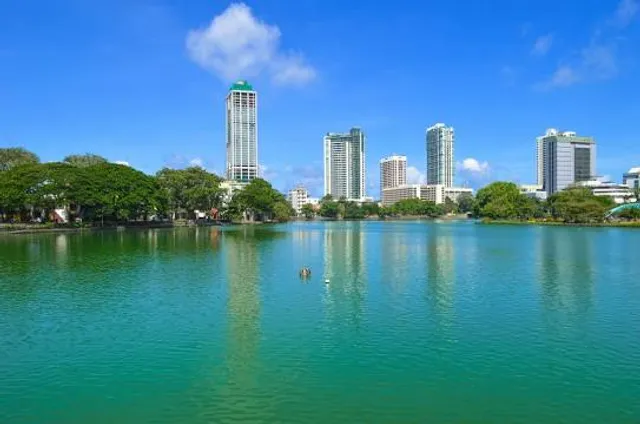
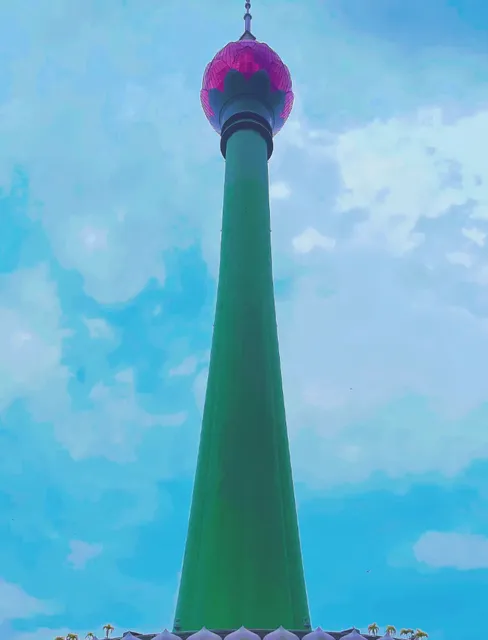
The Colombo Lotus Tower is undeniably a modern marvel—a stunning lotus-shaped structure rising above Beira Lake as South Asia’s tallest self-supported tower (~351.5 m) . It’s a landmark for Colombo’s skyline and offers a variety of attractions, combining culture, technology, and leisure.
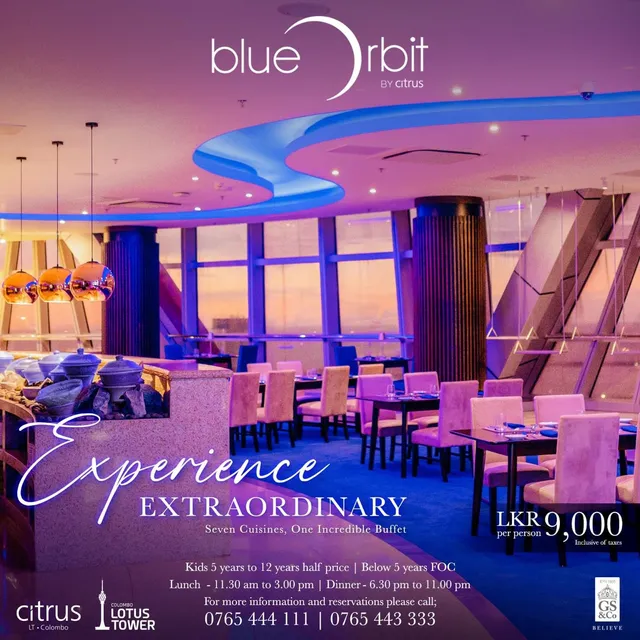
Highlights ✔️ • Spectacular 360° Views: The observation deck, situated between 244–276 meters, provides sweeping views of Colombo, Beira Lake, and, on clear days, the Indian Ocean and distant hills  . • Blue Orbit Revolving Restaurant: Located on the 26th–27th floor, this is South Asia’s highest revolving restaurant. It accommodates up to 225 guests and offers international buffet dining with views that complete a full rotation in 60–90 minutes . • Interactive & Tech Exhibits: The ground floor holds the digital art museum “Pixel Bloom,” and other floors feature a telecom museum, 5G innovation center, gaming arenas, and tech trial zones—great for families and curious minds . • Nighttime Illumination: The tower’s LED lighting changes according to national events and festivals, creating a striking impression after dark .
Drawbacks ⚠️ •Price Disparity: Foreign visitors are charged around USD 20 (~LKR 6,000), which many locals and travelers consider overpriced for the view alone. Some reviews describe the experience as feeling like a rip-off with limited service quality . •Limited Dining Options: Besides the big revolving restaurant, there are few food outlets onsite—no casual cafés or snack bars to graze in between exhibits . •Mixed Reviews on Value: While architecture and height are impressive, experiences vary—some visitors felt the entertainment and interactivity were underwhelming  .
⸻
🎒 Tourist Tips for Visiting
Tickets & Entry •Local prices: Rs 500 per attraction (LKR 850 for combo of observation + Pixel Bloom), with discounted rates for children. Foreign tourists pay approx. USD 20 per person for combo entry . •Skip-the-line pass: Express access is available for locals (LKR 2,000); foreign tourists may find third-party packages offering fast-track entry and added perks like cocktails & tapas (~USD 35) .
Best Time to Visit •Late afternoon into evening: Start at 4pm–5pm to catch sunset views, then transition to night as city lights up—ideal for photos and ambiance  . •Weekdays over weekends: Avoid crowds by visiting on a weekday; weekends and holidays are often much busier .
Getting There •Location: D.R. Wijewardena Mawatha, Colombo 10, by Beira Lake. Easily accessible via tuk‑tuk, taxi, or bus; ~30–40 minutes from the airport, 5 minutes from Fort area . •Parking note: Onsite parking is limited—public parking across the road may be needed if driving .
What to Bring & Wear •Comfortable clothes and shoes: You’ll explore multiple floors and may stand for extended periods  . •Light jacket or wrap: Higher decks can be breezy or slightly chilly as the sun sets . •Sunscreen and a camera: Essential for capturing the panoramic views, especially during daylight hours .
On-site Amenities & Caution •No outside food or drinks: The ticket includes a free cocktail & tapas in select packages; bringing snacks is not allowed . •Follow safety instructions: Don’t attempt to climb over railings. Keep valuables secure near high ledges .
✅ Final Verdict
Colombo Lotus Tower is a standout architectural and technological landmark that offers breathtaking views and a few memorable experiences. It deserves its 4-star rating for being visually impressive, conceptually inspiring, and unique in scale. However, it may feel overpriced or underwhelming for some visitors—especially solo travelers or those on a strict budget. If you’re short on time or are planning other high-energy activities, this could be a spot to skip or reserve just for sunset viewing with...
Read moreLocated in the heart of Colombo, the Lotus Tower (Nelum Kuluna) is one of Sri Lanka’s most iconic and visible landmarks. At 350 meters, it’s not only the tallest structure in South Asia but also a bold statement of modern Sri Lankan ambition. It’s impossible to miss—especially at night, when the tower glows in vibrant colors against the city skyline. But while the structure itself is visually impressive, the question for many travelers remains: Is the $20 entry fee for foreigners truly worth it?
⸻
🏙️ Ambiance & Accessibility
The approach to the tower is smooth and well-organized. Located just 15–20 minutes from most central Colombo hotels, it’s easily accessible by car, tuk-tuk, or ride-hailing apps. The entrance is modern and guarded, and security is tight—though the atmosphere remains welcoming.
Inside, the ambiance feels clean and professional, though not particularly warm. Signage is clear, staff are polite, and the facilities are well maintained. Elevators are fast and efficient, taking you to the observation deck in under a minute.
⸻
🔭 View From the Top
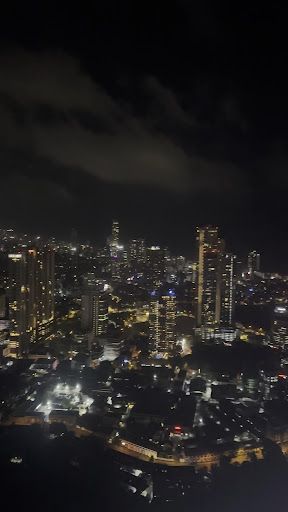
Once you’re at the top—that’s where the Lotus Tower shines. The 360-degree panoramic views are breathtaking. You can spot the Indian Ocean stretching westward, the bustling streets of Pettah below, and even the distant greenery on the city’s edge. Colombo, in all its layered beauty, reveals itself from above.
There’s both an indoor observation gallery (air-conditioned, glass-covered) and an open-air deck, which is the real highlight—especially around sunset or at night, when the city lights come alive.
⸻
🏢 Notable Attractions & Facilities Inside
The tower includes: • A souvenir shop (prices a bit high) • A small café/snack bar • Event spaces and rotating restaurant levels (some still in development or not fully open) • An interactive digital screen gallery showcasing the tower’s construction and city history (a nice touch, but not very in-depth)
However, as of now, many promised features—such as the shopping zones, VR rooms, and larger dining experiences—either feel underwhelming or are not yet operational. This leaves the observation deck as the main attraction.
⸻
💵 Is the $20 Entry Fee Justified?
This is where things get tricky. For foreigners, the $20 USD fee is quite steep, especially considering the limited activities currently available. In comparison, locals pay far less, and while dual pricing is common in South Asia, the value-for-money ratio feels a bit off.
That said, if you’re a photography enthusiast, a skyline lover, or someone who appreciates modern architecture, you might find the price reasonable for the view alone—especially during golden hour or after dark. But if you’re a budget traveler or expecting more interactivity or exhibits, it may feel overpriced.
⸻
🕰️ Tips for Visitors • Best Time to Visit: Late afternoon (around 4:30 PM) to enjoy both daylight views and sunset, staying until the tower lights up at night. • Avoid Weekends & Public Holidays: It can get crowded, and the open-air deck loses its charm in a packed setting. • Additional Costs: Parking, snacks, and souvenirs inside are priced for tourists. Plan accordingly. • Time Needed: 60–90 minutes is enough for most visitors.
⸻
✅ Final Verdict
Lotus Tower is visually impressive and offers incredible views of Colombo, but at $20 for foreigners, it’s more of a “check-it-off-the-list” experience than a must-do. It’s worth visiting once, especially if you’re into architecture or want the best views of the city. However, for the price, one would expect more fully developed attractions and cultural insight.
Would I go again? Probably not. Would I recommend it to a first-time Colombo visitor? Yes—but with realistic...
Read moreThe Colombo Lotus Tower, a towering architectural marvel located in Colombo, Sri Lanka, stands as a symbol of the country's progress and modernization. Completed in 2019, this iconic structure has become a landmark that not only dominates the city's skyline but also encapsulates the spirit of Sri Lanka's aspirations for the future.
Rising to a height of 350 meters, the Lotus Tower is not merely a colossal structure; it is a multifunctional marvel designed to serve various purposes. The tower's name draws inspiration from the lotus flower, a significant symbol in Buddhism and a representation of purity and enlightenment. This nomenclature is not just symbolic; it also reflects the tower's role in fostering technological enlightenment and connectivity.
One of the primary functions of the Lotus Tower is its role as a telecommunications and broadcasting tower. Equipped with state-of-the-art technology, the tower facilitates improved signal strength and coverage, contributing to enhanced communication infrastructure across the region. Its strategic location in Colombo ensures that it serves as a vital hub for broadcasting services, linking communities and providing seamless connectivity.
Beyond its technical functionality, the Lotus Tower also stands as a testament to architectural ingenuity. The sleek and modern design of the tower incorporates elements of Sri Lankan culture, blending the contemporary with the traditional. The lotus-inspired structure is not only visually striking but also pays homage to the country's rich heritage.
Visitors to the Lotus Tower are treated to panoramic views of Colombo and its surroundings from the observation deck, located at a height of 250 meters. This vantage point allows locals and tourists alike to marvel at the city's beauty, providing a unique perspective that captures the dynamic essence of Colombo. The observation deck has quickly become a popular attraction, offering an immersive experience that combines the thrill of height with the scenic charm of Sri Lanka's capital.
The Lotus Tower is not only a technological and architectural wonder but also a catalyst for economic development. As a prominent landmark, it attracts tourism and fosters a sense of civic pride. The tower's construction has also generated employment opportunities and stimulated economic activity in the surrounding areas. It serves as a symbol of Sri Lanka's commitment to progress and innovation, attracting investment and contributing to the nation's economic growth.
In conclusion, the Colombo Lotus Tower stands tall as more than just a structure of steel and concrete; it embodies the aspirations and achievements of Sri Lanka. From its role as a telecommunications hub to its function as a symbol of cultural and economic progress, the Lotus Tower is a beacon of modernity in Colombo. As it continues to shape the city's skyline and serve as a point of reference for both locals and visitors, the Lotus Tower remains a testament to the harmonious blend of technology, culture, and economic...
Read more