Brantingtorget things to do, attractions, restaurants, events info and trip planning
Basic Info
Brantingtorget
Västerlånggatan 8, 111 29 Stockholm, Sweden
4.4(92)
Open 24 hours
Save
spot
spot
Ratings & Description
Info
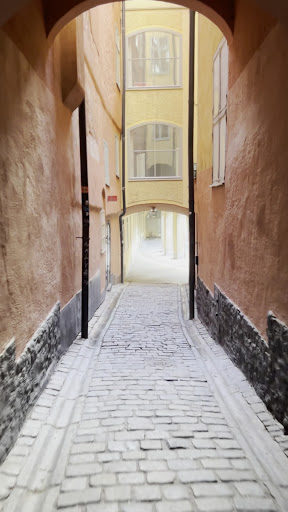
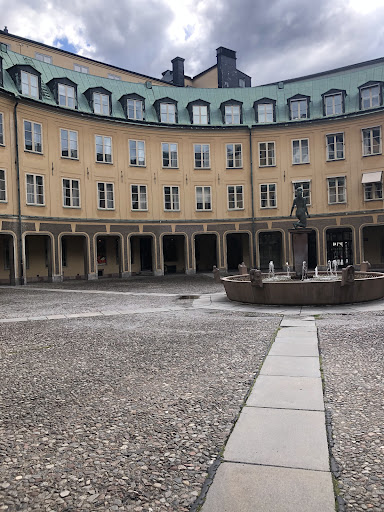
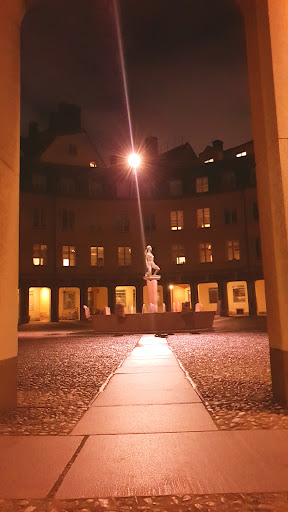
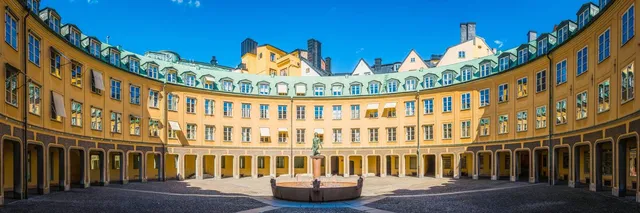
Brantingtorget is the courtyard of the Chancery House annex, acting as one of the public squares in Gamla stan, the old town in central Stockholm, Sweden.
Cultural
Outdoor
attractions: Stockholm Stock Exchange Building, Nobel Prize Museum, Stockholm Medieval Museum, Storkyrkan, The Royal Palace, House of Nobility, Parliament House, Riddarholmen Church, The Royal Armoury, Postmuseum, restaurants: Café Schweizer, Stampen, Ristorante Rodolfino since 1972 - Gamla Stan, Ristorante da Peppe, Verte, Barrels, Vegan-Vegetarian Restaurant Hermitage, La Chef, Café gråmunken, Geronimo's FGT, local businesses: The Science Fiction Bookstore, The Old Town Souvenir, Gamla Stan, Kristallrummet - Kristaller, stenar och smycken i Gamla Stan, Apoteket Korpen, Clemontin AB, No.11, Norrbro, Classic Swedish Souvenir AB, Stortorgets Julmarknad
 Learn more insights from Wanderboat AI.
Plan your stay

Pet-friendly Hotels in Stockholm
Find a cozy hotel nearby and make it a full experience.

Affordable Hotels in Stockholm
Find a cozy hotel nearby and make it a full experience.

The Coolest Hotels You Haven't Heard Of (Yet)
Find a cozy hotel nearby and make it a full experience.

Trending Stays Worth the Hype in Stockholm
Find a cozy hotel nearby and make it a full experience.
Reviews
Live events
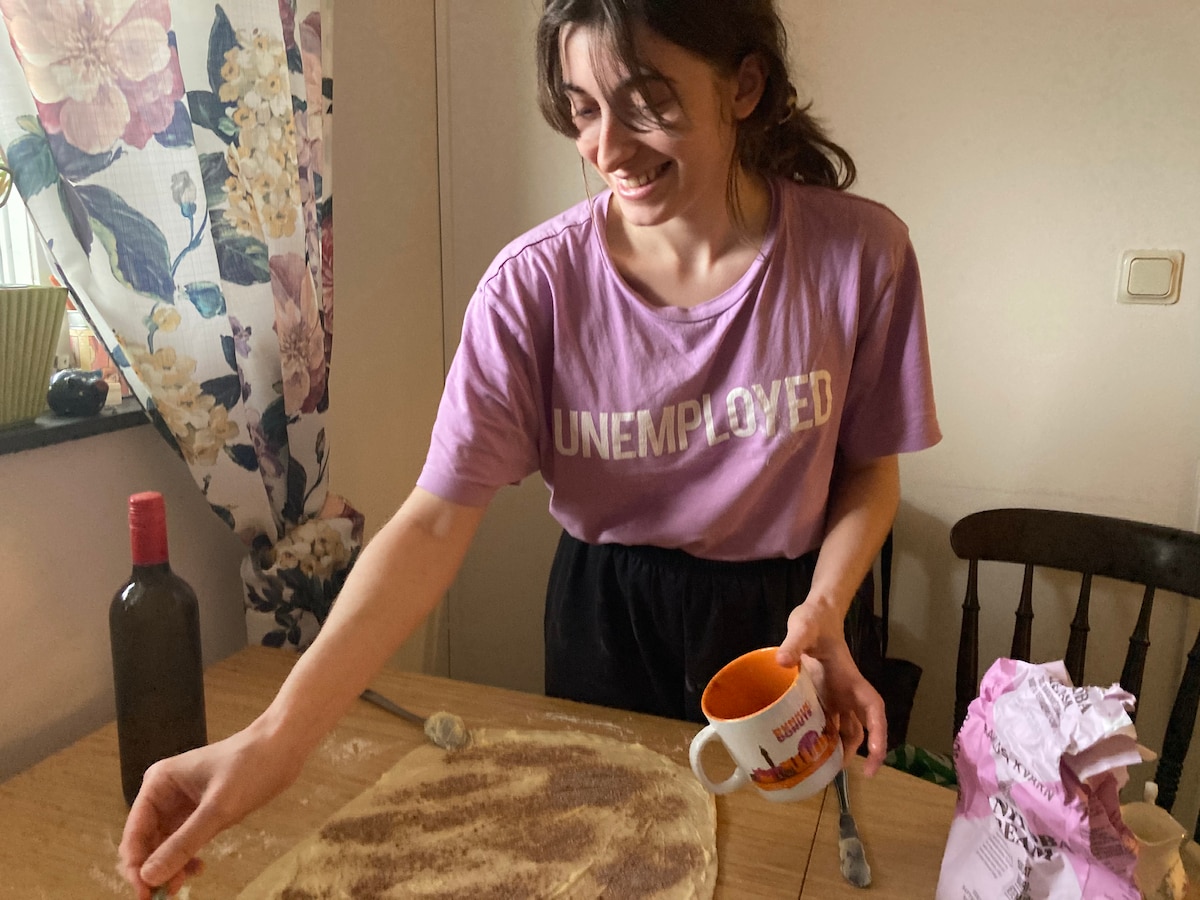
Bake delicious Swedish cinnamon rolls with a local
Thu, Feb 12 • 12:00 PM
128 48, Stockholm, Sweden
View details
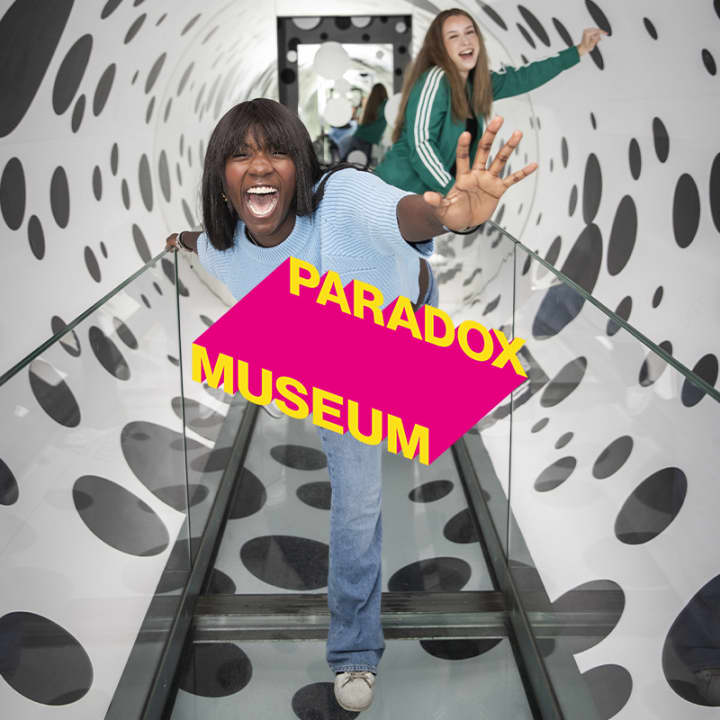
Paradox Museum Stockholm - Official Tickets
Tue, Feb 10 • 2:00 PM
Sergelgatan 20, Stockholm, 111 57
View details
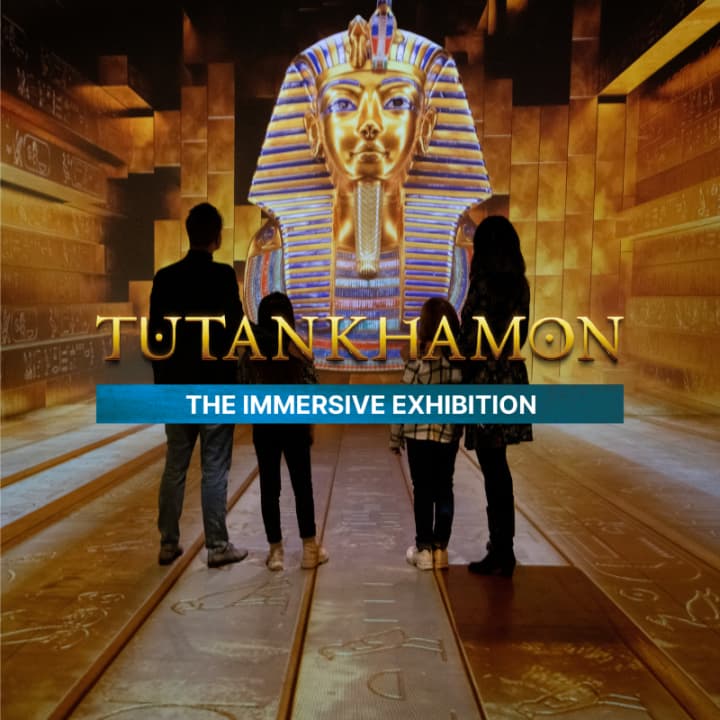
Tutankhamun: The Immersive Exhibition
Thu, Feb 12 • 1:00 PM
Frihamnsgatan 66, Stockholm, 115 56
View details
Nearby attractions of Brantingtorget
Stockholm Stock Exchange Building
Nobel Prize Museum
Stockholm Medieval Museum
Storkyrkan
The Royal Palace
House of Nobility
Parliament House
Riddarholmen Church
The Royal Armoury
Postmuseum
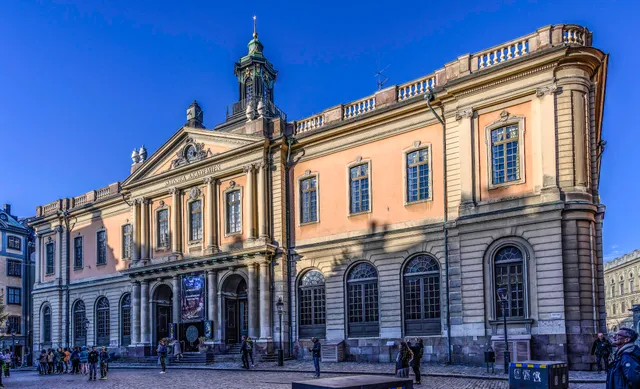
Stockholm Stock Exchange Building
4.5
(3.6K)
Open 24 hours
Click for details
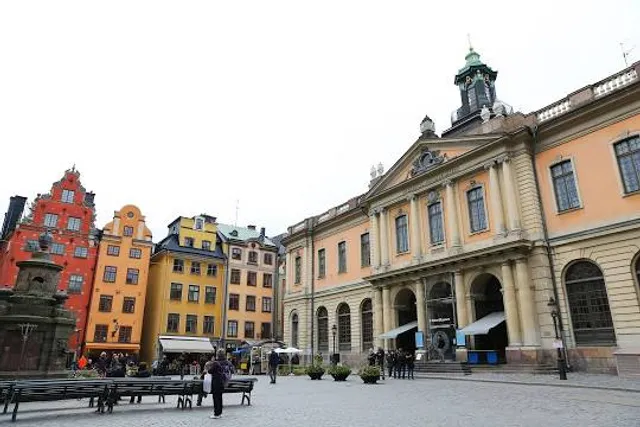
Nobel Prize Museum
4.1
(3.6K)
Open until 12:00 AM
Click for details
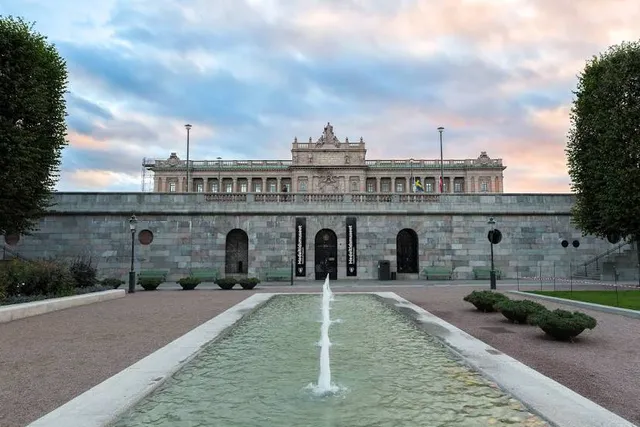
Stockholm Medieval Museum
4.5
(2K)
Open 24 hours
Click for details
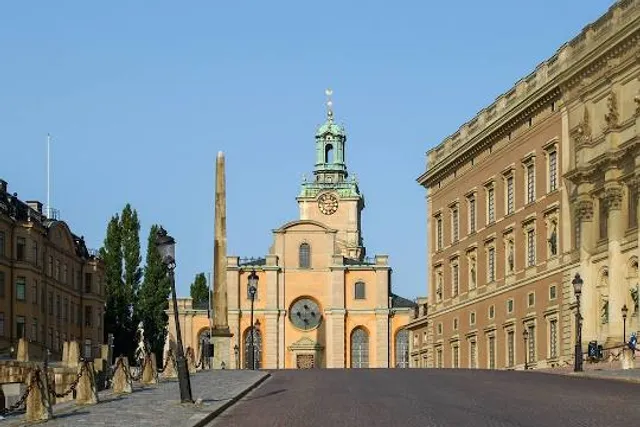
Storkyrkan
4.5
(1.3K)
Open until 5:00 PM
Click for details
Nearby restaurants of Brantingtorget
Café Schweizer
Stampen
Ristorante Rodolfino since 1972 - Gamla Stan
Ristorante da Peppe
Verte
Barrels
Vegan-Vegetarian Restaurant Hermitage
La Chef
Café gråmunken
Geronimo's FGT
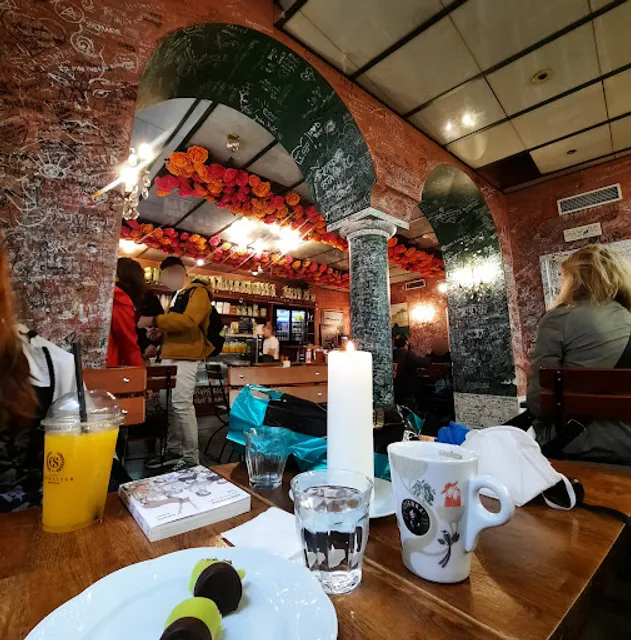
Café Schweizer
4.4
(1.5K)
Open until 7:00 PM
Click for details
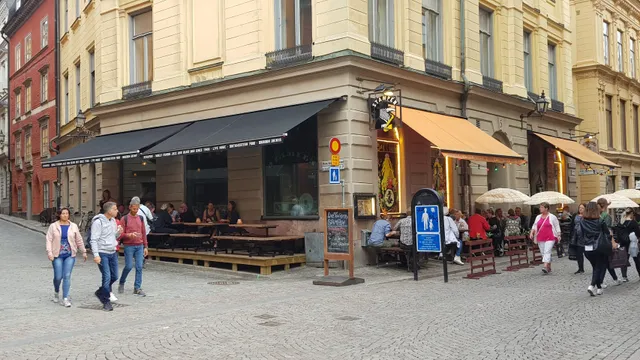
Stampen
4.5
(1.1K)
Open until 12:00 AM
Click for details
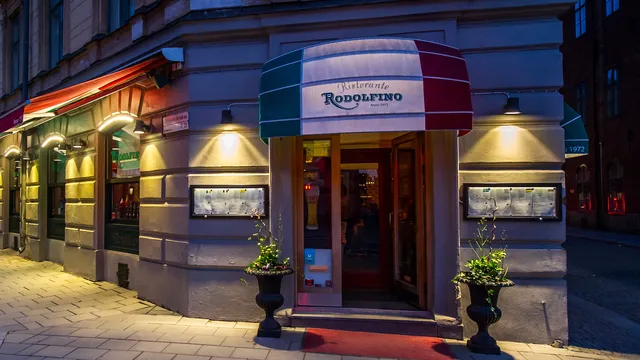
Ristorante Rodolfino since 1972 - Gamla Stan
4.0
(844)
Open until 10:00 PM
Click for details
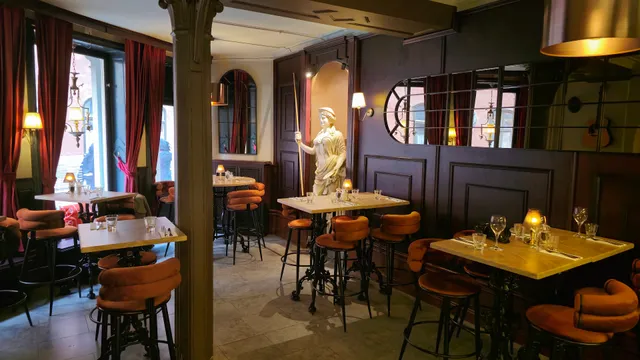
Ristorante da Peppe
4.3
(892)
Open until 11:00 PM
Click for details
Nearby local services of Brantingtorget
The Science Fiction Bookstore
The Old Town Souvenir
Gamla Stan
Kristallrummet - Kristaller, stenar och smycken i Gamla Stan
Apoteket Korpen
Clemontin AB
No.11
Norrbro
Classic Swedish Souvenir AB
Stortorgets Julmarknad
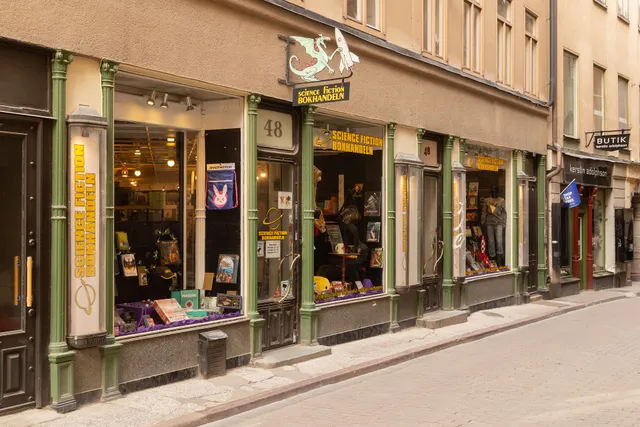
The Science Fiction Bookstore
4.7
(4.2K)
Click for details
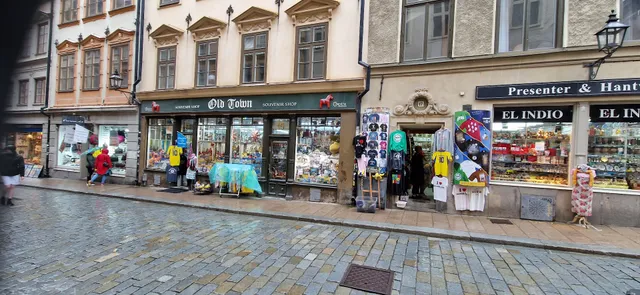
The Old Town Souvenir
4.1
(77)
Click for details
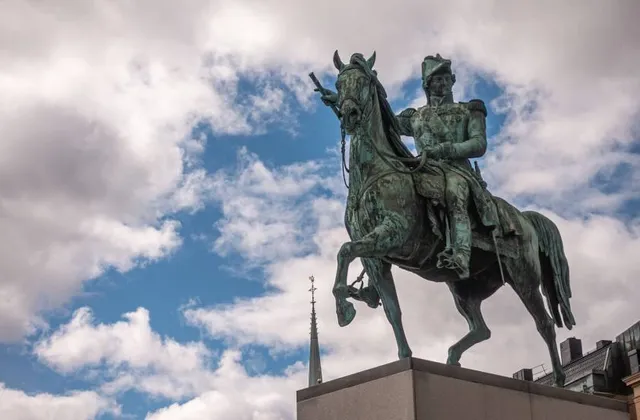
Gamla Stan
4.8
(361)
Click for details
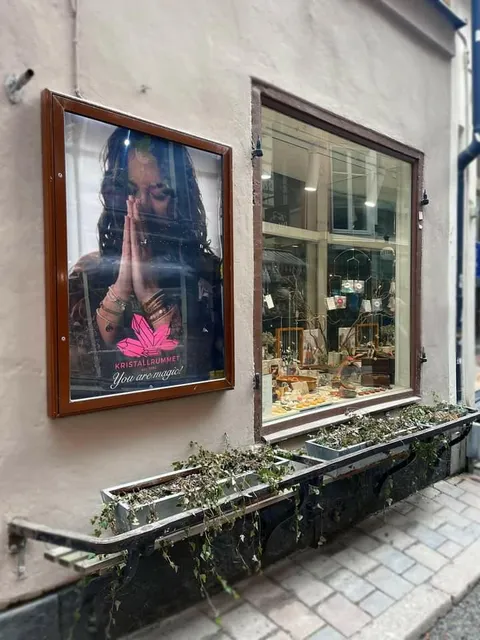
Kristallrummet - Kristaller, stenar och smycken i Gamla Stan
4.3
(68)
Click for details