Nobel Prize Museum things to do, attractions, restaurants, events info and trip planning
Basic Info
Nobel Prize Museum
Stortorget 2, 103 16 Stockholm, Sweden
4.1(3.6K)
Open until 12:00 AM


tickets
Save
spot
spot
Ratings & Description
Info
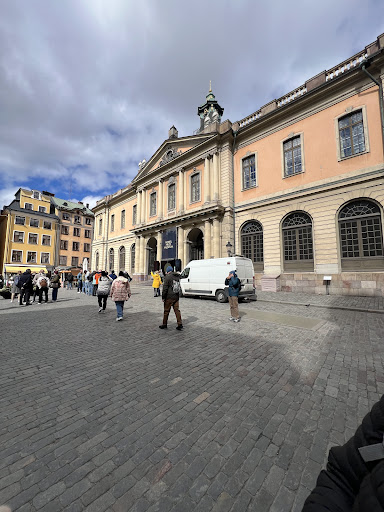
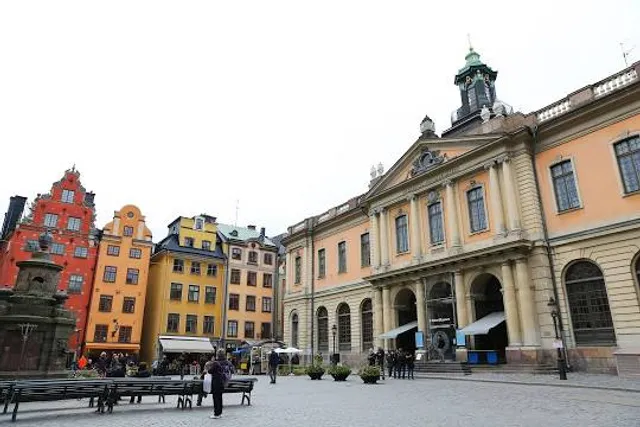
The Nobel Prize Museum is located in the former Stock Exchange Building on the north side of the square Stortorget in Gamla Stan, the old town in central Stockholm, Sweden.
Cultural
Accessibility
attractions: Stockholm Stock Exchange Building, Stockholm Medieval Museum, Storkyrkan, The Royal Palace, Saint Gertrude, German Church, Iron Boy - Boy watching the moon, The Royal Armoury, Finska Kyrkan, Gustav III:s Obelisk, St. George & The Dragon Statue, restaurants: Pharmarium, Kaffekoppen, Restaurang De Svarta Fåren, Restaurang Stortorgskällaren, Chokladkoppen, Restaurang Kryp In Gamla Stan, Grillska Huset, Café Sten Sture, Barrels, Café Schweizer, local businesses: The Science Fiction Bookstore, Gamla Stan, Stortorgets Julmarknad, Kristallrummet - Kristaller, stenar och smycken i Gamla Stan, Old Town Polkagriskokeri AB, Stadsholmen, The Old Town Souvenir, Bishop Arms Gamla Stan, Runstenen & Kronan Antik AB, Indus The Gift Shop
 Learn more insights from Wanderboat AI.
Phone
+46 8 534 818 00
Website
nobelprizemuseum.se
Open hoursSee all hours
Tue11 AM - 5 PMOpen
Plan your stay

Pet-friendly Hotels in Stockholm
Find a cozy hotel nearby and make it a full experience.

Affordable Hotels in Stockholm
Find a cozy hotel nearby and make it a full experience.

The Coolest Hotels You Haven't Heard Of (Yet)
Find a cozy hotel nearby and make it a full experience.

Trending Stays Worth the Hype in Stockholm
Find a cozy hotel nearby and make it a full experience.
Reviews
Live events
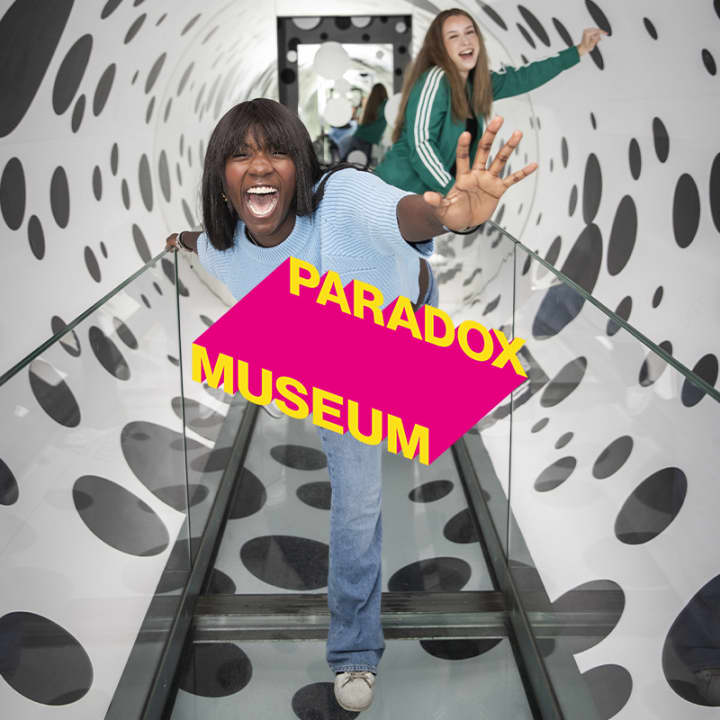
Paradox Museum Stockholm - Official Tickets
Tue, Feb 24 • 9:00 AM
Sergelgatan 20, Stockholm, 111 57
View details
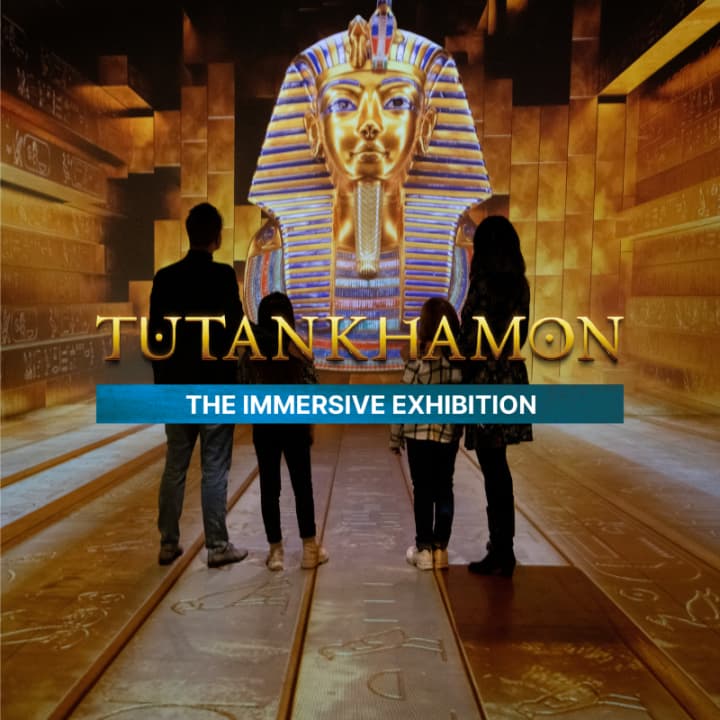
Tutankhamun: The Immersive Exhibition
Tue, Feb 24 • 10:00 AM
Frihamnsgatan 66, Stockholm, 115 56
View details
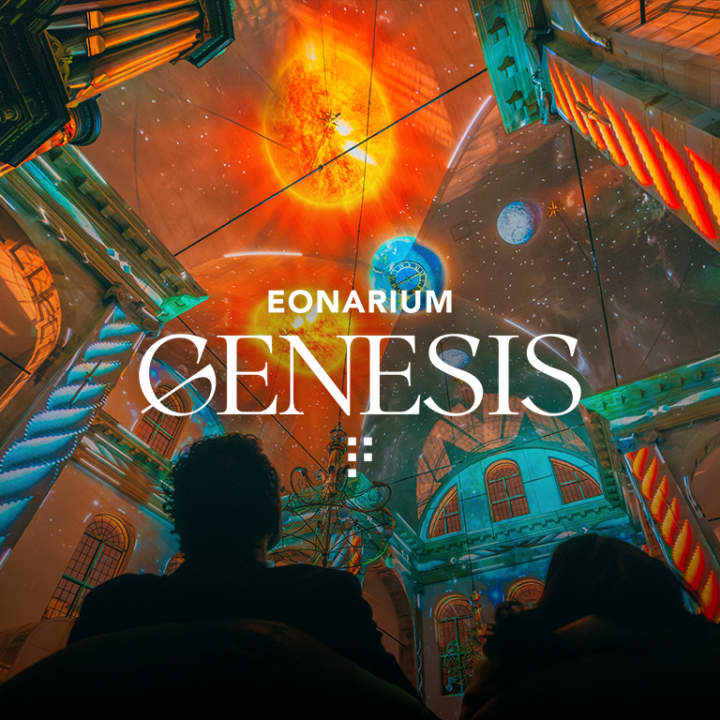
Eonarium Genesis: An Immersive Light Show
Wed, Feb 25 • 5:45 PM
Kyrkslingan 2-4, 111 49 Stockholm, Sweden, 111 49
View details
Nearby attractions of Nobel Prize Museum
Stockholm Stock Exchange Building
Stockholm Medieval Museum
Storkyrkan
The Royal Palace
Saint Gertrude, German Church
Iron Boy - Boy watching the moon
The Royal Armoury
Finska Kyrkan
Gustav III:s Obelisk
St. George & The Dragon Statue
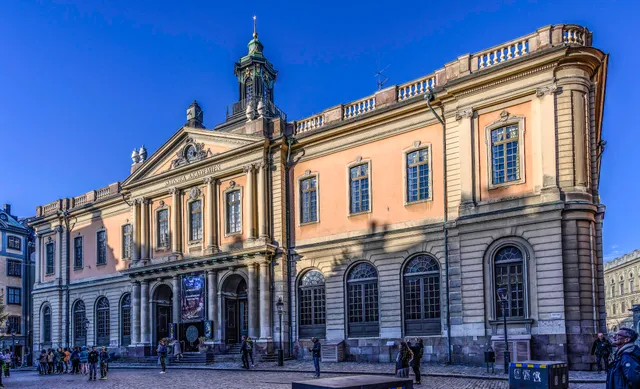
Stockholm Stock Exchange Building
4.5
(3.6K)
Open 24 hours
Click for details
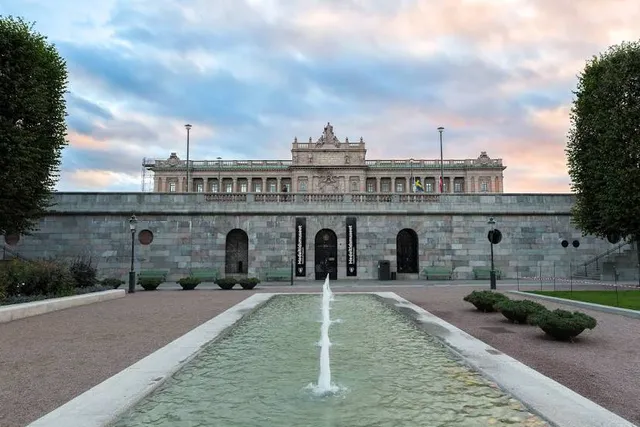
Stockholm Medieval Museum
4.5
(2K)
Open 24 hours
Click for details
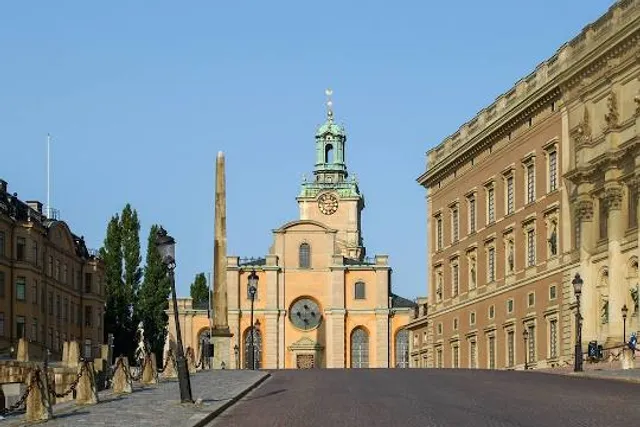
Storkyrkan
4.5
(1.3K)
Closed
Click for details
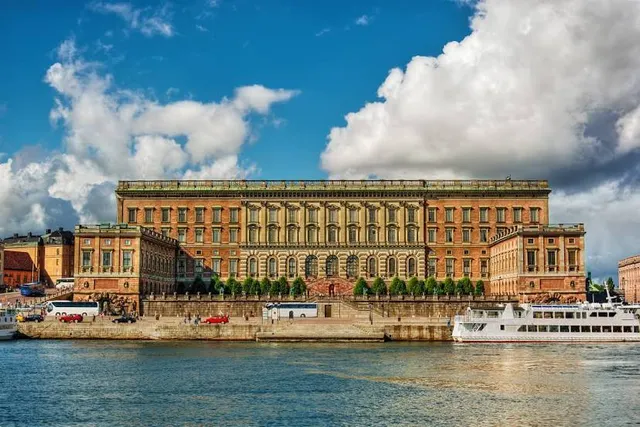
The Royal Palace
4.5
(1.6K)
Closed
Click for details
Nearby restaurants of Nobel Prize Museum
Pharmarium
Kaffekoppen
Restaurang De Svarta Fåren
Restaurang Stortorgskällaren
Chokladkoppen
Restaurang Kryp In Gamla Stan
Grillska Huset
Café Sten Sture
Barrels
Café Schweizer
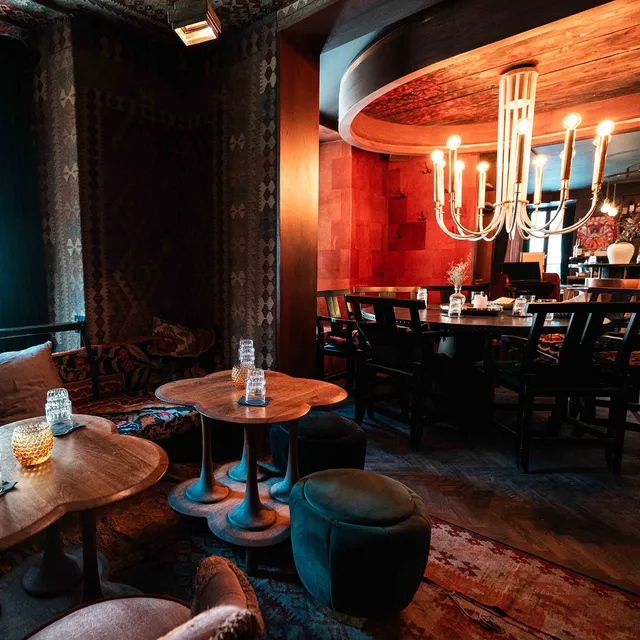
Pharmarium
4.5
(783)
Closed
Click for details
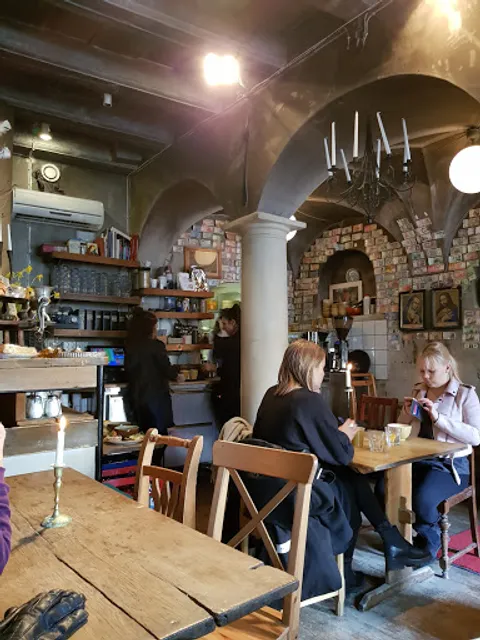
Kaffekoppen
4.2
(686)
$
Closed
Click for details
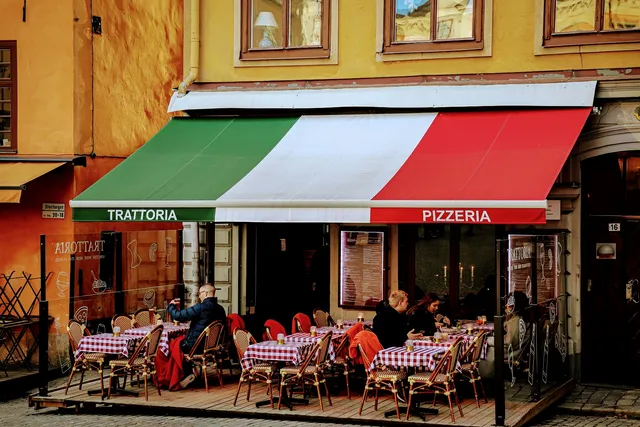
Restaurang De Svarta Fåren
3.5
(650)
$$
Closed
Click for details
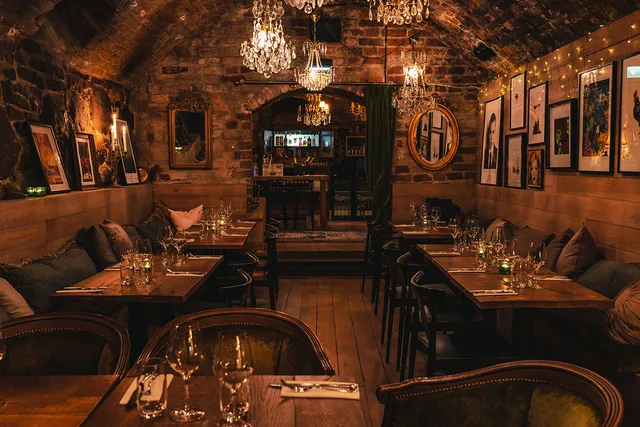
Restaurang Stortorgskällaren
4.2
(689)
$$$
Closed
Click for details
Nearby local services of Nobel Prize Museum
The Science Fiction Bookstore
Gamla Stan
Stortorgets Julmarknad
Kristallrummet - Kristaller, stenar och smycken i Gamla Stan
Old Town Polkagriskokeri AB
Stadsholmen
The Old Town Souvenir
Bishop Arms Gamla Stan
Runstenen & Kronan Antik AB
Indus The Gift Shop
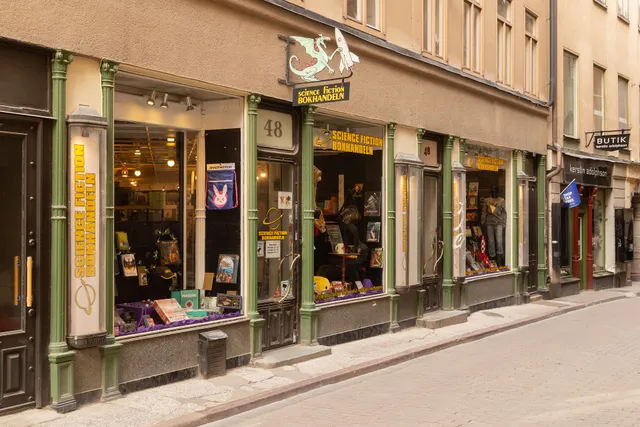
The Science Fiction Bookstore
4.7
(4.2K)
Click for details
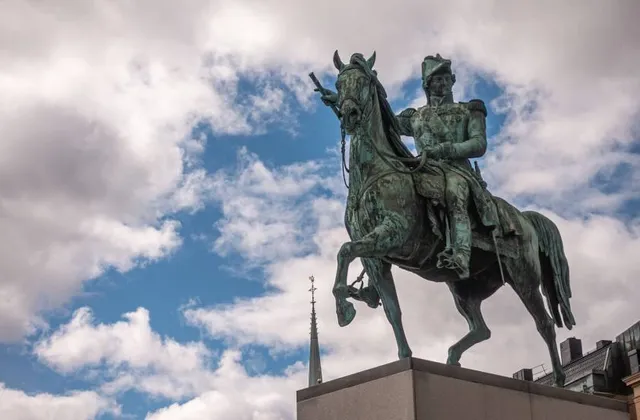
Gamla Stan
4.8
(361)
Click for details

Stortorgets Julmarknad
4.0
(84)
Click for details
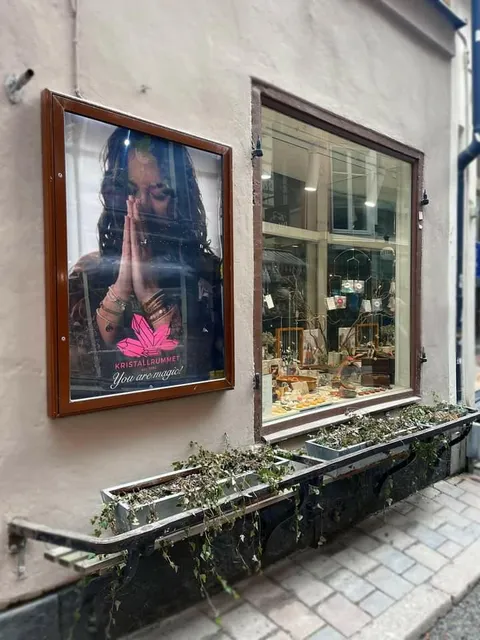
Kristallrummet - Kristaller, stenar och smycken i Gamla Stan
4.3
(68)
Click for details