Gustav III:s Obelisk things to do, attractions, restaurants, events info and trip planning
Basic Info
Gustav III:s Obelisk
Slottsbacken 1, 111 30 Stockholm, Sweden
4.3(94)
Open until 12:00 AM
Save
spot
spot
Ratings & Description
Info
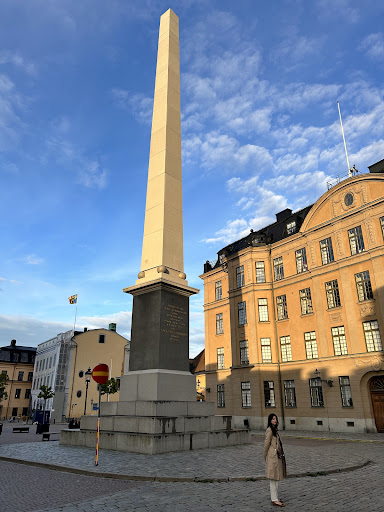
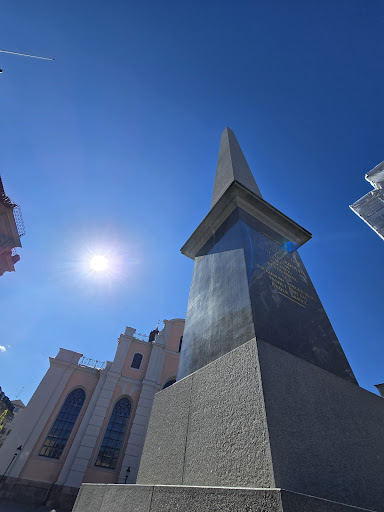
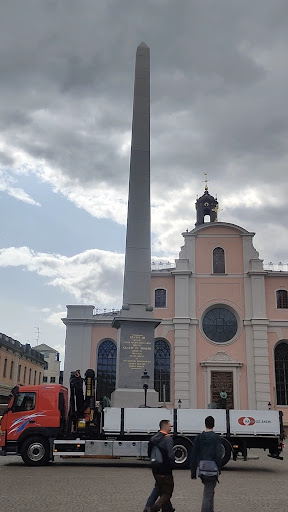
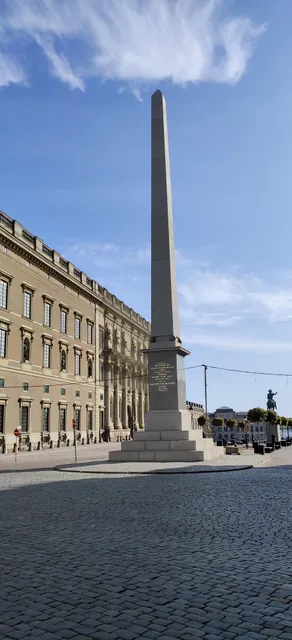
The Obelisk at Slottsbacken is an obelisk monument adjacent to the Royal Palace on Slottsbacken in Old Town, Stockholm, Sweden and is considered to be the very centre point of the Swedish capital city. Unveiled in 1800, it commemorates the deeds of Stockholm's citizenry during the Russo-Swedish War.
Cultural
Scenic
Accessibility
attractions: Stockholm Stock Exchange Building, Nobel Prize Museum, Stockholm Medieval Museum, Storkyrkan, The Royal Palace, The Royal Armoury, Iron Boy - Boy watching the moon, Finska Kyrkan, Saint Gertrude, German Church, Skattkammaren, restaurants: Restaurant Tradition, Café Schweizer, Grillska Huset, Under Kastanjen - Restaurang & Café, Pharmarium, Gamla Stans Lykta, Restaurang Stortorgskällaren, Kaffekoppen, Café Sten Sture, Restaurang De Svarta Fåren, local businesses: The Science Fiction Bookstore, Gamla Stan, Stadsholmen, Stortorgets Julmarknad, The Old Town Souvenir, Kristallrummet - Kristaller, stenar och smycken i Gamla Stan, Sol Handkraft, Norrbro, Old Town Polkagriskokeri AB, Apoteket Korpen
 Learn more insights from Wanderboat AI.
Open hoursSee all hours
SatOpen 24 hoursOpen
Plan your stay

Pet-friendly Hotels in Stockholm
Find a cozy hotel nearby and make it a full experience.

Affordable Hotels in Stockholm
Find a cozy hotel nearby and make it a full experience.

The Coolest Hotels You Haven't Heard Of (Yet)
Find a cozy hotel nearby and make it a full experience.

Trending Stays Worth the Hype in Stockholm
Find a cozy hotel nearby and make it a full experience.
Reviews
Live events

Bake delicious Swedish cinnamon rolls with a local
Sat, Feb 7 • 12:00 PM
128 48, Stockholm, Sweden
View details

Winter Archipelago Kayaking, Fika & Hot Sauna
Sun, Feb 8 • 10:30 AM
185 51, Vaxholm, Sweden
View details
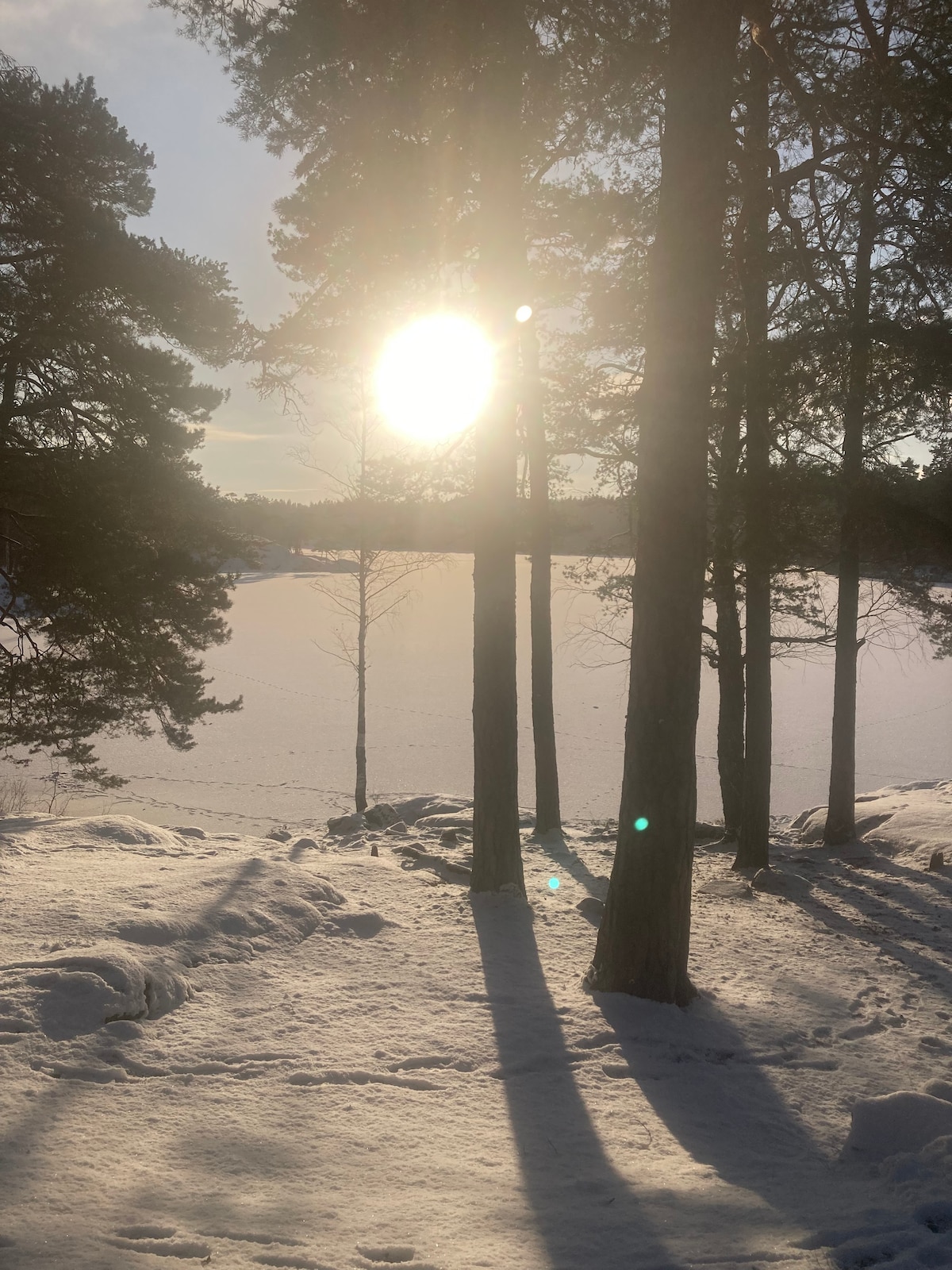
Guided hike & sauna
Sat, Feb 7 • 10:00 AM
133 44, Saltsjöbaden, Sweden
View details
Nearby attractions of Gustav III:s Obelisk
Stockholm Stock Exchange Building
Nobel Prize Museum
Stockholm Medieval Museum
Storkyrkan
The Royal Palace
The Royal Armoury
Iron Boy - Boy watching the moon
Finska Kyrkan
Saint Gertrude, German Church
Skattkammaren
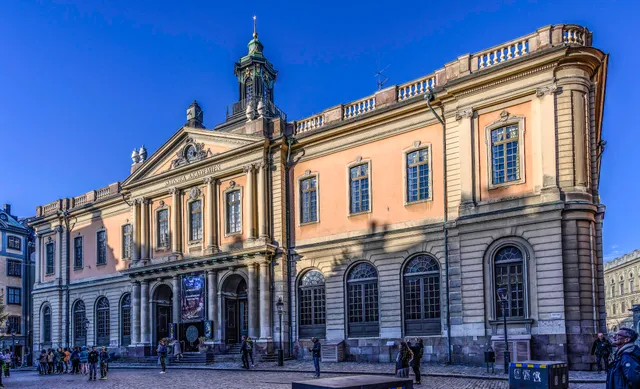
Stockholm Stock Exchange Building
4.5
(3.6K)
Open 24 hours
Click for details
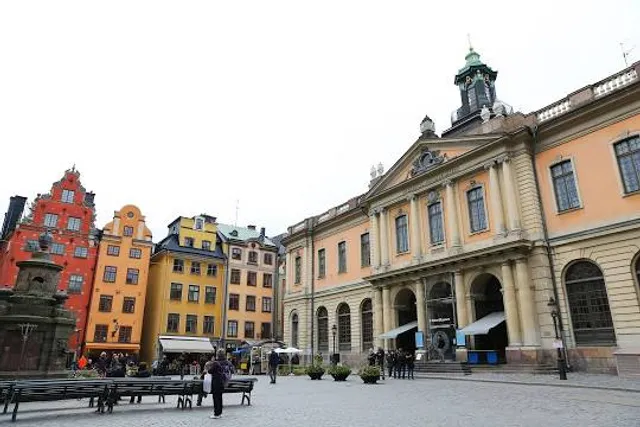
Nobel Prize Museum
4.1
(3.6K)
Closed
Click for details
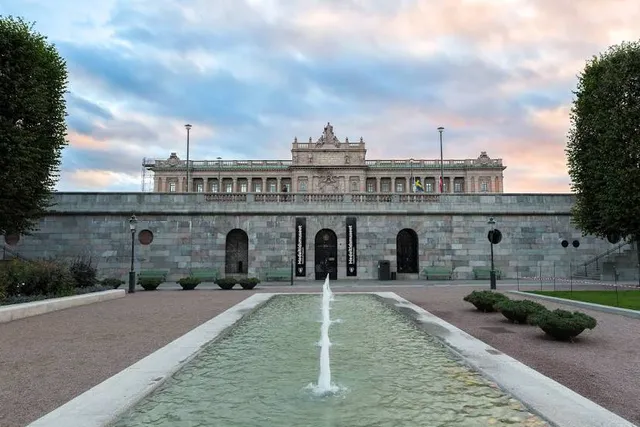
Stockholm Medieval Museum
4.5
(2K)
Open 24 hours
Click for details
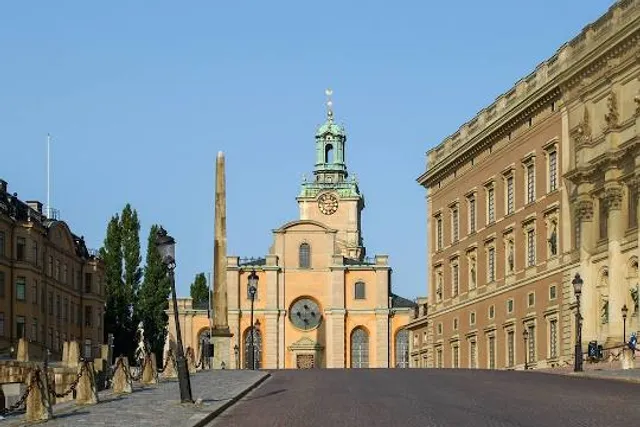
Storkyrkan
4.5
(1.3K)
Closed
Click for details
Nearby restaurants of Gustav III:s Obelisk
Restaurant Tradition
Café Schweizer
Grillska Huset
Under Kastanjen - Restaurang & Café
Pharmarium
Gamla Stans Lykta
Restaurang Stortorgskällaren
Kaffekoppen
Café Sten Sture
Restaurang De Svarta Fåren
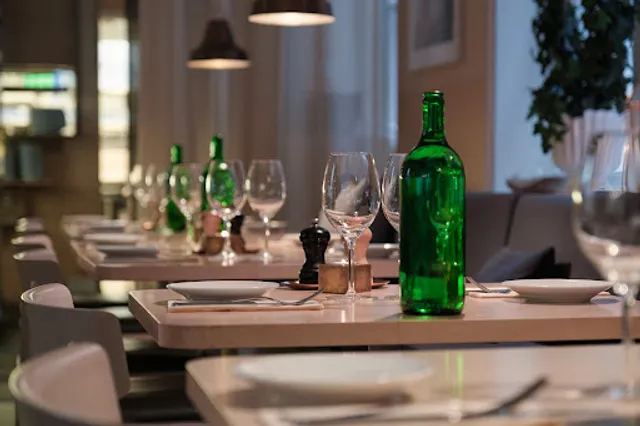
Restaurant Tradition
4.6
(1.7K)
$$
Open until 12:00 AM
Click for details
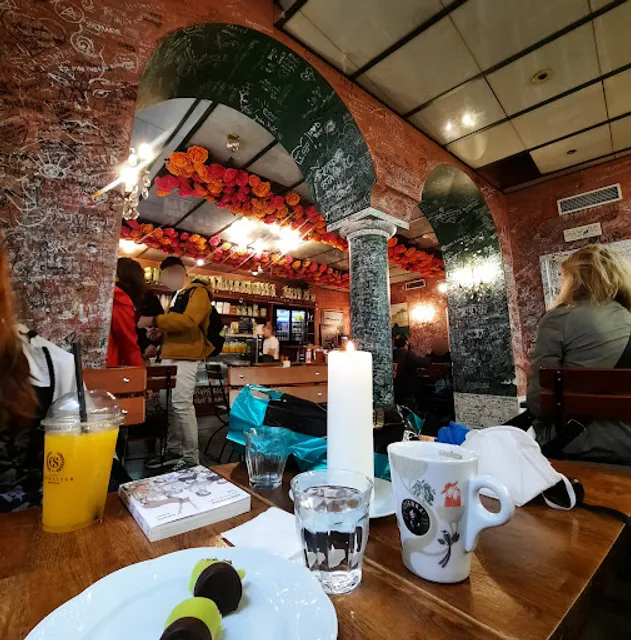
Café Schweizer
4.4
(1.5K)
Closed
Click for details
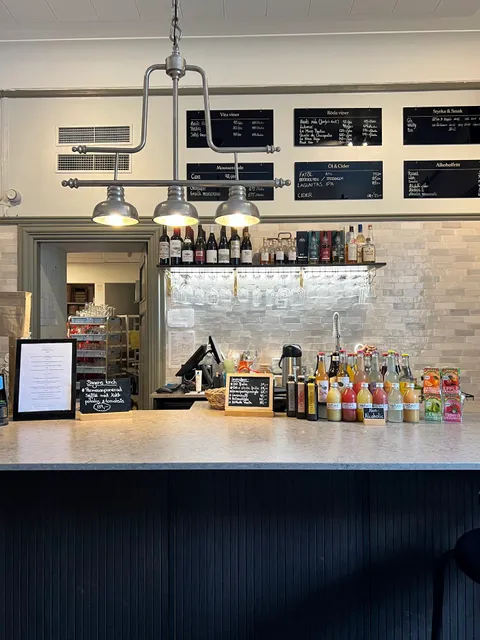
Grillska Huset
4.4
(616)
Closed
Click for details
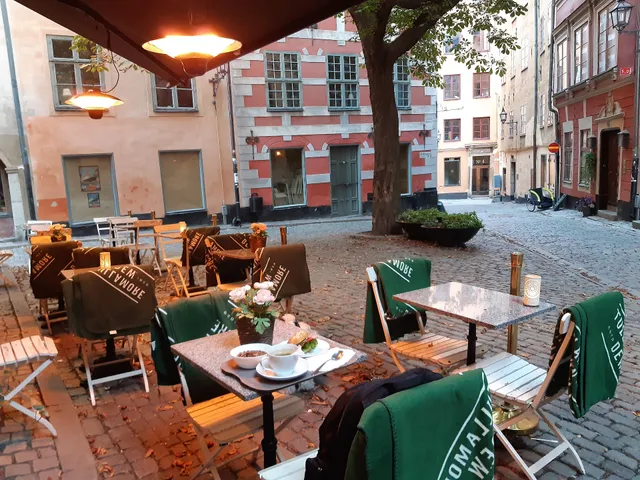
Under Kastanjen - Restaurang & Café
4.2
(1.1K)
Closed
Click for details
Nearby local services of Gustav III:s Obelisk
The Science Fiction Bookstore
Gamla Stan
Stadsholmen
Stortorgets Julmarknad
The Old Town Souvenir
Kristallrummet - Kristaller, stenar och smycken i Gamla Stan
Sol Handkraft
Norrbro
Old Town Polkagriskokeri AB
Apoteket Korpen
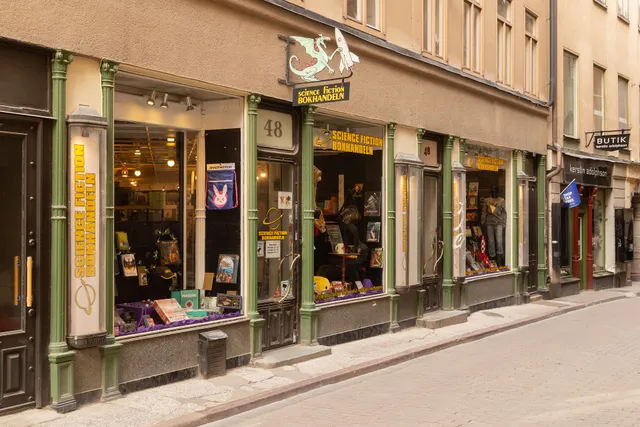
The Science Fiction Bookstore
4.7
(4.2K)
Click for details
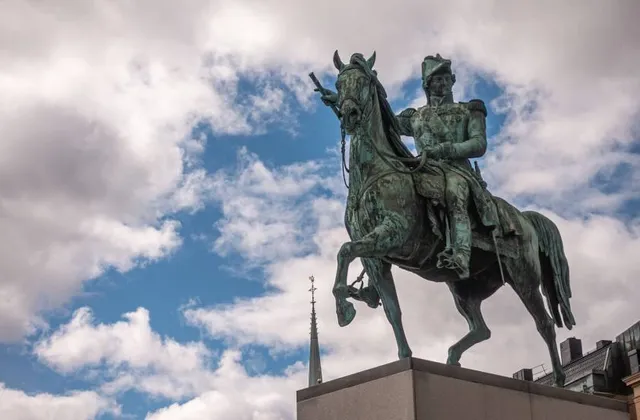
Gamla Stan
4.8
(361)
Click for details
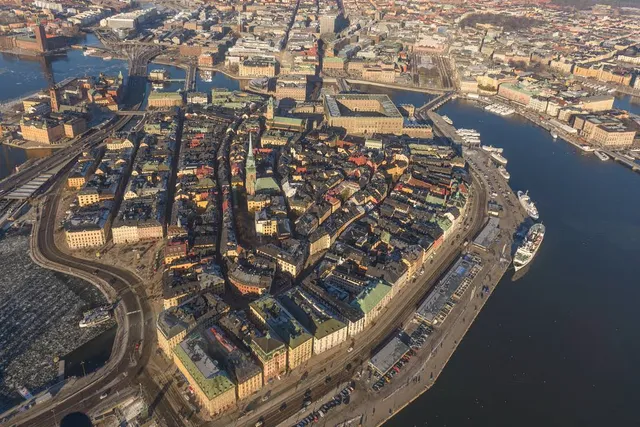
Stadsholmen
4.8
(46)
Click for details

Stortorgets Julmarknad
4.0
(84)
Click for details