St. George & The Dragon Statue things to do, attractions, restaurants, events info and trip planning
Basic Info
St. George & The Dragon Statue
Köpmantorget, 111 31 Stockholm, Sweden
4.5(85)
Closed
Save
spot
spot
Ratings & Description
Info
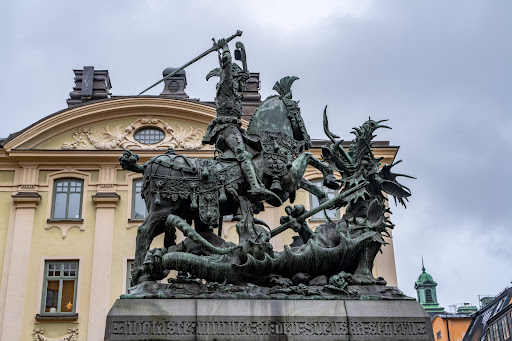
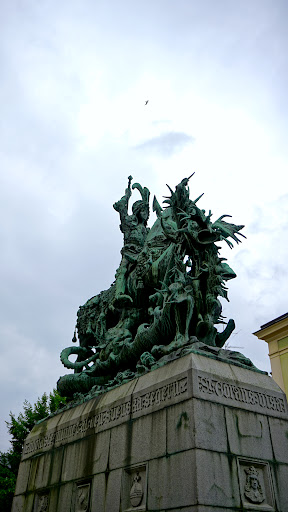
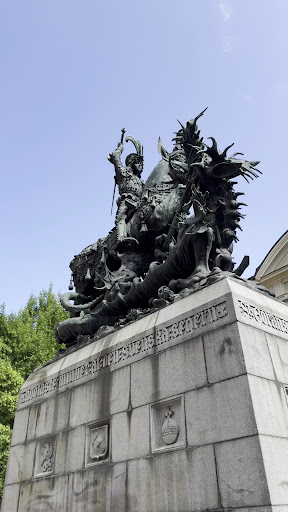
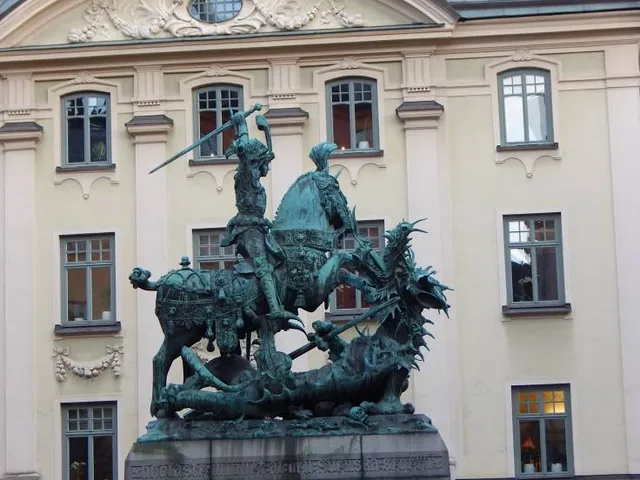
Saint George and the Dragon is a late medieval wooden sculpture depicting the legend of Saint George and the Dragon, located in Storkyrkan in Stockholm, Sweden. It is attributed to Bernt Notke and was commissioned by the Swedish regent Sten Sture the Elder. It was inaugurated in 1489.
Cultural
Scenic
attractions: The Royal Palace, Nobel Prize Museum, The Royal Armoury, Iron Boy - Boy watching the moon, Stockholm Medieval Museum, Saint Gertrude, German Church, Storkyrkan, Sjöfartshuset Festvåning Stockholm, Finska Kyrkan, Gallery Svea, restaurants: Österlånggatan 17 - Restaurant & Bar, Restaurant Tradition, Under Kastanjen - Restaurang & Café, Gamla Stans Lykta, Fem små hus, Ruby, Mister French, Skeppsbro Bakery, Texas Longhorn, Aifur, local businesses: The Science Fiction Bookstore, Gamla Stan, Exit Games Stockholm, Old Town Polkagriskokeri AB, Stadsholmen, Sol Handkraft, Handfaste The Viking Shop, Stortorgets Julmarknad, Södra Blasieholmshamnen 2, Mårten Trotzigs gränd
 Learn more insights from Wanderboat AI.
Open hoursSee all hours
SatClosed
Plan your stay

Pet-friendly Hotels in Stockholm
Find a cozy hotel nearby and make it a full experience.

Affordable Hotels in Stockholm
Find a cozy hotel nearby and make it a full experience.

The Coolest Hotels You Haven't Heard Of (Yet)
Find a cozy hotel nearby and make it a full experience.

Trending Stays Worth the Hype in Stockholm
Find a cozy hotel nearby and make it a full experience.
Reviews
Live events

Bake delicious Swedish cinnamon rolls with a local
Sat, Feb 28 • 12:00 PM
128 48, Stockholm, Sweden
View details
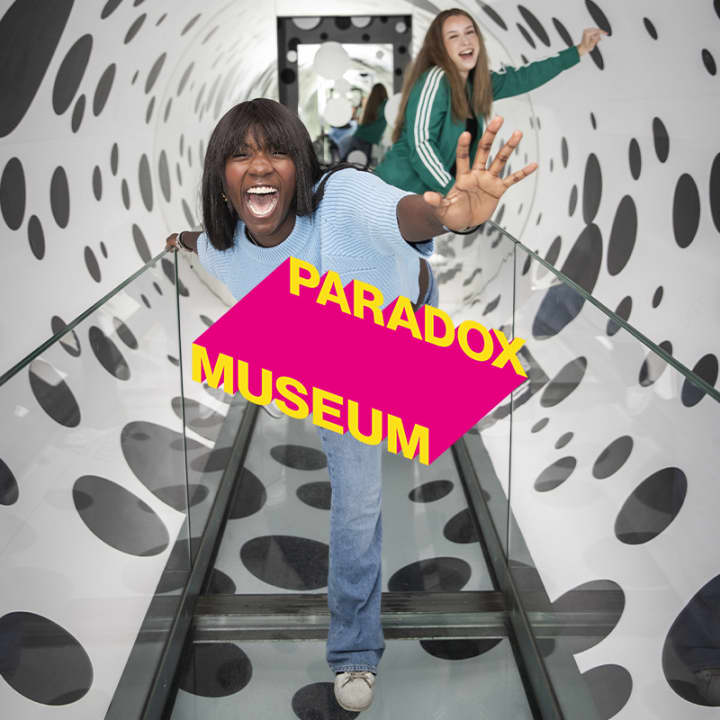
Paradox Museum Stockholm - Official Tickets
Sat, Feb 28 • 9:00 AM
Sergelgatan 20, Stockholm, 111 57
View details
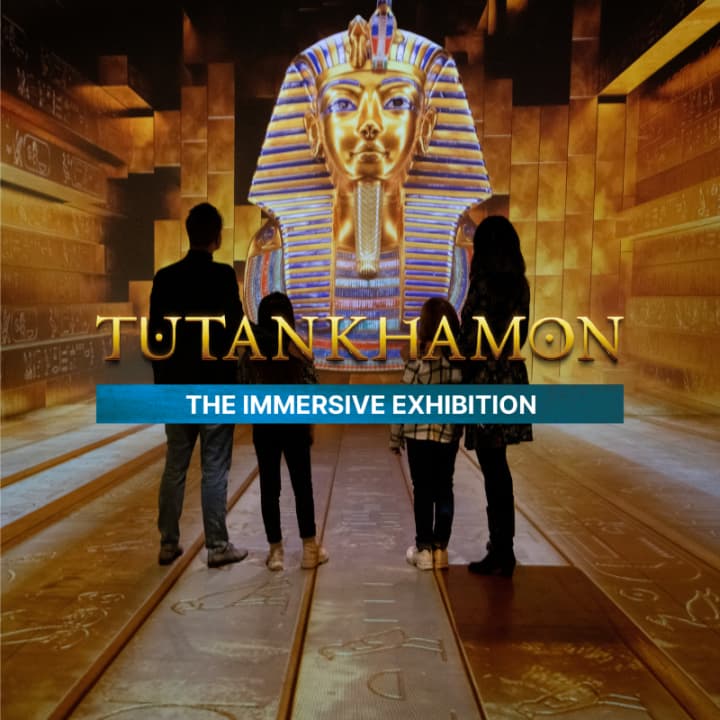
Tutankhamun: The Immersive Exhibition
Sat, Feb 28 • 10:00 AM
Frihamnsgatan 66, Stockholm, 115 56
View details
Nearby attractions of St. George & The Dragon Statue
The Royal Palace
Nobel Prize Museum
The Royal Armoury
Iron Boy - Boy watching the moon
Stockholm Medieval Museum
Saint Gertrude, German Church
Storkyrkan
Sjöfartshuset Festvåning Stockholm
Finska Kyrkan
Gallery Svea
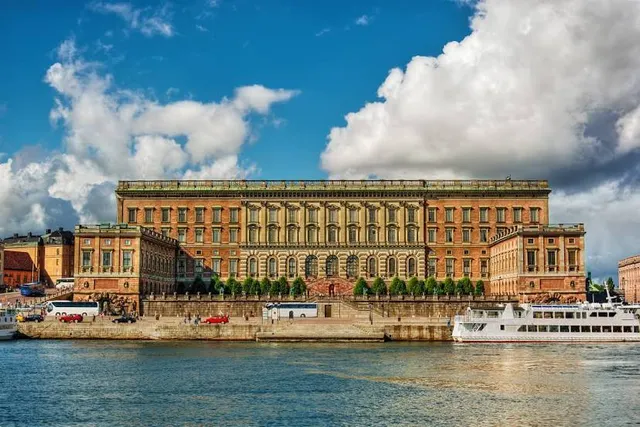
The Royal Palace
4.5
(15.9K)
Closed
Click for details
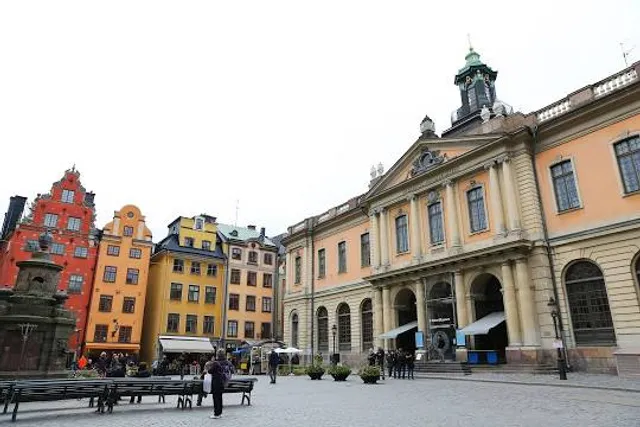
Nobel Prize Museum
4.1
(3.7K)
Closed
Click for details
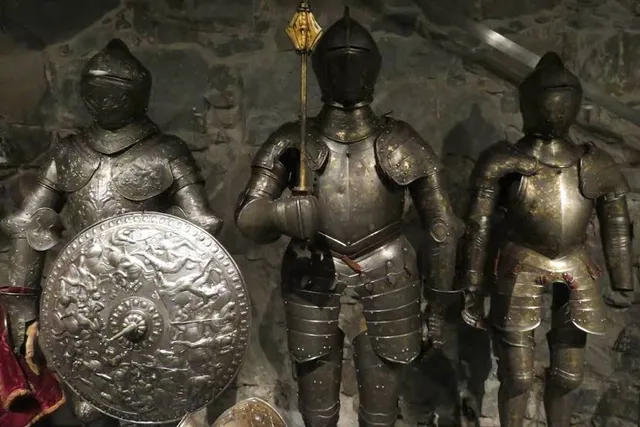
The Royal Armoury
4.6
(1.7K)
Closed
Click for details
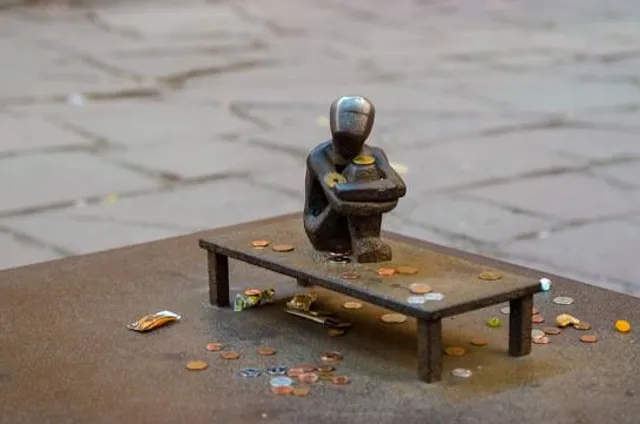
Iron Boy - Boy watching the moon
4.6
(430)
Open until 12:00 AM
Click for details
Nearby restaurants of St. George & The Dragon Statue
Österlånggatan 17 - Restaurant & Bar
Restaurant Tradition
Under Kastanjen - Restaurang & Café
Gamla Stans Lykta
Fem små hus
Ruby
Mister French
Skeppsbro Bakery
Texas Longhorn
Aifur
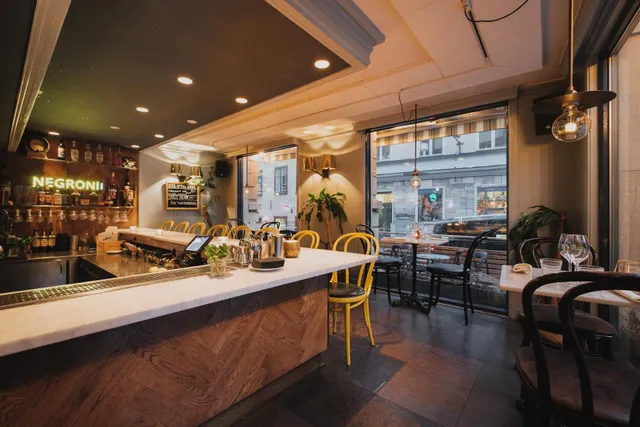
Österlånggatan 17 - Restaurant & Bar
4.1
(648)
$$
Closed
Click for details
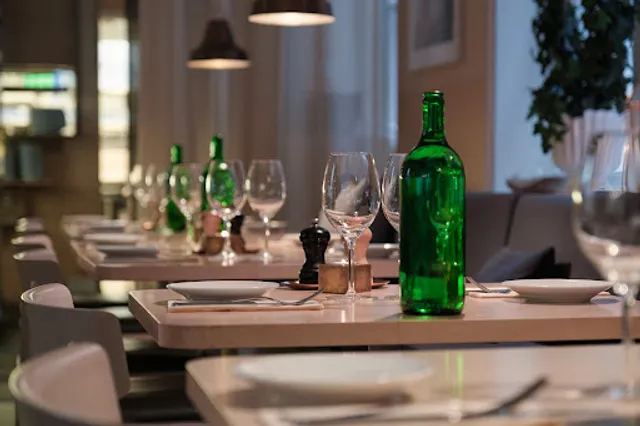
Restaurant Tradition
4.6
(1.7K)
$$
Closed
Click for details
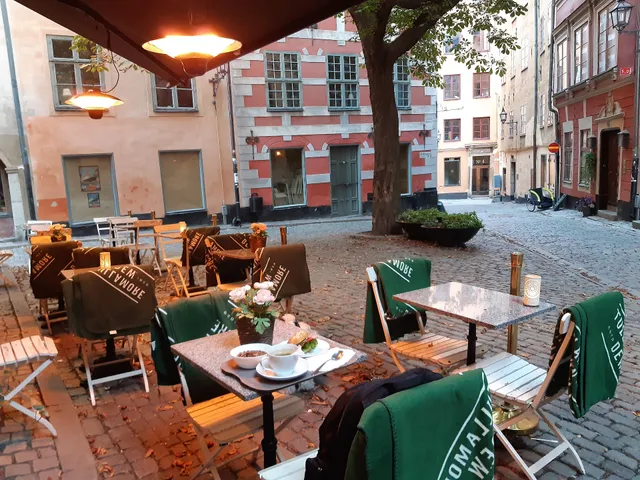
Under Kastanjen - Restaurang & Café
4.2
(1.0K)
Closed
Click for details
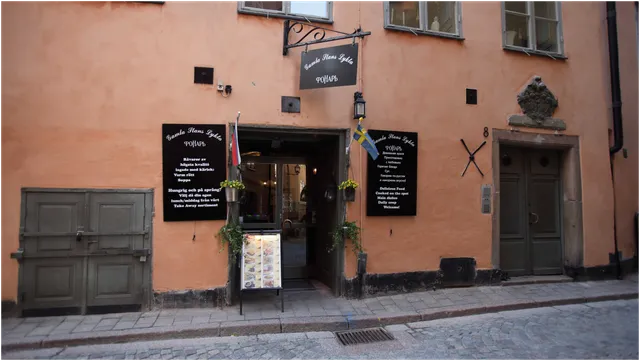
Gamla Stans Lykta
4.7
(822)
Closed
Click for details
Nearby local services of St. George & The Dragon Statue
The Science Fiction Bookstore
Gamla Stan
Exit Games Stockholm
Old Town Polkagriskokeri AB
Stadsholmen
Sol Handkraft
Handfaste The Viking Shop
Stortorgets Julmarknad
Södra Blasieholmshamnen 2
Mårten Trotzigs gränd
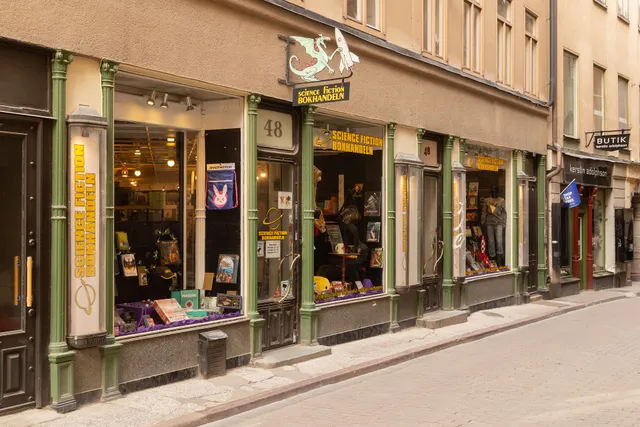
The Science Fiction Bookstore
4.7
(4.4K)
Click for details
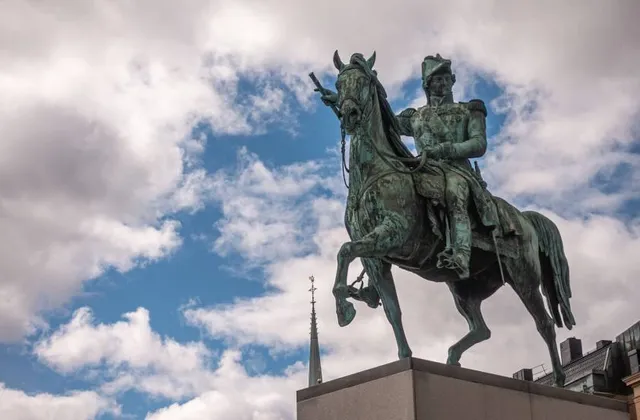
Gamla Stan
4.8
(341)
Click for details

Exit Games Stockholm
4.3
(152)
Click for details
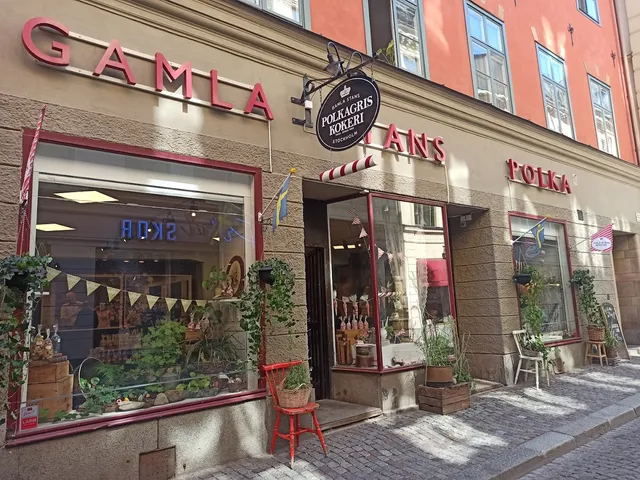
Old Town Polkagriskokeri AB
4.7
(438)
Click for details