Chikan Tower things to do, attractions, restaurants, events info and trip planning
Basic Info
Chikan Tower
No. 212, Section 2, Minzu Rd, West Central District, Tainan City, Taiwan 700
4.3(9.7K)
Closed


tickets
Save
spot
spot
Ratings & Description
Info
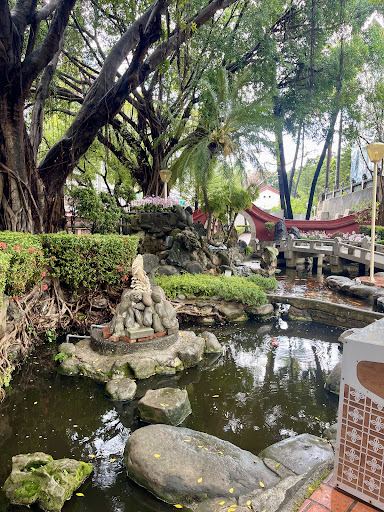
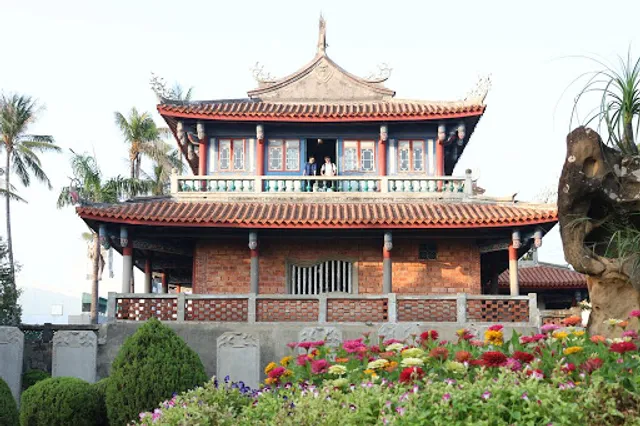
Fort Provintia or Providentia, also known as Chihkan Tower, was a Dutch outpost on Formosa at a site now located in West Central District, Tainan, Taiwan. It was built in 1653 during the Dutch colonization of Taiwan.
Cultural
Scenic
Family friendly
Accessibility
attractions: 臺灣祀典武廟, Tainan Grand Mazu Temple, Chihkan Culture Park, Yamuliao Market, YongLe Market, Tainan Wu Garden, Snail Alley, Kaijiyu Temple, 南埕衖事, National Museum of Taiwan Literature, restaurants: Chikan Pharmacy Bar, Shuànsên Tainan, Yamane Sushi, Nest居酒屋 de 三十八番, Grandma Hanjin Chikan Shop, IMODO DOFU, 悅津鹹粥, Pu-Jei, Oganna黑瓶子燒肉, 赤崁璽樓蔬食 (請先訂位), local businesses: Tiantan Tiangong Temple, Tainan Beiji Temple, Tainan Sanshan Guowang Temple, Ông Io̍k-tek Memorial Museum, Tainan You'ai Market, 博生堂中藥房, Old Tainan Prefecture Council, 禧元堂燕窩台南民族店, 50嵐海安店, 夢想星球(一番賞、盒玩、動畫周邊)
 Learn more insights from Wanderboat AI.
Phone
+886 6 220 5647
Website
historic.tainan.gov.tw
Open hoursSee all hours
Tue8:30 AM - 9 PMClosed
Plan your stay

Pet-friendly Hotels in Tainan
Find a cozy hotel nearby and make it a full experience.

Affordable Hotels in Tainan
Find a cozy hotel nearby and make it a full experience.

The Coolest Hotels You Haven't Heard Of (Yet)
Find a cozy hotel nearby and make it a full experience.

Trending Stays Worth the Hype in Tainan
Find a cozy hotel nearby and make it a full experience.
Reviews
Nearby attractions of Chikan Tower
臺灣祀典武廟
Tainan Grand Mazu Temple
Chihkan Culture Park
Yamuliao Market
YongLe Market
Tainan Wu Garden
Snail Alley
Kaijiyu Temple
南埕衖事
National Museum of Taiwan Literature
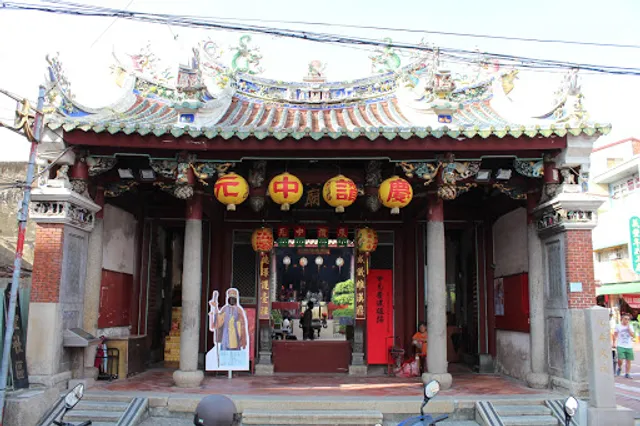
臺灣祀典武廟
4.7
(2K)
Closed
Click for details
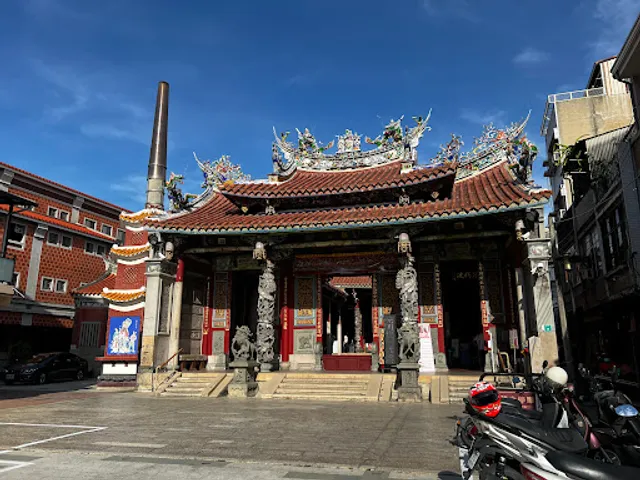
Tainan Grand Mazu Temple
4.7
(1.2K)
Closed
Click for details
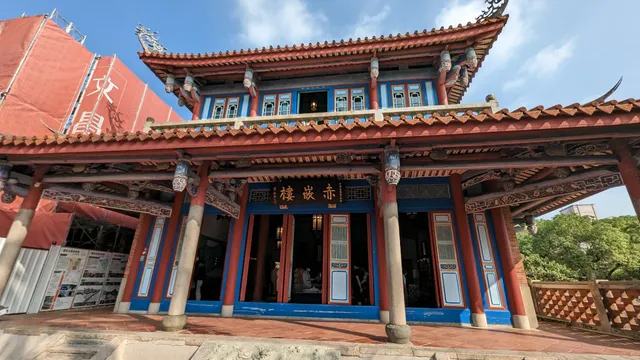
Chihkan Culture Park
4.3
(304)
Open until 12:00 AM
Click for details
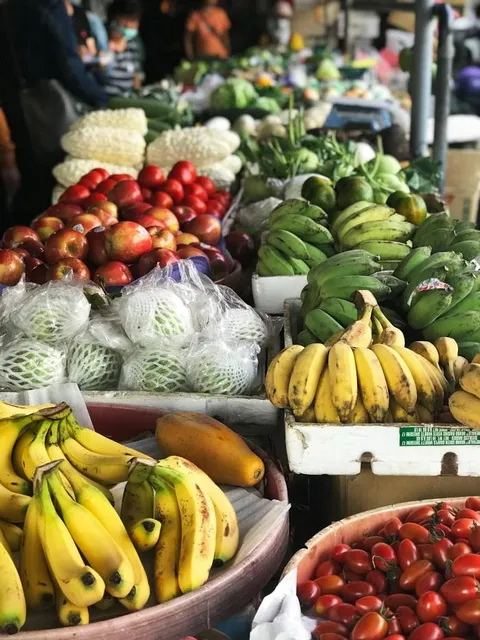
Yamuliao Market
4.2
(2.1K)
Closed
Click for details
Nearby restaurants of Chikan Tower
Chikan Pharmacy Bar
Shuànsên Tainan
Yamane Sushi
Nest居酒屋 de 三十八番
Grandma Hanjin Chikan Shop
IMODO DOFU
悅津鹹粥
Pu-Jei
Oganna黑瓶子燒肉
赤崁璽樓蔬食 (請先訂位)
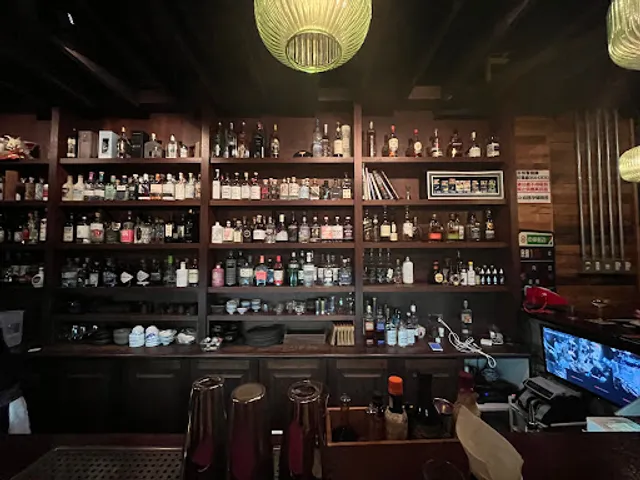
Chikan Pharmacy Bar
4.8
(2K)
Open until 2:00 AM
Click for details
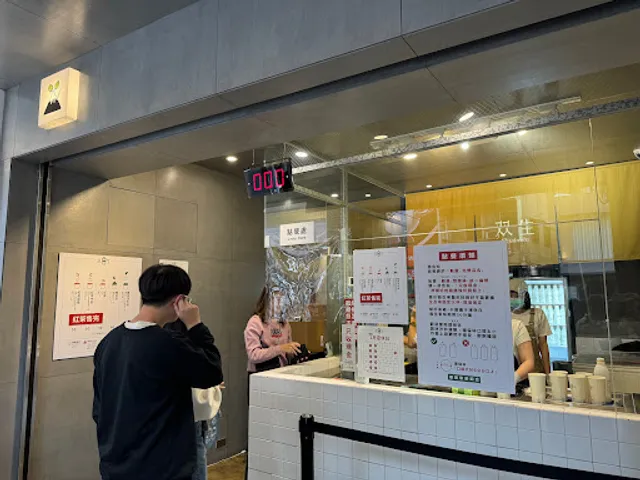
Shuànsên Tainan
4.5
(2.8K)
Open until 12:00 AM
Click for details
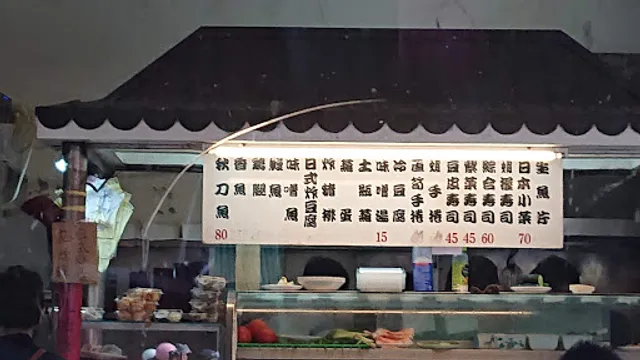
Yamane Sushi
3.7
(1.3K)
Open until 12:00 AM
Click for details
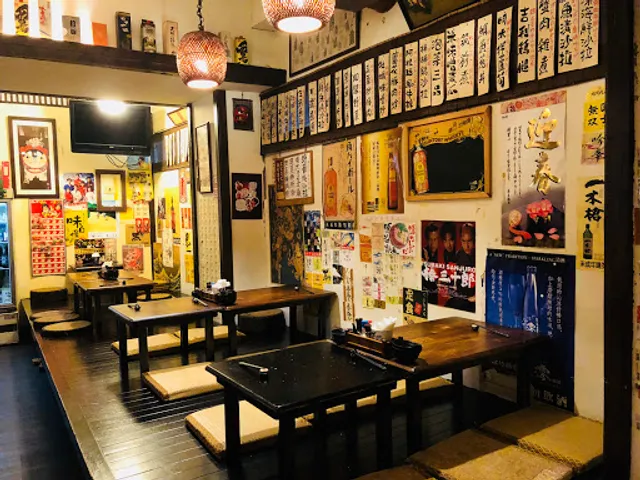
Nest居酒屋 de 三十八番
4.4
(844)
Open until 1:30 AM
Click for details
Nearby local services of Chikan Tower
Tiantan Tiangong Temple
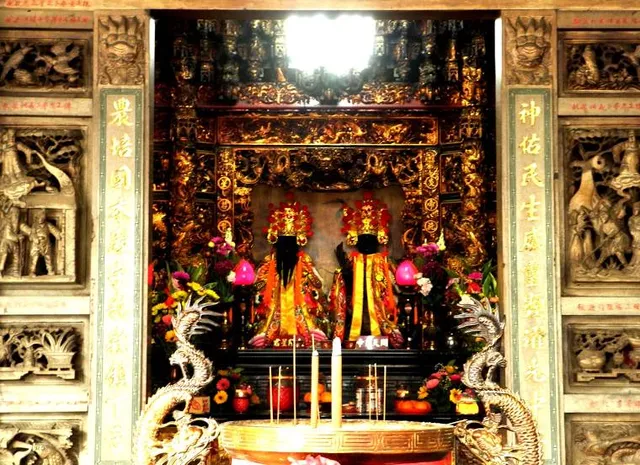
Tainan Beiji Temple
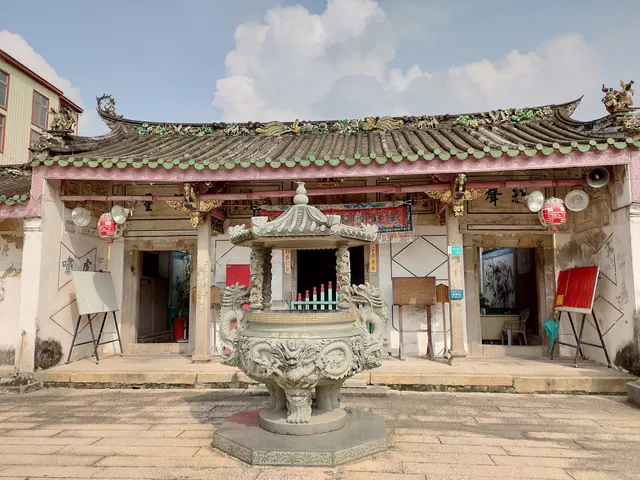
Tainan Sanshan Guowang Temple
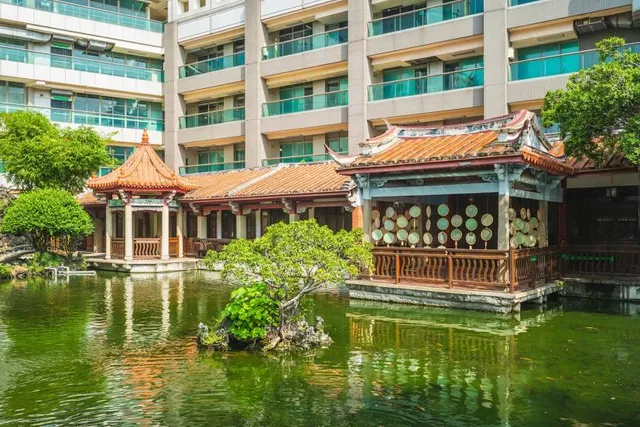
Ông Io̍k-tek Memorial Museum
Tainan You'ai Market
博生堂中藥房
Old Tainan Prefecture Council
禧元堂燕窩台南民族店
50嵐海安店
夢想星球(一番賞、盒玩、動畫周邊)
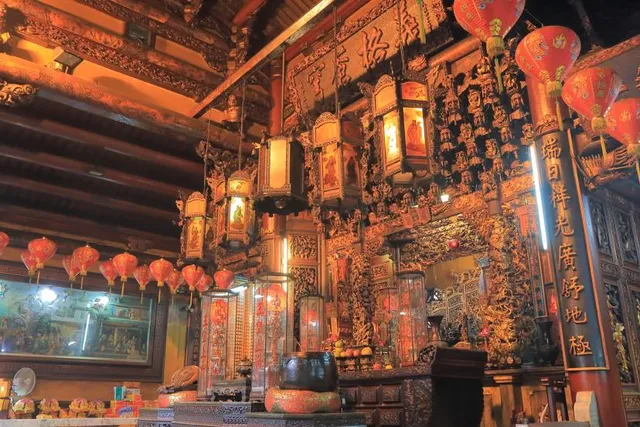
Tiantan Tiangong Temple
4.6
(1.1K)
Click for details
Tainan Beiji Temple
4.8
(538)
Click for details
Tainan Sanshan Guowang Temple
4.4
(89)
Click for details
Ông Io̍k-tek Memorial Museum
4.5
(69)
Click for details