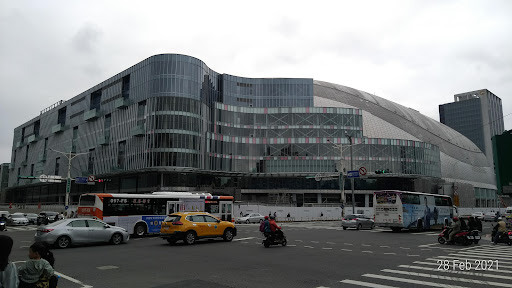
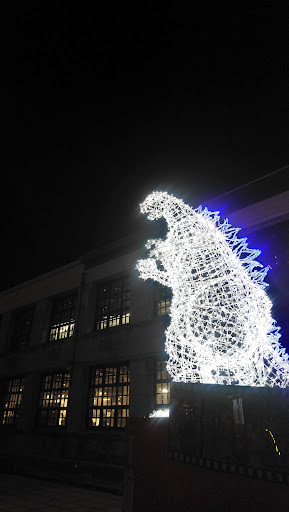
Songshan Cultural and Creative Park things to do, attractions, restaurants, events info and trip planning
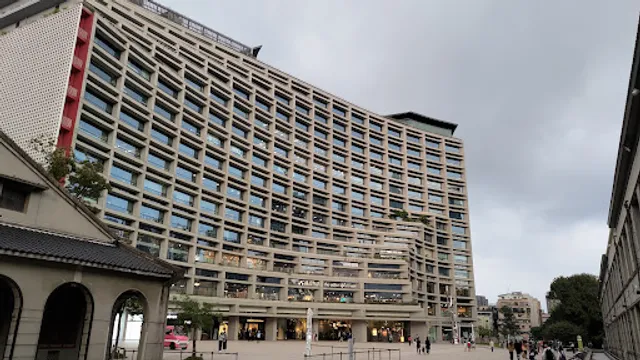
Basic Info
Songshan Cultural and Creative Park
No. 133號, Guangfu S Rd, Xinyi District, Taipei City, Taiwan 11072
4.4(17.6K)
Open until 10:00 PM

tickets
Save
spot
spot
Ratings & Description
Info
The Songshan Cultural and Creative Park is a multifunctional park in Xinyi District, Taipei, Taiwan.
Cultural
Entertainment
Family friendly
Accessibility
attractions: Taipei New Horizon Building, Taiwan Design Museum, 松菸匯 松山文創園區服務中心, National Dr. Sun Yat-Sen Memorial Hall, Eslite Gallery, Contemporary by U Gallery 諭藝術(現為售票展), Zhongshan Park, Puppetry Art Center of Taipei, Preparatory Office of National Railway Museum, 中山廳, restaurants: PRESERVE Taipei Dome, 成真咖啡 ComeTrue CAFE 台北誠品松菸店, eslite café Songyan Shop, Lang's Cafe, WEEKEND CHICKEN Taipei Dome, Guang Yi In Time, Cama Coffee Roasters (Douliu Wenqing), Kowloon HKCafe, Chin Hua Jiao Taipei Guangfu South Branch, eslite garden, local businesses: Taipei Dome, Songshan Cultural and Creative Park No 1. Warehouse, eslite performance hall, 松山文創園區多功能展演廳, Tao Bar (Songshan Cultural Park), Uni Green Taipei Dome Shop, Nosy hair studio, TASTY西堤台北光復南店, Olivia Yao Jewelry (Eslite Songyan), 松山文創園區 - 二號倉庫
 Learn more insights from Wanderboat AI.
Phone
+886 2 2765 1388
Website
songshanculturalpark.org
Open hoursSee all hours
Tue8 AM - 10 PMOpen
Plan your stay

Pet-friendly Hotels in Taipei
Find a cozy hotel nearby and make it a full experience.

Affordable Hotels in Taipei
Find a cozy hotel nearby and make it a full experience.

The Coolest Hotels You Haven't Heard Of (Yet)
Find a cozy hotel nearby and make it a full experience.

Trending Stays Worth the Hype in Taipei
Find a cozy hotel nearby and make it a full experience.
Reviews
Live events
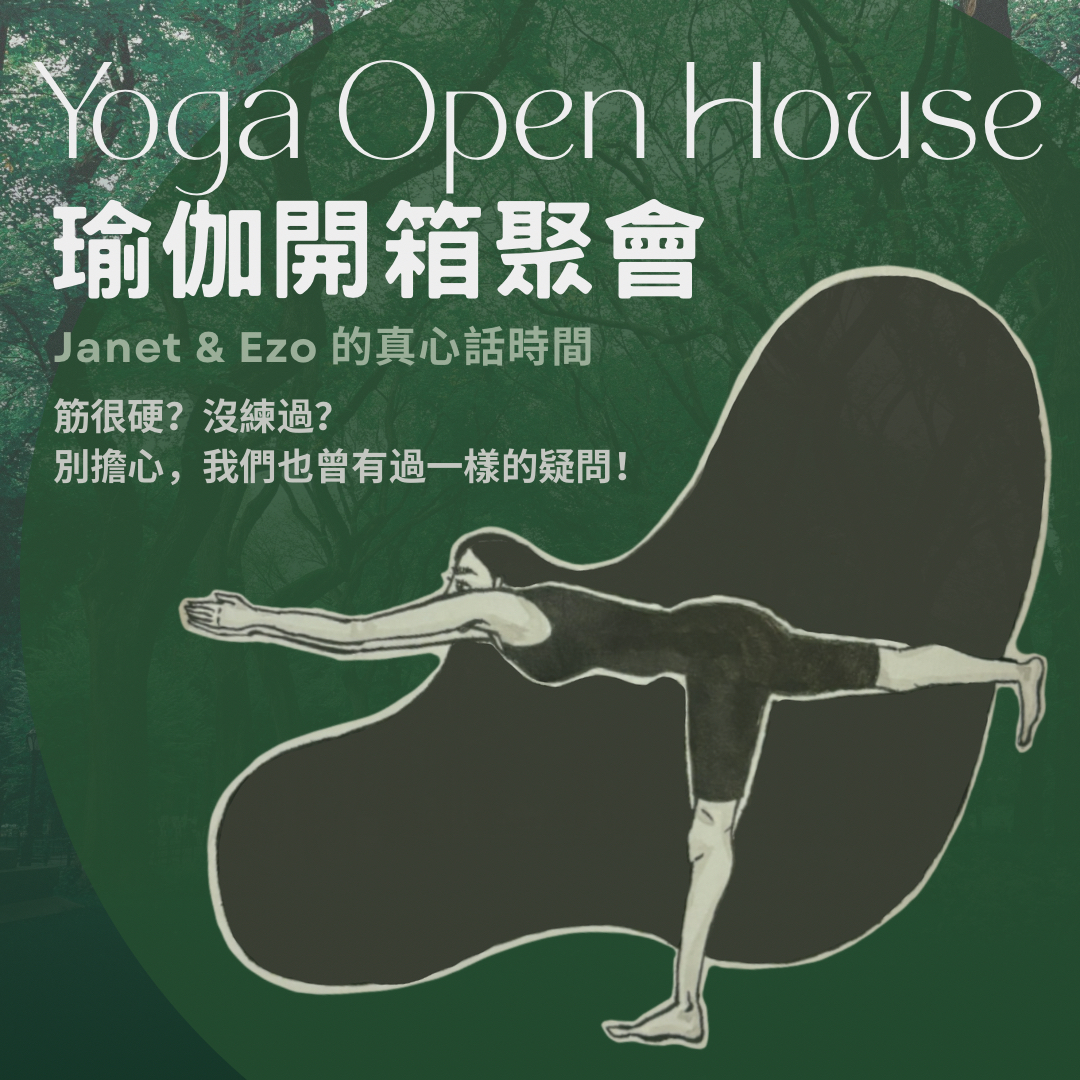
Yoga Open House | 瑜珈開箱聚會
Thu, Feb 26 • 11:00 AM
Songshan District, Taipei City
View details
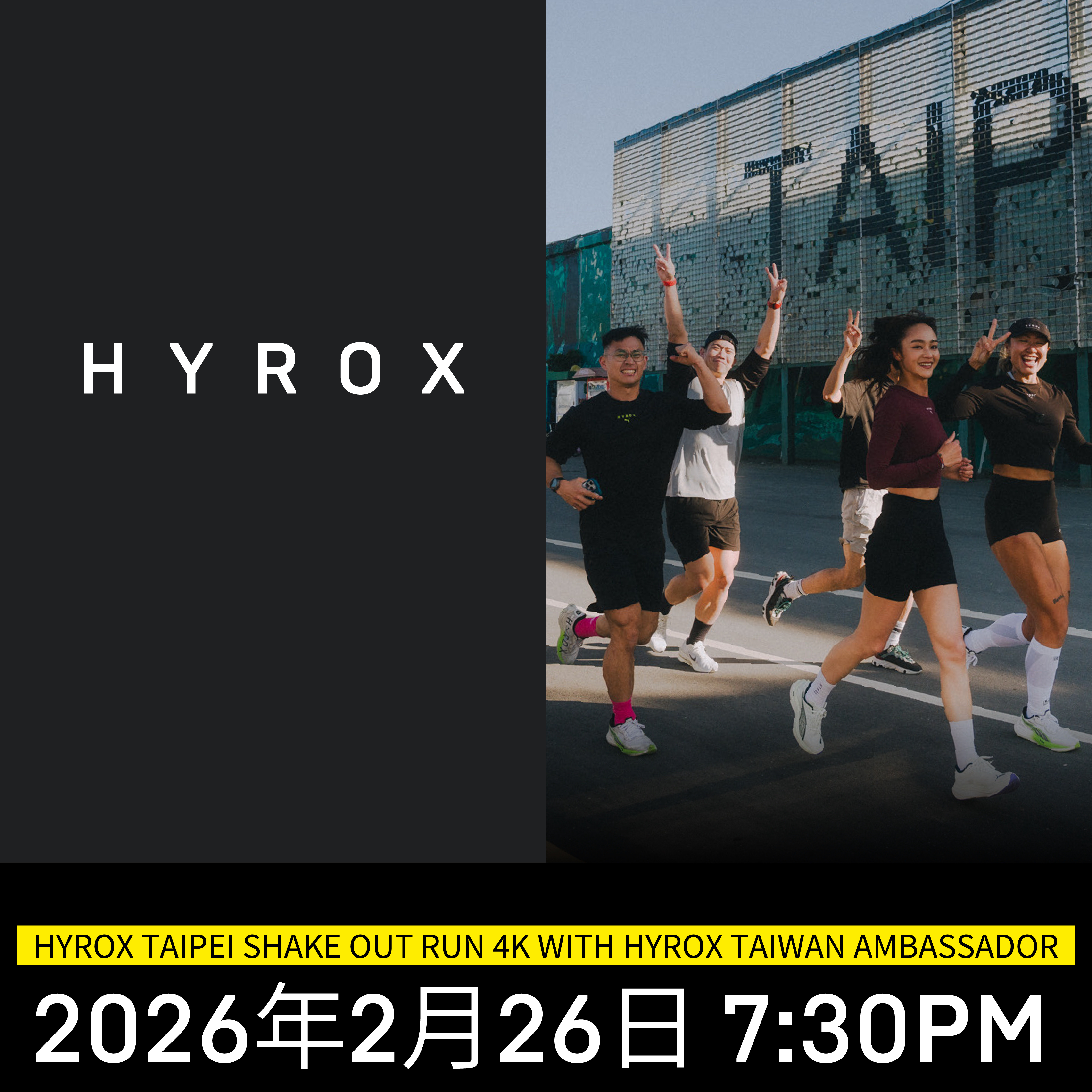
#038 HYROX Taipei Shake Out Run
Thu, Feb 26 • 11:30 AM
So Tipsy, 110, Taiwan, Taipei City, Xinyi District, Songren Rd, 38號一樓
View details

hololive STAGE World Tour 25 -Synchronize!- @ Taipei 後夜祭 After Party
Fri, Feb 27 • 1:30 PM
Da’an District, Taipei City
View details
Nearby attractions of Songshan Cultural and Creative Park
Taipei New Horizon Building
Taiwan Design Museum
松菸匯 松山文創園區服務中心
National Dr. Sun Yat-Sen Memorial Hall
Eslite Gallery
Contemporary by U Gallery 諭藝術(現為售票展)
Zhongshan Park
Puppetry Art Center of Taipei
Preparatory Office of National Railway Museum
中山廳
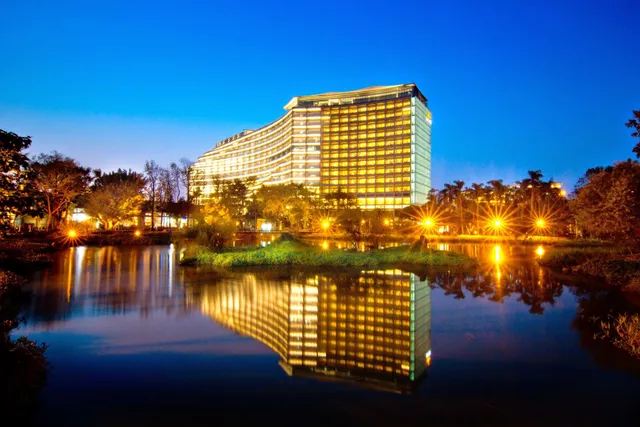
Taipei New Horizon Building
4.4
(2K)
Open until 10:00 PM
Click for details
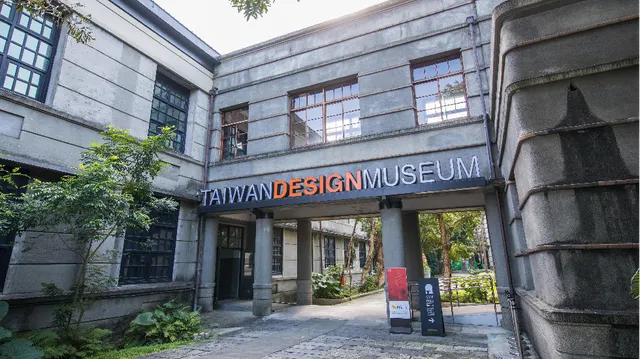
Taiwan Design Museum
4.4
(203)
Open until 12:00 AM
Click for details
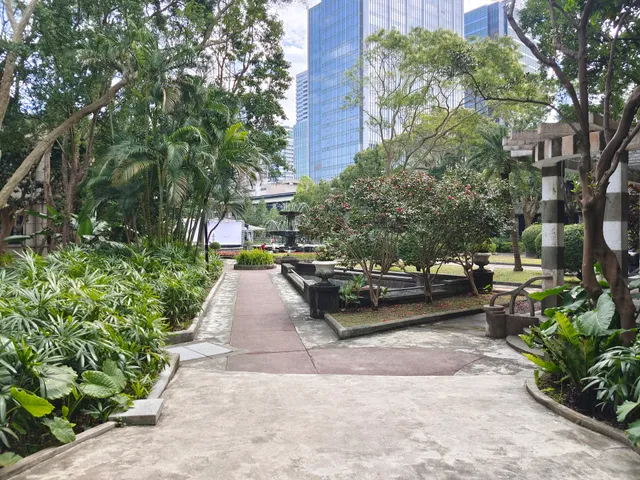
松菸匯 松山文創園區服務中心
4.6
(243)
Closed
Click for details
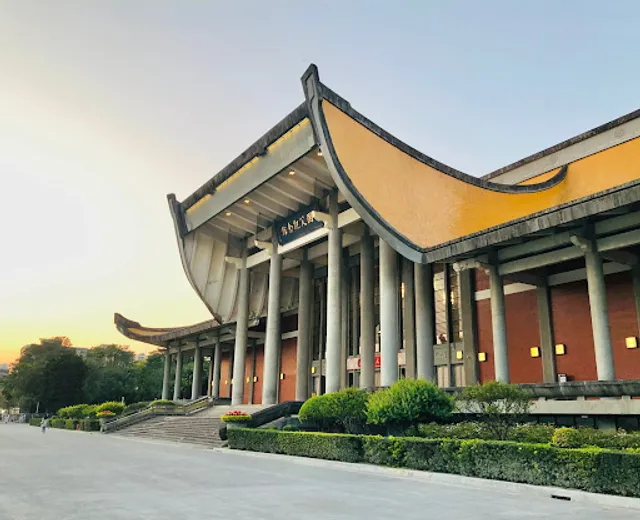
National Dr. Sun Yat-Sen Memorial Hall
4.5
(7.9K)
Open 24 hours
Click for details
Nearby restaurants of Songshan Cultural and Creative Park
PRESERVE Taipei Dome
成真咖啡 ComeTrue CAFE 台北誠品松菸店
eslite café Songyan Shop
Lang's Cafe
WEEKEND CHICKEN Taipei Dome
Guang Yi In Time
Cama Coffee Roasters (Douliu Wenqing)
Kowloon HKCafe
Chin Hua Jiao Taipei Guangfu South Branch
eslite garden
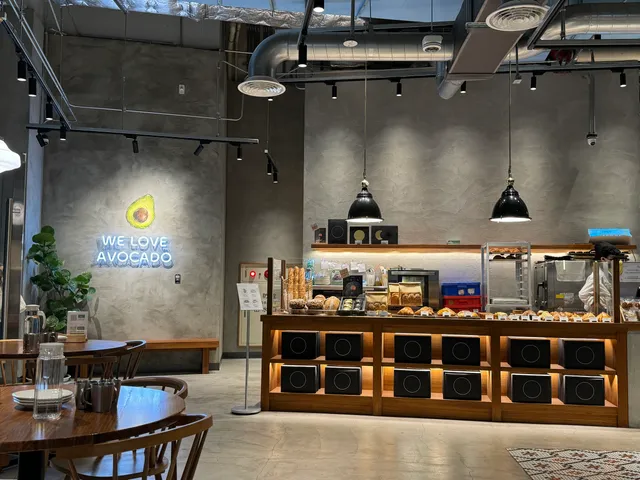
PRESERVE Taipei Dome
4.6
(1.2K)
Closed
Click for details
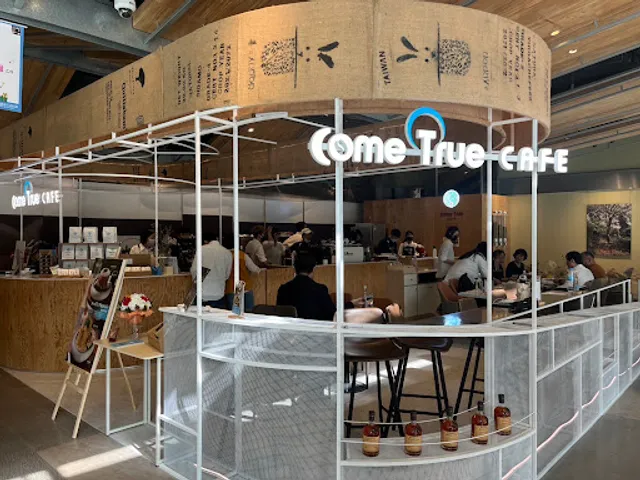
成真咖啡 ComeTrue CAFE 台北誠品松菸店
4.8
(661)
Closed
Click for details
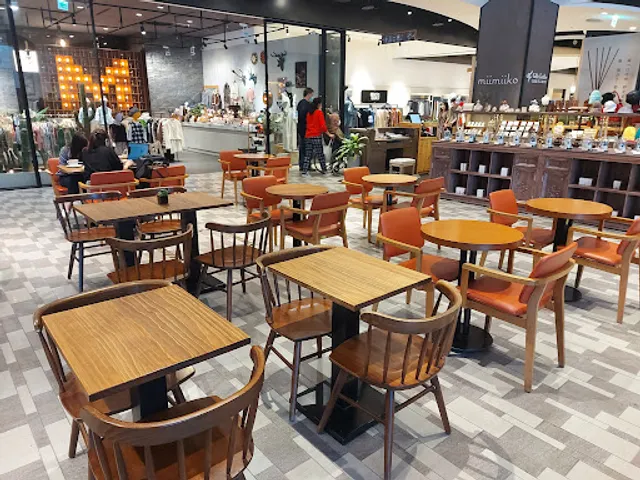
eslite café Songyan Shop
4.7
(504)
Closed
Click for details
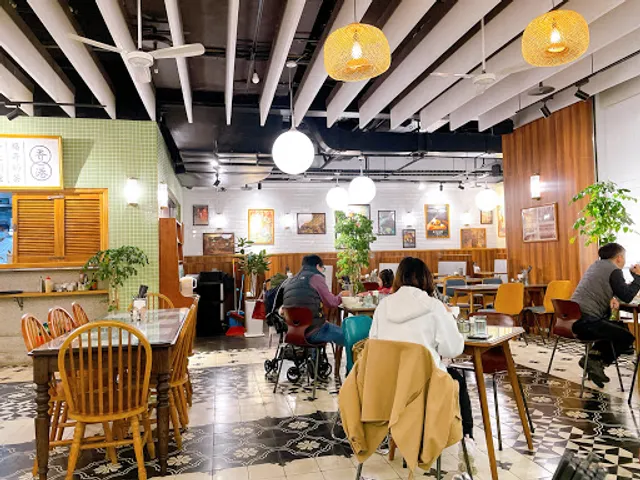
Lang's Cafe
3.2
(621)
Closed
Click for details
Nearby local services of Songshan Cultural and Creative Park
Taipei Dome
Songshan Cultural and Creative Park No 1. Warehouse
eslite performance hall
松山文創園區多功能展演廳
Tao Bar (Songshan Cultural Park)
Uni Green Taipei Dome Shop
Nosy hair studio
TASTY西堤台北光復南店
Olivia Yao Jewelry (Eslite Songyan)
松山文創園區 - 二號倉庫
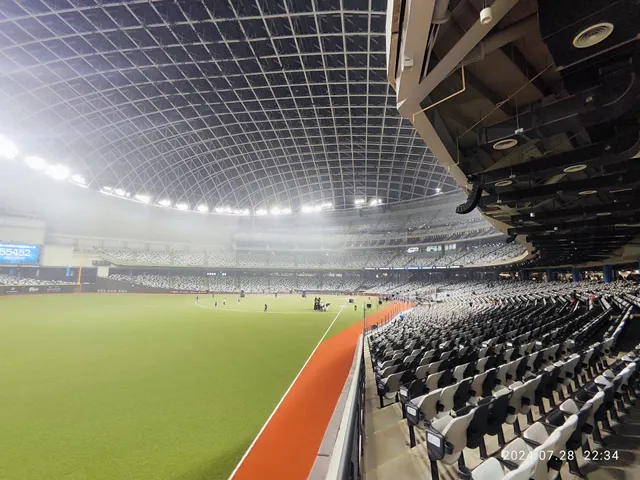
Taipei Dome
4.6
(2.8K)
Click for details
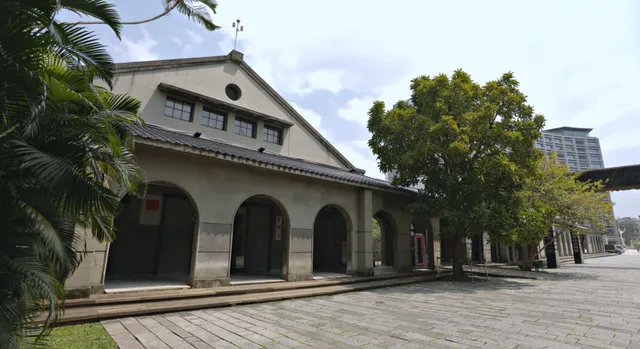
Songshan Cultural and Creative Park No 1. Warehouse
4.5
(1.5K)
Click for details
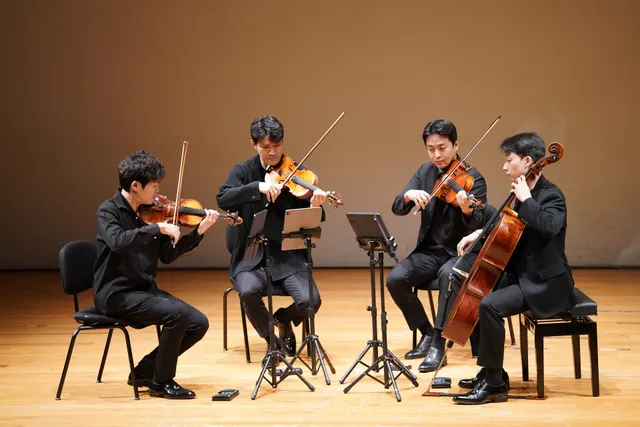
eslite performance hall
4.5
(621)
Click for details
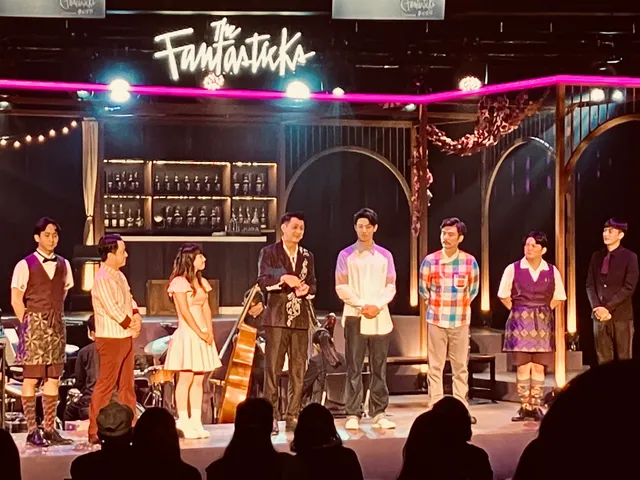
松山文創園區多功能展演廳
4.4
(169)
Click for details