🌊 Pattaya Beach – A Place of Contrast and Potential for a Better, Greener Future in Thailand
Pattaya Beach is one of Thailand’s most well-known coastal destinations, offering a dynamic mix of natural beauty, urban energy, entertainment, and culture. Located just a couple of hours from Bangkok, it’s long been a favorite for both local visitors and international tourists. But like many fast-growing tourist spots around the world, Pattaya Beach has its ups and downs—and it’s at a crossroads between being just a party town and becoming a model of responsible, sustainable tourism for Thailand.
🌟 The Good:
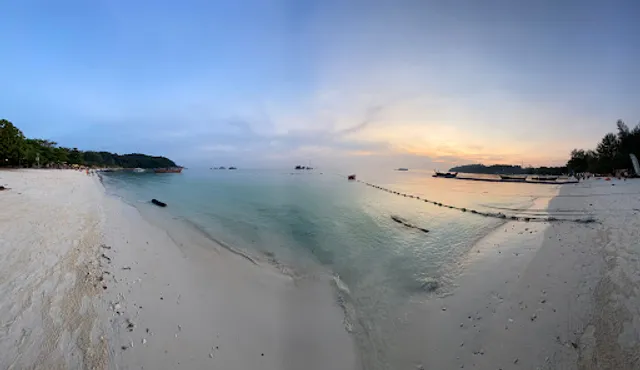
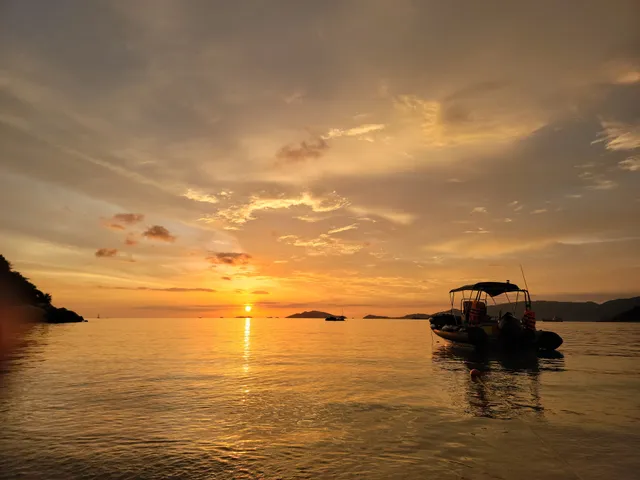
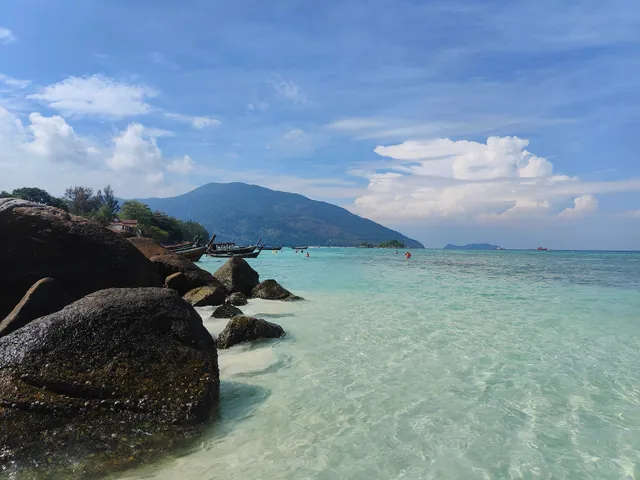
Beautiful ocean views, especially at sunrise and sunset, with a long coastline perfect for walking, swimming, or relaxing.
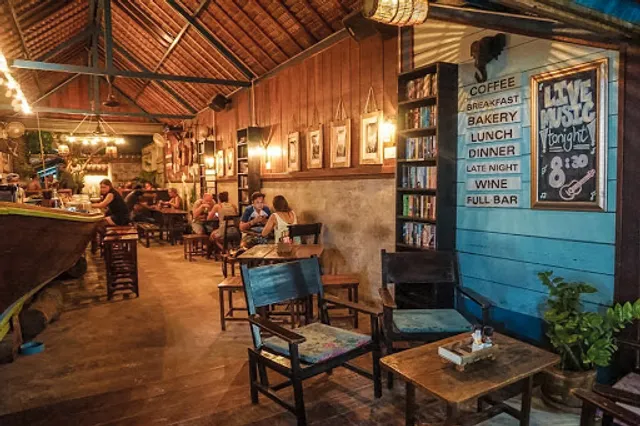
Vibrant nightlife and entertainment scene, offering music, food, and fun for every kind of traveler.
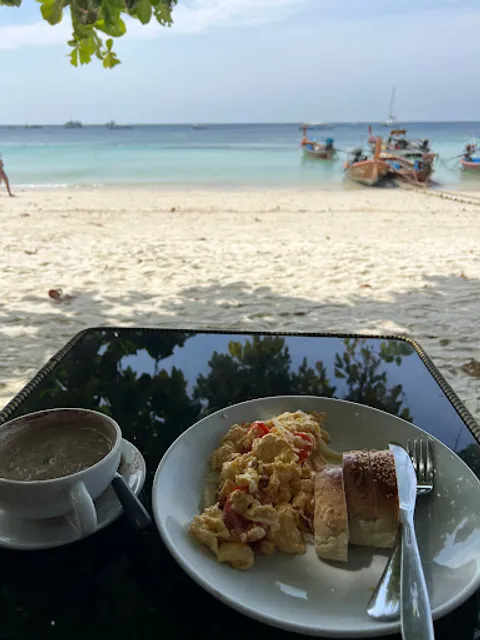
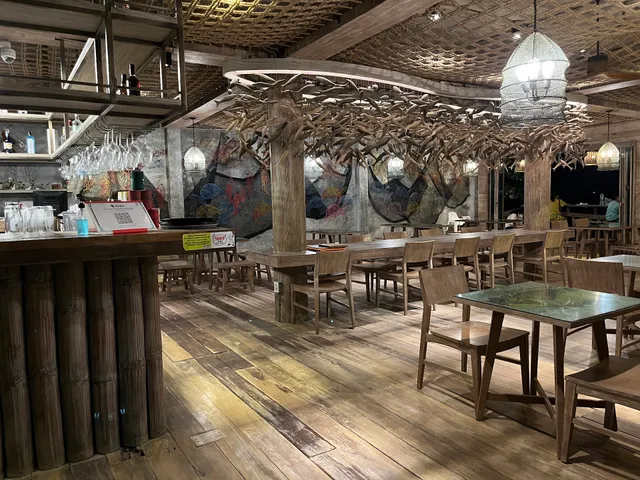
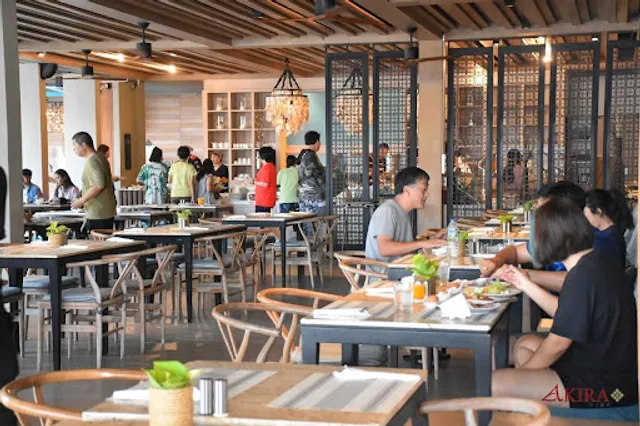
Great variety of restaurants, from fresh seafood stalls to international cuisine.
Easy access from Bangkok and good transportation options make it convenient for short and long stays.
Many hotels and resorts offer beautiful beachside views, comfortable amenities, and excellent Thai hospitality.
Recent clean-up efforts and beautification projects show hope and effort to preserve the environment.
⚠️ The Challenges:
Over-commercialization has taken a toll on the natural beauty of the area in some parts.
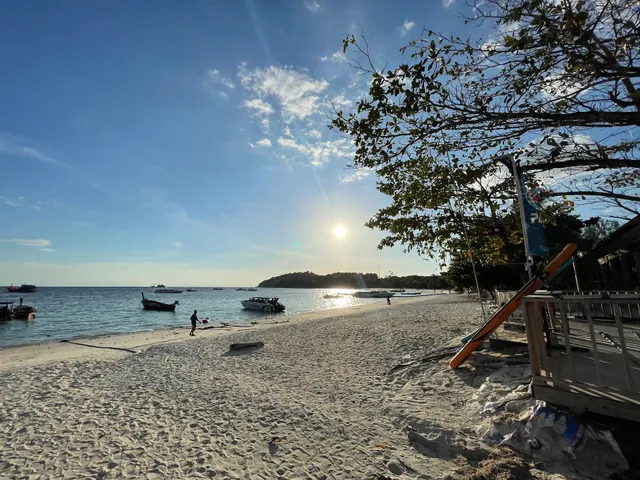
Plastic waste and pollution still remain a concern, especially after peak tourist seasons.
At times, the beach and surrounding areas can feel overcrowded and noisy, especially during festivals or holidays.
Some parts of Pattaya still struggle with overdevelopment, lacking green spaces and clean public infrastructure.
Certain areas of nightlife may not feel family-friendly or welcoming to all types of travelers.
💚 Why It Still Matters: Despite its challenges, Pattaya Beach holds great potential to become a shining example of sustainable tourism in Thailand. With continued efforts toward environmental conservation, local community involvement, and better infrastructure, Pattaya could evolve into a model of how a popular beach town can grow while respecting nature, culture, and people.
There are already local groups and city initiatives working hard to clean up the beach, promote eco-tourism, and educate the public about waste reduction and responsible travel. With stronger support from both locals and tourists, Pattaya can truly transform into a beach for a better world—where fun and beauty go hand in hand with care for the environment and future generations.
🏖️ If you come to Pattaya Beach, enjoy what it has to offer—but also do your part. Support local businesses, dispose of trash properly, and help keep the beach clean and safe for everyone.
⭐️⭐️⭐️⭐️ (with hope for...
Read morePattaya (Thai: พัทยา, RTGS: Phatthaya, pronounced pʰát.tʰā.jāː) is a resort city in Thailand. It is on the east coast of the Gulf of Thailand, about 100 kilometres (62 mi) southeast of Bangkok, within, but not part of, Bang Lamung District in the province of Chonburi. Pattaya City (Thai: เมืองพัทยา, RTGS: Mueang Phatthaya) is a self-governing municipal area which covers tambons Nong Prue and Na Klua and parts of Huai Yai and Nong Pla Lai. The city is in the industrial Eastern Seaboard zone, along with Si Racha, Laem Chabang, and Chonburi. Pattaya is at the center of the Pattaya-Chonburi Metropolitan Area—a conurbation in Chonburi Province—with a population of roughly 1,000,000.
The name Pattaya evolved from the march of Phraya Tak (later King Taksin) and his army from Ayutthaya to Chanthaburi, which took place before the fall of the former capital to Burmese invaders in 1767.
When his army arrived in the vicinity of what is now Pattaya, Phraya Tak encountered the troops of a local leader named Nai Klom, who tried to intercept him. When the two met face to face, Nai Klom was impressed by Phraya Tak's dignified manner and his army's strict discipline. He surrendered without a fight and joined his forces. The place the armies confronted each other was thereafter known as "Thap Phraya", which means the "army of the Phraya". This later became Pattaya, the name of the wind blowing from the south-west to the north-east at the beginning of the rainy season.
Pattaya was a fishing village until the 1960s. Then, during the Vietnam War, American servicemen stationed at nearby U-Tapao or other US bases in Thailand began visiting Pattaya. One story, unverified by a reliable source, notes that it all started when a group of 500 American soldiers stationed at the military base in Korat were driven to Pattaya on 29 June 1959 for a week of R&R. They rented several houses at the south end of the beach from a prominent Thai, Lord Sunthorn. Despite their short stay, the soldiers had a great time and raved about the place. The word spread among other American soldiers stationed in the region and Pattaya quickly became a hot alternative...
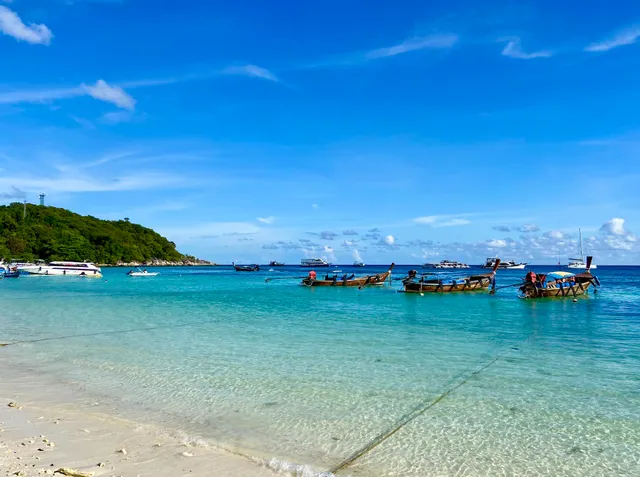
Read morePattaya Beach is the busiest beach on Koh Lipe because this is where majority of the speed boat and ferry services arrive and depart from.
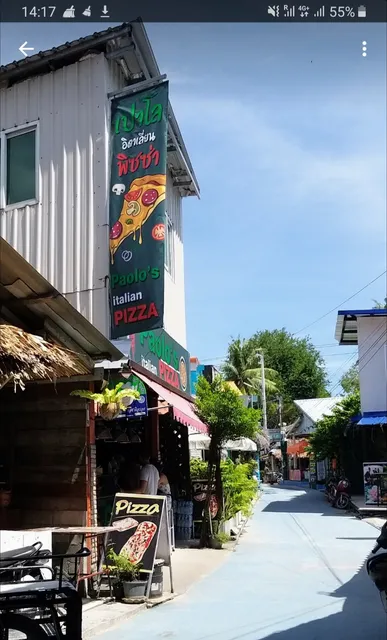
Pattaya Beach is located on the south side of Koh Lipe and the island’s busiest street, Walking Street, starts about half way along the beach.
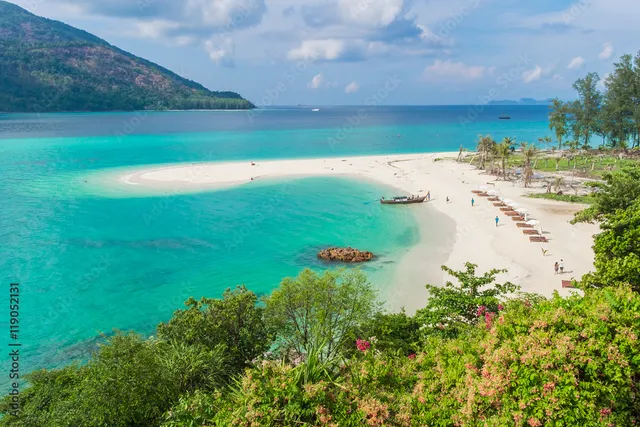
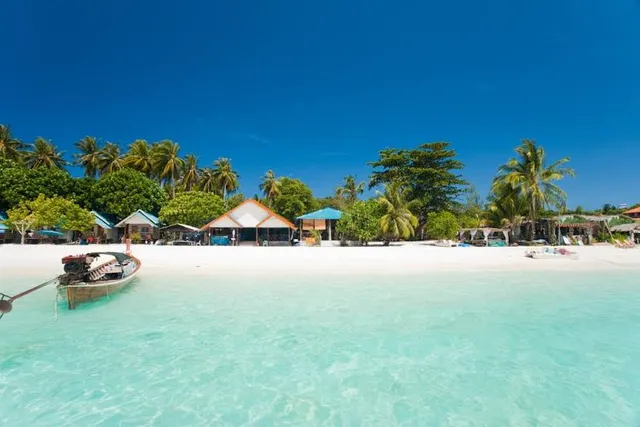
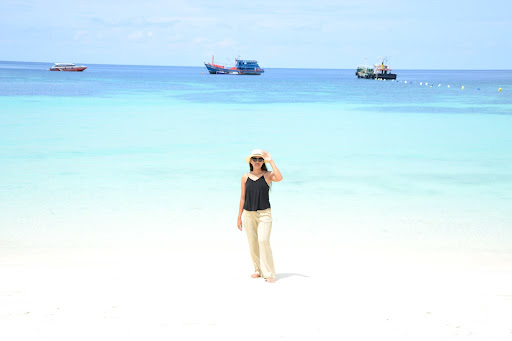
Pattaya Beach is a gently curved beach approximately 1.1 km long with fine white sand, and some good snorkelling spots near the headlands at each end of the beach. Pattaya Beach should be an absolutely fantastic beach, but unfortunately it’s not. Sunrise Beach on the other side of the island is much better.
Although the ferries arrive and depart from the large floating pier moored off Pattaya Beach, speed boats and the local wooden long tail boats that ferry people to and from the ferries, are all small enough to make it into the beach itself. Pattaya Beach has two plastic floating piers moored to the beach where speed boats arrive and depart constantly during the day.
Pattaya Beach becomes very lively in the evening. There are lots of beach bars and restaurants and in some ways Pattaya Beach becomes an extension of Walking Street when the...
Read more