HTML SitemapExplore
logo
Find Things to DoFind The Best Restaurants

Topkapi Palace Kitchens — Attraction in Fatih

Name
Topkapi Palace Kitchens
Description
Nearby attractions
Topkapi Palace Museum
Cankurtaran, Babı Hümayun Cad No: 1, 34122 Fatih/İstanbul, Türkiye
Gülhane Park
Cankurtaran, Kennedy Cad., 34122 Fatih/İstanbul, Türkiye
Istanbul Archaeological Museums
Cankurtaran, 34122 Fatih/İstanbul, Türkiye
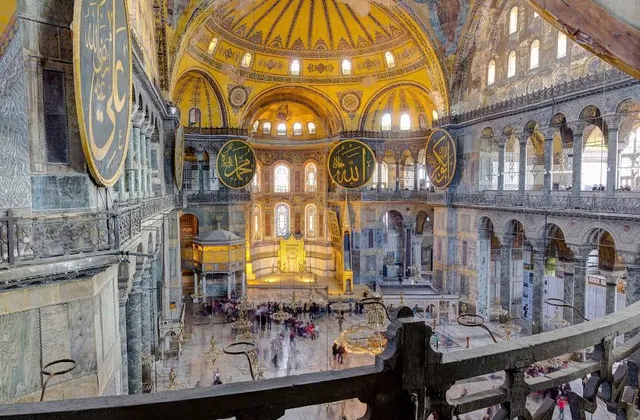
Hagia Sophia
Sultan Ahmet, Ayasofya Meydanı No:1, 34122 Fatih/İstanbul, Türkiye
Topkapı Sarayı Harem Dairesi
Harem İçi Sultanahmet, Cankurtaran, Topkapı Sarayı, 34122 Fatih/İstanbul, Türkiye
Tower of Justice
Cankurtaran, 34122 Fatih/İstanbul, Türkiye
Column of the Goths
Cankurtaran, Park İçi Yolu, 34122 Fatih/İstanbul, Türkiye
Byzantine Walls
Cankurtaran, 34122 Fatih/İstanbul, Türkiye
Hagia Irene
Cankurtaran, Topkapı Sarayı No:1, 34122 Fatih/İstanbul, Türkiye
Tiled Pavilion Museum
Cankurtaran Mahallesi Osman Hamdibey Yokuşu, Gülhane, Cankurtaran, Osman Hamdibey Yokuşu, 34122 Fatih/İstanbul, Türkiye
Nearby restaurants
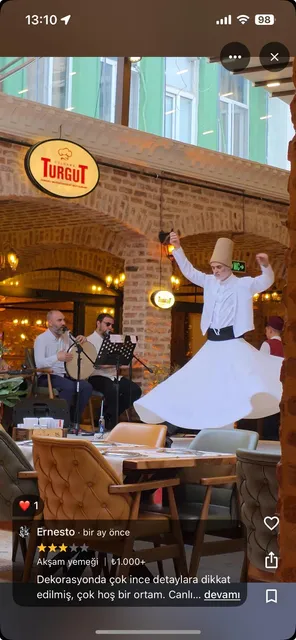
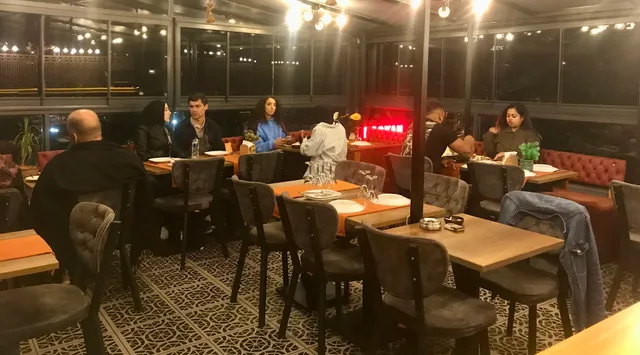
TurguT Restaurant Gülhane
Hoca Paşa, Taya Hatun Sk No:7 D:7A, 34110 Fatih/İstanbul, Türkiye
Konyali Restaurant
Topkapı Sarayı Müzesi İçi Bab-I Hümayun Avlusu Tarihi Karakol Binası, Cankurtaran, 34122 Fatih/İstanbul, Türkiye
Pleasure terrace roof top restaurant
Hoca Paşa, Hüdavendigar Cd. No:4 Kat:5, 34112 Fatih/İstanbul, Türkiye
Sarnıç İstanbul
Cankurtaran, Soğuk Çeşme Sk. No:26, 34122 Fatih/İstanbul, Türkiye
Last Ottoman Cafe & Restaurant
Hoca Paşa, Darüssade Sk. No 10, 34110 Fatih/İstanbul, Türkiye
Safi Roof Lounge Terrace
Hoca Paşa, Nöbethane Cd. No:1/4, 34112 Fatih/İstanbul, Türkiye
Le Safran Restaurant
Alemdar, Alemdar Cd. No:11, 34122 Fatih/İstanbul, Türkiye
Sky Life Fish Kebab House
Cankurtaran, Taya Hatun Sk No: 18, 34120 Fatih/İstanbul, Türkiye
Grande Felicita
Hoca Paşa, Taya Hatun Sk No:14, 34110 Fatih/İstanbul, Türkiye
Sultan Mehmet Restaurant & Cafe
Cankurtaran, Alemdar Cd. 18/A, 34122 Fatih/İstanbul, Türkiye
Nearby hotels
Miss Istanbul Hotel & Spa
Hoca Paşa, Darüssade Sk. No:3, 34110 Fatih/İstanbul, Türkiye
DoubleTree by Hilton Istanbul - Sirkeci
Nobethane Cad., Darussade Sk. No:5, 34110 Fatih/İstanbul, Türkiye
Sirkeci Mansion Hotel
Hoca Paşa, Taya Hatun Sk no:5, 34110 Fatih/İstanbul, Türkiye
Hotel Black Tulip
Hoca Paşa, Hüdavendigar Cd. No:8, 34110 Fatih/İstanbul, Türkiye
Gülhanepark Hotel & Spa
Hocapaşa Mh, Nöbethane Cd. No:1, 34112 Fatih/İstanbul, Türkiye
Yasmak Sultan Hotel
Hoca Paşa, Ebussuud Cd. No:12, 34110 Fatih/İstanbul, Türkiye
My Dream Istanbul Hotel
Hoca Paşa, Hüdavendigar Cd. No:13, 34110 Fatih/İstanbul, Türkiye
Orka Royal Hotel
Sirkeci Old City, Hoca Paşa, Nöbethane Cd. No:6, 34113 Fatih/İstanbul, Türkiye
Sirkeci Ersu Hotel&SPA
Hoca Paşa, Erdoğan Sk. No:10-12, 34110 Fatih/İstanbul, Türkiye
Ottoman Hotel Imperial
Sultanahmet, Cankurtaran, Caferiye Sk. No:6/1, 34122 İstanbul, Türkiye
Related posts
Keywords
Topkapi Palace Kitchens tourism.Topkapi Palace Kitchens hotels.Topkapi Palace Kitchens bed and breakfast. flights to Topkapi Palace Kitchens.Topkapi Palace Kitchens attractions.Topkapi Palace Kitchens restaurants.Topkapi Palace Kitchens travel.Topkapi Palace Kitchens travel guide.Topkapi Palace Kitchens travel blog.Topkapi Palace Kitchens pictures.Topkapi Palace Kitchens photos.Topkapi Palace Kitchens travel tips.Topkapi Palace Kitchens maps.Topkapi Palace Kitchens things to do.
Topkapi Palace Kitchens things to do, attractions, restaurants, events info and trip planning
Topkapi Palace Kitchens
TurkeyIstanbulFatihTopkapi Palace Kitchens

Basic Info

Topkapi Palace Kitchens

Cankurtaran, Topkapı Sarayı No:22, 34122 Fatih/İstanbul, Türkiye
4.7(254)
Open 24 hours
Save
spot

Ratings & Description

Info

Cultural
Family friendly
Accessibility
attractions: Topkapi Palace Museum, Gülhane Park, Istanbul Archaeological Museums, Hagia Sophia, Topkapı Sarayı Harem Dairesi, Tower of Justice, Column of the Goths, Byzantine Walls, Hagia Irene, Tiled Pavilion Museum, restaurants: TurguT Restaurant Gülhane, Konyali Restaurant, Pleasure terrace roof top restaurant, Sarnıç İstanbul, Last Ottoman Cafe & Restaurant, Safi Roof Lounge Terrace, Le Safran Restaurant, Sky Life Fish Kebab House, Grande Felicita, Sultan Mehmet Restaurant & Cafe
logoLearn more insights from Wanderboat AI.

Plan your stay

hotel
Pet-friendly Hotels in Fatih
Find a cozy hotel nearby and make it a full experience.

hotel
Affordable Hotels in Fatih
Find a cozy hotel nearby and make it a full experience.

hotel
The Coolest Hotels You Haven't Heard Of (Yet)
Find a cozy hotel nearby and make it a full experience.

hotel
Trending Stays Worth the Hype in Fatih
Find a cozy hotel nearby and make it a full experience.

Reviews

Nearby attractions of Topkapi Palace Kitchens

Topkapi Palace Museum

Gülhane Park

Istanbul Archaeological Museums

Hagia Sophia

Topkapı Sarayı Harem Dairesi

Tower of Justice

Column of the Goths

Byzantine Walls

Hagia Irene

Tiled Pavilion Museum

Topkapi Palace Museum

Topkapi Palace Museum

4.6

(36.3K)

Open until 5:00 PM
Click for details
Gülhane Park

Gülhane Park

4.7

(22.5K)

Open 24 hours
Click for details
Istanbul Archaeological Museums

Istanbul Archaeological Museums

4.6

(7.3K)

Open 24 hours
Click for details
Hagia Sophia

Hagia Sophia

4.8

(44.3K)

Open 24 hours
Click for details

Things to do nearby

Perfume Making Workshop with Bosphorus View
Fri, Dec 5 • 2:00 PM
34425, Beyoğlu, İstanbul, Turkey
View details
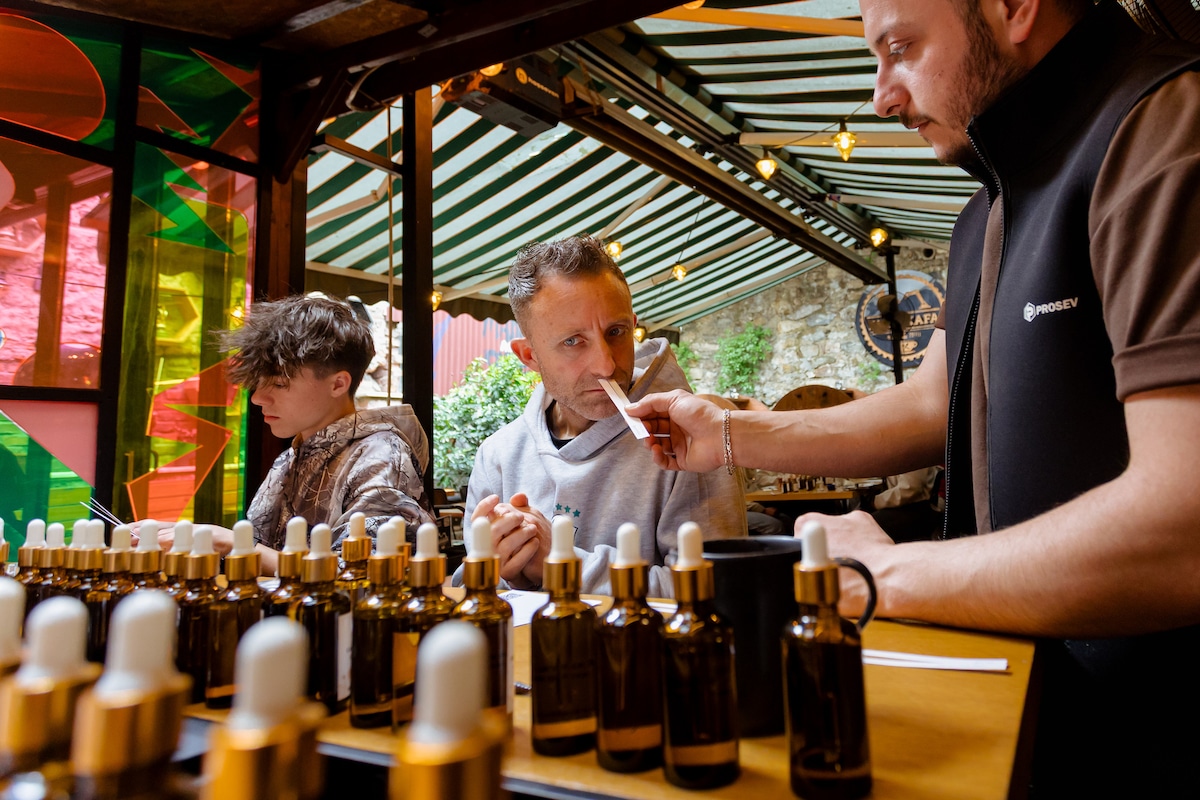
Ride Heybeliada’s scenic paths
Fri, Dec 5 • 10:30 AM
34427, Beyoğlu, İstanbul, Turkey
View details
Mold and finish artistic ceramics in a cozy studio
Fri, Dec 5 • 3:30 PM
34371, Şişli, İstanbul, Turkey
View details

Nearby restaurants of Topkapi Palace Kitchens

TurguT Restaurant Gülhane

Konyali Restaurant

Pleasure terrace roof top restaurant

Sarnıç İstanbul

Last Ottoman Cafe & Restaurant

Safi Roof Lounge Terrace

Le Safran Restaurant

Sky Life Fish Kebab House

Grande Felicita

Sultan Mehmet Restaurant & Cafe

TurguT Restaurant Gülhane

TurguT Restaurant Gülhane

4.9

(3.9K)

Open until 1:00 AM
Click for details
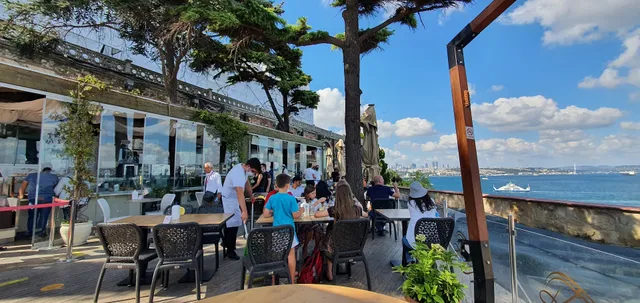
Konyali Restaurant

Konyali Restaurant

4.2

(708)

$$$

Click for details
Pleasure terrace roof top restaurant

Pleasure terrace roof top restaurant

4.9

(3.2K)

Click for details
Sarnıç İstanbul

Sarnıç İstanbul

4.5

(643)

$$$

Click for details
Get the Appoverlay
Get the AppOne tap to find yournext favorite spots!
Wanderboat LogoWanderboat

Your everyday Al companion for getaway ideas

CompanyAbout Us
InformationAI Trip PlannerSitemap
SocialXInstagramTiktokLinkedin
LegalTerms of ServicePrivacy Policy

Get the app

© 2025 Wanderboat. All rights reserved.
logo

Reviews of Topkapi Palace Kitchens

4.7
(254)
avatar
5.0
42w

The Topkapi Palace Kitchens are one of the most fascinating sections of the palace and offer a unique insight into the Ottoman Empire’s culinary world. These kitchens are not just about food; they are a testament to the grandeur and complexity of palace life.

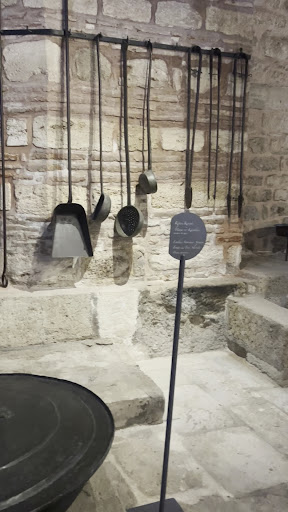
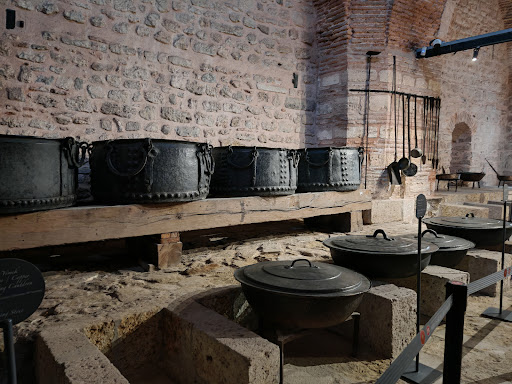
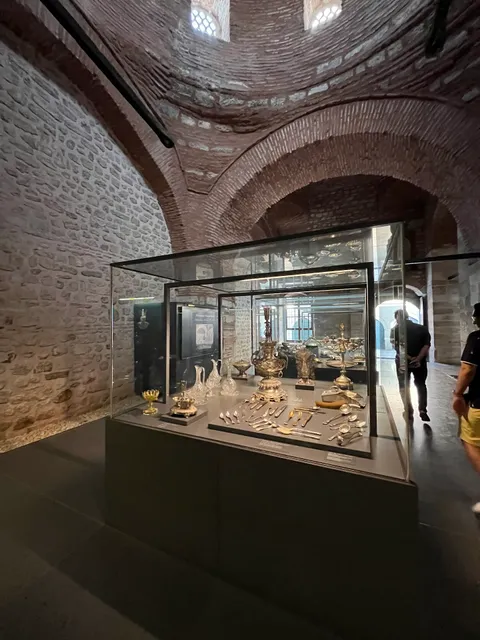
Key Highlights of the Topkapi Palace Kitchens: Size and Scale: • The kitchens were enormous, with over 10,000 square meters dedicated to preparing meals for the sultan and his court. At their peak, more than 1,000 staff members, including chefs, assistants, and workers, were employed in the kitchens. The scale and organization are impressive and give a sense of the palace’s self-sufficiency. Architectural Features: • The kitchens are located in a vast complex with a maze of rooms and storage areas. The design was both functional and grand, with beautiful tiled walls, high ceilings, and large cooking hearths. The large chimneys that can be seen are iconic features of these kitchens. Cooking Tools and Utensils: • The museum displays various historical cooking tools, including large copper pots, cooking vessels, and knives. You can see how food was prepared in large quantities using traditional methods. Some of these utensils are beautifully ornate, reflecting the luxurious nature of the palace. Types of Food Prepared: • The kitchens were responsible for preparing meals for the entire royal court, which included a vast array of dishes influenced by different cultures from across the empire. The food was made from ingredients sourced from the empire’s vast territories, offering a glimpse into the diversity of the Ottoman cuisine. Exhibition of the Imperial Kitchens: • The museum houses many fascinating exhibits related to the food culture of the Ottoman court. There are sections dedicated to royal banquets, with information about the types of food served, and displays of ornate tableware and serving dishes used during lavish feasts. The Harem Connection: • The kitchens were closely linked to the Harem. Some of the food prepared here would have been served exclusively to the women of the Harem and the sultan. It adds a layer of intrigue to the whole experience, as you realize how food played a role in palace life and power dynamics.

What Makes it Unique:

The Topkapi Palace Kitchens are unique because they reflect the everyday life of the royal court in such a detailed and specific way. Unlike many other sections of the palace, the kitchens reveal the organizational prowess and culinary skills that helped sustain the empire’s vast court. They also connect the opulence of the palace to the more practical aspects of empire management.

When visiting, it’s fascinating to imagine the complexity of palace life—how thousands of people were fed daily, with meals prepared in a setting that exudes the same elegance as the rest of the palace. The kitchens truly add a unique layer to the understanding of...

   Read more
avatar
5.0
6y

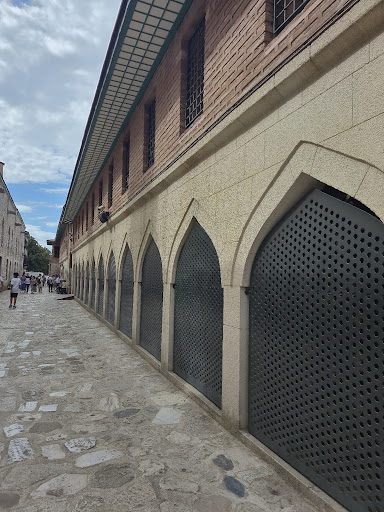
The Imperial Kitchens (Matbah-ı Âmire) Serving the Ottoman royal family as well as the thousands of palace employees, the Imperial Kitchens were first built in the time of Sultan Mehmed II (r. 1451-81) and subsequently expanded by Sultan Suleiman the Magnificent (r. 1520-66) to respond to the increase in the population of the palace. Following the fire of 1574, the kitchens were repaired and restructured by the architect Sinan. The roof of the Imperial Kitchens consists of ten domes and ten spires. Currently, the kitchens are used to display Ottoman kitchen utensils and other artifacts related to the cuisine of the palace. There are three doors along the long portico of the kitchen section. The first one opens to the Imperial Pantry (Kilâr-ı Âmire), the second one to the Royal Kitchen, and the third one to the Confectionery House (Helvâhâne). As a precautionary measure against any assassination attempts on the sultan, the food prepared in the Imperial Kitchens was first tested by the cooks and then by the royal taster (çâşnîgîr). Some sixty types of food were typically served to the sultan, and as a matter of course, he did not eat them all: some he would only look at, while others he would merely taste, and whatever was left over would be given to other dignitaries to eat, according to the protocol. This process was, in fact, a very old tradition in the East as well as...

   Read more
avatar
5.0
1y

One of the best things we have done so far in Istanbul.

The complex is huge and you can spend hours in here.

We got an audio guide and it really added to our experience, especially in the harem. Yes, you have to leave your passports as a deposit, but it wasn't a big deal and we got them back quickly at the end. The audio guide information is NOT the same as what is written on the boards, despite what other reviewers are saying.

We particularly enjoyed the harem and Palace kitchens. It was also interesting to see the Sultans clothes, these were huge!

There are some great viewpoints in courtyard 4.

It is recommended to get there early to avoid the queues. We arrived shortly after 9 and only had a short queue for tickets and audio guide. However as the Palace is so big and takes hours to walk around, you will find queues eventually to get into some of the rooms. Also you will need to dress appropriately if you wish to enter the holy relic room. I didn't realise this so we skipped it as I didn't have a headscarf and my husband was...

   Read more
Page 1 of 7
Previous
Next

Posts

Arif RumelArif Rumel
The Topkapi Palace Kitchens are one of the most fascinating sections of the palace and offer a unique insight into the Ottoman Empire’s culinary world. These kitchens are not just about food; they are a testament to the grandeur and complexity of palace life. Key Highlights of the Topkapi Palace Kitchens: 1. Size and Scale: • The kitchens were enormous, with over 10,000 square meters dedicated to preparing meals for the sultan and his court. At their peak, more than 1,000 staff members, including chefs, assistants, and workers, were employed in the kitchens. The scale and organization are impressive and give a sense of the palace’s self-sufficiency. 2. Architectural Features: • The kitchens are located in a vast complex with a maze of rooms and storage areas. The design was both functional and grand, with beautiful tiled walls, high ceilings, and large cooking hearths. The large chimneys that can be seen are iconic features of these kitchens. 3. Cooking Tools and Utensils: • The museum displays various historical cooking tools, including large copper pots, cooking vessels, and knives. You can see how food was prepared in large quantities using traditional methods. Some of these utensils are beautifully ornate, reflecting the luxurious nature of the palace. 4. Types of Food Prepared: • The kitchens were responsible for preparing meals for the entire royal court, which included a vast array of dishes influenced by different cultures from across the empire. The food was made from ingredients sourced from the empire’s vast territories, offering a glimpse into the diversity of the Ottoman cuisine. 5. Exhibition of the Imperial Kitchens: • The museum houses many fascinating exhibits related to the food culture of the Ottoman court. There are sections dedicated to royal banquets, with information about the types of food served, and displays of ornate tableware and serving dishes used during lavish feasts. 6. The Harem Connection: • The kitchens were closely linked to the Harem. Some of the food prepared here would have been served exclusively to the women of the Harem and the sultan. It adds a layer of intrigue to the whole experience, as you realize how food played a role in palace life and power dynamics. What Makes it Unique: The Topkapi Palace Kitchens are unique because they reflect the everyday life of the royal court in such a detailed and specific way. Unlike many other sections of the palace, the kitchens reveal the organizational prowess and culinary skills that helped sustain the empire’s vast court. They also connect the opulence of the palace to the more practical aspects of empire management. When visiting, it’s fascinating to imagine the complexity of palace life—how thousands of people were fed daily, with meals prepared in a setting that exudes the same elegance as the rest of the palace. The kitchens truly add a unique layer to the understanding of Ottoman culture.
Erkan ÖzenErkan Özen
​Topkapı Sarayı Mutfağı ​Topkapı Sarayı'nın mutfakları, Osmanlı İmparatorluğu'nun en önemli ve büyük mutfaklarından biriydi. Saray sakinlerine, misafirlere, devlete hizmet edenlere ve hatta yeniçerilere yemek hazırlayan bu devasa kompleks, günde binlerce kişiyi ağırlıyordu. ​Mimari ve Bölümler ​Saray mutfakları, Fatih Sultan Mehmed döneminde inşa edildi ve Kanuni Sultan Süleyman'ın saltanatı sırasında genişletilerek bugünkü halini aldı. Mutfaklar, Topkapı Sarayı'nın birinci avlusunda, Babüsselam Kapısı'ndan hemen sonra sağda, yaklaşık 5.250 metrekarelik bir alana yayılmıştı. ​Mutfağın bölümleri şunlardı: ​Helvahane: Tatlılar, macunlar ve şerbetlerin yapıldığı bölümdü. ​Kuşhane: Padişah ve ailesi için özel yemeklerin pişirildiği yerdi. ​Büyük Mutfak: Vezirler, saray halkı ve devlete hizmet edenler için yemeklerin hazırlandığı yerdi. ​Küçük Mutfak: Padişah ve ailesi için özel yemeklerin pişirildiği ayrı bir mutfaktı. ​Kiler: Gıda ve erzakların saklandığı büyük depolar. ​Çalışanlar ve İşleyiş ​Saray mutfağında binlerce kişi çalışırdı. Saray Aşçısı veya Haseki Aşçıbaşı, mutfağın en yetkili kişisiydi. Aşçıbaşı'nın emrinde yüzlerce aşçı, helvacı, tatlıcı, hamurcu ve diğer mutfak personeli bulunuyordu. ​Yemeklerin hazırlanması oldukça disiplinli bir süreçti. Malzemeler, sarayın kilerlerinden özenle seçilir, taze ve kaliteli olmasına dikkat edilirdi. Yemekler, her gün sabah ve öğleden sonra olmak üzere iki ana öğün şeklinde pişirilirdi. ​Yemek Kültürü ve Lezzetler ​Topkapı Sarayı Mutfağı, farklı kültürlerin bir araya geldiği zengin bir yemek kültürüne sahipti. Türk, Arap, Fars, Bizans ve diğer mutfaklardan gelen etkileşimlerle eşsiz bir lezzet yelpazesi oluşmuştu. ​Saray mutfağında hazırlanan başlıca yemekler şunlardı: ​Et yemekleri: Kuzu, koyun ve tavuk eti bolca kullanılıyordu. Kebaplar, yahni ve pilav çeşitleri en popüler yemeklerdendi. ​Sebze yemekleri: Zeytinyağlılar ve sebze dolmaları da önemli bir yer tutuyordu. ​Tatlılar: Baklava, güllaç, helva ve çeşitli şerbetler sıkça yapılırdı. ​Saray mutfağı, aynı zamanda padişah ve ailesi için özel ilaçlı macunlar, şifa verici otlardan yapılan çaylar ve şerbetler de hazırlardı. Günümüzde Topkapı Sarayı Müzesi'nin mutfak bölümü, Osmanlı mutfak kültürünü ve sarayda kullanılan mutfak eşyalarını sergileyerek ziyaretçilere o dönemin zenginliğini sunuyor.
Abdulkarim ALZarouniAbdulkarim ALZarouni
Construction of the Imperial Kitchens of Topkapi Palace first started in the 15th century. Under the rule of Sultan Suleyman, the complex remodeled and brought up to date by the architect Mimar Sinan. An internal street/courtyard with its additional facilities such as dorms, a bath, a mosque were arranged. Recently it was redesigned to a new exhibition in this important building: the culinary culture of Ottomans in Imperial Kitchens of Topkapi Palace. Keeping this important historical background in mind, the main attempt was to preserve the space as the building itself is an important exhibition element as well.
See more posts
See more posts
hotel
Find your stay

Pet-friendly Hotels in Fatih

Find a cozy hotel nearby and make it a full experience.

The Topkapi Palace Kitchens are one of the most fascinating sections of the palace and offer a unique insight into the Ottoman Empire’s culinary world. These kitchens are not just about food; they are a testament to the grandeur and complexity of palace life. Key Highlights of the Topkapi Palace Kitchens: 1. Size and Scale: • The kitchens were enormous, with over 10,000 square meters dedicated to preparing meals for the sultan and his court. At their peak, more than 1,000 staff members, including chefs, assistants, and workers, were employed in the kitchens. The scale and organization are impressive and give a sense of the palace’s self-sufficiency. 2. Architectural Features: • The kitchens are located in a vast complex with a maze of rooms and storage areas. The design was both functional and grand, with beautiful tiled walls, high ceilings, and large cooking hearths. The large chimneys that can be seen are iconic features of these kitchens. 3. Cooking Tools and Utensils: • The museum displays various historical cooking tools, including large copper pots, cooking vessels, and knives. You can see how food was prepared in large quantities using traditional methods. Some of these utensils are beautifully ornate, reflecting the luxurious nature of the palace. 4. Types of Food Prepared: • The kitchens were responsible for preparing meals for the entire royal court, which included a vast array of dishes influenced by different cultures from across the empire. The food was made from ingredients sourced from the empire’s vast territories, offering a glimpse into the diversity of the Ottoman cuisine. 5. Exhibition of the Imperial Kitchens: • The museum houses many fascinating exhibits related to the food culture of the Ottoman court. There are sections dedicated to royal banquets, with information about the types of food served, and displays of ornate tableware and serving dishes used during lavish feasts. 6. The Harem Connection: • The kitchens were closely linked to the Harem. Some of the food prepared here would have been served exclusively to the women of the Harem and the sultan. It adds a layer of intrigue to the whole experience, as you realize how food played a role in palace life and power dynamics. What Makes it Unique: The Topkapi Palace Kitchens are unique because they reflect the everyday life of the royal court in such a detailed and specific way. Unlike many other sections of the palace, the kitchens reveal the organizational prowess and culinary skills that helped sustain the empire’s vast court. They also connect the opulence of the palace to the more practical aspects of empire management. When visiting, it’s fascinating to imagine the complexity of palace life—how thousands of people were fed daily, with meals prepared in a setting that exudes the same elegance as the rest of the palace. The kitchens truly add a unique layer to the understanding of Ottoman culture.
Arif Rumel

Arif Rumel

hotel
Find your stay

Affordable Hotels in Fatih

Find a cozy hotel nearby and make it a full experience.

Get the Appoverlay
Get the AppOne tap to find yournext favorite spots!
​Topkapı Sarayı Mutfağı ​Topkapı Sarayı'nın mutfakları, Osmanlı İmparatorluğu'nun en önemli ve büyük mutfaklarından biriydi. Saray sakinlerine, misafirlere, devlete hizmet edenlere ve hatta yeniçerilere yemek hazırlayan bu devasa kompleks, günde binlerce kişiyi ağırlıyordu. ​Mimari ve Bölümler ​Saray mutfakları, Fatih Sultan Mehmed döneminde inşa edildi ve Kanuni Sultan Süleyman'ın saltanatı sırasında genişletilerek bugünkü halini aldı. Mutfaklar, Topkapı Sarayı'nın birinci avlusunda, Babüsselam Kapısı'ndan hemen sonra sağda, yaklaşık 5.250 metrekarelik bir alana yayılmıştı. ​Mutfağın bölümleri şunlardı: ​Helvahane: Tatlılar, macunlar ve şerbetlerin yapıldığı bölümdü. ​Kuşhane: Padişah ve ailesi için özel yemeklerin pişirildiği yerdi. ​Büyük Mutfak: Vezirler, saray halkı ve devlete hizmet edenler için yemeklerin hazırlandığı yerdi. ​Küçük Mutfak: Padişah ve ailesi için özel yemeklerin pişirildiği ayrı bir mutfaktı. ​Kiler: Gıda ve erzakların saklandığı büyük depolar. ​Çalışanlar ve İşleyiş ​Saray mutfağında binlerce kişi çalışırdı. Saray Aşçısı veya Haseki Aşçıbaşı, mutfağın en yetkili kişisiydi. Aşçıbaşı'nın emrinde yüzlerce aşçı, helvacı, tatlıcı, hamurcu ve diğer mutfak personeli bulunuyordu. ​Yemeklerin hazırlanması oldukça disiplinli bir süreçti. Malzemeler, sarayın kilerlerinden özenle seçilir, taze ve kaliteli olmasına dikkat edilirdi. Yemekler, her gün sabah ve öğleden sonra olmak üzere iki ana öğün şeklinde pişirilirdi. ​Yemek Kültürü ve Lezzetler ​Topkapı Sarayı Mutfağı, farklı kültürlerin bir araya geldiği zengin bir yemek kültürüne sahipti. Türk, Arap, Fars, Bizans ve diğer mutfaklardan gelen etkileşimlerle eşsiz bir lezzet yelpazesi oluşmuştu. ​Saray mutfağında hazırlanan başlıca yemekler şunlardı: ​Et yemekleri: Kuzu, koyun ve tavuk eti bolca kullanılıyordu. Kebaplar, yahni ve pilav çeşitleri en popüler yemeklerdendi. ​Sebze yemekleri: Zeytinyağlılar ve sebze dolmaları da önemli bir yer tutuyordu. ​Tatlılar: Baklava, güllaç, helva ve çeşitli şerbetler sıkça yapılırdı. ​Saray mutfağı, aynı zamanda padişah ve ailesi için özel ilaçlı macunlar, şifa verici otlardan yapılan çaylar ve şerbetler de hazırlardı. Günümüzde Topkapı Sarayı Müzesi'nin mutfak bölümü, Osmanlı mutfak kültürünü ve sarayda kullanılan mutfak eşyalarını sergileyerek ziyaretçilere o dönemin zenginliğini sunuyor.
Erkan Özen

Erkan Özen

hotel
Find your stay

The Coolest Hotels You Haven't Heard Of (Yet)

Find a cozy hotel nearby and make it a full experience.

hotel
Find your stay

Trending Stays Worth the Hype in Fatih

Find a cozy hotel nearby and make it a full experience.

Construction of the Imperial Kitchens of Topkapi Palace first started in the 15th century. Under the rule of Sultan Suleyman, the complex remodeled and brought up to date by the architect Mimar Sinan. An internal street/courtyard with its additional facilities such as dorms, a bath, a mosque were arranged. Recently it was redesigned to a new exhibition in this important building: the culinary culture of Ottomans in Imperial Kitchens of Topkapi Palace. Keeping this important historical background in mind, the main attempt was to preserve the space as the building itself is an important exhibition element as well.
Abdulkarim ALZarouni

Abdulkarim ALZarouni

See more posts
See more posts