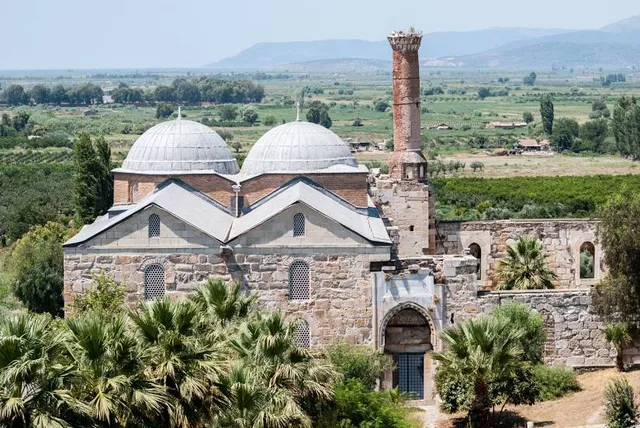
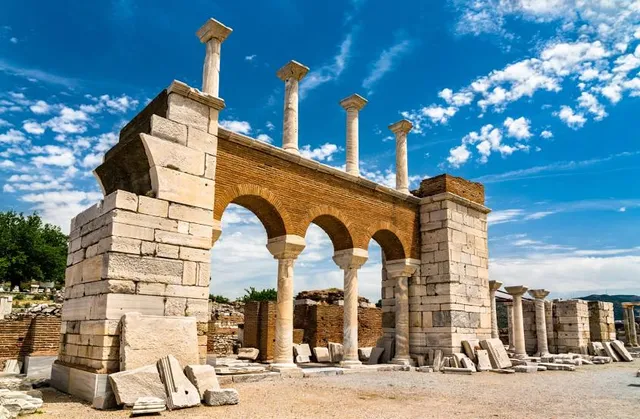
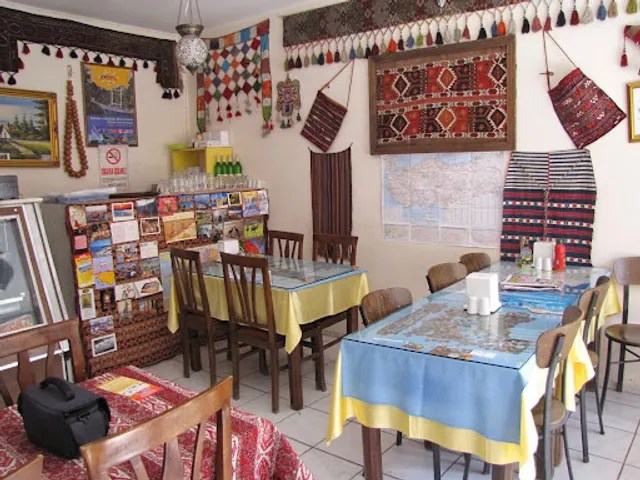
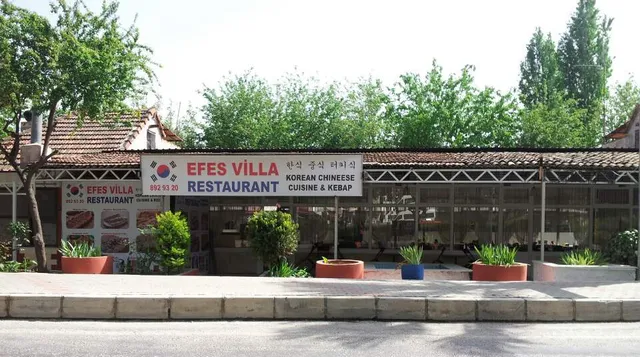
In Ephesus the archeological artifacts that were dug up between 1867-1905 were transported to the British Museum ; and findings from 1905-1923 were taken to Vienna. With the founding of the New Turkish Republic, the goverment forbade taking antiques out of the country and required the artifacts that were taken outside the country back to Turkey. In 1964, the Ephesus Museum was founded and the findings from the excavations at Ephesus archeological site and around were put to this museum.
At this charming and well-organised museum, there are not only findings from the ongoing excavations at Ephesus archeological site, but also the artifacts from the Cukurici Mound, the basilica of St John, and the Temple of Artemis. At one of the sections, one can see a wide collection of coins dating back to when money was first used in history.
The museum of Ephesus, unlike most of other museums, is not designed according to the chronological order but the galleries are filled with artifacts according to a theme.
Galleries include:
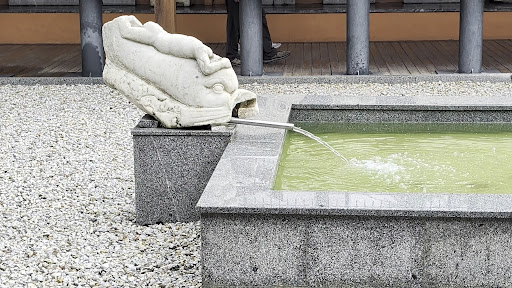
1- Sculptures from the fountains
2- Finds from the Terrace Houses
3-Coins
4-Ephesus through the Ages
5-Courtyard with column capitals and tombs
6- Hall of Mother Goddess cult
7- Hall of Ephesus Artemis
8- Hall of Imperial Cult
9-Museum Shop and Cafe
Before visiting these galleries, one should not miss the 3D simulation video of ancient Ephesus where visitors can visualize the setting of the ancient city and may have an idea about how the buildings used to look like. The video can be watched in three languages; Turkish, English and German and it lasts 10 minutes. The video room is the first room before the fountain statues gallery.
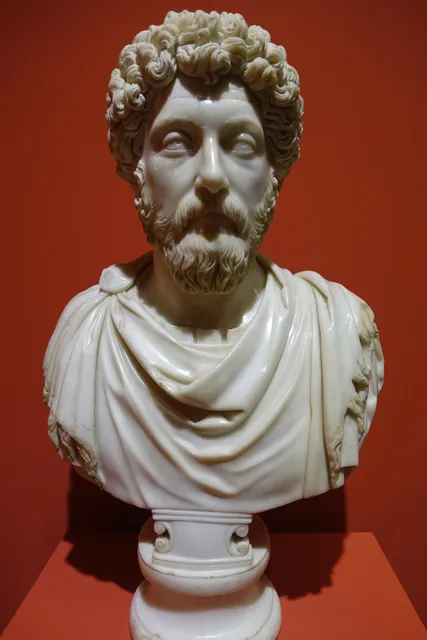
Some of the most remarkable artifacts in the museum are the Ephesus Artemis statue, Priapos statue, the head of Socrates, the Egyptian priest, the Eros with rabbit and the oldest piece – a stamp- found in Cukurici Mound- dating back to 6200 BC.
Ephesus Archaeological Museum is located in Selcuk town, across the main...
Read moreSummary: Great set of ruins, and probably the best place if you only have time for one. Time 4hrs, take comfortable shoes, water, hat, sunscreen with you, costs about 65 Turkish Lyra (2014) if you want to see both areas with audio tour, another 8 lyra for parking if you drive a car. Arrive after noon.
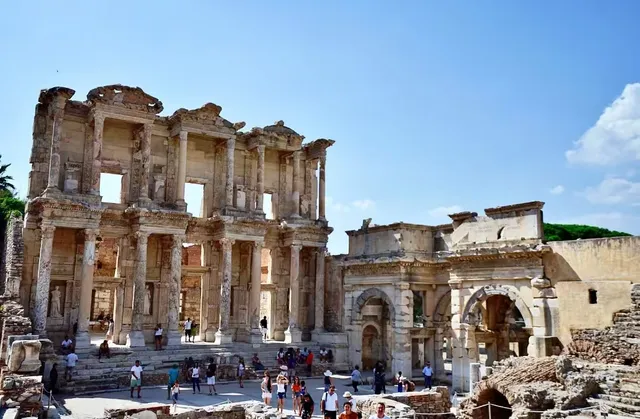
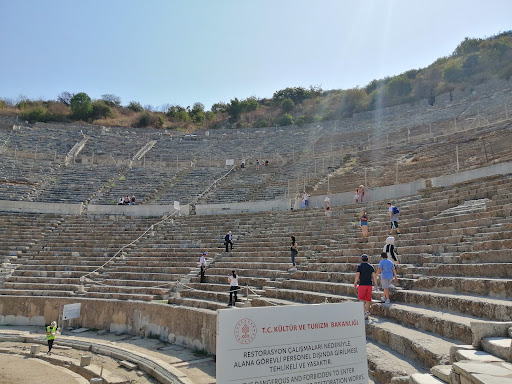
Theater (2), Fountains, library, market place, houses, baths, church, etc, etc. Seems there is a little of everything, and reasonably good condition.
Took us 4hrs to see everything at a reasonable pace. After 3/4 of the way, I was in a pretty strong need of water (I had read somewhere that it only took 2hrs, yeah, well, maybe if you don't really want to see much off the main path.)
Time of day: off this one visit, I would say after noon, as everyone seems to show up early, and I mean everyone. After the tour buses leave, the place is pretty nice, while there, the place is a mad house. Between mid March to late summer, the place is open til 7 I think, and there is lighting all over the place...though we were not there for that.
Well worth the trip, about a 1hr drive from Izmir.
There is some food and water at the start, but not worth the effort I think, except for maybe the water.
You can walk from the nearby town, or bike, but after all the walking at the ruins, I'm not sure I would recommend it, except for those that do a lot of walking. It is down hill from the ruins to the town.
There are places to sit, but they are all made of...
Read moreÉfeso (em grego clássico: Ἔφεσος; em latim: Ephesus; em turco: Efes) foi uma cidade grega antiga1 na costa de Jônia, três quilômetros a sudoeste de Selçuk, província de Esmirna, Turquia. Foi construída no século X a.C. no local da capital anterior de Arzaua3 por colonos gregos jônicos. Durante a era grega clássica foi uma das doze cidades da Liga Jônica. A cidade floresceu depois que veio sob o controle da República de Roma em 129 a.C. Durante o período romano, foi por muitos anos a segunda maior cidade do Império Romano, apenas atrás de Roma, a capital do império.5 Tinha uma população de 250 000 habitantes no século I a.C., o que também fazia dela a segunda maior cidade do mundo na época.[6] A cidade era famosa pelo Templo de Ártemis (terminado ao redor 550 a.C.), uma das sete maravilhas do mundo antigo. Entre muitos outros edifícios monumentais estão a Biblioteca de Celso e um teatro capaz de abrigar cerca de 25.000 espectadores.[7] Éfeso era uma das Sete Congregações da Ásia Menor que são citadas no Livro de Apocalipse.[8] O Evangelho de João pode ter sido escrito aqui.[9] A cidade foi o local de vários conselhos cristãos do século V (ver Primeiro e Segundo Concílio de Éfeso).
A cidade foi destruída em 263 pelos godos, uma tribo germânica e, apesar de ter sido reconstruída, a importância da cidade como um centro comercial declinou conforme o porto foi lentamente assentado acima pelo rio Caístro. A cidade foi parcialmente destruída por um terremoto no ano de 614.
As ruínas de Éfeso são uma atração turística internacional e local, em parte devido ao seu fácil acesso a partir do Aeroporto Adnan Menderes ou do porto de cruzeiros de Kuşadası, cerca de 30 km ao sul. Em 2015, a Organização das Nações Unidas para a Educação, a Ciência e a Cultura (UNESCO) integrou Éfeso na lista do Património da Humanidade.[10]
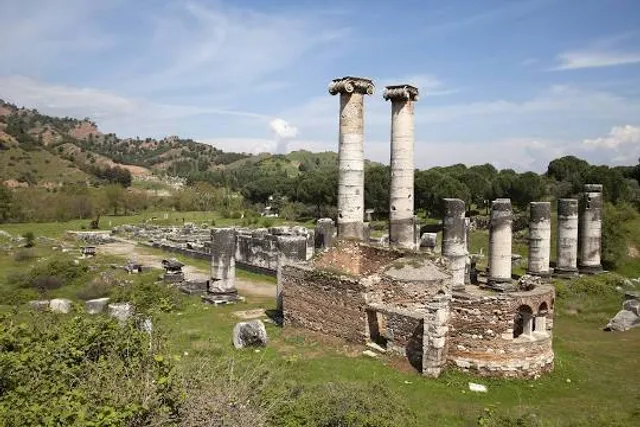
A cidade era célebre pelo Templo de Ártemis, construído por volta de 550 a.C., uma das sete maravilhas do mundo. O templo foi destruído, juntamente com muitos outros edifícios, em 401 d.C. por uma multidão liderada por São João Crisóstomo.[11] O imperador Constantino I reconstruiu boa parte da cidade e ergueu novos banhos públicos, porém a cidade foi novamente destruída parcialmente por um terremoto, em 614. A importância da cidade como centro comercial diminuiu à medida que o seu porto começou a ser assoreado pelo rio Caístro (Pequeno Menderes). Éfeso foi uma das Sete Igrejas da Ásia citadas no livro bíblico do Apocalipse.[12] O Evangelho de João pode ter sido escrito na cidade,[9] onde também se encontra um grande cemitério de gladiadores.
Em Éfeso existia um dos maiores teatros do mundo, com capacidade para 25 mil espectadores de uma população total estimada em cerca de 400 mil a 500 mil habitantes.[8] Era a quinta mais populosa cidade do império. Também em Éfeso surgiram as condições para uma mudança fundamental no pensamento do Ocidente, durante os séculos VII e I a.C. Éfeso e Mileto, também na Ásia Menor, são berços da filosofia. Em 133 a.C., Éfeso foi declarada capital da província romana da Ásia, mas pesquisas arqueológicas revelam que Éfeso já era um centro urbano antes de 1 000 a.C., quando era ocupada pelos jônios.[carece de fontes]
Sua riqueza, contudo, não era apenas material. Nela se destacavam iniciativas culturais como escolas filosóficas; escola de magos e muitas manifestações religiosas, sendo a mais significativa em torno de Ártemis; a deusa do meio ambiente conhecida como Diana pelos romanos, a deusa da fertilidade. É dedicado a Ártemis o maior templo nela encontrado por arqueólogos austríacos. Ao lado do templo de Ártemis, com 80 metros de comprimento e 50 metros de largura, foram encontrados suntuosos palácios romanos. Outras descobertas incluem uma bela casa de banho, de mármore, com muitos quartos, a magnífica Biblioteca de Celso, a "Catacumba dos Sete Adormecidos", onde foram encontrados centenas de locais de sepultura, e um templo dedicado à adoração ao imperador. Ali havia uma estátua de Domiciano, o imperador que exilou João Evangelista na...
Read more