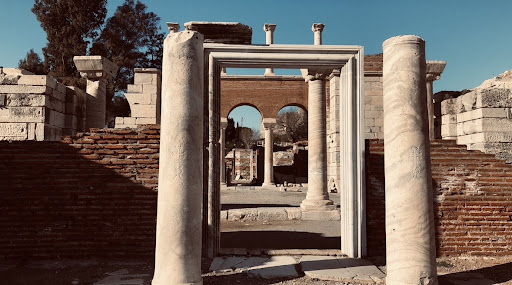
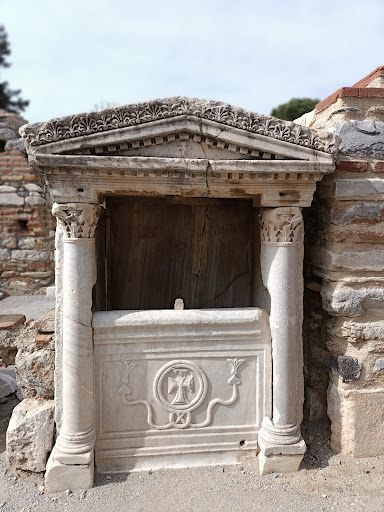
Basilica Of Saint John things to do, attractions, restaurants, events info and trip planning
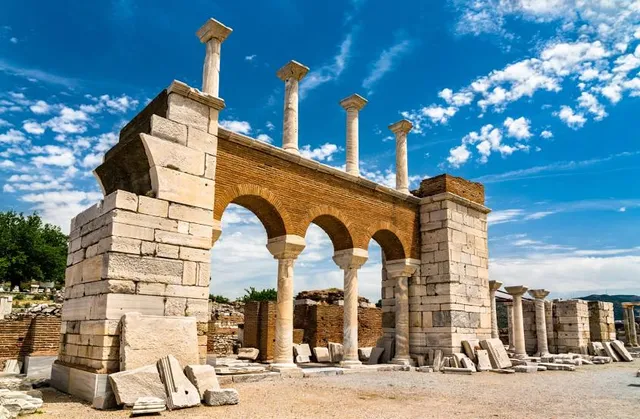
Basic Info
Basilica Of Saint John
Atatürk, St. Jean Cd. No:4, 35920 Selçuk/İzmir, Türkiye
4.7(1.4K)
Closed


tickets
Save
spot
spot
Ratings & Description
Info
The Basilica of St. John is a Minor Basilica of the Catholic Church in the Drake neighborhood of Des Moines, Iowa, United States. It is also a parish church in the Diocese of Des Moines. The church building is listed on the National Register of Historic Places.
Cultural
Accessibility
attractions: İsa Bey Mosque, St. Jean Church, Ayasuluk Citadel, Ayasuluk Citadel, The Temple of Artemis, Selçuk Hamamı, 古罗马遗址, Selçuk Ephesus Urban Memory Museum, Visit Ephesus, Statue of Artemis - Selcuk, Ephesus, Turkey, restaurants: Mekan Efes Restaurant, Ayasoluk Restaurant, Tat Restaurant, Ejder Restaurant, Ali Baba & Mehmet Kebab House, OLD HOUSE (ESKİ EV) RESTORANT, Eski Ev Restaurant (Old House), Selçuk Kervan Pide, Nur restaurant, Ercan’ın yeri Mehşür çöp-şiş Köftesi, local businesses: Ephesus Archaeological Museum
 Learn more insights from Wanderboat AI.
Phone
+90 232 892 60 10
Website
muze.gov.tr
Open hoursSee all hours
Thu8 AM - 6 PMClosed
Plan your stay

Pet-friendly Hotels in Selçuk
Find a cozy hotel nearby and make it a full experience.

Affordable Hotels in Selçuk
Find a cozy hotel nearby and make it a full experience.

The Coolest Hotels You Haven't Heard Of (Yet)
Find a cozy hotel nearby and make it a full experience.

Trending Stays Worth the Hype in Selçuk
Find a cozy hotel nearby and make it a full experience.
Reviews
Live events
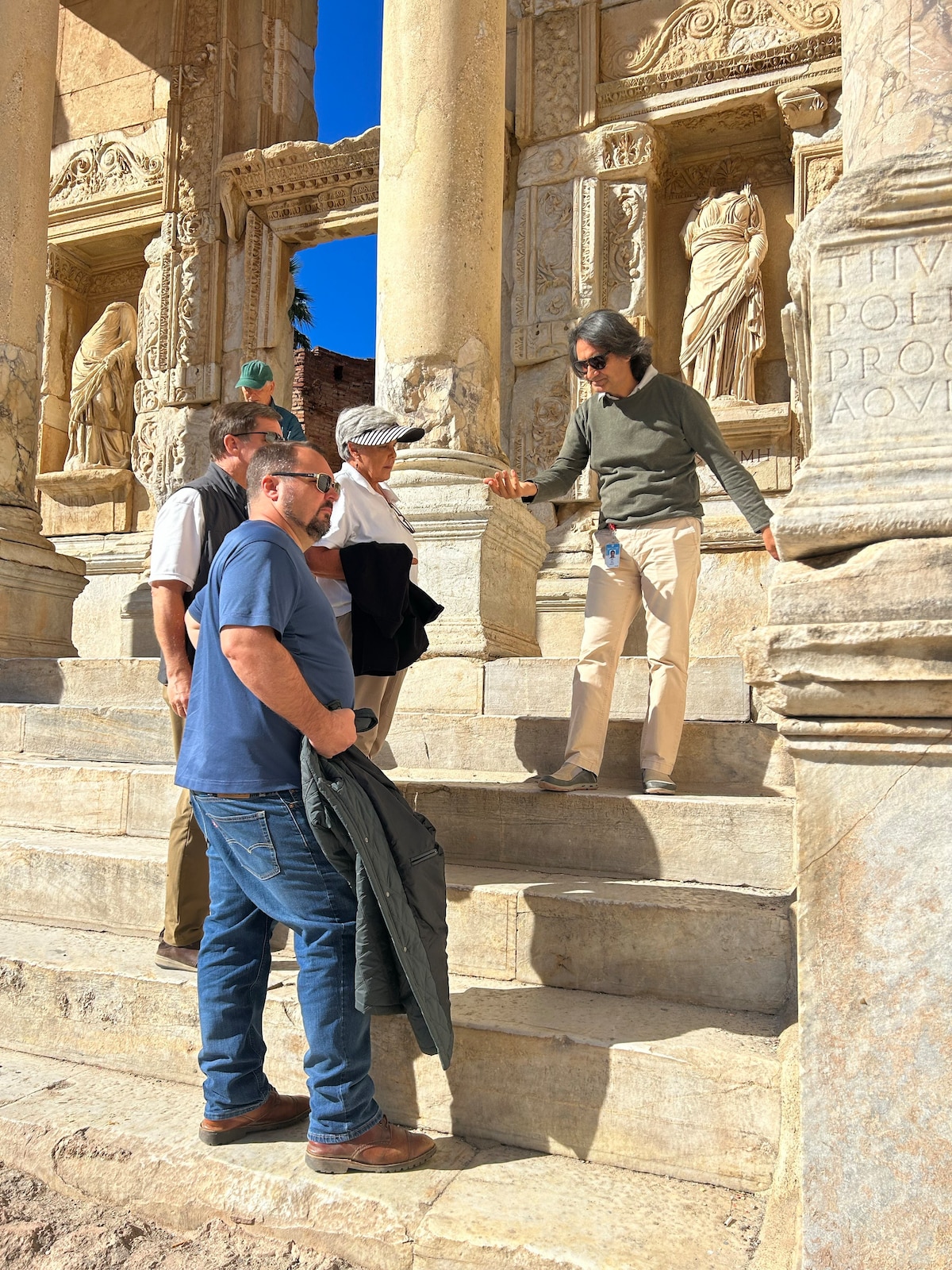
Explore Ephesus
Thu, Feb 26 • 8:30 AM
09400, Kuşadası, Aydın, Turkey
View details
Nearby attractions of Basilica Of Saint John
İsa Bey Mosque
St. Jean Church
Ayasuluk Citadel
Ayasuluk Citadel
The Temple of Artemis
Selçuk Hamamı
古罗马遗址
Selçuk Ephesus Urban Memory Museum
Visit Ephesus
Statue of Artemis - Selcuk, Ephesus, Turkey
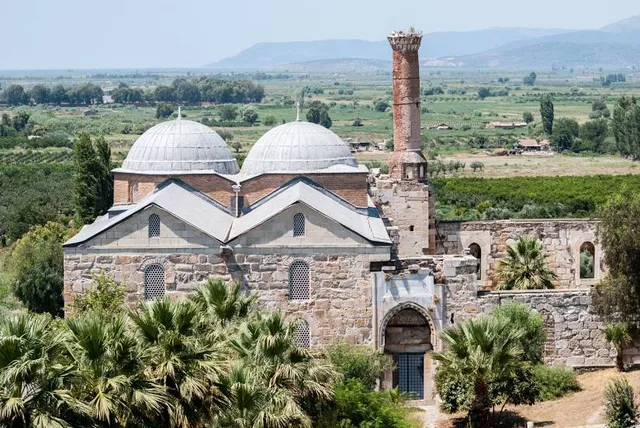
İsa Bey Mosque
4.7
(1.1K)
Closed
Click for details
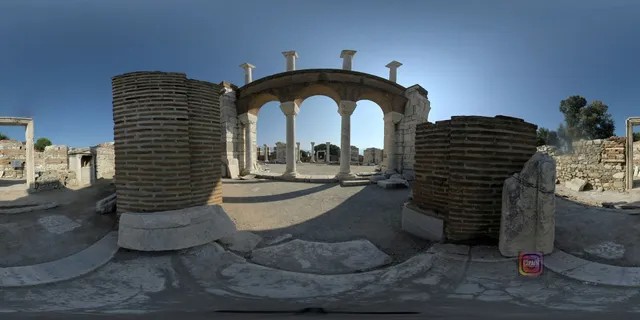
St. Jean Church
4.6
(235)
Open 24 hours
Click for details
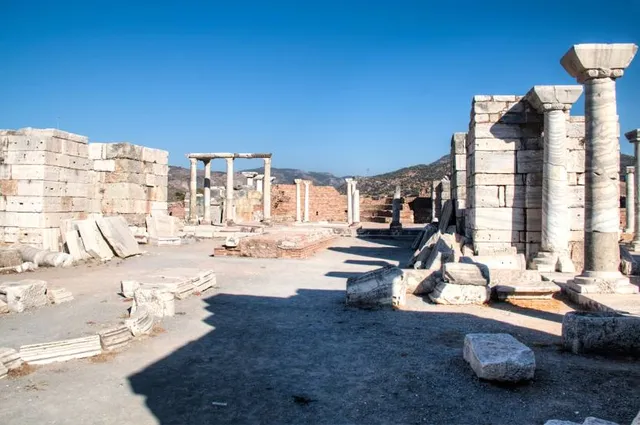
Ayasuluk Citadel
4.6
(647)
Closed
Click for details
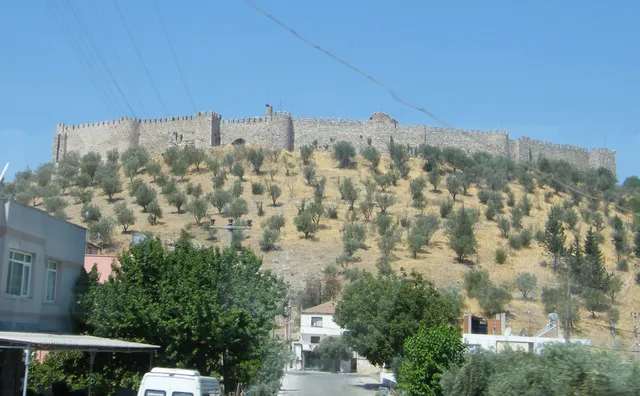
Ayasuluk Citadel
4.6
(650)
Closed
Click for details
Nearby restaurants of Basilica Of Saint John
Mekan Efes Restaurant
Ayasoluk Restaurant
Tat Restaurant
Ejder Restaurant
Ali Baba & Mehmet Kebab House
OLD HOUSE (ESKİ EV) RESTORANT
Eski Ev Restaurant (Old House)
Selçuk Kervan Pide
Nur restaurant
Ercan’ın yeri Mehşür çöp-şiş Köftesi

Mekan Efes Restaurant
4.4
(252)
Closed
Click for details

Ayasoluk Restaurant
4.8
(217)
Closed
Click for details
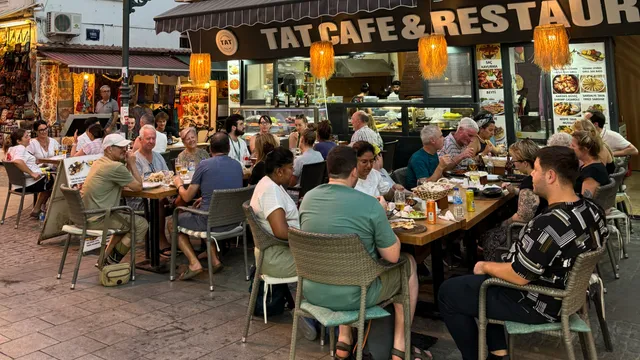
Tat Restaurant
4.6
(317)
Closed
Click for details
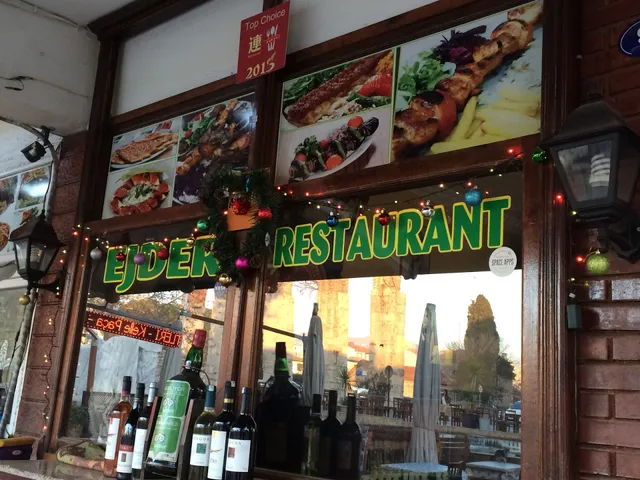
Ejder Restaurant
4.6
(813)
Closed
Click for details
Nearby local services of Basilica Of Saint John
Ephesus Archaeological Museum
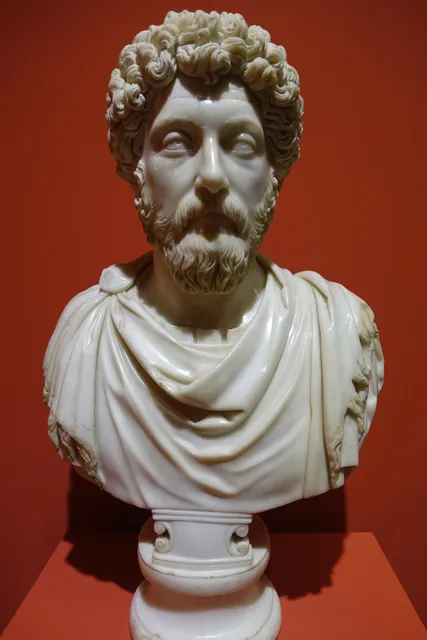
Ephesus Archaeological Museum
4.7
(7.6K)
Click for details