Hobson's Conduit things to do, attractions, restaurants, events info and trip planning
Basic Info
Hobson's Conduit
Cambridge CB2 1EL, United Kingdom
4.6(9)
Open until 12:00 AM
Save
spot
spot
Ratings & Description
Info
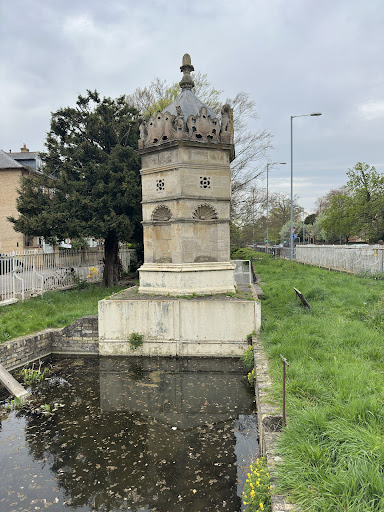
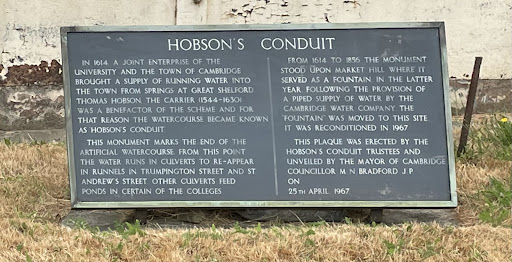
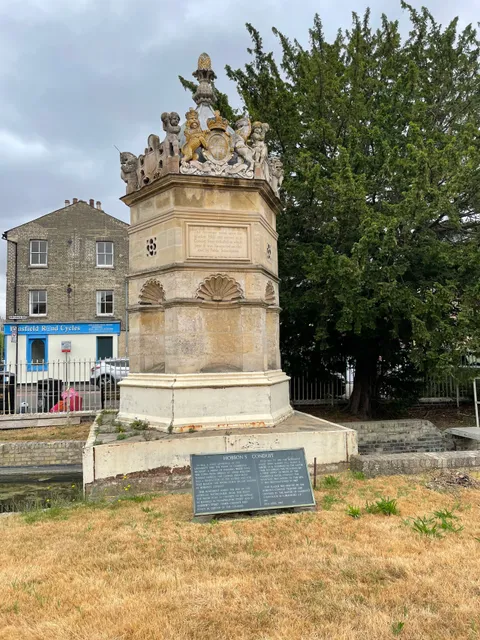
Hobson's Conduit, also called Hobson's Brook, is a watercourse that was built from 1610 to 1614 by Thomas Hobson and others to bring fresh water into the city of Cambridge, England from springs at Nine Wells, a Local Nature Reserve, near the village of Great Shelford.
Cultural
Scenic
attractions: The Fitzwilliam Museum, The Polar Museum, The Church of Our Lady of the Assumption and the English Martyrs, Cambridge, University of Cambridge Judge Business School, Cambridge University Botanic Garden, Parker's Piece, Sedgwick Museum of Earth Sciences, University Museum Of Zoology, Museum of Archaeology and Anthropology, Granta Moorings, restaurants: Japas Sushi Restaurant, Hot Numbers Coffee | Trumpington Street | Cambridge, Panton Arms, Old Bicycle Shop, The Olive Grove, The Grain & Hop Store, Prince Regent, Yim Wah Express, The Alma, Zizzi - Cambridge, Regent Street, local businesses: The Church of Our Lady and the English Martyrs, Cambridge, Hollister Co., Lockhouse Escape Games, Peterhouse, 60 Hills Rd, Warhammer, Thomas William Gentlemen’s Barber Cambridge, Downing College, JIAMART Regent Street, Cambridge Farmers' Outlet
 Learn more insights from Wanderboat AI.
Website
hobsonsconduittrust.org
Open hoursSee all hours
TueOpen 24 hoursOpen
Plan your stay

Pet-friendly Hotels in Cambridge
Find a cozy hotel nearby and make it a full experience.

Affordable Hotels in Cambridge
Find a cozy hotel nearby and make it a full experience.

The Coolest Hotels You Haven't Heard Of (Yet)
Find a cozy hotel nearby and make it a full experience.

Trending Stays Worth the Hype in Cambridge
Find a cozy hotel nearby and make it a full experience.
Reviews
Live events
Explore Cambridge University and surrounds
Tue, Feb 10 • 2:00 PM
Cambridgeshire, CB2 1SJ, United Kingdom
View details

Candlelight: Valentine’s Day Special
Sat, Feb 14 • 6:30 PM
9A Bridge Street, Cambridge, CB2 1UB
View details
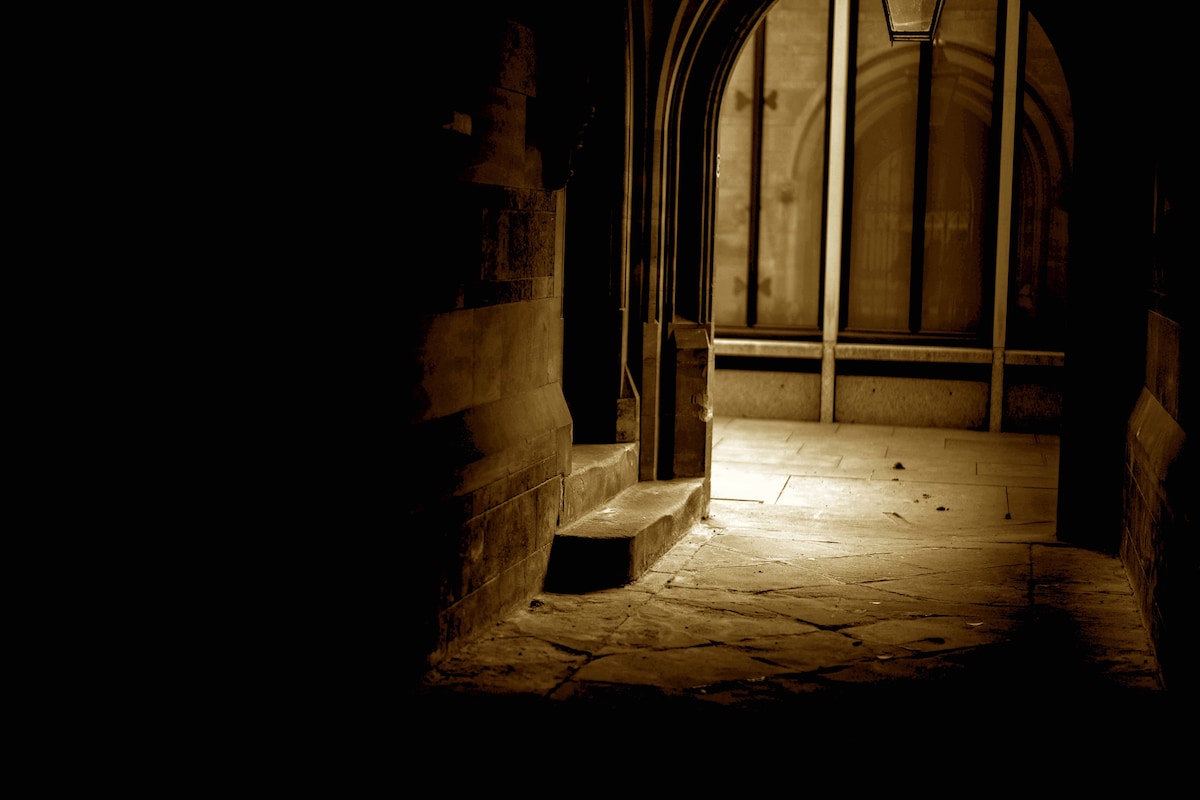
Relive Cambridge Universitys Ghost Stories
Tue, Feb 10 • 5:00 PM
Cambridgeshire, CB2, United Kingdom
View details
Nearby attractions of Hobson's Conduit
The Fitzwilliam Museum
The Polar Museum
The Church of Our Lady of the Assumption and the English Martyrs, Cambridge
University of Cambridge Judge Business School
Cambridge University Botanic Garden
Parker's Piece
Sedgwick Museum of Earth Sciences
University Museum Of Zoology
Museum of Archaeology and Anthropology
Granta Moorings
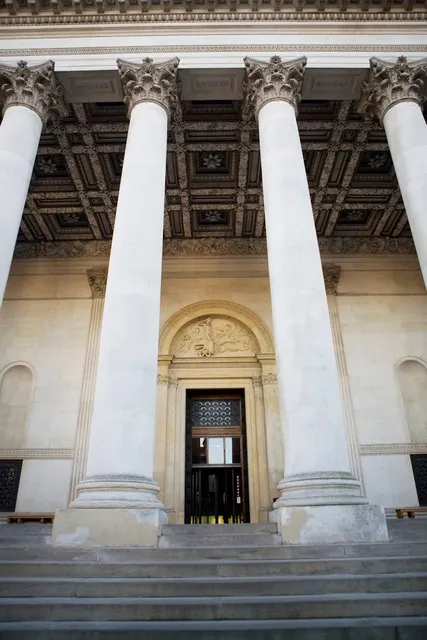
The Fitzwilliam Museum
4.7
(3.7K)
Open until 12:00 AM
Click for details
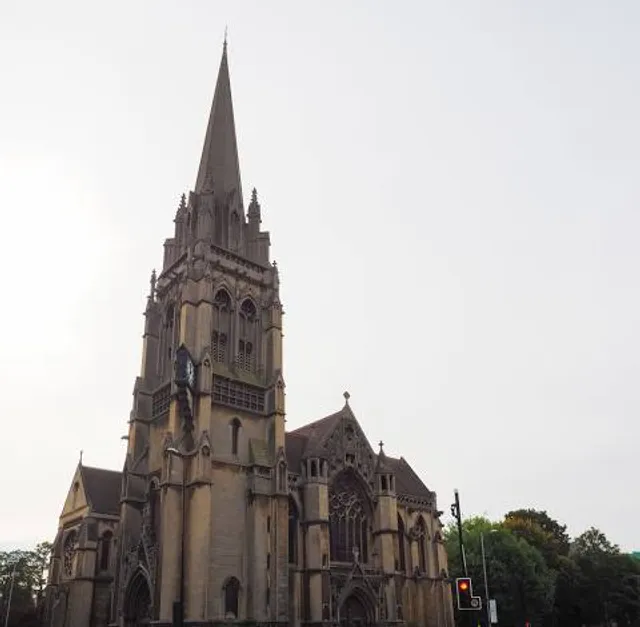
The Polar Museum
4.6
(368)
Open until 12:00 AM
Click for details
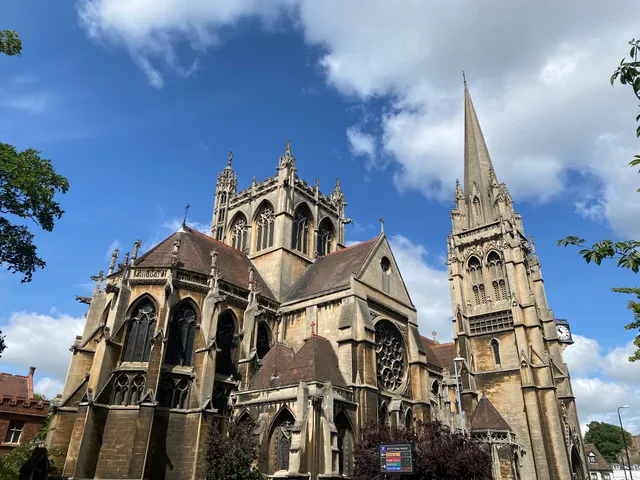
The Church of Our Lady of the Assumption and the English Martyrs, Cambridge
4.7
(592)
Open until 6:15 PM
Click for details
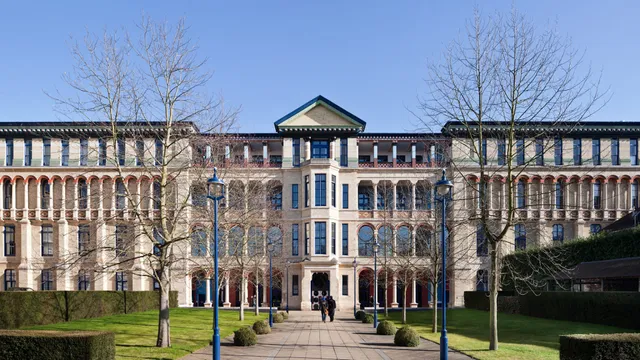
University of Cambridge Judge Business School
4.6
(36)
Open until 6:00 PM
Click for details
Nearby restaurants of Hobson's Conduit
Japas Sushi Restaurant
Hot Numbers Coffee | Trumpington Street | Cambridge
Panton Arms
Old Bicycle Shop
The Olive Grove
The Grain & Hop Store
Prince Regent
Yim Wah Express
The Alma
Zizzi - Cambridge, Regent Street
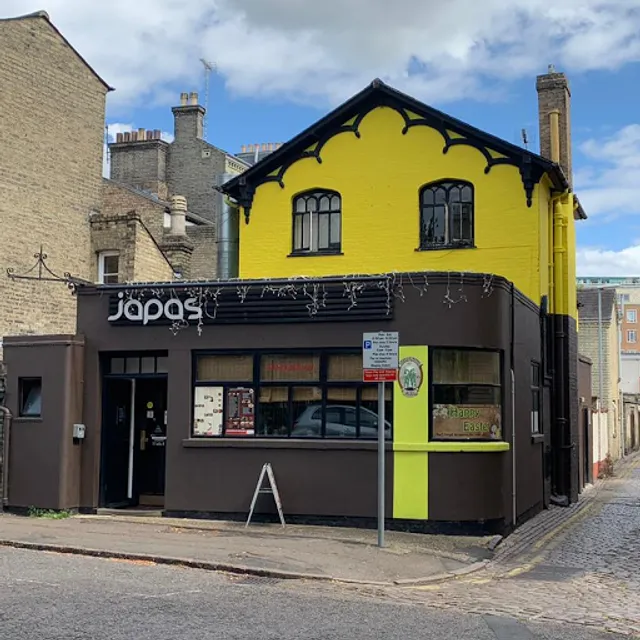
Japas Sushi Restaurant
4.4
(393)
Open until 3:00 PM
Click for details
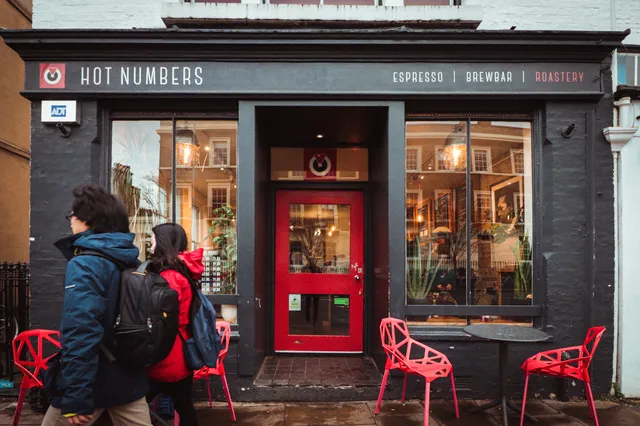
Hot Numbers Coffee | Trumpington Street | Cambridge
4.2
(335)
Open until 5:00 PM
Click for details
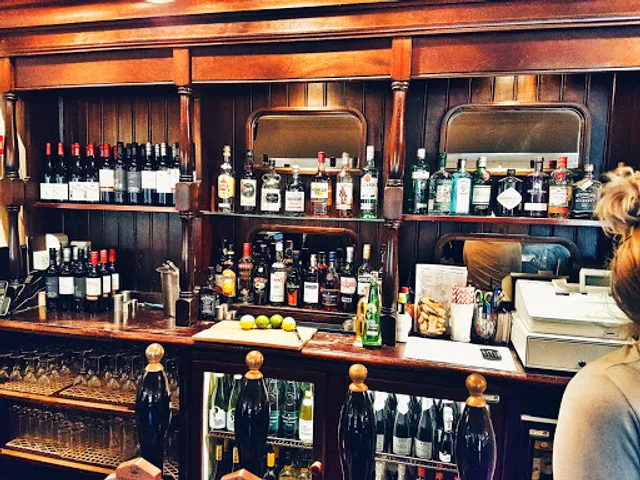
Panton Arms
4.4
(299)
Closed
Click for details
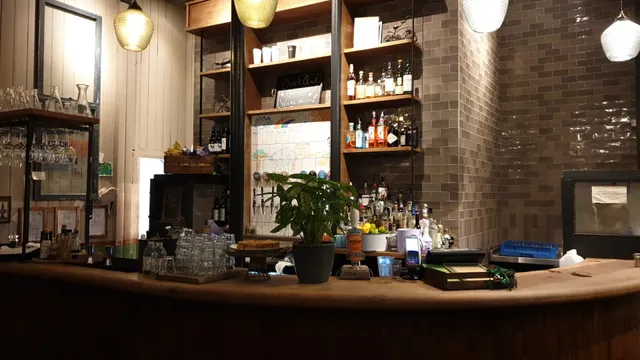
Old Bicycle Shop
4.1
(1.0K)
Open until 10:00 PM
Click for details
Nearby local services of Hobson's Conduit
The Church of Our Lady and the English Martyrs, Cambridge
Hollister Co.
Lockhouse Escape Games
Peterhouse
60 Hills Rd
Warhammer
Thomas William Gentlemen’s Barber Cambridge
Downing College
JIAMART Regent Street
Cambridge Farmers' Outlet
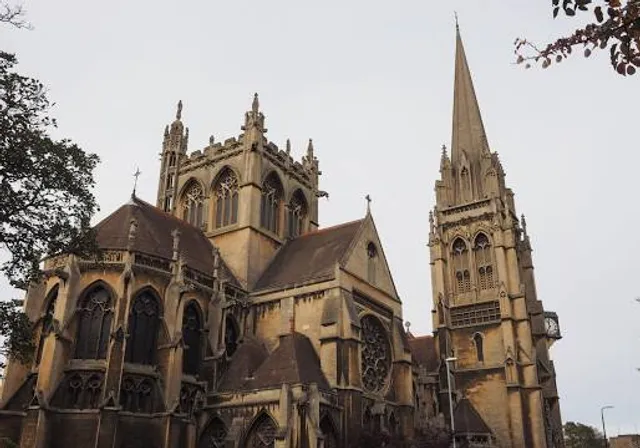
The Church of Our Lady and the English Martyrs, Cambridge
4.7
(500)
Click for details

Hollister Co.
4.3
(160)
Click for details
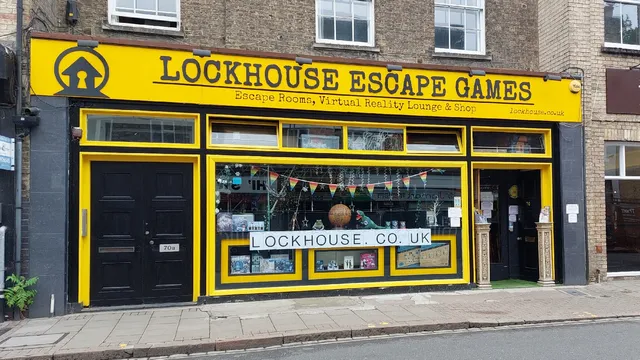
Lockhouse Escape Games
4.8
(413)
Click for details
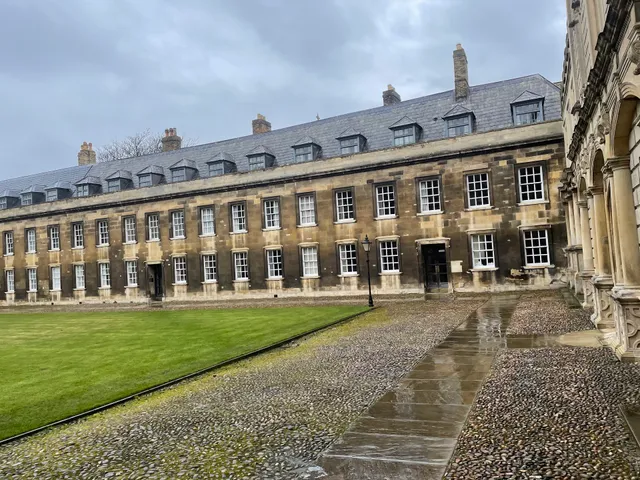
Peterhouse
4.6
(58)
Click for details