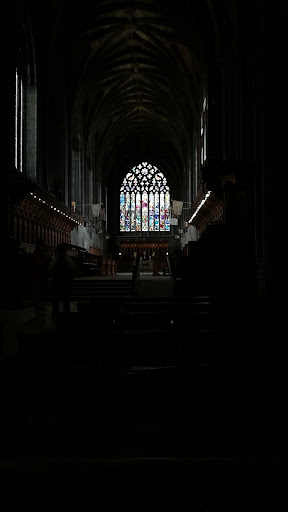
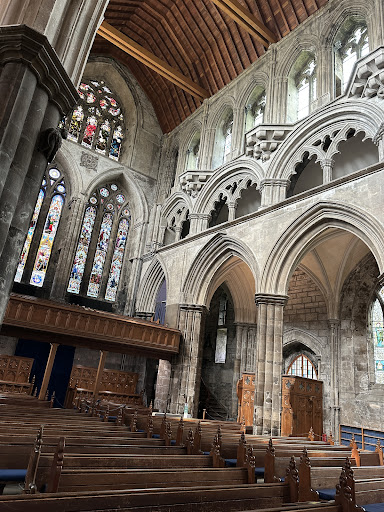
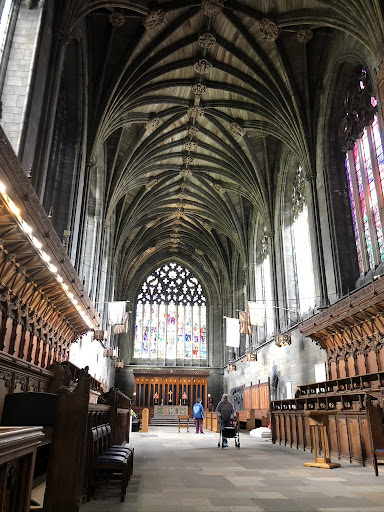
Paisley Abbey things to do, attractions, restaurants, events info and trip planning

Basic Info
Paisley Abbey
Abbey Cl, Paisley PA1 1JG, United Kingdom
4.7(351)
Open 24 hours
Save
spot
spot
Ratings & Description
Info
Cultural
Scenic
Accessibility
Family friendly
attractions: Paisley Town Hall, St Mirin's RC Cathedral Paisley, Re:Hope Church Paisley, Sma' Shot Cottages, Paisley North Church, Oakshaw Trinity Church, Paisley Museum, Paisley Campus, University of the West of Scotland (UWS), Paisley Thread Mill Museum, Coats Paisley, restaurants: Pendulum Bar & Grill, Bianco E Nero, The Abbey Bar, Anchor At The Abbey, Gabriels, The Northern Way, Il Pescatore, Old Swan Inn, The Last Post - JD Wetherspoon, The Bankhouse, local businesses: Lagoon Leisure Centre
 Learn more insights from Wanderboat AI.
Phone
+44 141 889 7654
Website
paisleyabbey.org.uk
Plan your stay

Pet-friendly Hotels in Great Britain
Find a cozy hotel nearby and make it a full experience.

Affordable Hotels in Great Britain
Find a cozy hotel nearby and make it a full experience.

The Coolest Hotels You Haven't Heard Of (Yet)
Find a cozy hotel nearby and make it a full experience.

Trending Stays Worth the Hype in Great Britain
Find a cozy hotel nearby and make it a full experience.
Reviews
Live events
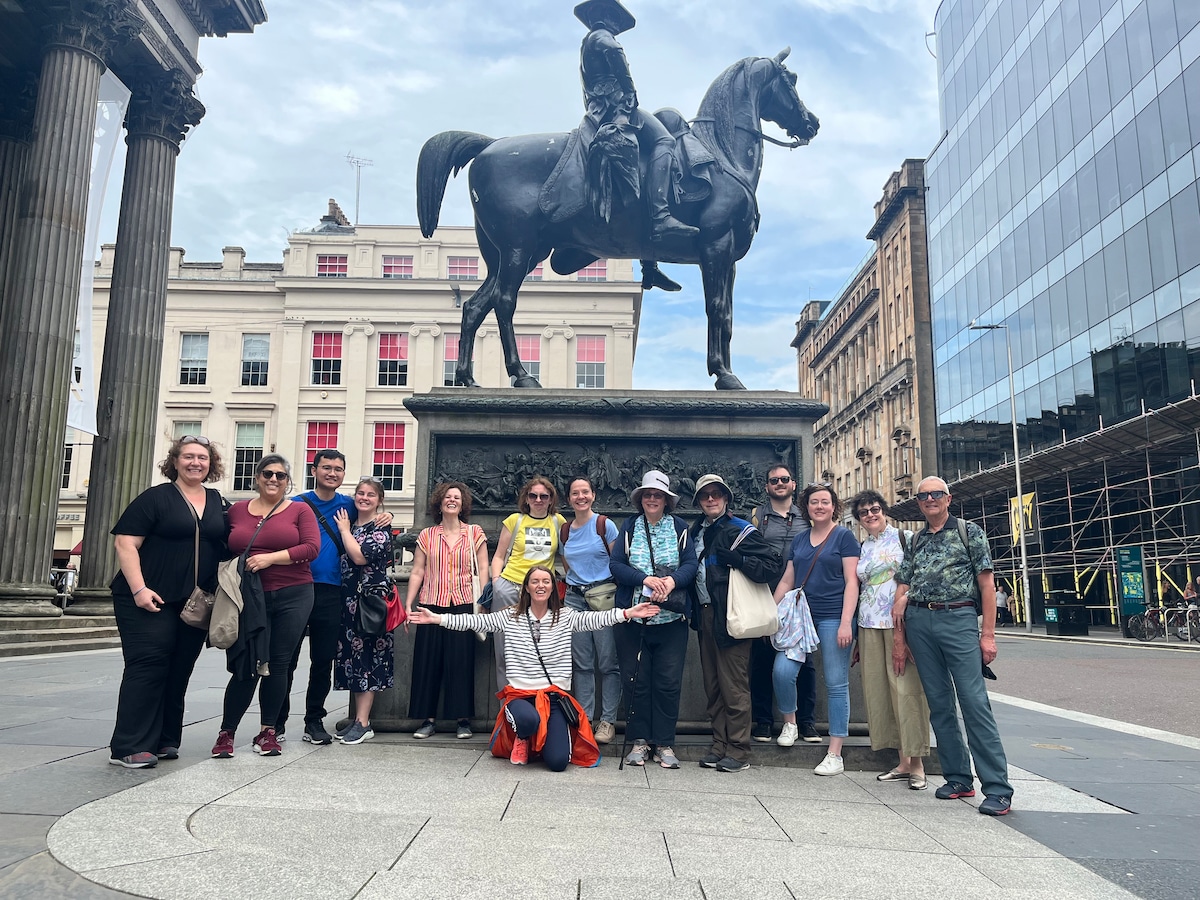
Glasgow Essentials Tour with a Local
Tue, Jan 20 • 10:30 AM
Glasgow, AB10 1AB, United Kingdom
View details
Candlelight: Queen vs. ABBA
Sat, Jan 24 • 6:00 PM
Castle Street, Glasgow, G4 0QZ
View details

Uncover hidden history of Glasgow’s city center
Tue, Jan 20 • 10:30 AM
N/A Glasgow, G1, United Kingdom
View details
Nearby attractions of Paisley Abbey
Paisley Town Hall
St Mirin's RC Cathedral Paisley
Re:Hope Church Paisley
Sma' Shot Cottages
Paisley North Church
Oakshaw Trinity Church
Paisley Museum
Paisley Campus, University of the West of Scotland (UWS)
Paisley Thread Mill Museum
Coats Paisley
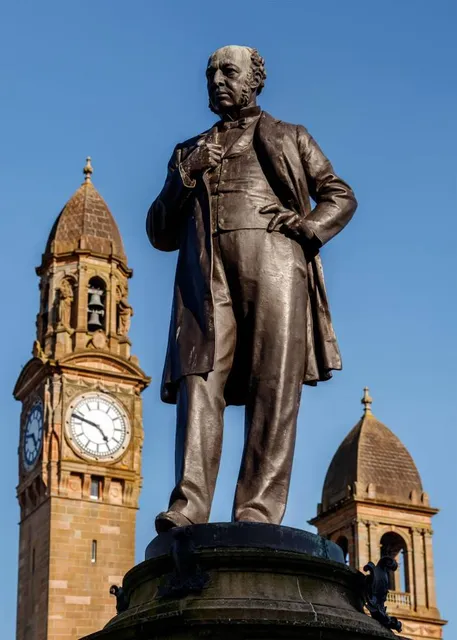
Paisley Town Hall
4.5
(67)
Open 24 hours
Click for details

St Mirin's RC Cathedral Paisley
4.7
(180)
Open 24 hours
Click for details
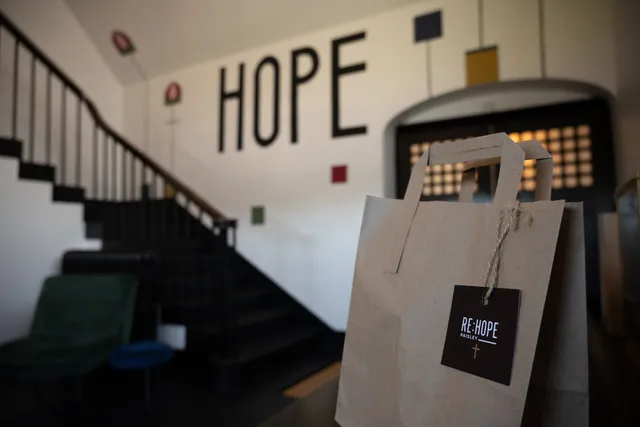
Re:Hope Church Paisley
4.5
(29)
Closed
Click for details

Sma' Shot Cottages
4.6
(60)
Open until 12:00 AM
Click for details
Nearby restaurants of Paisley Abbey
Pendulum Bar & Grill
Bianco E Nero
The Abbey Bar
Anchor At The Abbey
Gabriels
The Northern Way
Il Pescatore
Old Swan Inn
The Last Post - JD Wetherspoon
The Bankhouse
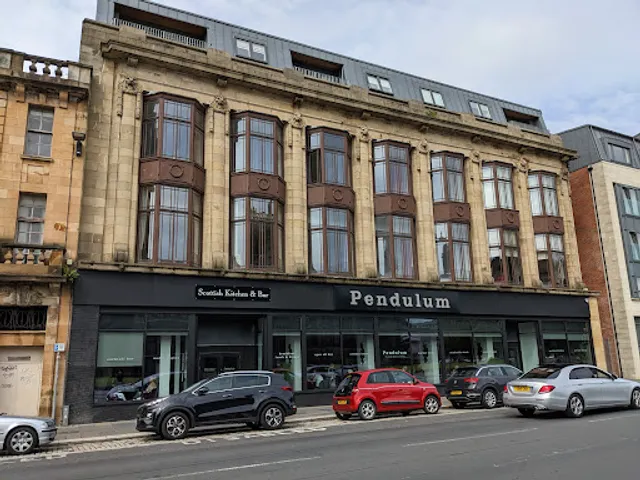
Pendulum Bar & Grill
4.5
(776)
Closed
Click for details
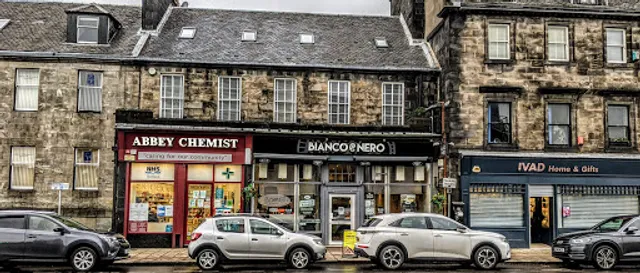
Bianco E Nero
4.3
(295)
Closed
Click for details
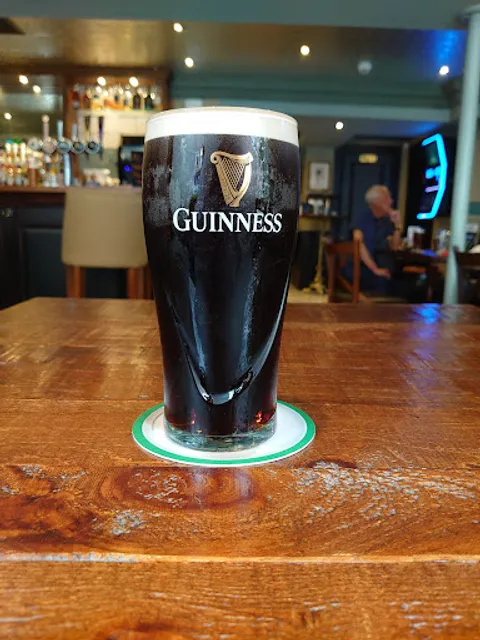
The Abbey Bar
4.2
(182)
Closed
Click for details
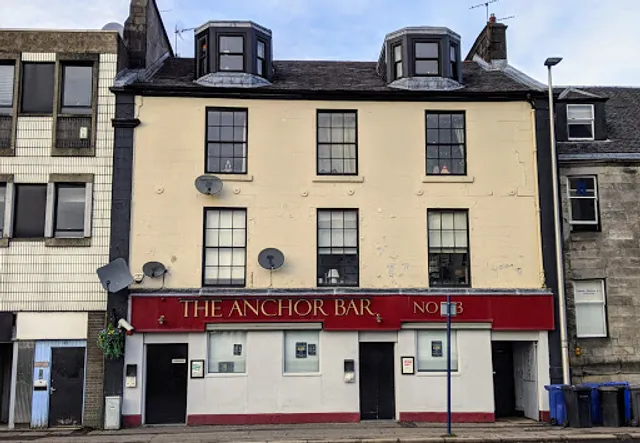
Anchor At The Abbey
4.2
(184)
$$
Closed
Click for details
Nearby local services of Paisley Abbey
Lagoon Leisure Centre
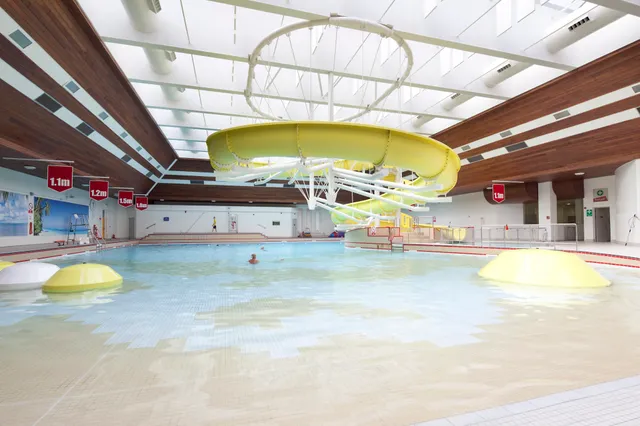
Lagoon Leisure Centre
4.2
(675)
Click for details