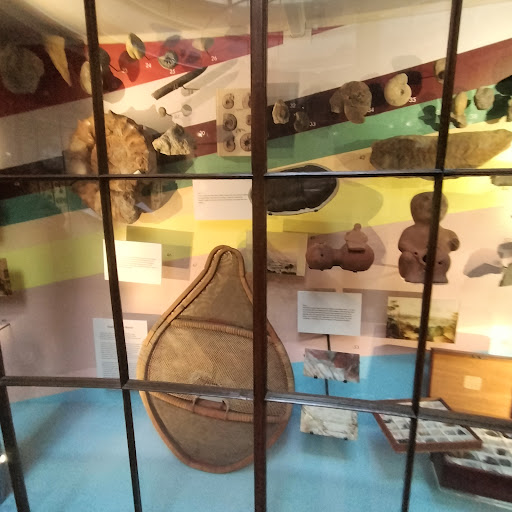
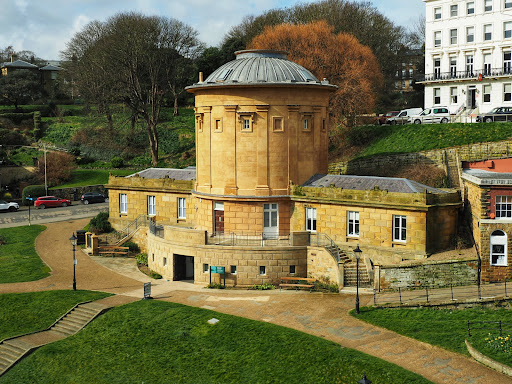
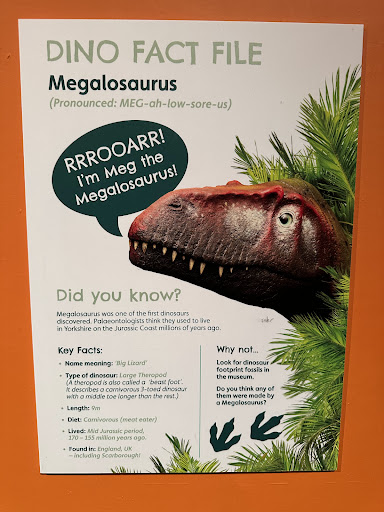
Rotunda Museum: Museum of Coastal Heritage and Geology things to do, attractions, restaurants, events info and trip planning
Basic Info
Rotunda Museum: Museum of Coastal Heritage and Geology
Vernon Rd, Scarborough YO11 2PS, United Kingdom
4.2(350)
Closed

tickets
Save
spot
spot
Ratings & Description
Info
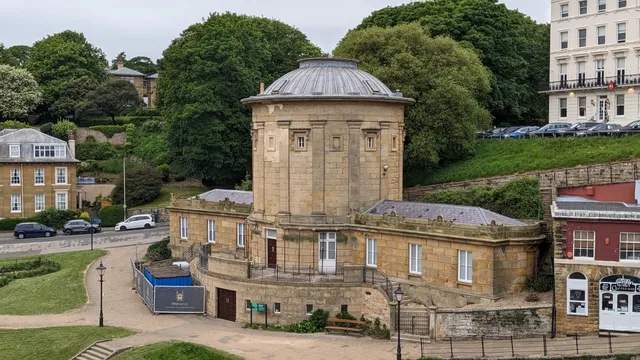
The Rotunda Museum is one of the oldest purpose-built museums still in use in the United Kingdom. The curved grade II* listed building was constructed in 1829 as one of the country's first purpose-built museums.
Cultural
Family friendly
Accessibility
attractions: Scarborough Beach, Scarborough Art Gallery, Tracy Savage, Woodend Gallery, Stephen Joseph Theatre, South Bay Beach, Coney Island, Discover Yorkshire Coast, Blandscliff Gallery & Open Studio, Scarborough Big wheel, restaurants: The Carousel Brewers Fayre, The Bareca at Bike & Boot Leisure Hotels - Scarborough, Premier Inn Scarborough (South Bay) hotel, Askim’s Turkish Restaurant Scarborough, St.Nicholas Café, Royal Hotel Scarborough, il Piatto Italian restaurant, Scholars Bar, The Cat's Pyjamas Bar & Eatery, The Lord Rosebery - JD Wetherspoon, local businesses: Olympia Leisure, Scarborough Art Gallery, Central Tramway, The Spa Chalet, Escape Room Scarborough, Tracy Savage, TK Maxx, The Black Swan Shoppe LTD (Scarborough), Boyes, Tesco Superstore
 Learn more insights from Wanderboat AI.
Phone
+44 1723 353665
Website
scarboroughmuseumsandgalleries.org.uk
Open hoursSee all hours
Fri10 AM - 5 PMClosed
Plan your stay

Pet-friendly Hotels in Great Britain
Find a cozy hotel nearby and make it a full experience.

Affordable Hotels in Great Britain
Find a cozy hotel nearby and make it a full experience.

The Coolest Hotels You Haven't Heard Of (Yet)
Find a cozy hotel nearby and make it a full experience.

Trending Stays Worth the Hype in Great Britain
Find a cozy hotel nearby and make it a full experience.
Reviews
Live events
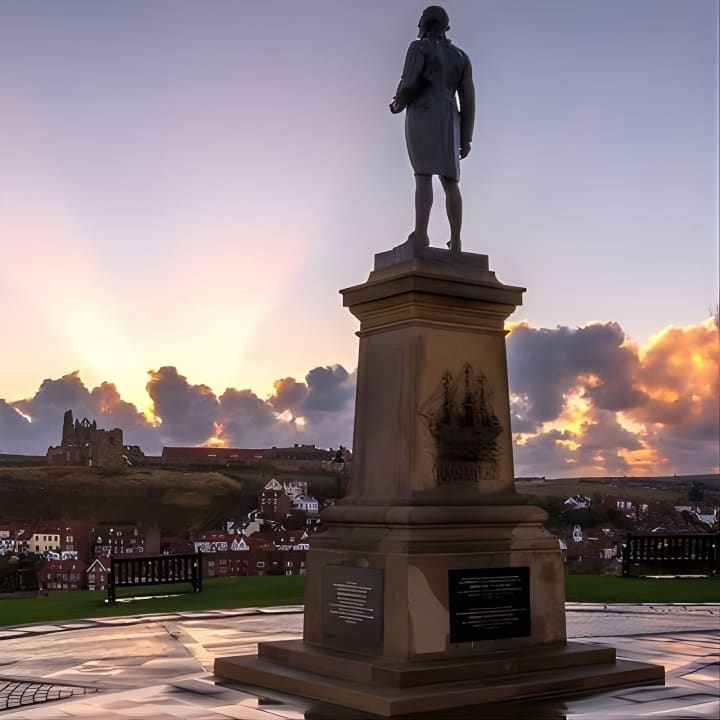
Essential Whitby: Discover the town’s legends on a self-guided audio tour
Fri, Jan 30 • 12:00 AM
Captain Cook, 96704
View details
Nearby attractions of Rotunda Museum: Museum of Coastal Heritage and Geology
Scarborough Beach
Scarborough Art Gallery
Tracy Savage
Woodend Gallery
Stephen Joseph Theatre
South Bay Beach
Coney Island
Discover Yorkshire Coast
Blandscliff Gallery & Open Studio
Scarborough Big wheel
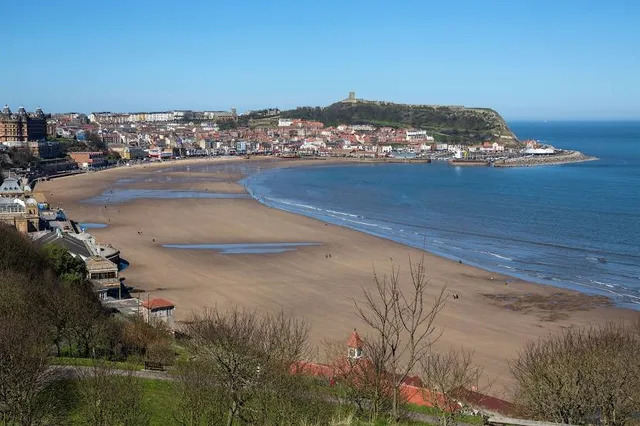
Scarborough Beach
4.6
(2.4K)
Open 24 hours
Click for details
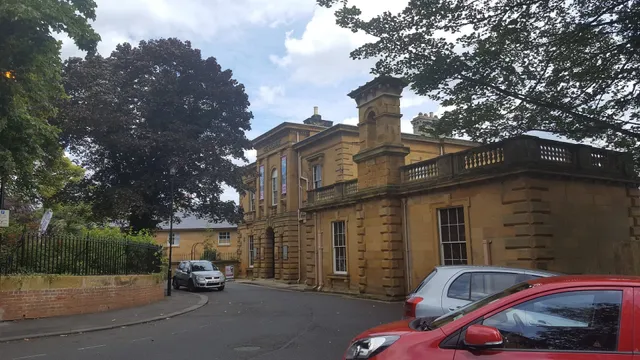
Scarborough Art Gallery
4.4
(174)
Closed
Click for details
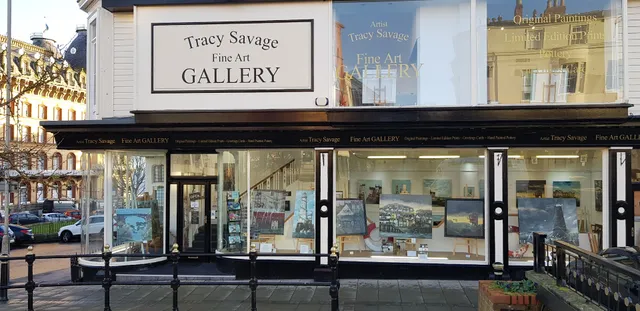
Tracy Savage
4.8
(54)
Closed
Click for details
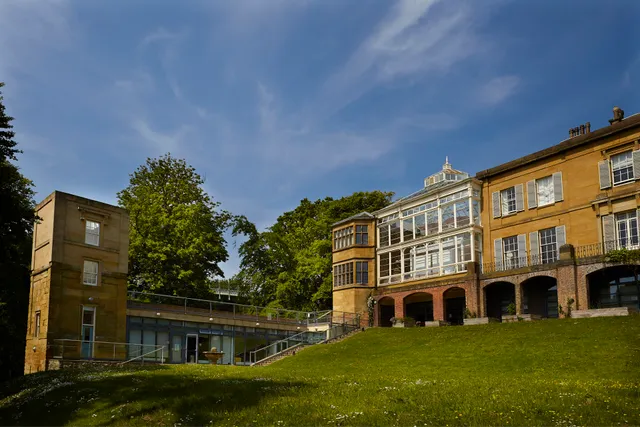
Woodend Gallery
4.5
(98)
Closed
Click for details
Nearby restaurants of Rotunda Museum: Museum of Coastal Heritage and Geology
The Carousel Brewers Fayre
The Bareca at Bike & Boot Leisure Hotels - Scarborough
Premier Inn Scarborough (South Bay) hotel
Askim’s Turkish Restaurant Scarborough
St.Nicholas Café
Royal Hotel Scarborough
il Piatto Italian restaurant
Scholars Bar
The Cat's Pyjamas Bar & Eatery
The Lord Rosebery - JD Wetherspoon
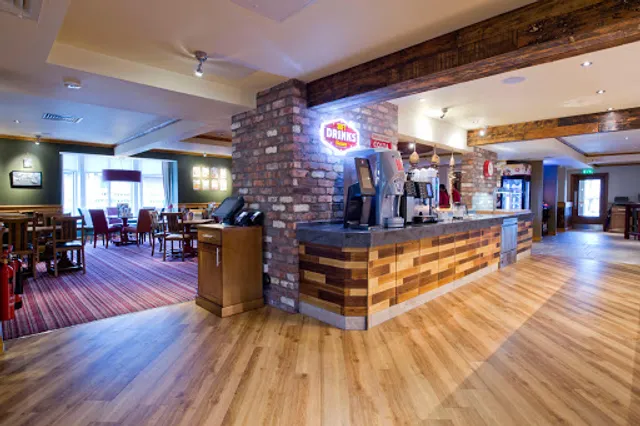
The Carousel Brewers Fayre
3.8
(1.2K)
Closed
Click for details
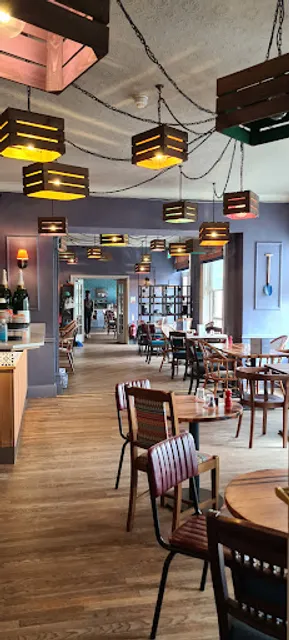
The Bareca at Bike & Boot Leisure Hotels - Scarborough
4.5
(98)
Closed
Click for details

Premier Inn Scarborough (South Bay) hotel
4.3
(709)
Click for details
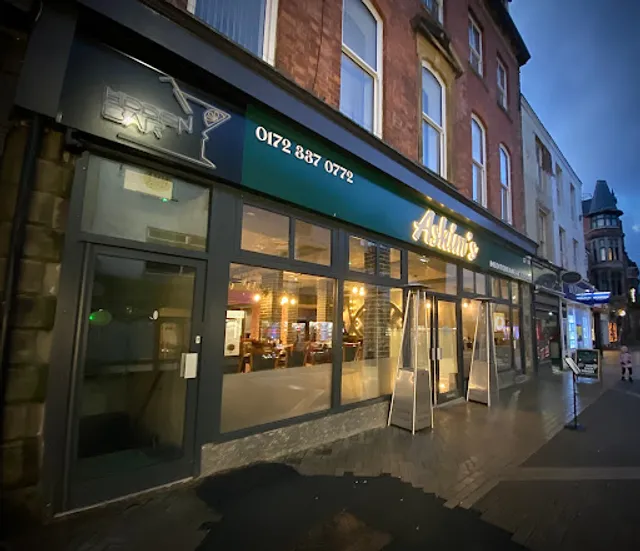
Askim’s Turkish Restaurant Scarborough
4.8
(622)
Closed
Click for details
Nearby local services of Rotunda Museum: Museum of Coastal Heritage and Geology
Olympia Leisure
Scarborough Art Gallery
Central Tramway
The Spa Chalet
Escape Room Scarborough
Tracy Savage
TK Maxx
The Black Swan Shoppe LTD (Scarborough)
Boyes
Tesco Superstore

Olympia Leisure
4.3
(1.2K)
Click for details
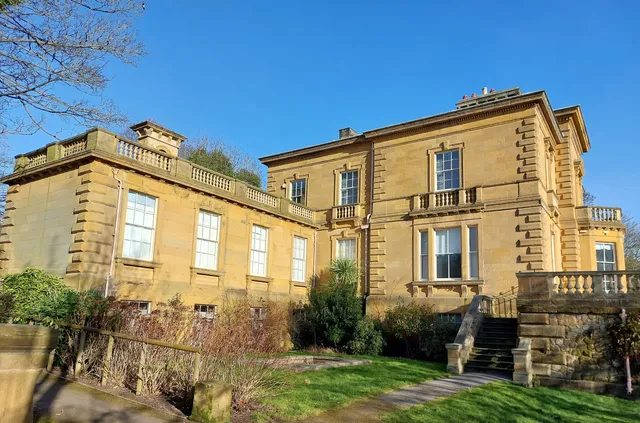
Scarborough Art Gallery
4.3
(148)
Click for details
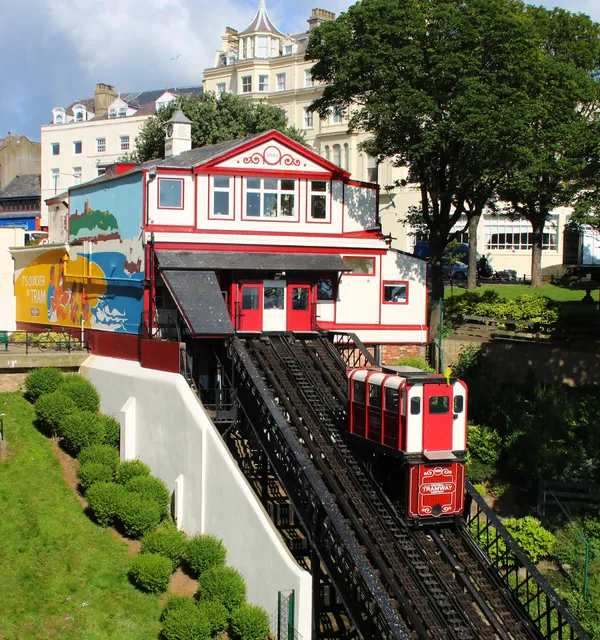
Central Tramway
4.7
(172)
Click for details
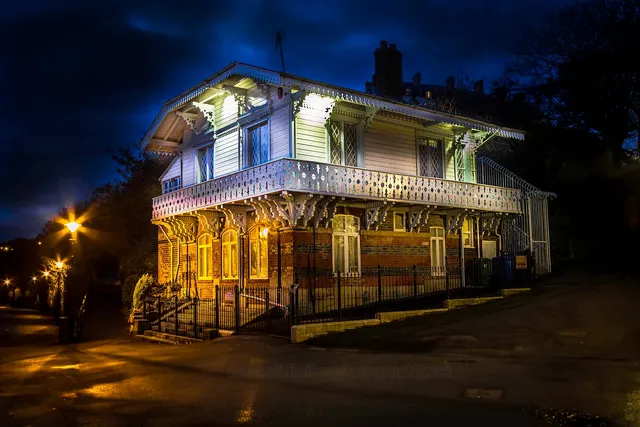
The Spa Chalet
4.9
(41)
Click for details