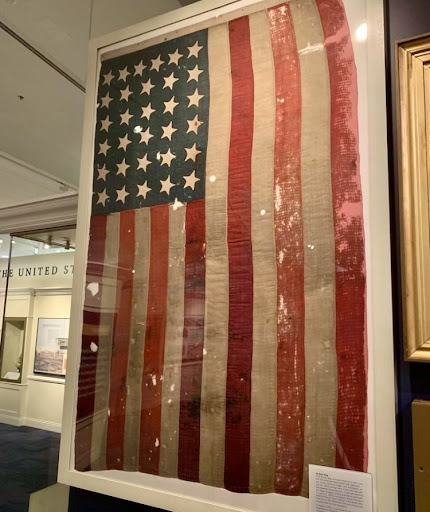
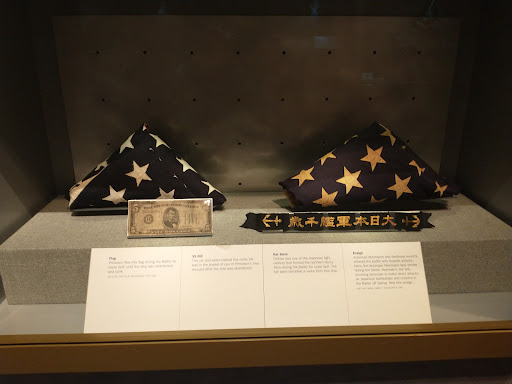
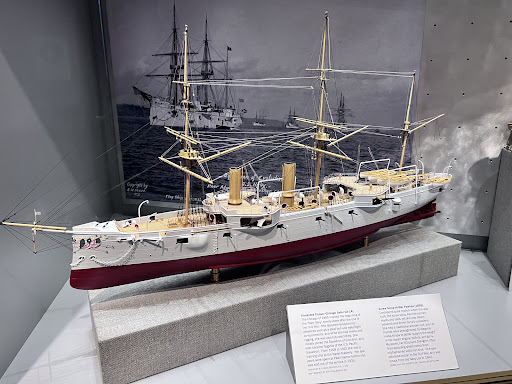
U.S. Naval Academy Museum things to do, attractions, restaurants, events info and trip planning
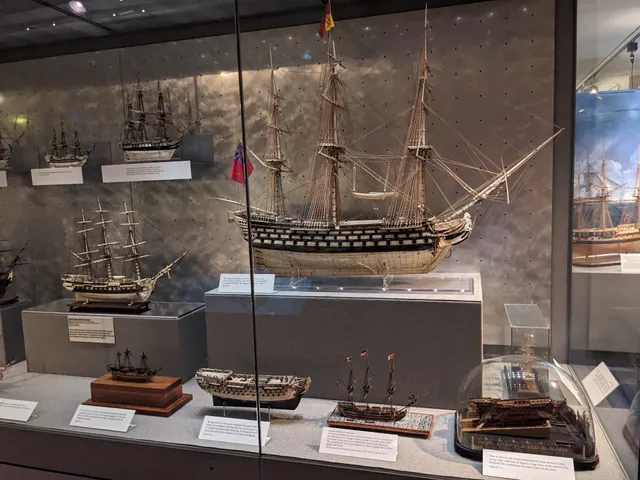
Basic Info
U.S. Naval Academy Museum
118 Maryland Ave, Naval Academy, MD 21402
4.8(483)
Closed
Save
spot
spot
Ratings & Description
Info
Cultural
Family friendly
Accessibility
attractions: The Naval Academy Chapel, Alumni Hall, Crypt of John Paul Jones, Hammond-Harwood House, William Paca House & Garden, Annapolis City Dock, Chase Home, Inc., Local By Design Downtown, Maryland State House, Armel-Leftwich Visitor Center, restaurants: Naval Academy Club, Naval Academy 1845 Coffee-Gatehouse, Galway Bay Irish Restaurant and Pub, Brown Mustache Coffee, LLC, The Alley Restaurant at the Naval Academy Club, Iron Rooster- Annapolis, McGarvey's, Harry Browne's Restaurant, Middleton Tavern, Drydock Restaurant, local businesses: U.S. Naval Academy Museum, United States Naval Academy, United States Naval Academy, KA-CHUNK!! Records, Mahan Hall, Cupla, St. John's College, Silk Road Antiques, Evergreen Antiques & True Vintage, Cezanne Jewelers
 Learn more insights from Wanderboat AI.
Phone
(410) 293-2108
Website
usna.edu
Open hoursSee all hours
Thu9 AM - 5 PMClosed
Plan your stay

Pet-friendly Hotels in Annapolis
Find a cozy hotel nearby and make it a full experience.

Affordable Hotels in Annapolis
Find a cozy hotel nearby and make it a full experience.

The Coolest Hotels You Haven't Heard Of (Yet)
Find a cozy hotel nearby and make it a full experience.

Trending Stays Worth the Hype in Annapolis
Find a cozy hotel nearby and make it a full experience.
Reviews
Live events

Live on the Red Stage at ArtFarm!
Sat, Feb 21 • 6:00 PM
111 Chinquapin Round Road #Suite 200 Annapolis, MD 21401
View details

Black History Month - #BowieSpeaks Community Conversation - City of Bowie
Thu, Feb 19 • 7:00 PM
15901 Fred Robinson Way Bowie, MD 20716
View details

Legends & Landcapes - February 22, 2026
Sun, Feb 22 • 3:00 PM
801 Chase Street Annapolis, MD 21401
View details
Nearby attractions of U.S. Naval Academy Museum
The Naval Academy Chapel
Alumni Hall
Crypt of John Paul Jones
Hammond-Harwood House
William Paca House & Garden
Annapolis City Dock
Chase Home, Inc.
Local By Design Downtown
Maryland State House
Armel-Leftwich Visitor Center
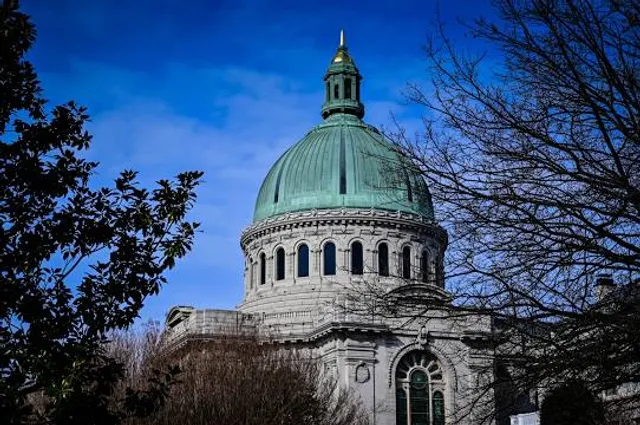
The Naval Academy Chapel
4.9
(308)
Open until 4:00 AM
Click for details
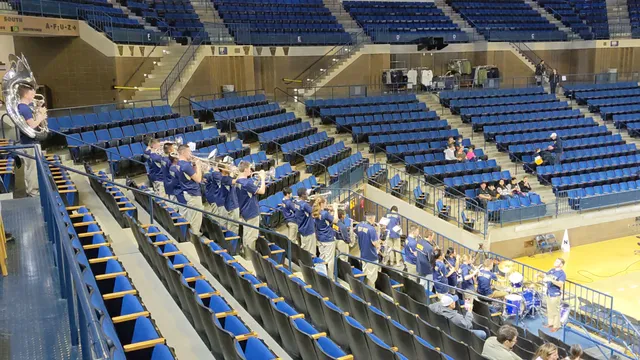
Alumni Hall
4.7
(136)
Open 24 hours
Click for details
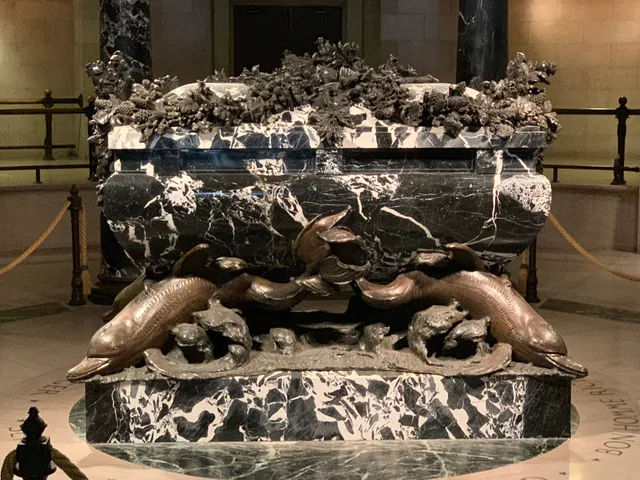
Crypt of John Paul Jones
4.7
(42)
Closed
Click for details
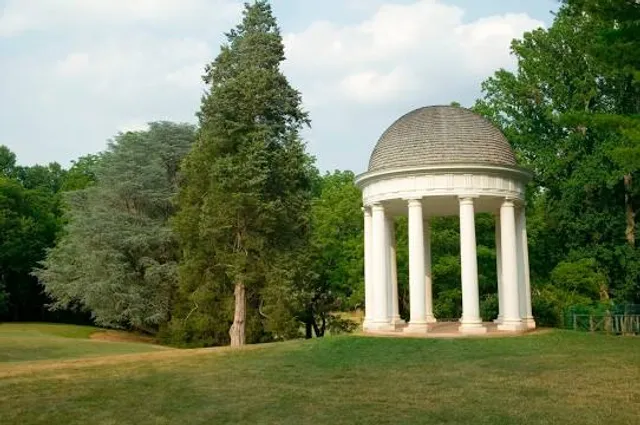
Hammond-Harwood House
4.8
(63)
Closed
Click for details
Nearby restaurants of U.S. Naval Academy Museum
Naval Academy Club
Naval Academy 1845 Coffee-Gatehouse
Galway Bay Irish Restaurant and Pub
Brown Mustache Coffee, LLC
The Alley Restaurant at the Naval Academy Club
Iron Rooster- Annapolis
McGarvey's
Harry Browne's Restaurant
Middleton Tavern
Drydock Restaurant

Naval Academy Club
4.7
(120)
Closed
Click for details
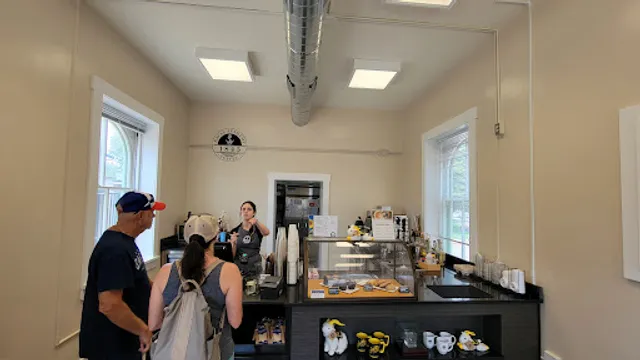
Naval Academy 1845 Coffee-Gatehouse
4.8
(17)
$
Closed
Click for details
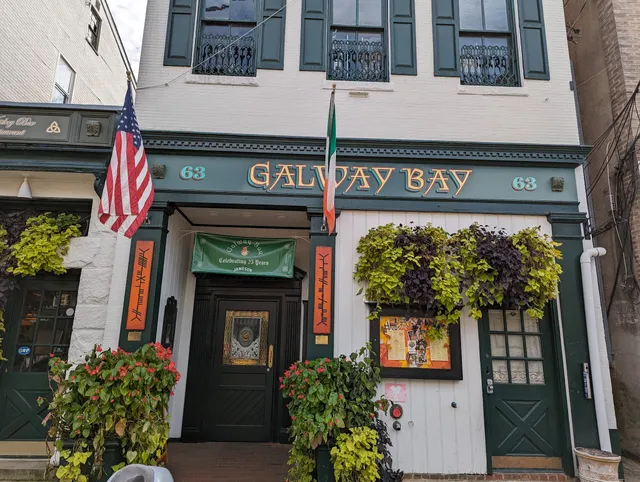
Galway Bay Irish Restaurant and Pub
4.7
(940)
$$
Open until 12:00 AM
Click for details
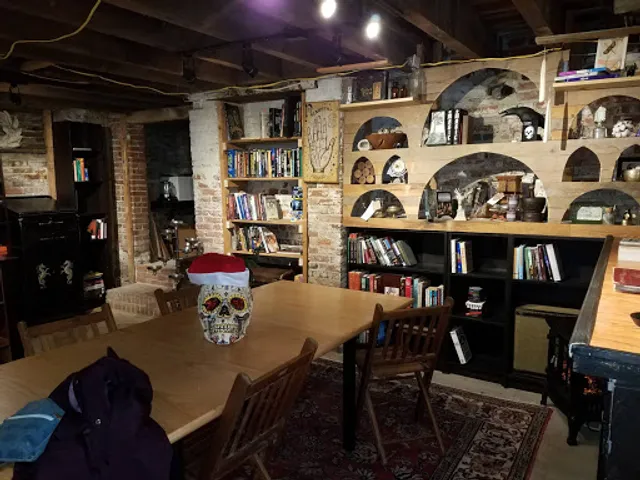
Brown Mustache Coffee, LLC
4.8
(202)
$
Closed
Click for details
Nearby local services of U.S. Naval Academy Museum
U.S. Naval Academy Museum
United States Naval Academy
United States Naval Academy
KA-CHUNK!! Records
Mahan Hall
Cupla
St. John's College
Silk Road Antiques
Evergreen Antiques & True Vintage
Cezanne Jewelers
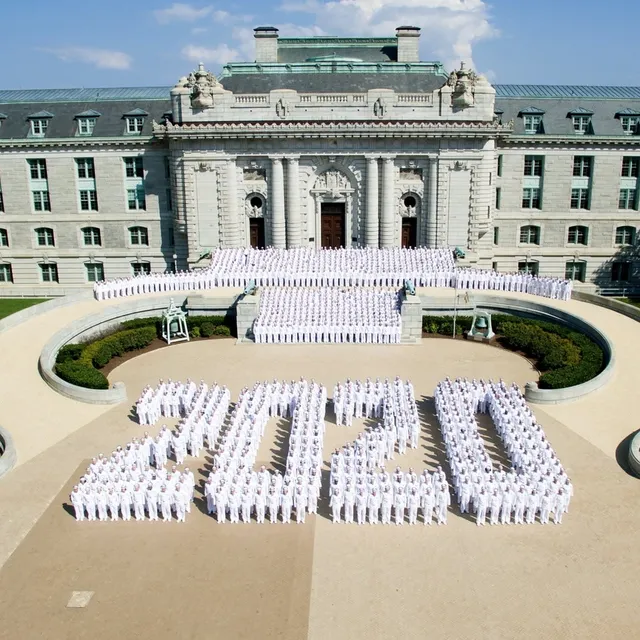
U.S. Naval Academy Museum
4.8
(412)
Click for details
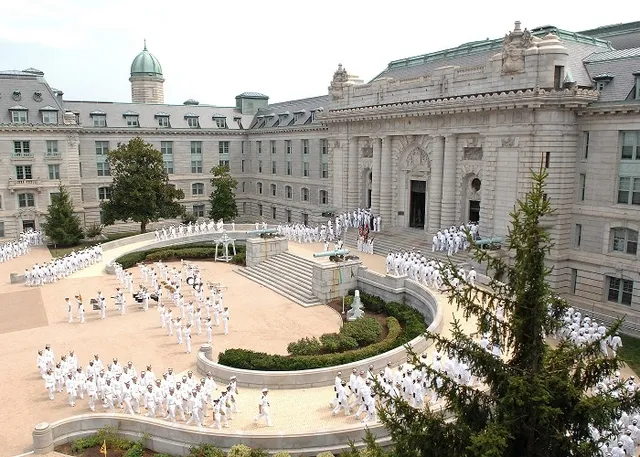
United States Naval Academy
4.7
(294)
Click for details
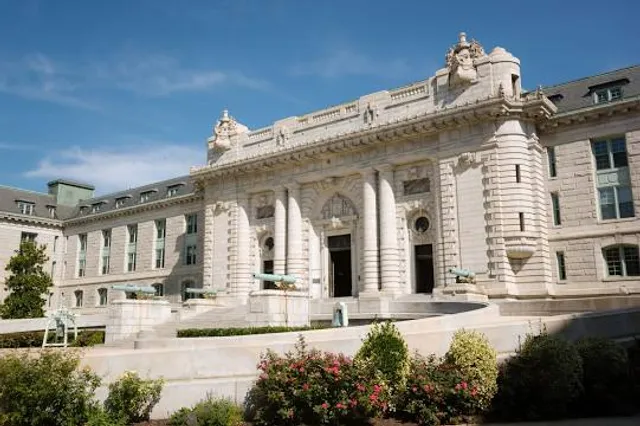
United States Naval Academy
4.7
(248)
Click for details
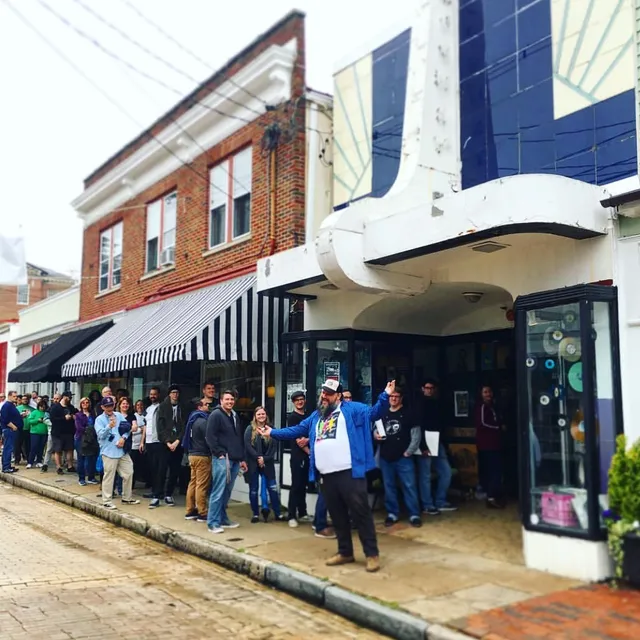
KA-CHUNK!! Records
4.7
(144)
Click for details