Sitka National Historical Park: A Journey Through History and Nature
Sitka National Historical Park offers a unique blend of rich cultural history and breathtaking natural beauty, making it an essential stop for any visitor to Sitka, Alaska. This compact yet impactful park provides an accessible and informative experience for all ages and fitness levels.
Park Overview and Practicalities Located within easy walking distance of downtown Sitka, the park is a testament to the intertwined histories of the Tlingit people and Russian colonization in Alaska. It is the site of the 1804 Battle of Sitka, a pivotal conflict between the Indigenous Kiks.ádi Tlingit and Russian traders.
Accessibility: The park's main trails are well-maintained, largely gravel-surfaced, and have minimal elevation change, making them suitable for strollers and wheelchairs. The visitor center is also fully accessible.
Cost: There is no entrance fee for Sitka National Historical Park, making it an excellent free activity in Sitka.
Getting There: As Sitka is only accessible by air or sea, most visitors arrive via cruise ship or the Alaska Marine Highway ferry. From the downtown area or cruise ship shuttle drop-off (often the Harrigan Centennial Center), the park is a pleasant, flat walk along Lincoln Street.
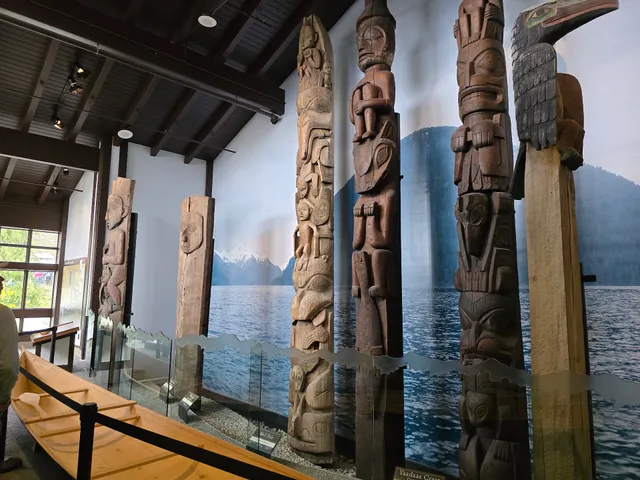
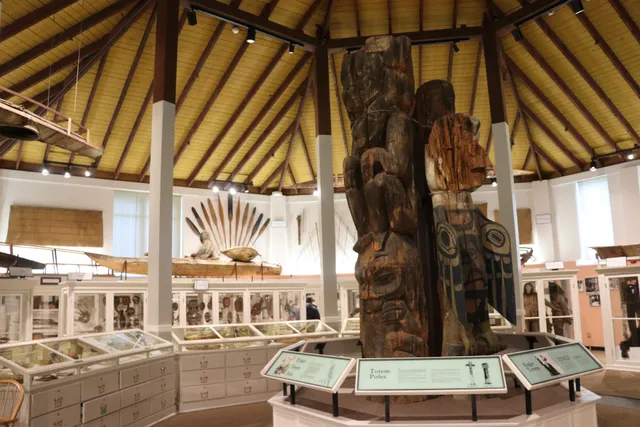
Visitor Center: The park's visitor center is a hub of information, offering exhibits on Tlingit culture and Russian American history. During the summer months, you can often witness local Alaska Native artists demonstrating traditional crafts like carving, weaving, and beading, providing a captivating glimpse into living cultural traditions.
The Scenic Walk: Totems, Rainforest, and River The park's highlight is its beautiful and informative trail system, primarily the Totem Trail and the adjacent Russian Memorial Loop, which together form a roughly 1.6-mile network. This easy walk immerses you in a lush temperate rainforest of towering Sitka spruce and Western hemlock trees.
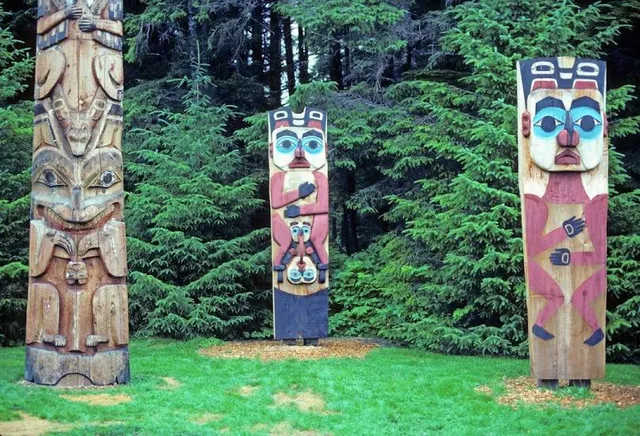
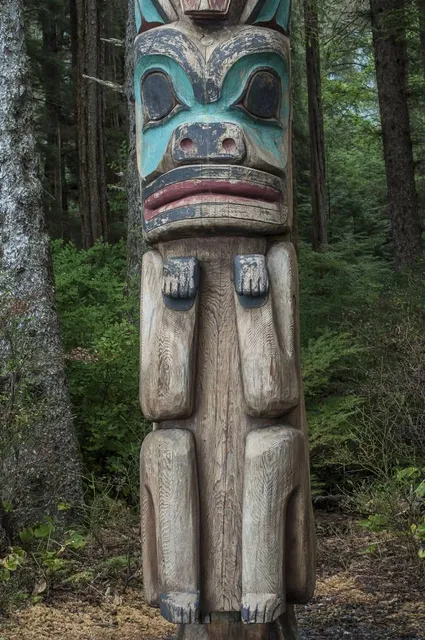
As you wander the path, you'll encounter a remarkable collection of Tlingit and Haida totem poles. These aren't just decorative; each pole tells a story – of clan ancestry, historical events, or traditional legends. Interpretive signs provide context for each pole, and many offer a self-guided cell phone tour where you can dial a number to hear narratives about the poles. It's a fascinating way to connect with the intricate artistry and rich oral traditions of Southeast Alaska Native cultures.
The trail also skirts the tranquil Indian River, a critical salmon spawning stream. Depending on the time of year (typically late July through September), you may witness salmon making their way upstream, which in turn attracts various wildlife.
History Comes Alive Beyond the totems, the park’s historical significance is palpable. The Russian Memorial Loop leads to the site of the Battle of 1804, where the Tlingit people bravely defended their fort against Russian forces. Plaques and markers explain the events of this significant conflict, allowing visitors to reflect on this crucial moment in Alaskan history. The restored Russian Bishop's House, one of the few surviving examples of Russian colonial architecture in North America, also offers guided tours (typically May-September) that provide further insight into Russian America.
Wildlife and Bear Safety While Sitka National Historical Park is an urban park, it's set within a natural environment, and bears are present in the area, particularly along the Indian River during salmon spawning season. The park actively monitors bear activity and uses an escalating alert system (Green, Yellow, Red) to inform visitors. "Green" means bears have been in the area (scat or tracks), "Yellow" or "Amber" indicates periodic fishing or encounters without incident, and "Red" means trails are closed due to consistent presence or...
Read moreSitka became our final destination for our tour of Alaska and it was a great way to end to trip. Sitka had little in comparison to the likes of Juneau and Skagway previously visited where these two towns seemed largely dependent upon tourists, Sitka did not.
We were only in town for a few hours but moving at pace enabled us to see some great highlights of Sitka. Starting out around the harbour we instantly got a feel for the place talking to a local fisherman catching salmon adjacent to the salmon spawning ground next door. This was an incredible sight watching thousands of salmon after spawning at the end of their life cycle preparing to die. A bald eagle even flew very close to us whilst at the harbour which was a spectacular sight.
Moving on we next went to the National Historical Park which had some great walks through through the woodlands. The woodland is home to numerous totem poles recovered from over the years and relocated for safe keeping here. What a great sight each one was and the stories attached to them. Continuing through the woods we were surrounded by the sea and the Indian river, the river like the harbour was full of salmon that had just spawned. Our timing was perfect as all other times of the year we wouldn’t have experienced this wonder of nature. This area also marks some of Sitka’s colourful history during the years of the Russian invasion and their habitation of the town.
Moving out of the National Park and across town we went to see the Russian cemetery that again acknowledges the towns past. There is even a Russian Princess laid to rest in here.
Generally within the town there are some lovely buildings and residential homes with a good range of shops for visitors to peruse.
All in all a pretty and authentic Alaskan town that is well worth...
Read moreThis stunning park is a haven for nature enthusiasts and art lovers alike. The lush, expansive landscape is filled with towering trees, offering shade and a serene environment for visitors. The air is fresh, filled with the sounds of chirping birds and rustling leaves, creating a perfect escape from the hustle and bustle of city life.
Wildlife thrives here, and the park is particularly known for its population of majestic bald eagles. These powerful birds can often be seen soaring above or perched high in the trees, their keen eyes scanning the ground below. The park's diverse ecosystem also supports a variety of other animals, making it a great spot for wildlife observation.
What truly sets this park apart is its rich display of Indigenous art. Throughout the park, you'll find intricately carved totems that stand as silent storytellers of the region’s Indigenous heritage. Each totem pole tells a story, representing the history, culture, and beliefs of the Indigenous peoples who have lived in the area for centuries. The craftsmanship is breathtaking, with each totem boasting vivid colors and detailed carvings that draw you in and invite contemplation.
As you walk through the park, you'll encounter scenic trails that wind through the trees, leading you to secluded spots where you can sit and reflect, surrounded by the beauty of nature and art. Whether you're here for a leisurely stroll, to admire the wildlife, or to connect with the cultural significance of the totems, this park offers a deeply...
Read more