International Museum of Surgical Science things to do, attractions, restaurants, events info and trip planning
Basic Info
International Museum of Surgical Science
1524 N Lake Shore Dr, Chicago, IL 60610
4.5(751)
Closed


tickets
Save
spot
spot
Ratings & Description
Info
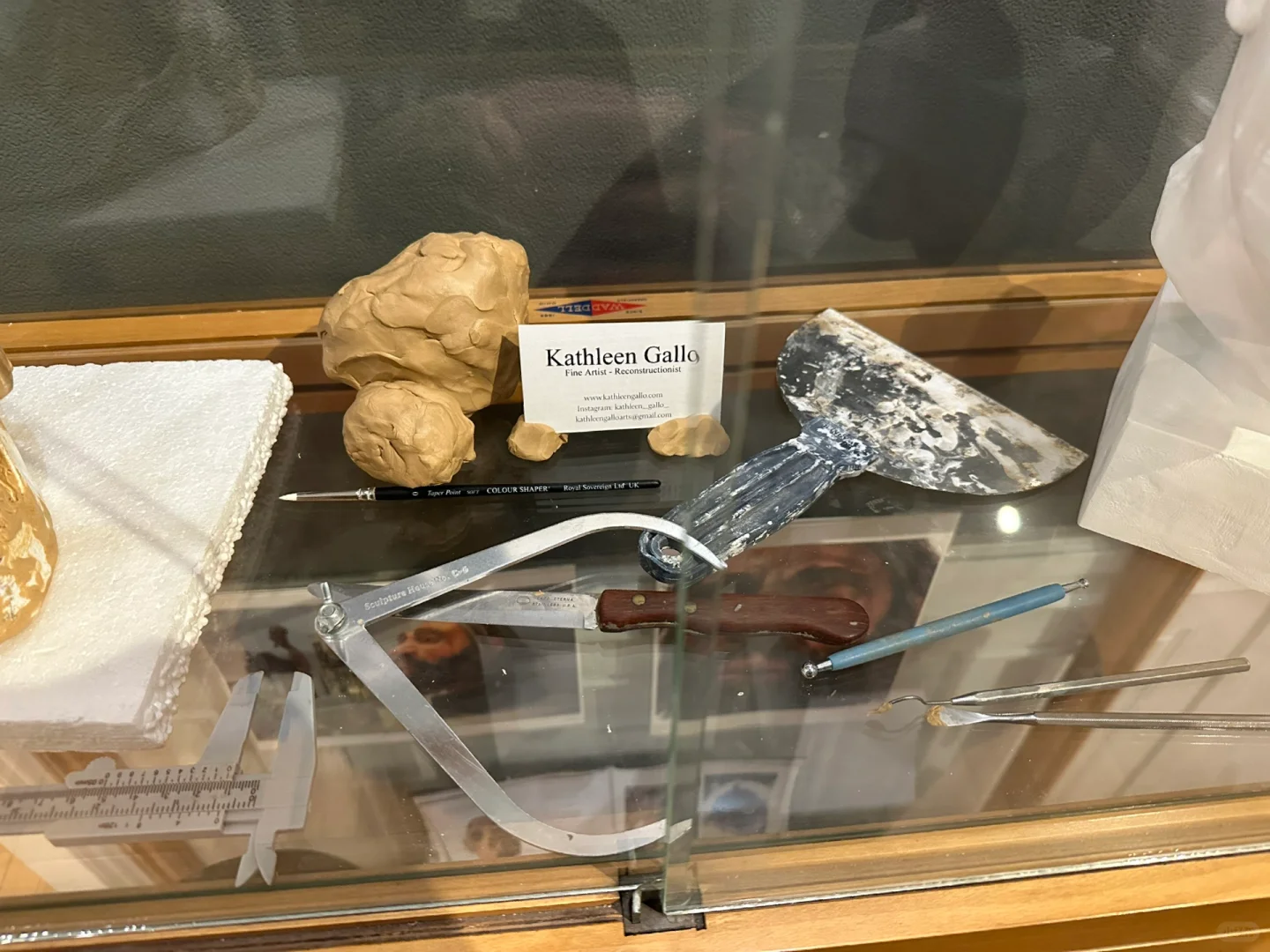
The International Museum of Surgical Science is a museum located in the Gold Coast neighborhood of Chicago, Illinois. It is operated by The International College of Surgeons and features exhibits dealing with various aspects of Eastern and Western medicine. It was founded by Dr. Max Thorek in 1954.
Cultural
Accessibility
Family friendly
attractions: Chicago History Museum, Charnley-Persky House Museum, Lincoln Park, Frances Willard Fountain - Fountain Girl, The Moody Church, Goudy (William) Square Park, The Concrete Beach, Abraham Lincoln The Man - Monument, North Avenue Beach, Children's Fountain, restaurants: Castaways Beach Club, Shore Club Chicago, Tiparos Thai Cuisine & Sushi Bar, 3 Arts Club Cafe at RH Chicago, PiniPico Coffee & Empanadas, The VIG Old Town, 3rd Coast Cafe, The Ambassador Room, Mario's Table, North & Clark Cafe, local businesses: Marianne Strokirk Salon, 1350-1360 Lake Shore Drive, Jet Ski Chicago, Chicago SUP, Lincoln Park North Avenue Beach South Volleyball Courts, RH Chicago | The Gallery at the Three Arts Club, 1300 N Lake Shore Drive Condo, Wintrust Bank, Pipers Alley Mall, Fudge Pot
 Learn more insights from Wanderboat AI.
Phone
(312) 642-6502
Website
imss.org
Open hoursSee all hours
Tue9:30 AM - 5 PMClosed
Plan your stay

Pet-friendly Hotels in Chicago
Find a cozy hotel nearby and make it a full experience.

Affordable Hotels in Chicago
Find a cozy hotel nearby and make it a full experience.

The Coolest Hotels You Haven't Heard Of (Yet)
Find a cozy hotel nearby and make it a full experience.

Trending Stays Worth the Hype in Chicago
Find a cozy hotel nearby and make it a full experience.
Reviews
Live events
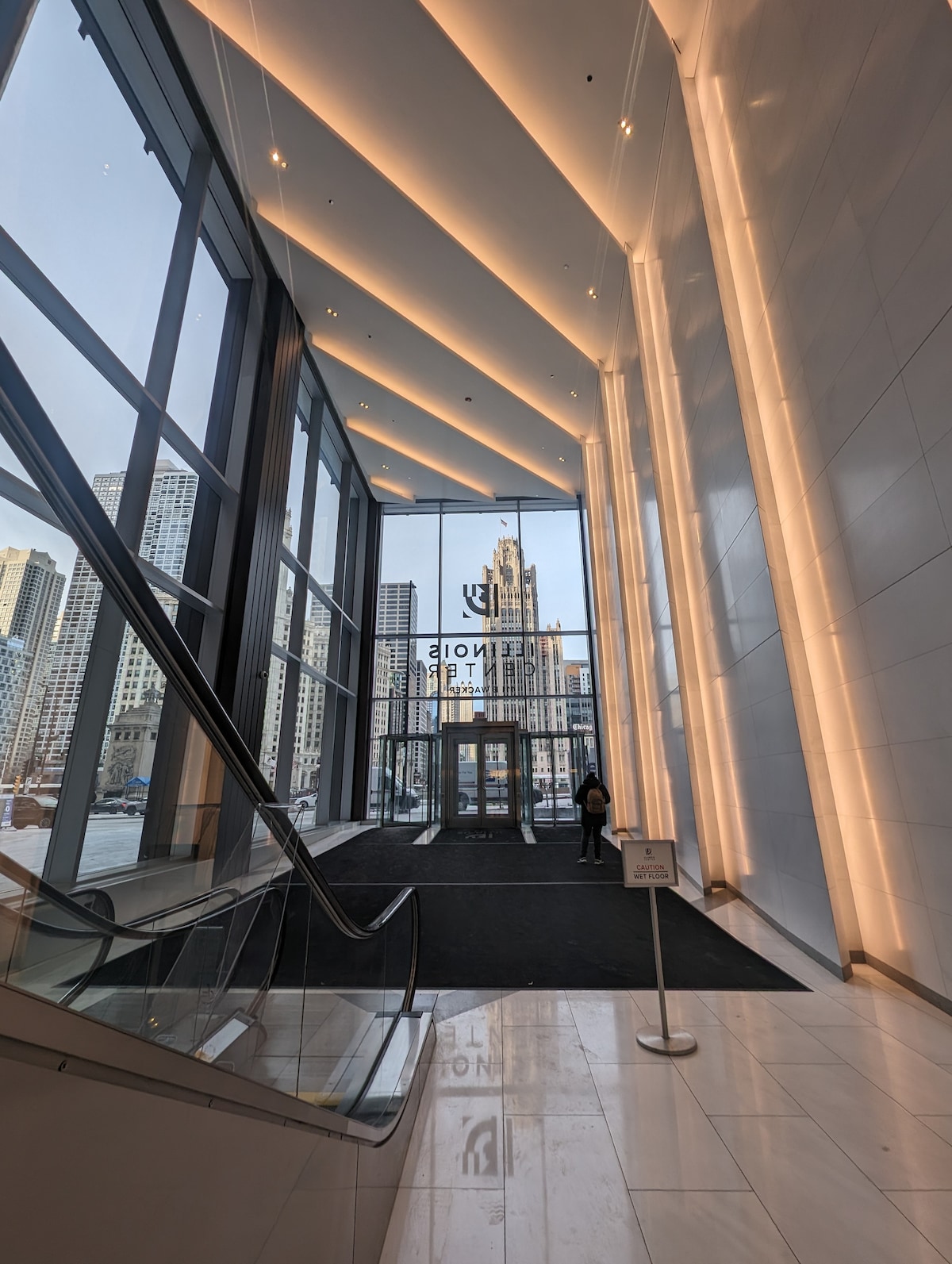
Chicago Underground Pedway & Secret Interiors Tour
Thu, Jan 29 • 2:00 PM
Chicago, Illinois, 60602
View details

Skip the Line at Art Institute
Thu, Jan 29 • 10:30 AM
Chicago, Illinois, 60603
View details
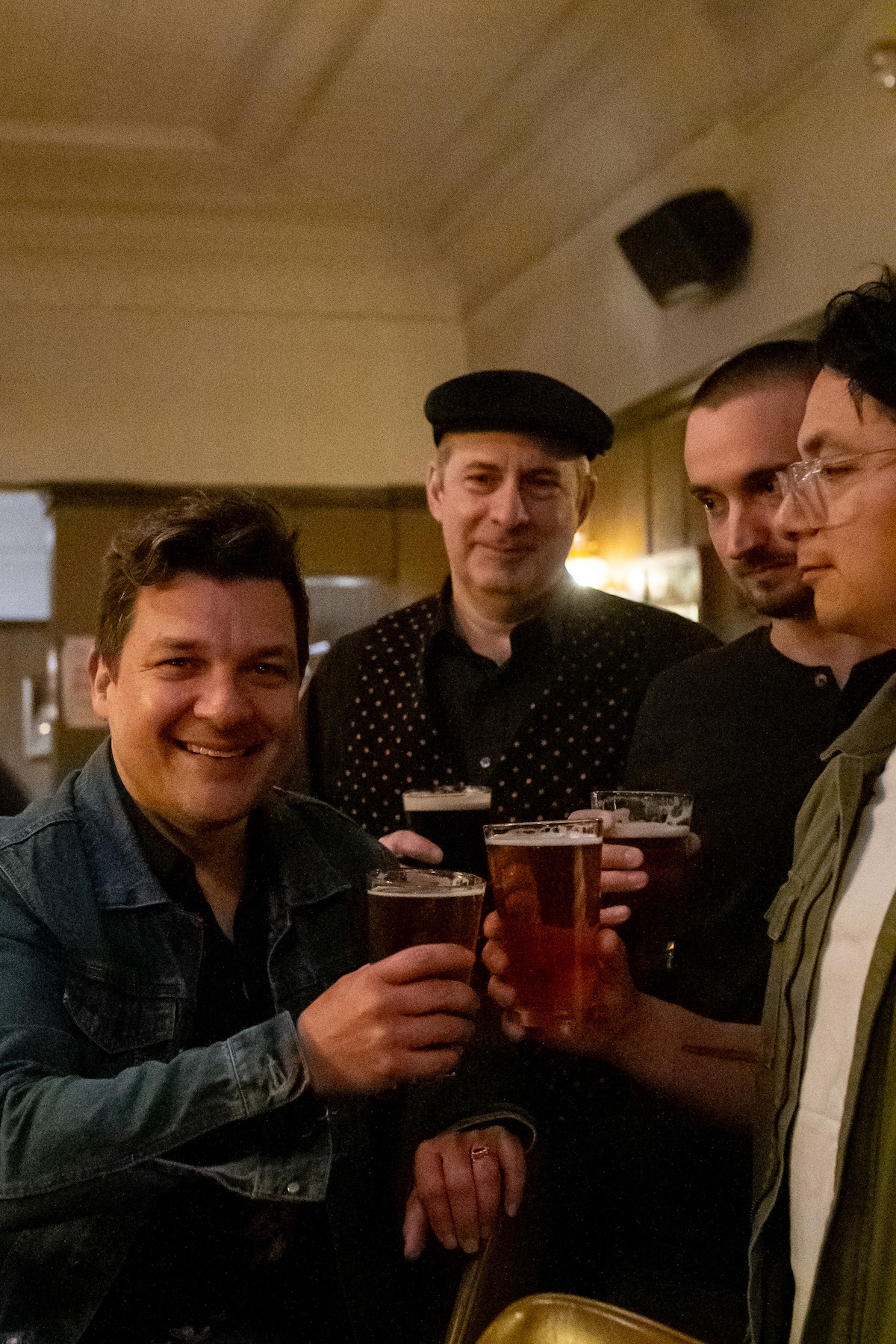
Explore Mid-Century Dive Bars in Ukrainian Village
Wed, Jan 28 • 8:00 PM
Chicago, Illinois, 60622, United States
View details
Nearby attractions of International Museum of Surgical Science
Chicago History Museum
Charnley-Persky House Museum
Lincoln Park
Frances Willard Fountain - Fountain Girl
The Moody Church
Goudy (William) Square Park
The Concrete Beach
Abraham Lincoln The Man - Monument
North Avenue Beach
Children's Fountain
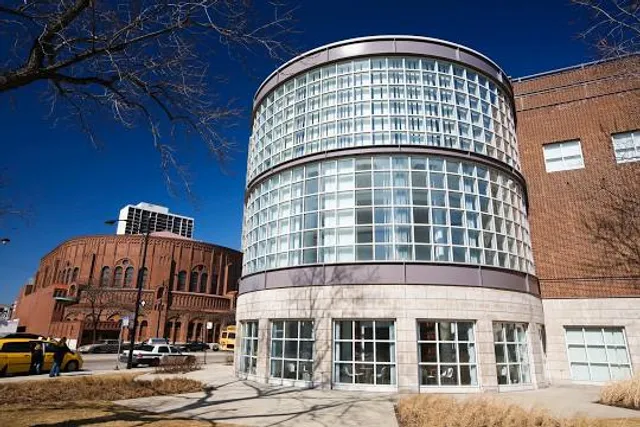
Chicago History Museum
4.6
(1.2K)
Closed
Click for details
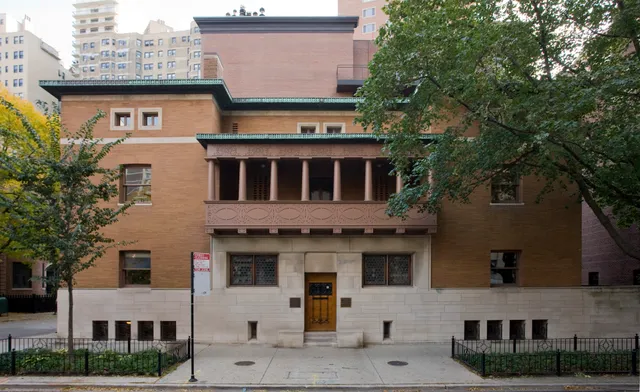
Charnley-Persky House Museum
4.7
(48)
Open until 12:00 AM
Click for details
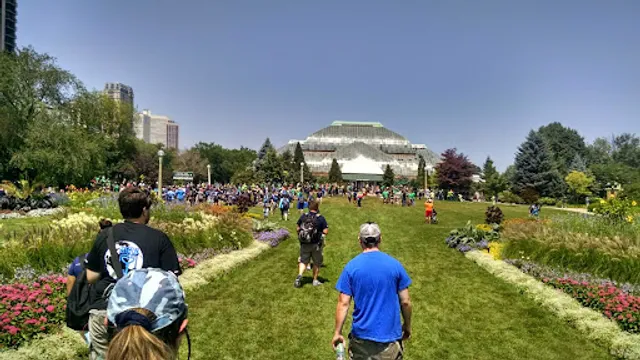
Lincoln Park
4.7
(8.5K)
Closed
Click for details
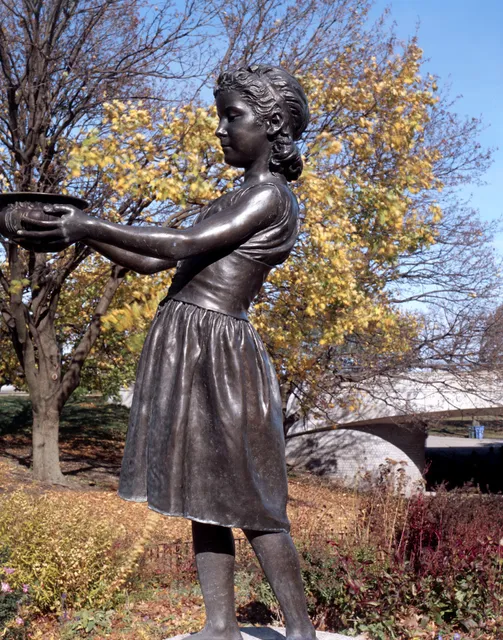
Frances Willard Fountain - Fountain Girl
4.6
(8)
Closed
Click for details
Nearby restaurants of International Museum of Surgical Science
Castaways Beach Club
Shore Club Chicago
Tiparos Thai Cuisine & Sushi Bar
3 Arts Club Cafe at RH Chicago
PiniPico Coffee & Empanadas
The VIG Old Town
3rd Coast Cafe
The Ambassador Room
Mario's Table
North & Clark Cafe
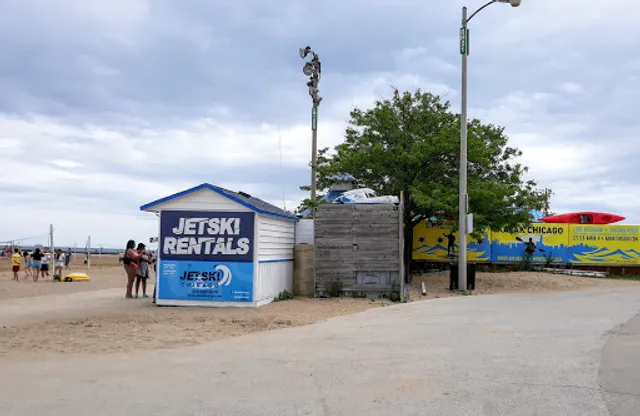
Castaways Beach Club
3.9
(345)
$$
Click for details
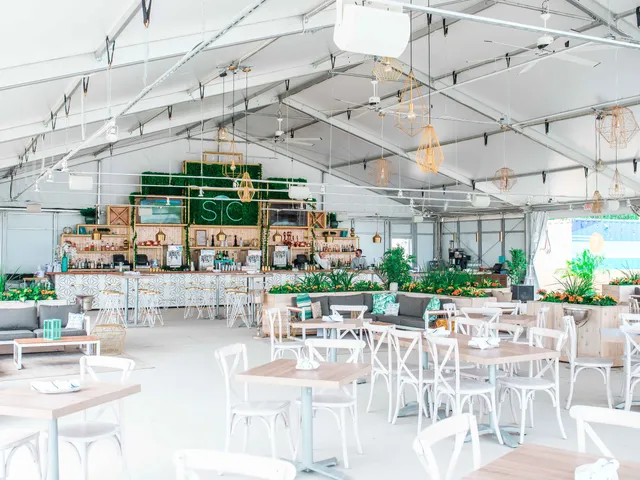
Shore Club Chicago
4.5
(1.1K)
$$$$
Click for details
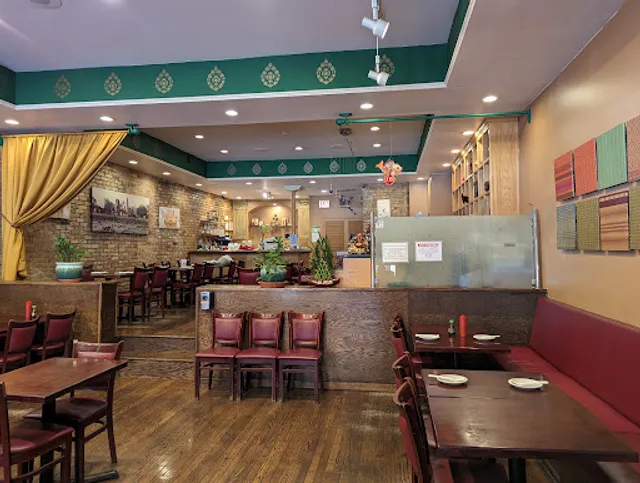
Tiparos Thai Cuisine & Sushi Bar
4.2
(230)
$$
Closed
Click for details
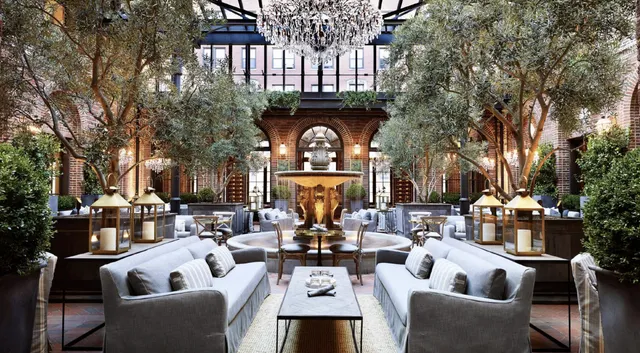
3 Arts Club Cafe at RH Chicago
4.6
(1.4K)
$$
Closed
Click for details
Nearby local services of International Museum of Surgical Science
Marianne Strokirk Salon
1350-1360 Lake Shore Drive
Jet Ski Chicago
Chicago SUP
Lincoln Park North Avenue Beach South Volleyball Courts
RH Chicago | The Gallery at the Three Arts Club
1300 N Lake Shore Drive Condo
Wintrust Bank
Pipers Alley Mall
Fudge Pot
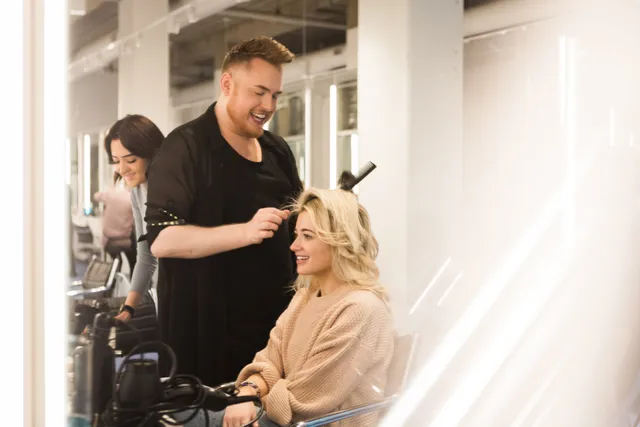
Marianne Strokirk Salon
4.8
(374)
Click for details
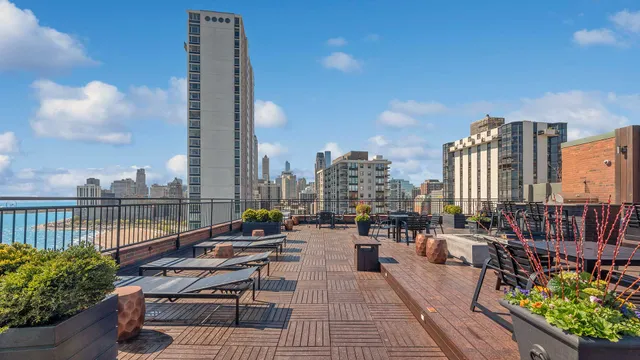
1350-1360 Lake Shore Drive
4.2
(28)
Click for details
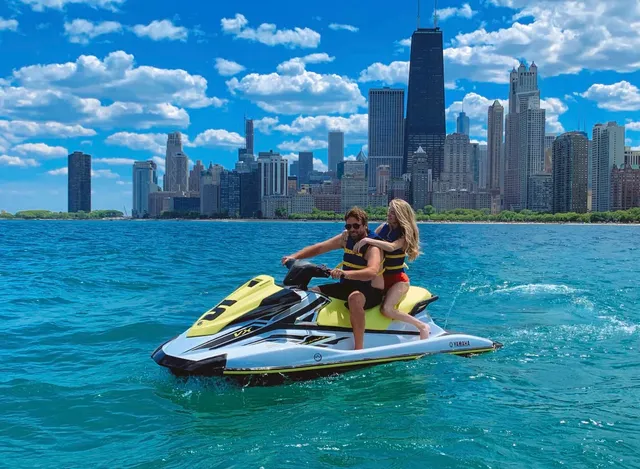
Jet Ski Chicago
4.1
(91)
Click for details

Chicago SUP
4.7
(53)
Click for details


The hit list
Plan your trip with Wanderboat
Welcome to Wanderboat AI, your AI search for local Eats and Fun, designed to help you explore your city and the world with ease.
Powered by Wanderboat AI trip planner.