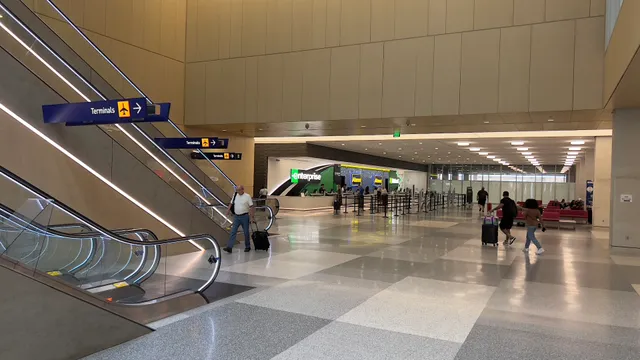
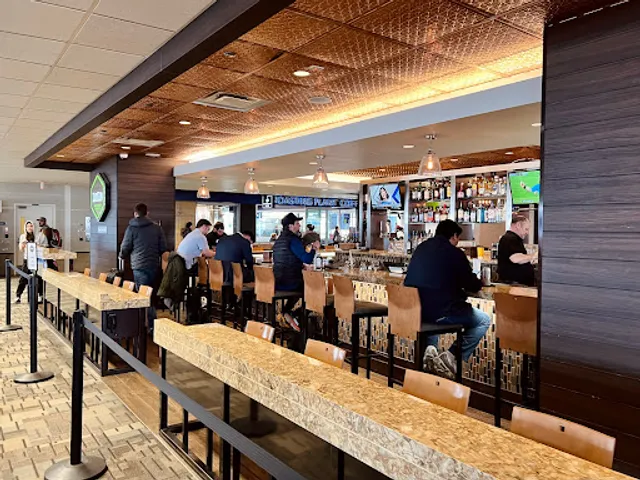
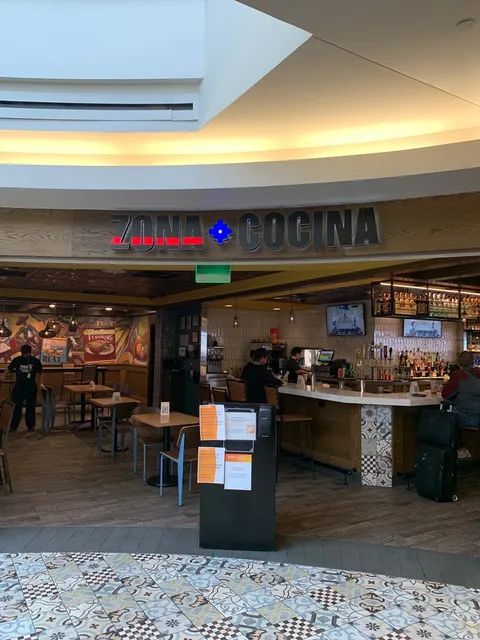
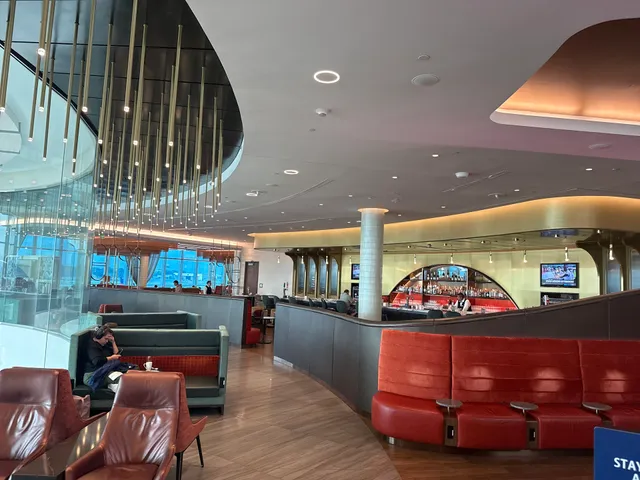
During my recent 5-hour layover at Minneapolis-Saint Paul International Airport, I was genuinely impressed by how the time flew by. As someone who loves to look at art and often spends hours in museums, I was pleasantly surprised to find that MSP felt almost like a mini museum and mall experience. It wasn’t your typical rushed, sterile airport environment—instead, it turned into a cultural adventure that made the wait feel like part of the journey.
Video Review will be posted on Tik Tok and Instagram soon @Foxyappetite
In depth review:
The art installations throughout the airport were a huge draw for me. Normally, I wouldn’t expect to get so caught up in airport art, but MSP really makes it easy to do so. It felt like I was walking through a living gallery. The exhibits are carefully curated, and the art is woven seamlessly into the fabric of the airport, not just stuck in random corners. I spent a considerable amount of time in Terminal 1, where “Star Seeds: The Stories Our Ancestors Leave Behind” captivated me with its mesmerizing blend of video, 3D animation, and healing sound, all exploring the rich depths of Indigenous cultural wisdom. Created by Missy Whiteman, it takes viewers through the changing seasons, connecting plant life, celestial constellations, and sacred lands of Minnesota. The experience is both visually stunning and deeply reflective, offering a powerful meditation on ancestry, life cycles, and cultural preservation. A moving and immersive journey through time and tradition.
I also had the pleasure of experiencing MSP Creates 2024: The Airport Community Art Show, an inspiring display that highlights the creativity of Minneapolis-St. Paul International Airport’s employees, volunteers, retirees, and their families. Now in its 14th year, the exhibition offers a unique glimpse into the diverse talents of the airport community, with artwork ranging from abstract paintings to photography. The show, supported by the National Arts Program, provides an open platform for artists of all skill levels, fostering a sense of connection and creativity.
The airport was bursting with art—everywhere you looked, even the bathrooms had murals! It’s a small detail, but it really added a unique touch to the experience. Normally, a bathroom break is just a quick stop, but here, the artwork on the walls made it feel like another stop on the art journey. As someone who loves museums, I didn’t mind taking the time to appreciate even these hidden corners of the airport. It made the whole visit feel like an immersive, unexpected exploration.
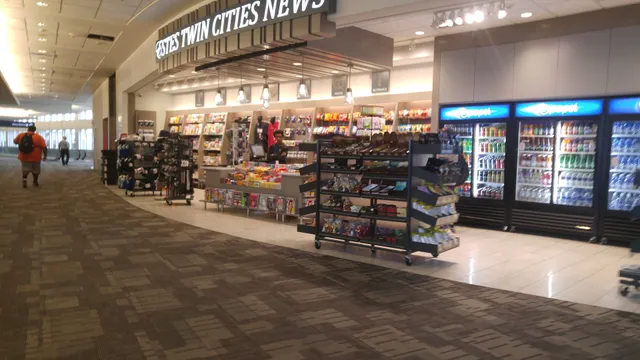
Of course, it wasn’t all art—there were some great shops, too. As a Prince fan, I couldn’t resist stopping by the Prince Store in Terminal 1. It’s a perfect tribute to the legendary Minneapolis artist, packed with albums, memorabilia, and unique merchandise. I ended up spending more time there than I planned, soaking in all the cool items and even walking away with a Prince t-shirt. It felt like an immersive experience, like I was really diving into the local culture.
Another gem was Frivolous, a quirky boutique that caught my eye with its playful and distinctive vibe. From locally crafted jewelry to colorful art pieces, it felt like a mini gallery in its own right. I ended up picking up a couple of fun souvenirs that felt special and unique to Minnesota.
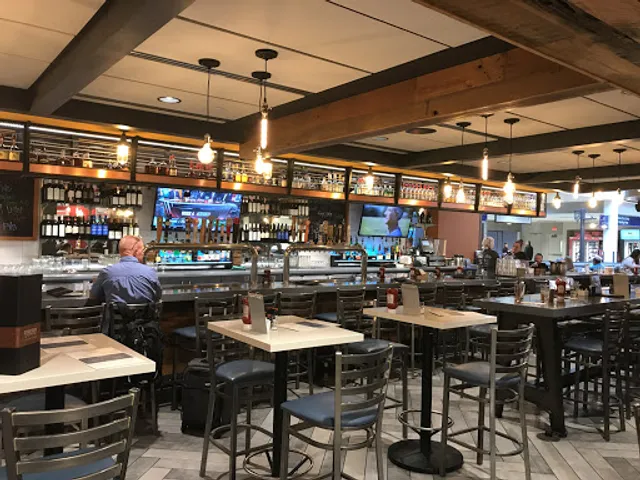
I also made sure to grab a bite to eat at Pizzeria Lola—the wood-fired pizza was perfect after all that browsing. The food, just like everything else at MSP, felt like a little taste of the Twin Cities. By the time I reached my gate, I was genuinely relaxed, almost wishing I had a few more hours to continue exploring.
So, if you ever find yourself with a long layover at MSP, take a cue from me and treat it like a museum visit. Between the art, the local stores, and the overall atmosphere, it’s far more than just an airport—it’s a cultural destination in its own right. And for art lovers like me, it’s the perfect way to turn a long layover into...
Read moreWhen Lyle George Landstrom designed Minneapolis-Saint Paul International Airport's Terminal 1 in 1962, he created something unexpectedly enduring: a concrete poem to flight that has aged into architectural grace. His folded plate roof—a sweeping concrete canopy that rises and falls like frozen wings—remains the airport's defining gesture sixty years later.
The $8.5 million terminal was built for a simpler era, when four million annual passengers seemed ambitious. Today, MSP serves nearly 40 million travelers yearly, yet Landstrom's original vision holds. The folded roof does more than shelter; it creates what airport documents call "directional quality," guiding passengers intuitively through space while allowing endless expansion at either end.
This is Jet Age architecture at its most thoughtful—less flashy than Eero Saarinen's TWA Terminal, more humane than the corporate boxes that followed. The two-story roadway system elegantly separates arrivals below from departures above, while hyperbolic paraboloid entrance canopies offer geometric shelter from Minnesota's unforgiving weather.
The airport's $3.1 billion transformation since 1996 has been architecturally respectful, even as it tripled capacity. Cerny Associates' 1970s expansions and the Architectural Alliance's 2002 additions maintain the original's modernist discipline. The recent InterContinental Hotel by RSP Architects extends the vocabulary with its "folded curtain" glass facade that echoes both the terminal's geometry and Minnesota's legendary lakes through shimmering LED lighting.
But MSP's true architectural achievement isn't formal—it's cultural. This is an airport that understands place. Virginia slate with iron ore streaks nods to Minnesota's mining heritage. The towering Prince mural by Rock Martinez transforms a utilitarian tram level into pilgrimage space. Therapy dogs roam concourses like living amenities. The Aurora installation turns departures into interactive theater.
Even the building's location tells a story: situated in "Fort Snelling Unorganized Territory," MSP belongs to no city, existing in architectural limbo that somehow makes it more purely itself—a threshold space for a threshold building.
The airport's recent accolades—J.D. Power's #1 rating, the world's most punctual operations—suggest that good architecture and operational excellence aren't mutually exclusive. MSP proves that airports can be both efficient machines and meaningful places.
Yet shadows linger. Terminal 1's dedication to Charles Lindbergh grows more troubling as his Nazi sympathies and anti-Semitic views become impossible to ignore. Architecture, like history, demands honest reckoning.
Still, walking through MSP feels less like navigating infrastructure than inhabiting a particularly generous civic space. Landstrom's folded roof creates pockets of intimacy within vastness, while successive additions have layered on amenities that feel authentically Minnesotan rather than generically global.
In an era of increasingly commodified airports, MSP offers something rarer: architecture that serves both function and soul, creating what the best modernism always promised—spaces that make ordinary experiences feel extraordinary. Here, even departure feels...
Read moreMinneapolis–Saint Paul International Airport (MSP) is a major airport serving the Twin Cities of Minneapolis and Saint Paul in Minnesota. It's a significant hub for both domestic and international flights and is consistently ranked among the best airports in North America for its efficiency and traveler amenities.
Key Facts:
Terminals: MSP has two terminals: Terminal 1 - Lindbergh: The larger of the two, it handles the majority of flights and is home to Delta Air Lines, which has a significant hub there, along with other airlines. Terminal 2 - Humphrey: This terminal primarily serves low-cost carriers like Southwest Airlines, Sun Country Airlines, and some international flights.
Airlines: Delta Air Lines is the dominant carrier at MSP, operating a large number of domestic and international flights. Other major airlines, including American Airlines, United Airlines, Southwest Airlines, and JetBlue, also operate from MSP.
Passenger Traffic: MSP serves over 30 million passengers annually, making it one of the busiest airports in the United States.
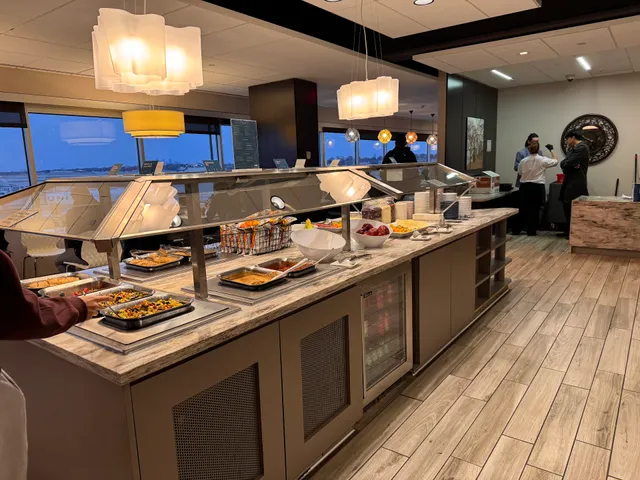
Facilities: The airport is known for its wide range of amenities, including diverse dining options, shopping, art installations, and services like free Wi-Fi, business centers, and children’s play areas. There are also numerous lounges, including Delta Sky Club lounges in Terminal 1.
Transportation: MSP is well-connected to the Twin Cities via the METRO Blue Line light rail, which links the airport to downtown Minneapolis and other parts of the metro area. Taxis, ride-sharing services, and shuttle buses are also available, along with car rental services.
Notable Features: Runways: MSP has four runways, allowing it to handle a high volume of air traffic, including large international flights.
Recognition: The airport consistently ranks high in customer satisfaction surveys, particularly for its cleanliness, ease of navigation, and range of services.
Sustainability Initiatives: MSP has several environmental programs, including efforts to reduce waste, conserve energy, and improve air quality. The airport also has an on-site solar power facility and other green initiatives.
Security and Customs: TSA Security: The Transportation Security...
Read more