Mosaic Templars Cultural Center things to do, attractions, restaurants, events info and trip planning
Basic Info
Mosaic Templars Cultural Center
501 W 9th St, Little Rock, AR 72201
4.8(244)
Open 24 hours
Save
spot
spot
Ratings & Description
Info
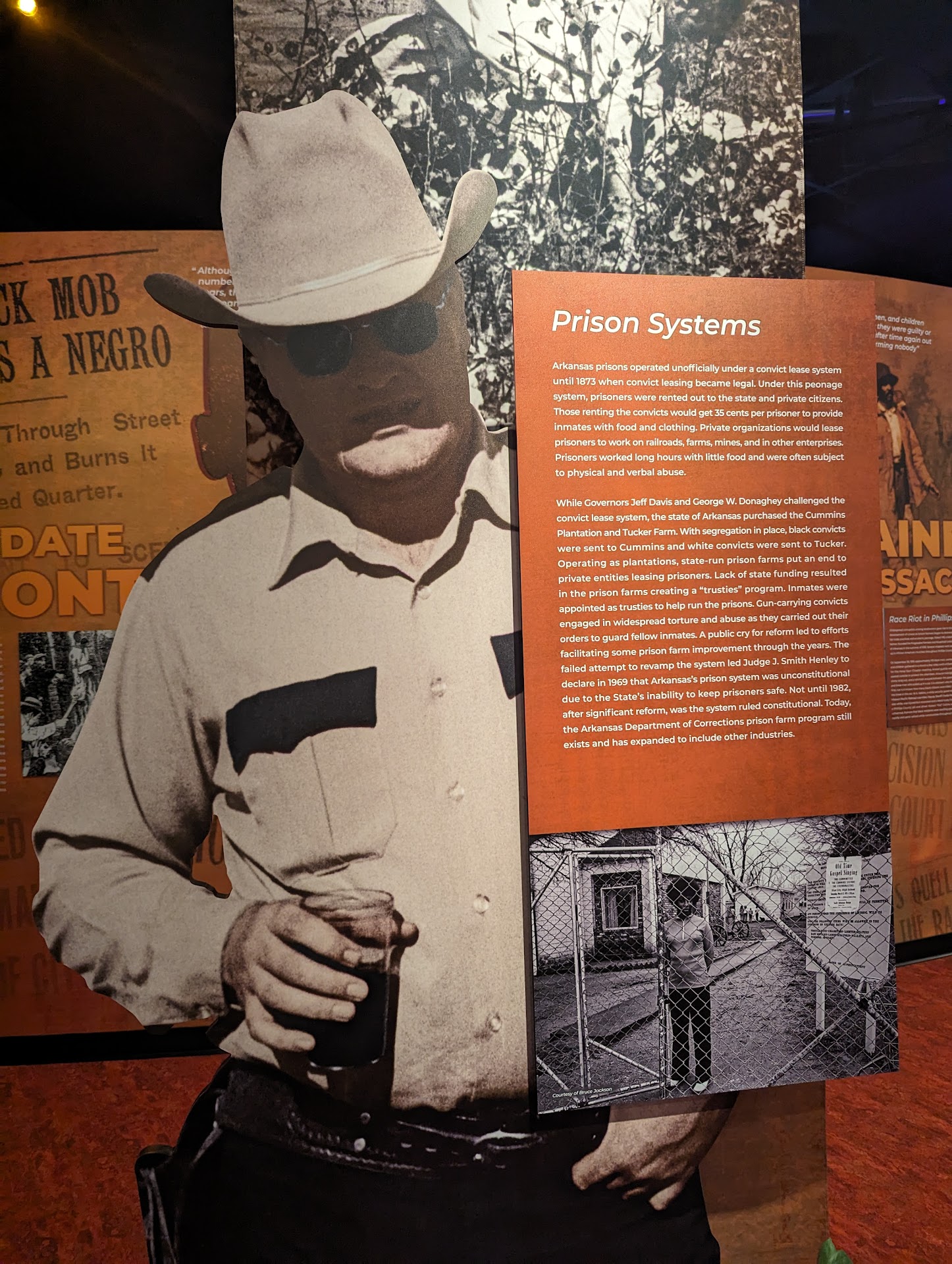
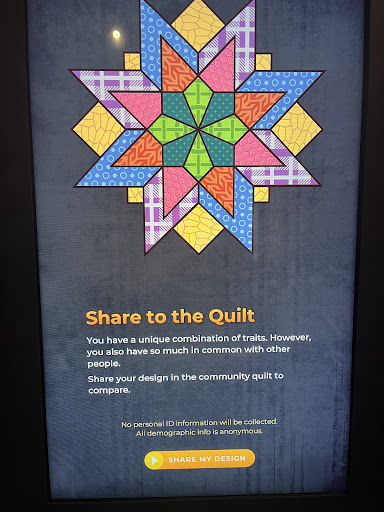
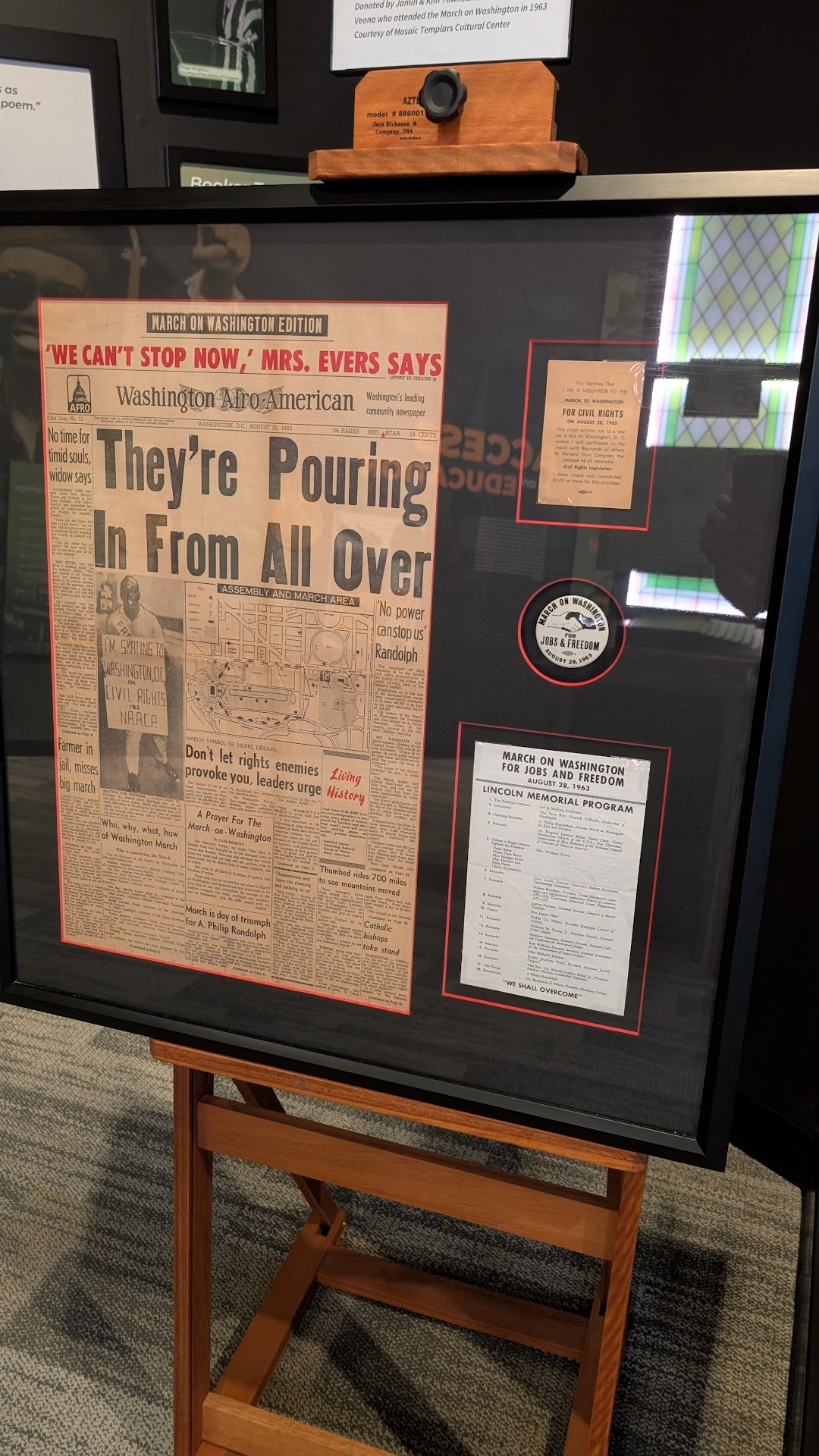
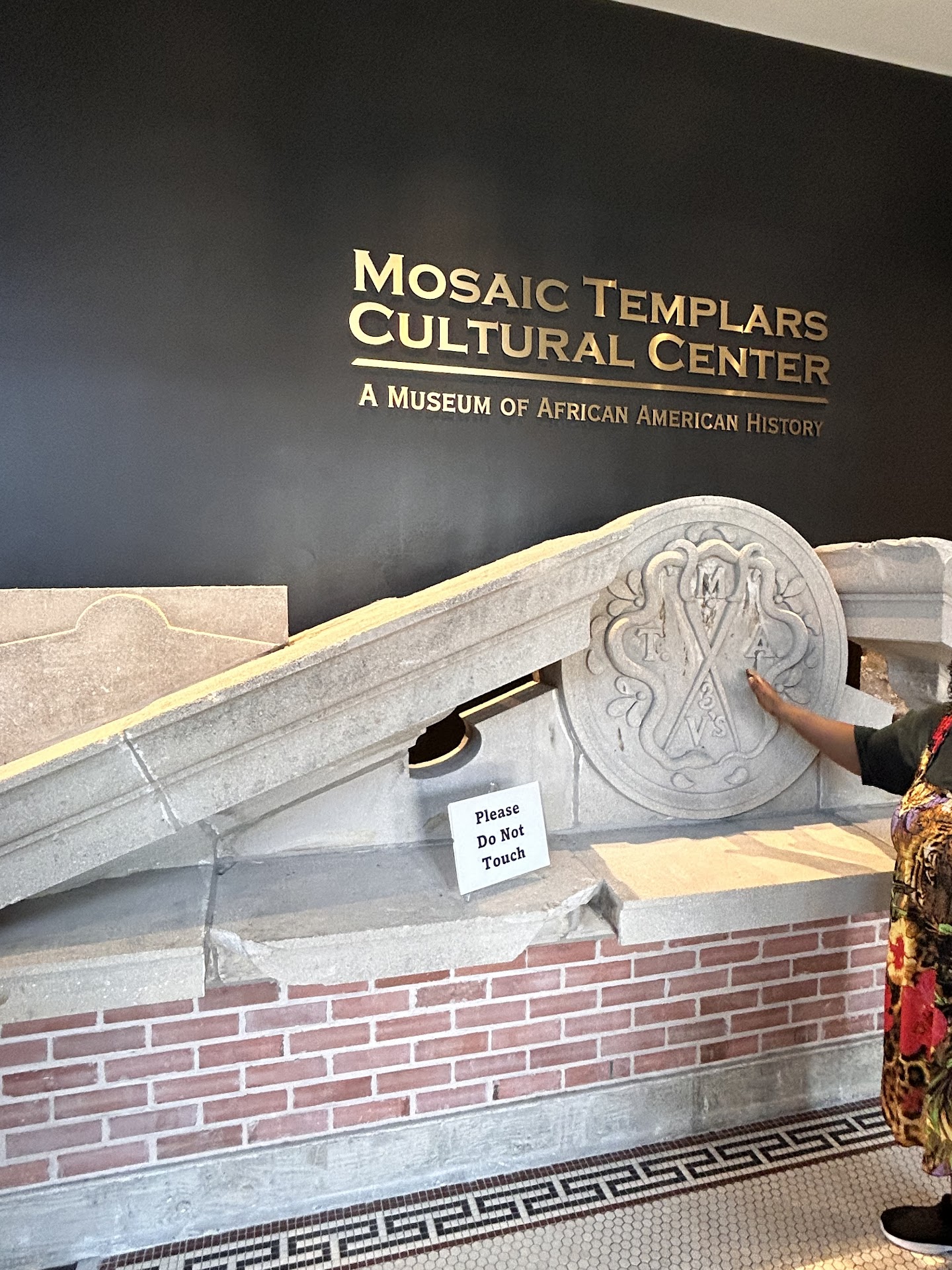
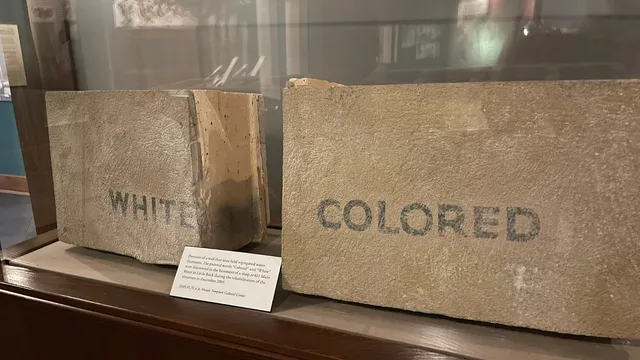
The Mosaic Templars Cultural Center is a nationally-accredited, world-class Department of Arkansas Heritage Museum and Cultural Center in Little Rock, Arkansas, United States.
Cultural
Family friendly
Accessibility
attractions: The Studio Theatre, Mt. Holly Cemetery, Arkansas Repertory Theatre, Downtown Little Rock, Arkansas, Rock Town Distillery, Downtown Little Rock Partnership, Weekend Theater, M2 Gallery, The Bernice Garden, Philander Smith University, restaurants: Popeyes Louisiana Kitchen, Starbucks Coffee Company, Wendy's, Rally's, New Fun Ree, Taco Bell, Green Leaf Grill, Larry's Pizza - Downtown, Bark Bar, McDonald's, local businesses: 7th Street Salon, Bella Vita Jewelry & Gifts, ART Outfitters, Handle Barbershop, Refrigeration & Electric Supply, A/V Arkansas Inc, Federal Building, DF HOMSY DIAMONDS, Oak Forest Vintage, Perks and Re-creation
 Learn more insights from Wanderboat AI.
Phone
(501) 683-3593
Website
arkansasheritage.com
Plan your stay

Pet-friendly Hotels in Little Rock
Find a cozy hotel nearby and make it a full experience.

Affordable Hotels in Little Rock
Find a cozy hotel nearby and make it a full experience.

The Coolest Hotels You Haven't Heard Of (Yet)
Find a cozy hotel nearby and make it a full experience.

Trending Stays Worth the Hype in Little Rock
Find a cozy hotel nearby and make it a full experience.
Reviews
Live events

Revive Little Rock!
Thu, Jan 29 • 7:00 PM
201 South Shackleford Road Little Rock, AR 72211
View details
Little Rock Murder Mystery: Solve the case!
Thu, Jan 1 • 12:00 AM
500 Woodlane St, Little Rock, AR 72201, USA, 72201
View details

Baby Ballet
Mon, Jan 26 • 10:00 AM
4800 West 10th Street, Little Rock, AR, United States, Arkansas 72204
View details
Nearby attractions of Mosaic Templars Cultural Center
The Studio Theatre
Mt. Holly Cemetery
Arkansas Repertory Theatre
Downtown Little Rock, Arkansas
Rock Town Distillery
Downtown Little Rock Partnership
Weekend Theater
M2 Gallery
The Bernice Garden
Philander Smith University
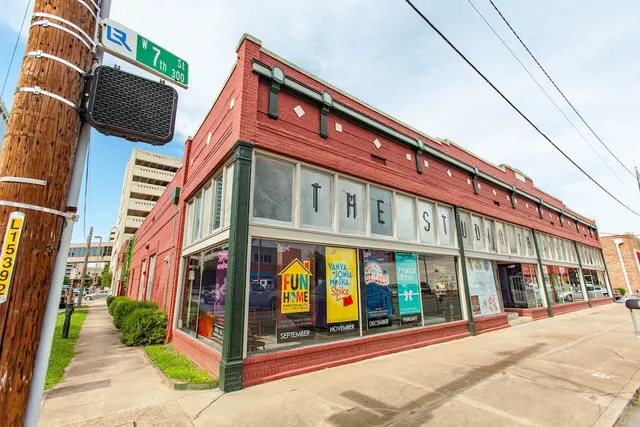
The Studio Theatre
4.8
(89)
Open 24 hours
Click for details
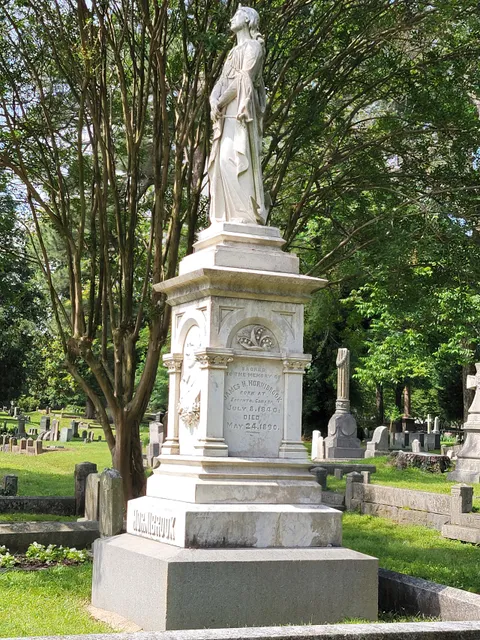
Mt. Holly Cemetery
4.7
(17)
Closed
Click for details
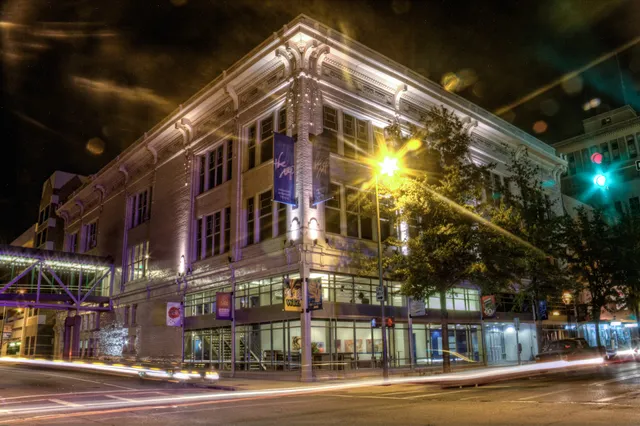
Arkansas Repertory Theatre
4.7
(233)
Open 24 hours
Click for details
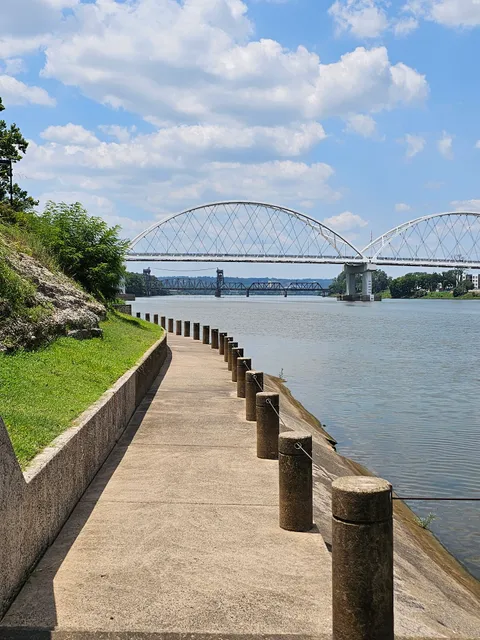
Downtown Little Rock, Arkansas
4.5
(25)
Open until 12:00 AM
Click for details
Nearby restaurants of Mosaic Templars Cultural Center
Popeyes Louisiana Kitchen
Starbucks Coffee Company
Wendy's
Rally's
New Fun Ree
Taco Bell
Green Leaf Grill
Larry's Pizza - Downtown
Bark Bar
McDonald's
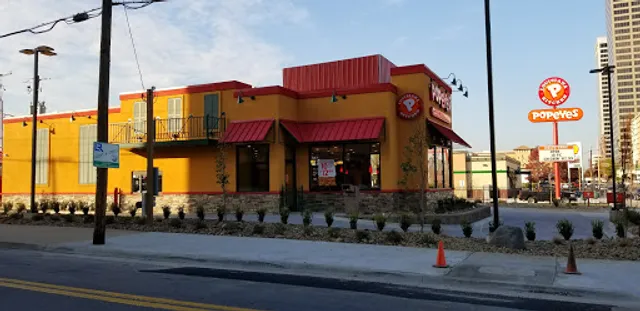
Popeyes Louisiana Kitchen
3.9
(589)
$
Open until 12:00 AM
Click for details
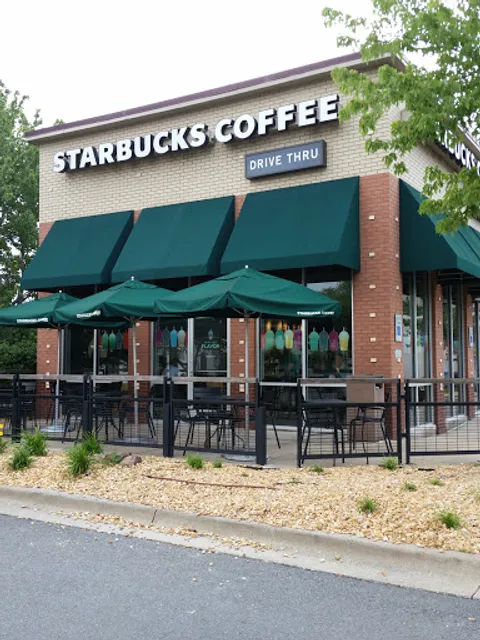
Starbucks Coffee Company
4.2
(593)
$
Closed
Click for details
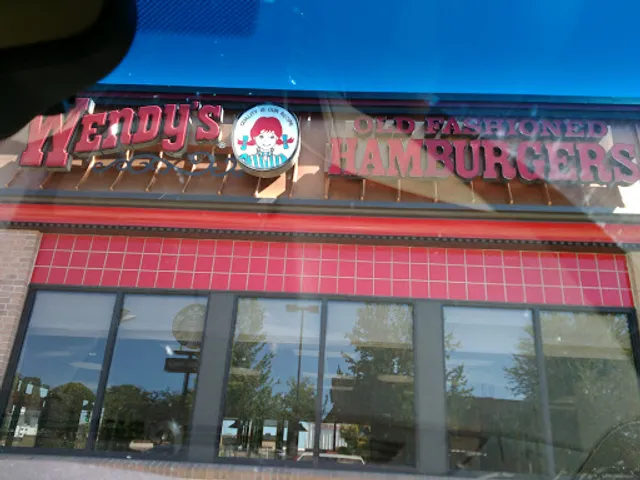
Wendy's
3.7
(746)
$
Open until 12:00 AM
Click for details
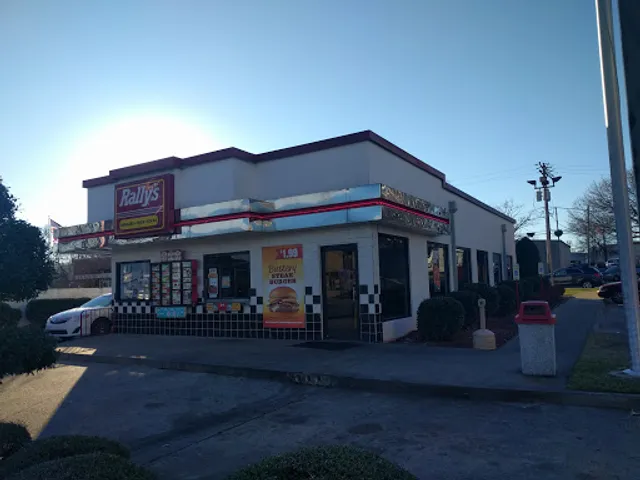
Rally's
3.5
(697)
$
Open until 1:00 AM
Click for details
Nearby local services of Mosaic Templars Cultural Center
7th Street Salon
Bella Vita Jewelry & Gifts
ART Outfitters
Handle Barbershop
Refrigeration & Electric Supply
A/V Arkansas Inc
Federal Building
DF HOMSY DIAMONDS
Oak Forest Vintage
Perks and Re-creation

7th Street Salon
4.8
(48)
Click for details

Bella Vita Jewelry & Gifts
4.9
(215)
Click for details
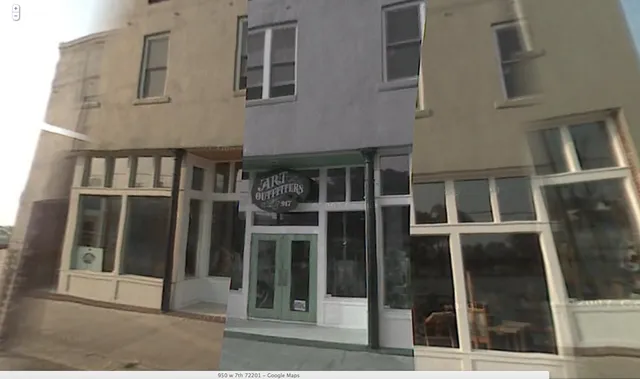
ART Outfitters
4.9
(111)
Click for details

Handle Barbershop
4.8
(205)
Click for details


The hit list



Plan your trip with Wanderboat
Welcome to Wanderboat AI, your AI search for local Eats and Fun, designed to help you explore your city and the world with ease.
Powered by Wanderboat AI trip planner.