Duelling Oak things to do, attractions, restaurants, events info and trip planning
Basic Info
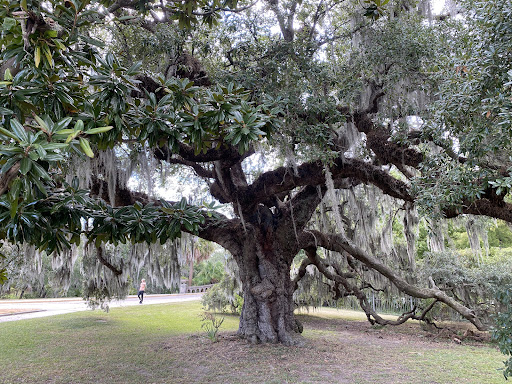
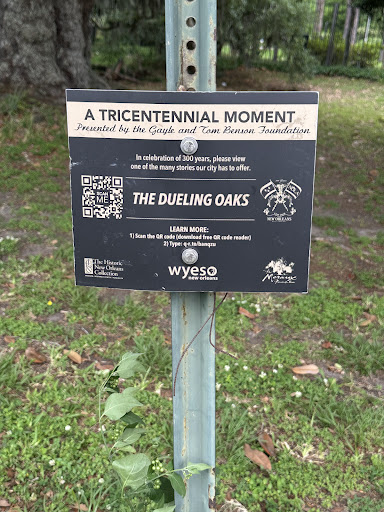
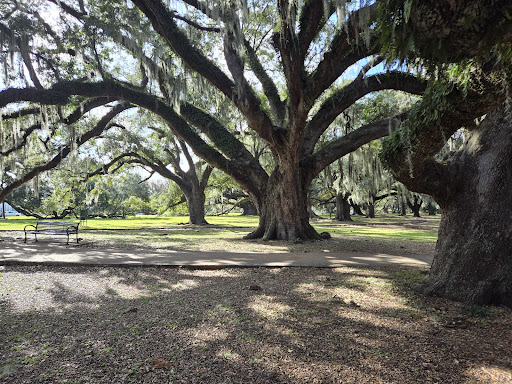
Duelling Oak
29591 Dreyfous Dr, New Orleans, LA 70119
4.8(36)
Open 24 hours
Save
spot
spot
Ratings & Description
Info
Outdoor
Scenic
attractions: Sydney and Walda Besthoff Sculpture Garden, New Orleans Museum of Art, McDonogh Oak, New Orleans Botanical Garden, Pavilion of the Two Sisters, Stanley Ray Playground, Storyland, Louisiana Children's Museum, The Singing Oak, Carousel Gardens Amusement Park, restaurants: Café Du Monde – City Park, Cafe NOMA, Ralph's on the Park, Blue Oak BBQ, Toups Meatery, Pandora's Snowballs, Acorn: A Dickie Brennan & Co. Cafe, Parkview Tavern, The Bean Gallery, Steeles Cafe Nola, local businesses: NOMA Museum Shop, City Putt Miniature Golf Course, Wheel Fun Rentals | New Orleans City Park on Big Lake, The Helis Foundation Enrique Alférez Sculpture Garden, Owen/Butler Memorial Fountain, Crescent City Farmers Market - City Park, Museum of Art, City Park Carousel, Le Parc Salon, Winn-Dixie
 Learn more insights from Wanderboat AI.
Plan your stay

Pet-friendly Hotels in New Orleans
Find a cozy hotel nearby and make it a full experience.

Affordable Hotels in New Orleans
Find a cozy hotel nearby and make it a full experience.

The Coolest Hotels You Haven't Heard Of (Yet)
Find a cozy hotel nearby and make it a full experience.

Trending Stays Worth the Hype in New Orleans
Find a cozy hotel nearby and make it a full experience.
Reviews
Live events
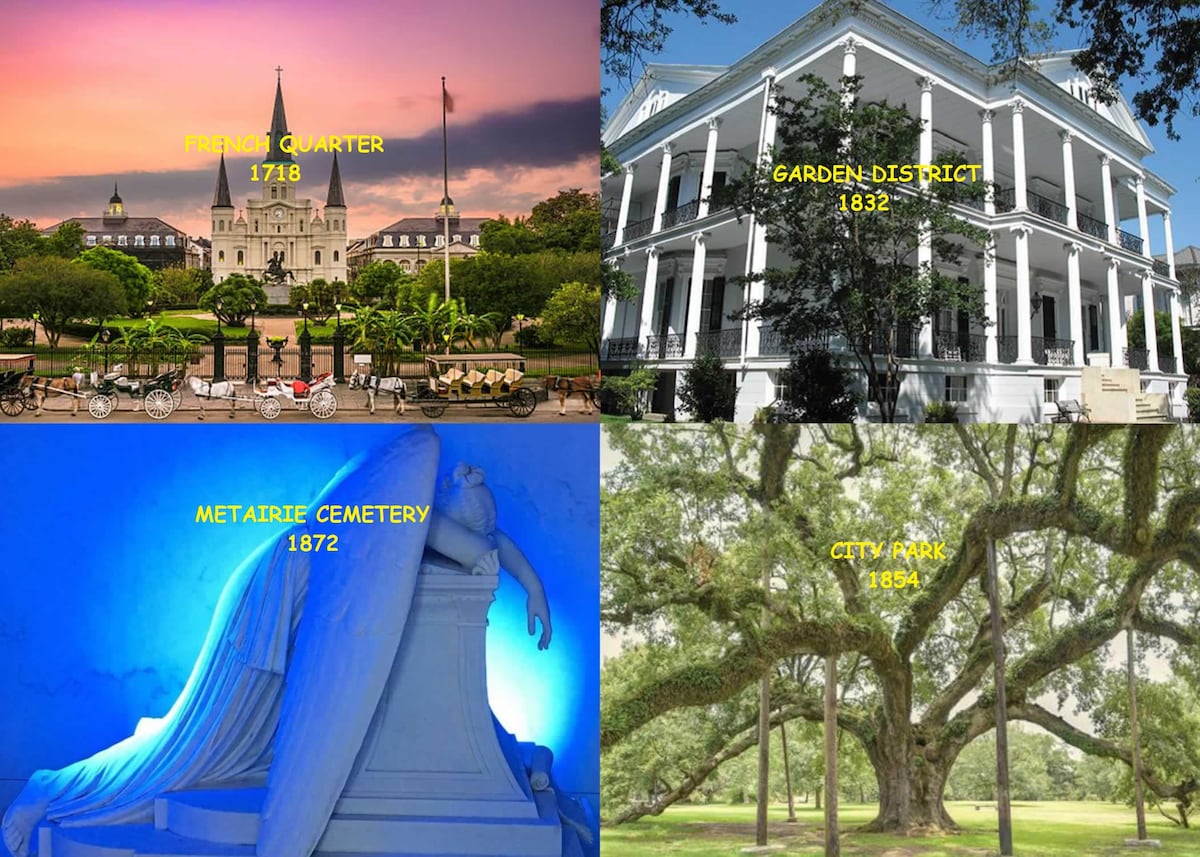
NOLAs Big 4 Private Tour-No Ghosts, Only Facts
Tue, Feb 10 • 12:30 PM
New Orleans, Louisiana, 70124
View details

Krewe of MACs 9th Annual Mardi Gras Ball
Sat, Feb 7 • 8:30 PM
4545 Williams Boulevard Kenner, LA 70065
View details

*LOVERS AND FRIENDS* R&B LOUNGE - MARDI GRAS EDITION @ THE NEW ‘O’ BAR
Fri, Feb 6 • 8:33 PM
141 North Carrollton Avenue New Orleans, LA 70119
View details
Nearby attractions of Duelling Oak
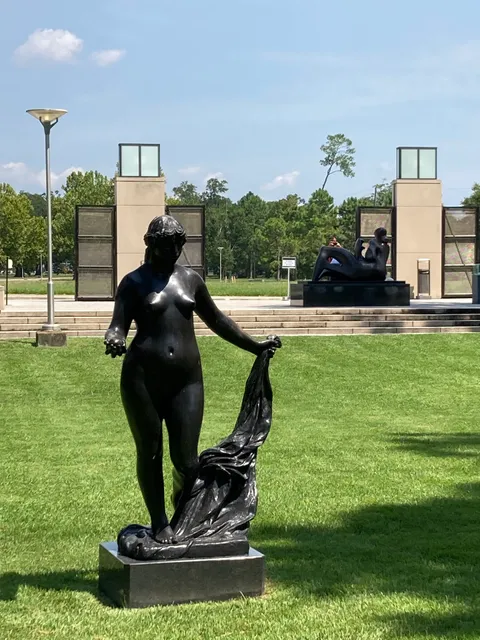
Sydney and Walda Besthoff Sculpture Garden
New Orleans Museum of Art
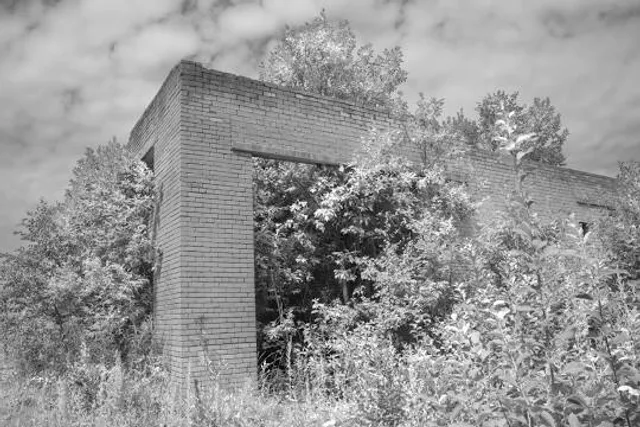
McDonogh Oak
New Orleans Botanical Garden
Pavilion of the Two Sisters
Stanley Ray Playground
Storyland
Louisiana Children's Museum
The Singing Oak
Carousel Gardens Amusement Park
Sydney and Walda Besthoff Sculpture Garden
4.8
(744)
Closed
Click for details

New Orleans Museum of Art
4.7
(135)
Closed
Click for details
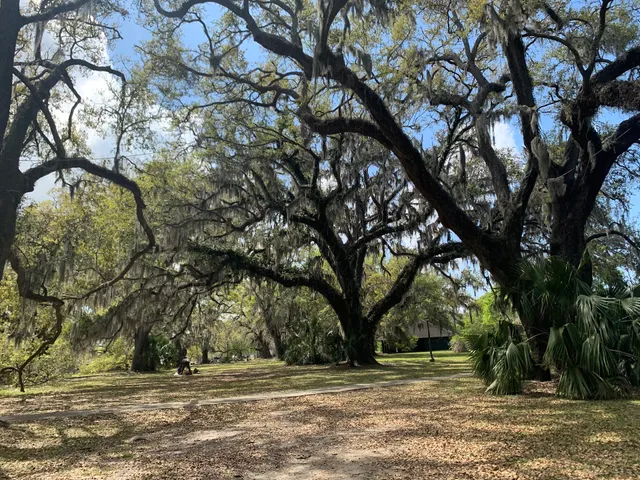
McDonogh Oak
4.9
(123)
Closed
Click for details

New Orleans Botanical Garden
4.7
(733)
Closed
Click for details
Nearby restaurants of Duelling Oak
Café Du Monde – City Park
Cafe NOMA
Ralph's on the Park
Blue Oak BBQ
Toups Meatery
Pandora's Snowballs
Acorn: A Dickie Brennan & Co. Cafe
Parkview Tavern
The Bean Gallery
Steeles Cafe Nola
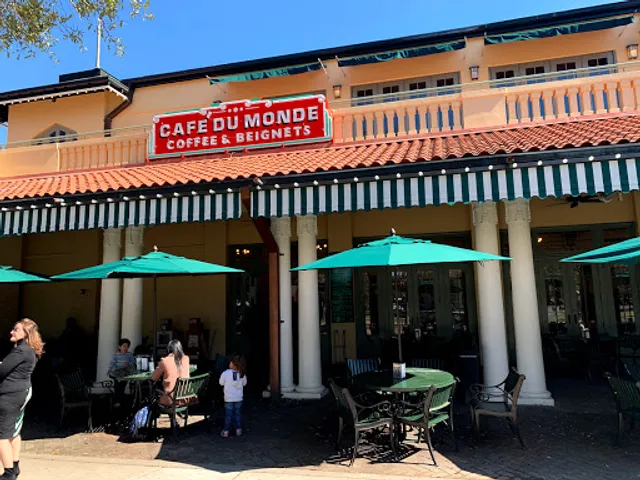
Café Du Monde – City Park
4.6
(2.2K)
$
Open until 10:00 PM
Click for details
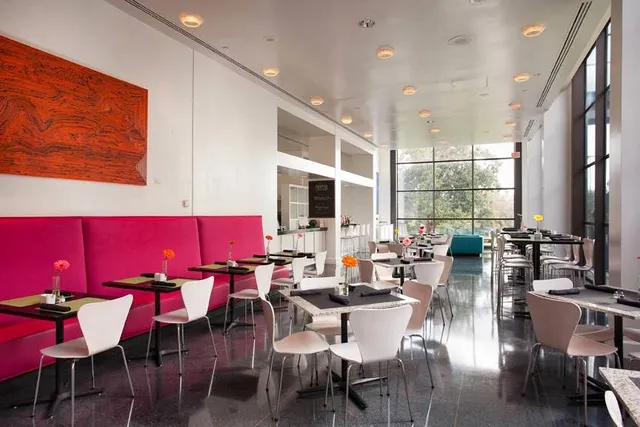
Cafe NOMA
4.5
(138)
$
Closed
Click for details
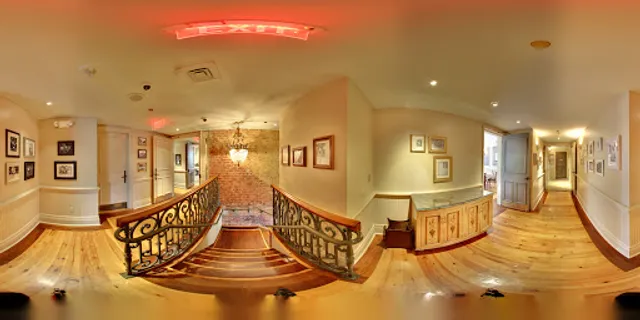
Ralph's on the Park
4.5
(678)
$$$$
Open until 9:30 PM
Click for details
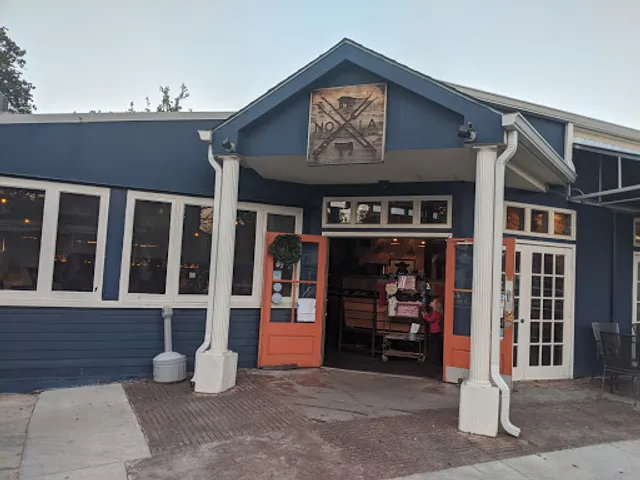
Blue Oak BBQ
4.5
(1.7K)
$$
Closed
Click for details
Nearby local services of Duelling Oak
NOMA Museum Shop
City Putt Miniature Golf Course
Wheel Fun Rentals | New Orleans City Park on Big Lake
The Helis Foundation Enrique Alférez Sculpture Garden
Owen/Butler Memorial Fountain
Crescent City Farmers Market - City Park
Museum of Art
City Park Carousel
Le Parc Salon
Winn-Dixie
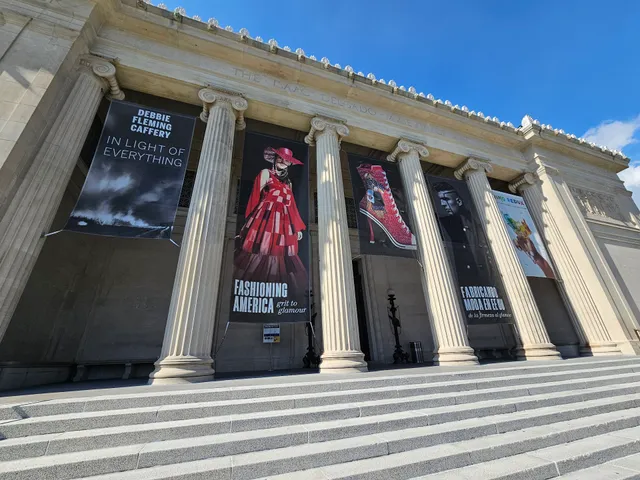
NOMA Museum Shop
4.7
(60)
Click for details
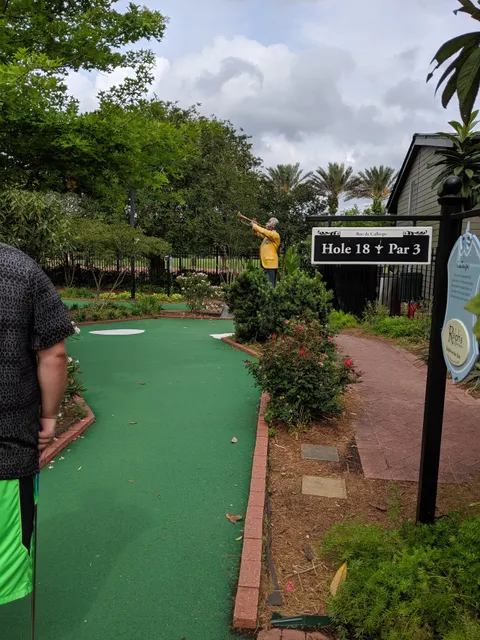
City Putt Miniature Golf Course
4.5
(329)
Click for details
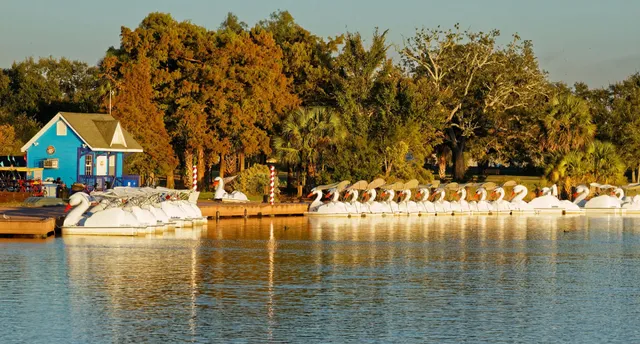
Wheel Fun Rentals | New Orleans City Park on Big Lake
4.0
(190)
Click for details
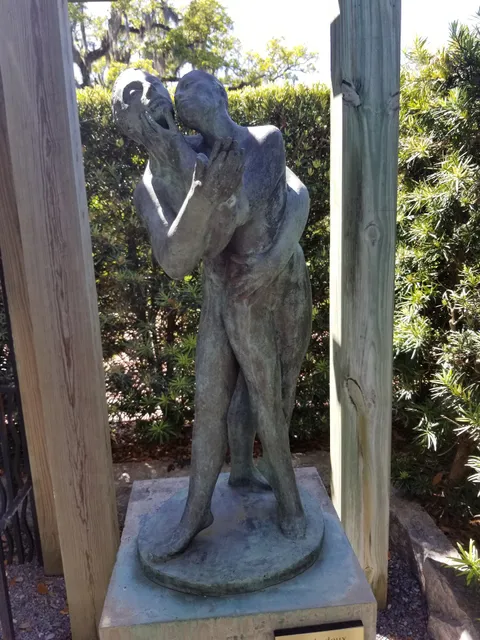
The Helis Foundation Enrique Alférez Sculpture Garden
4.5
(9)
Click for details


The hit list
Plan your trip with Wanderboat
Welcome to Wanderboat AI, your AI search for local Eats and Fun, designed to help you explore your city and the world with ease.
Powered by Wanderboat AI trip planner.