Hell Gate Bridge things to do, attractions, restaurants, events info and trip planning
Basic Info
Hell Gate Bridge
New York, NY 11105, United States
4.6(125)
Open 24 hours
Save
spot
spot
Ratings & Description
Info
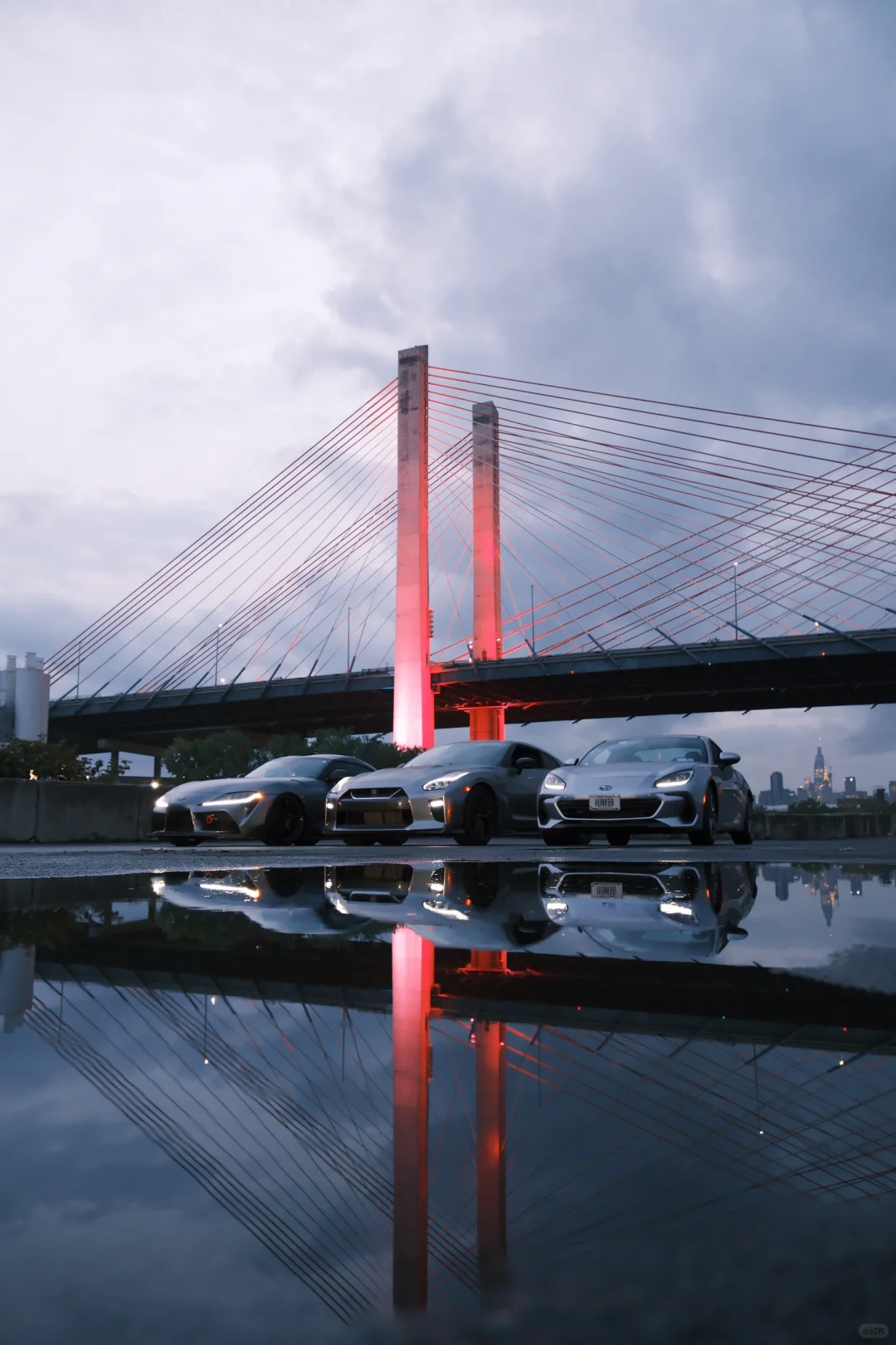
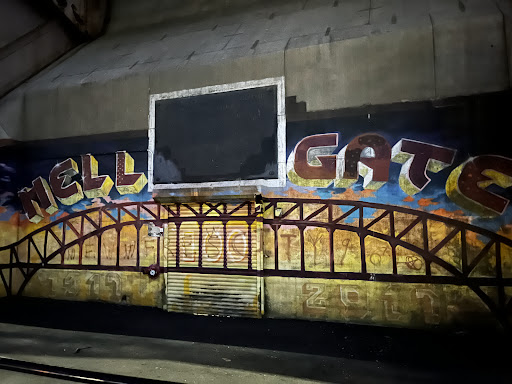
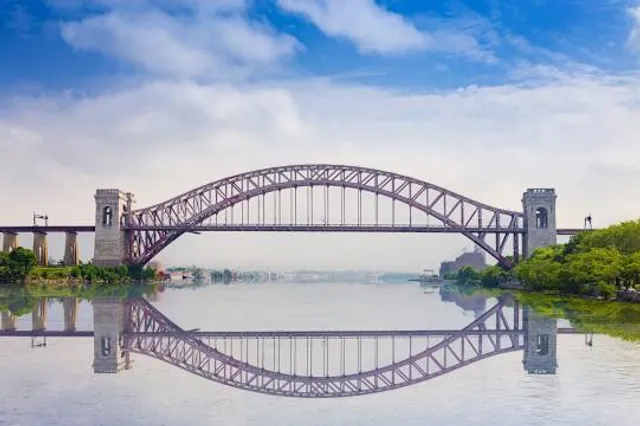
The Hell Gate Bridge, originally the New York Connecting Railroad Bridge or the East River Arch Bridge, is a 1,017-foot steel through arch railroad bridge in New York City.
Cultural
Scenic
attractions: Astoria Park, Ralph Demarco Park, Randall's Island Urban Farm, Native Plant Garden, Charybdis Playground, Robert F. Kennedy Bridge, Scylla Playground, Wards Island Park, Astoria Park War Memorial, Astoria Skate Park, restaurants: Agnanti, Niko's Souvlaki, Aida's Parkside, Astoria Parkside Market, Astoria Family Pizza, Sunshine Cafe, Meet the Meat, Palermo, Astoria Park Pizza (Astoria Family), Kinship Coffee, local businesses: Astoria Park, Astoria Pool, Randall’s Island Field #74, Cherry Valley Farm Supermarket, Randall’s Island Field #75, Randall’s Island Field #70, Astoria Park Running Track, Thai New York Spa, Odyssey House George Rosenfeld Center for Recovery, Hell Gate
 Learn more insights from Wanderboat AI.
Plan your stay

Pet-friendly Hotels in New York
Find a cozy hotel nearby and make it a full experience.

Affordable Hotels in New York
Find a cozy hotel nearby and make it a full experience.

The Coolest Hotels You Haven't Heard Of (Yet)
Find a cozy hotel nearby and make it a full experience.

Trending Stays Worth the Hype in New York
Find a cozy hotel nearby and make it a full experience.
Reviews
Live events
ARTE MUSEUM: An Immersive Media Art Exhibition
Wed, Feb 11 • 10:00 AM
61 Chelsea Piers, New York, 10011
View details
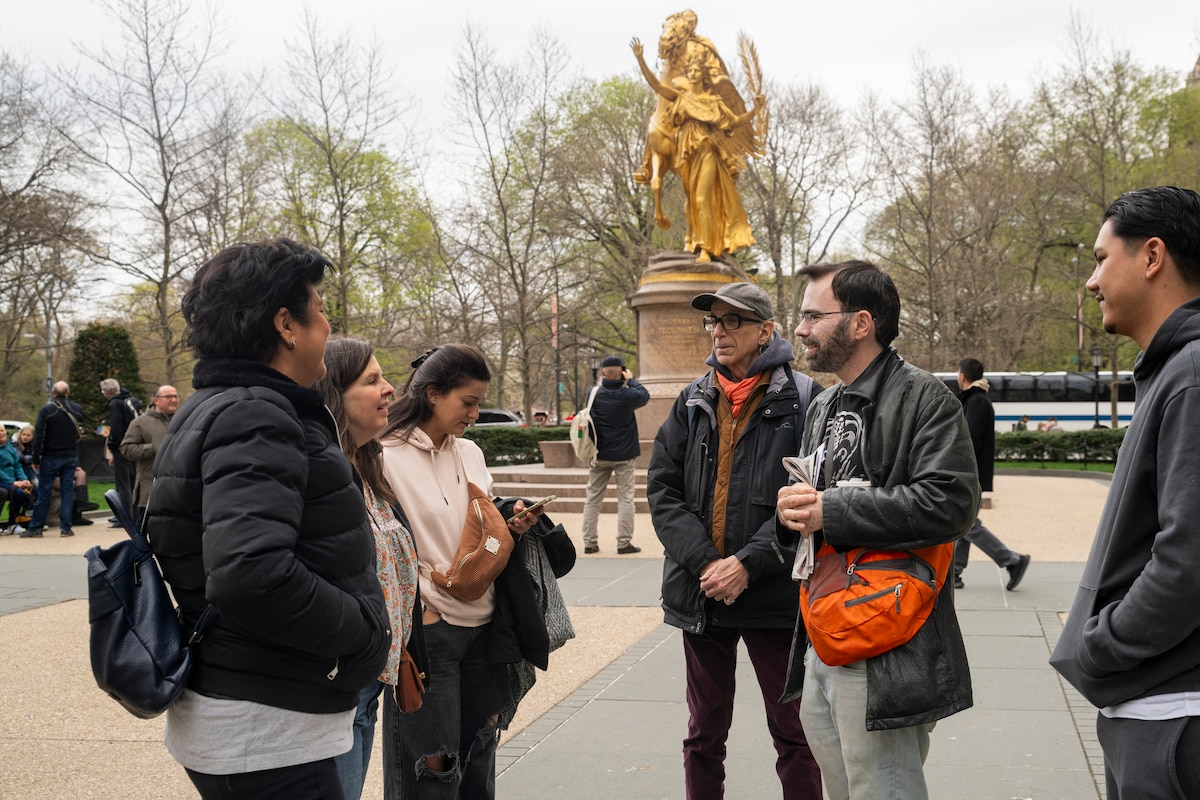
The Full-Day See It All NYC Tour
Wed, Feb 11 • 10:30 AM
New York, New York, 10019
View details
Dopamine Land: A Multisensory Experience
Wed, Feb 11 • 2:00 PM
One Garden State Plaza Pkwy, Paramus, 07652
View details
Nearby attractions of Hell Gate Bridge
Astoria Park
Ralph Demarco Park
Randall's Island Urban Farm
Native Plant Garden
Charybdis Playground
Robert F. Kennedy Bridge
Scylla Playground
Wards Island Park
Astoria Park War Memorial
Astoria Skate Park
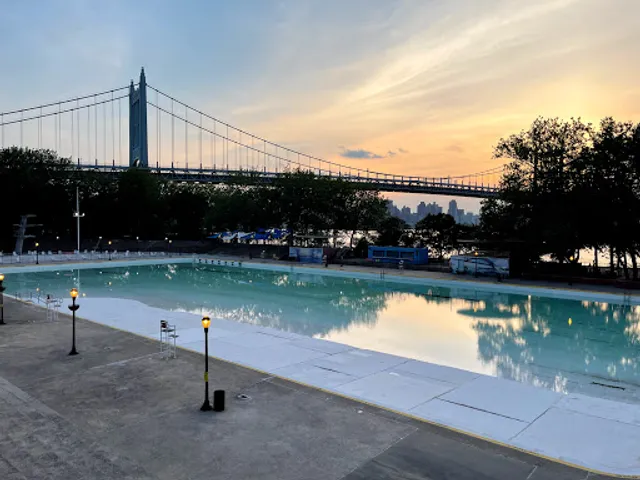
Astoria Park
4.7
(5.2K)
Closed
Click for details
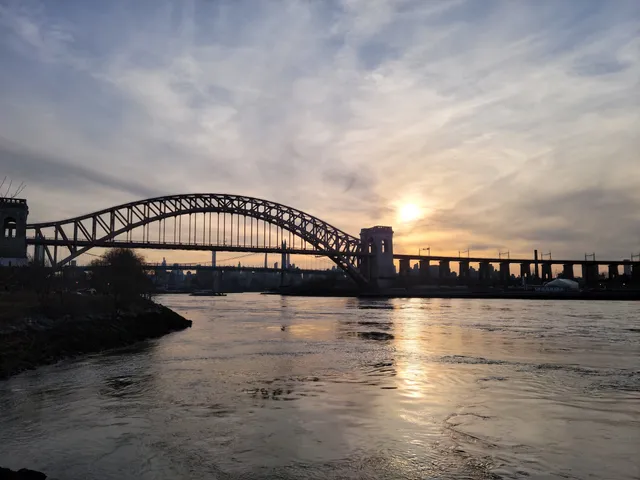
Ralph Demarco Park
4.6
(439)
Closed
Click for details
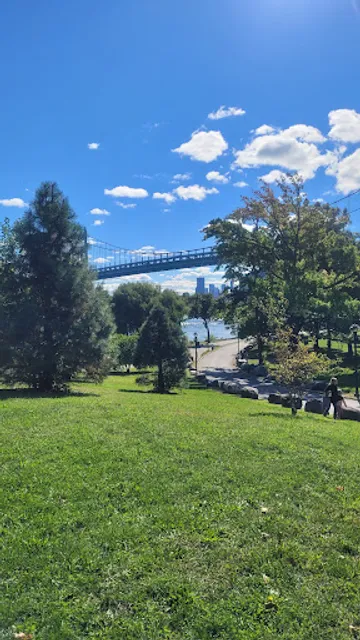
Randall's Island Urban Farm
4.7
(126)
Open until 12:00 AM
Click for details
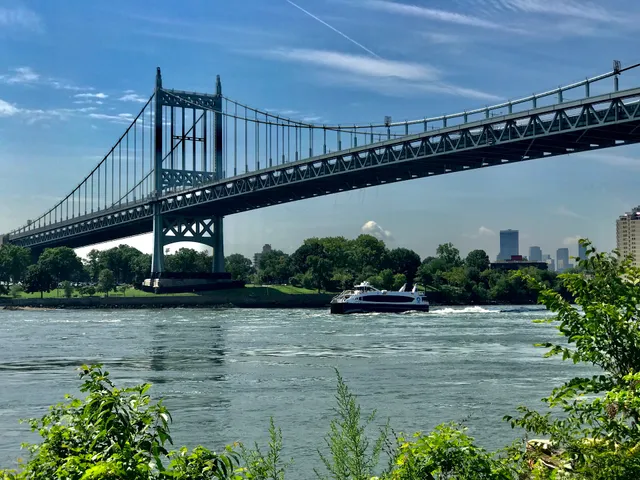
Native Plant Garden
4.1
(8)
Open 24 hours
Click for details
Nearby restaurants of Hell Gate Bridge
Agnanti
Niko's Souvlaki
Aida's Parkside
Astoria Parkside Market
Astoria Family Pizza
Sunshine Cafe
Meet the Meat
Palermo
Astoria Park Pizza (Astoria Family)
Kinship Coffee
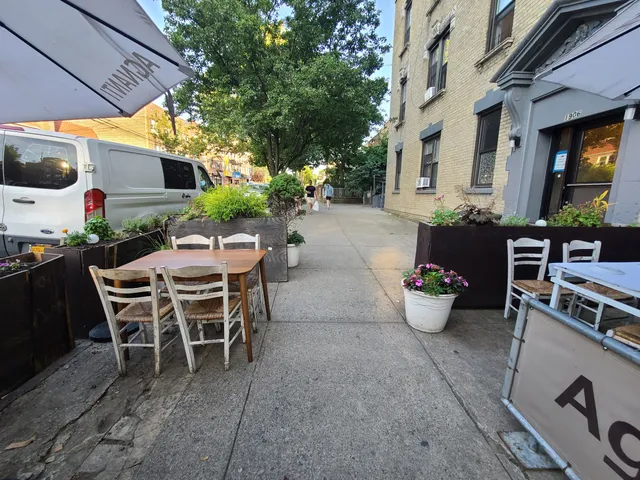
Agnanti
4.4
(699)
$$
Closed
Click for details
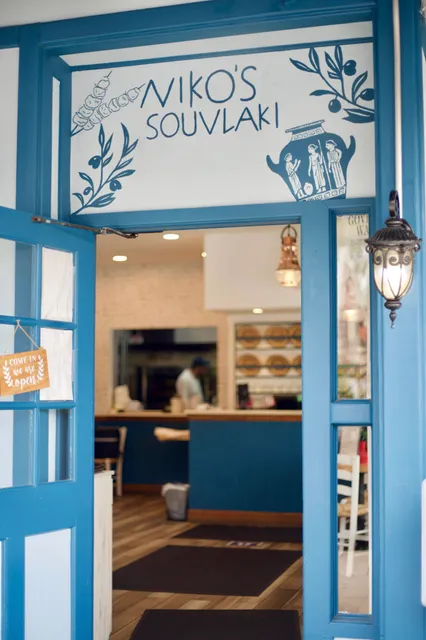
Niko's Souvlaki
4.6
(483)
$
Closed
Click for details
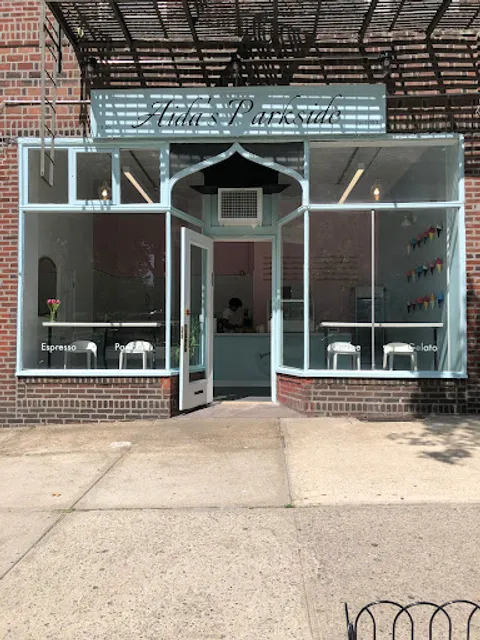
Aida's Parkside
4.6
(57)
$
Closed
Click for details
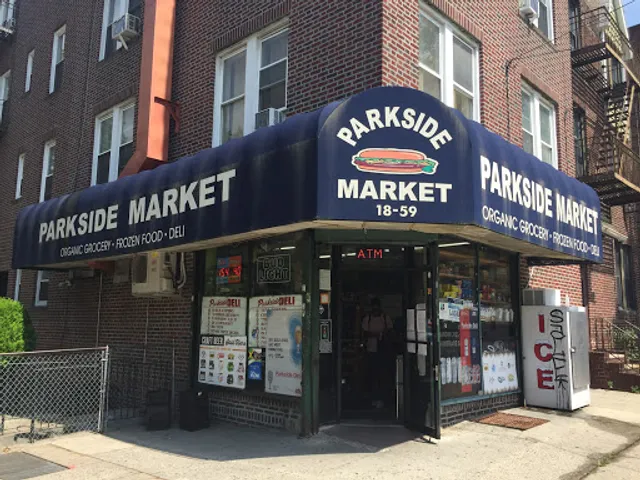
Astoria Parkside Market
3.9
(51)
$
Closed
Click for details
Nearby local services of Hell Gate Bridge
Astoria Park
Astoria Pool
Randall’s Island Field #74
Cherry Valley Farm Supermarket
Randall’s Island Field #75
Randall’s Island Field #70
Astoria Park Running Track
Thai New York Spa
Odyssey House George Rosenfeld Center for Recovery
Hell Gate
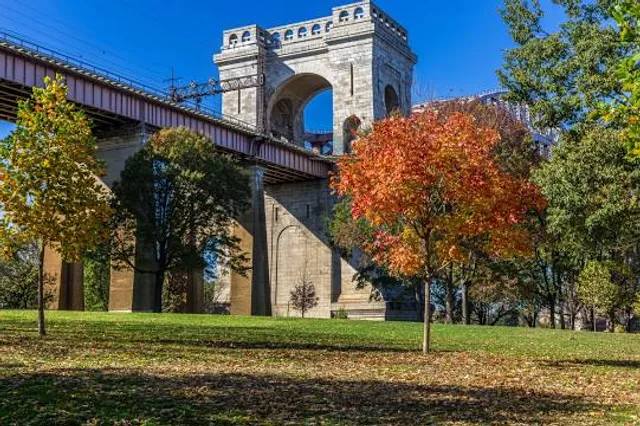
Astoria Park
4.7
(4.5K)
Click for details
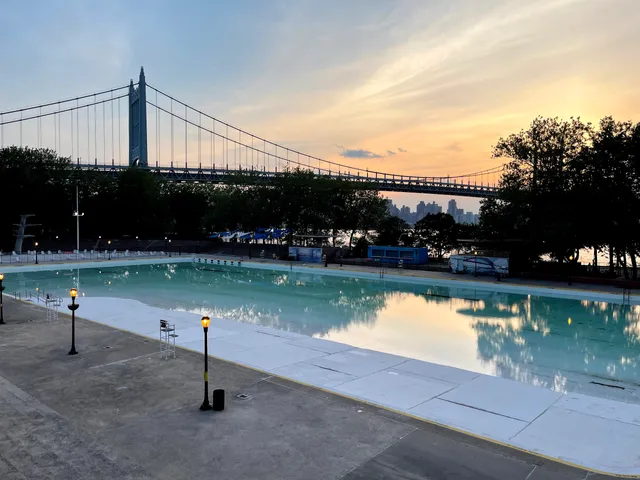
Astoria Pool
4.1
(440)
Click for details
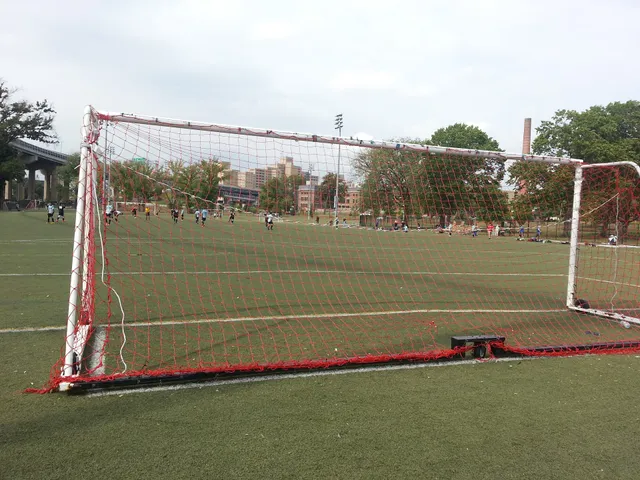
Randall’s Island Field #74
4.5
(63)
Click for details
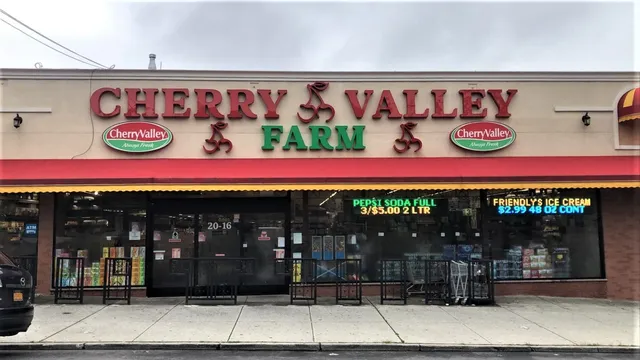
Cherry Valley Farm Supermarket
3.7
(218)
Click for details