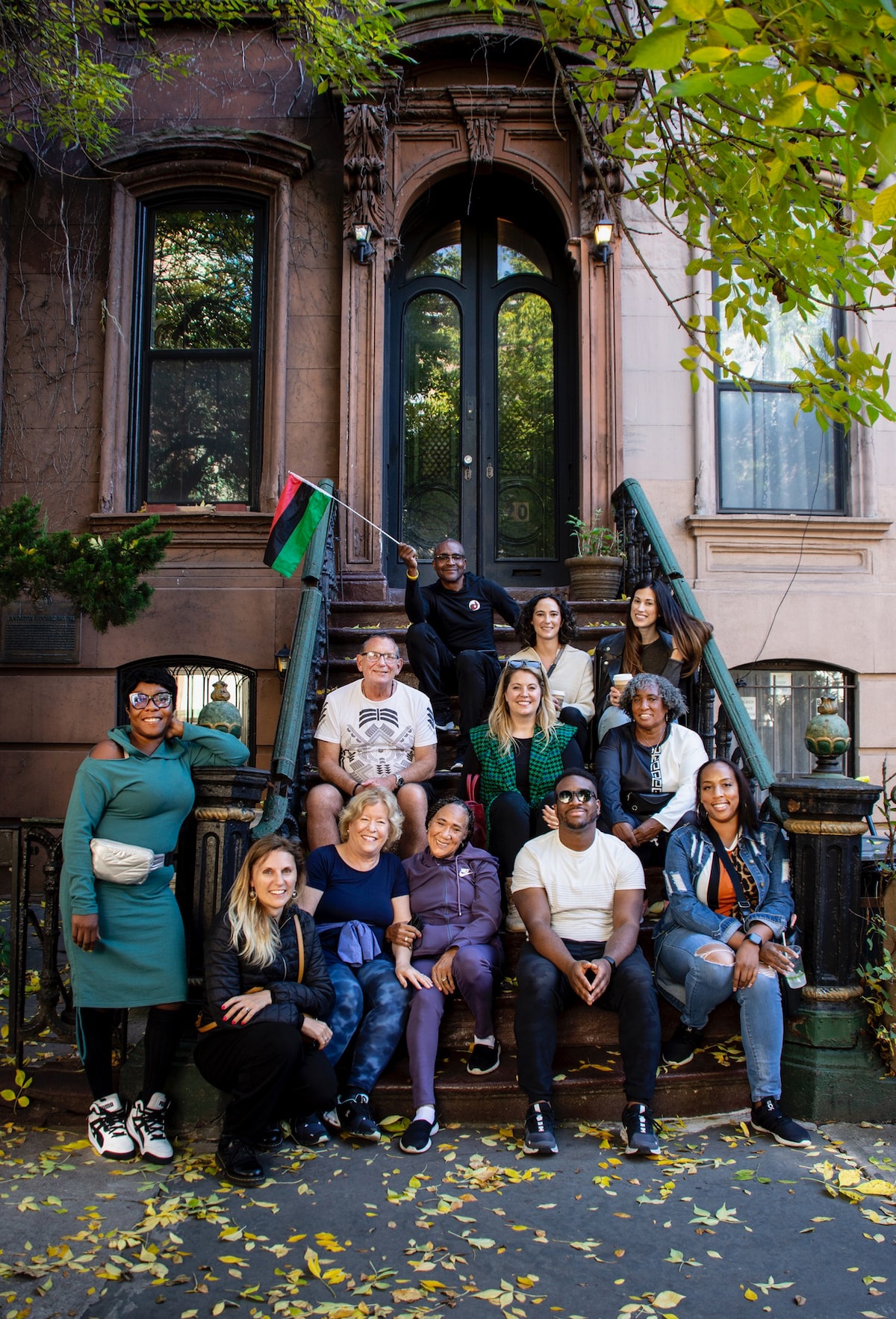
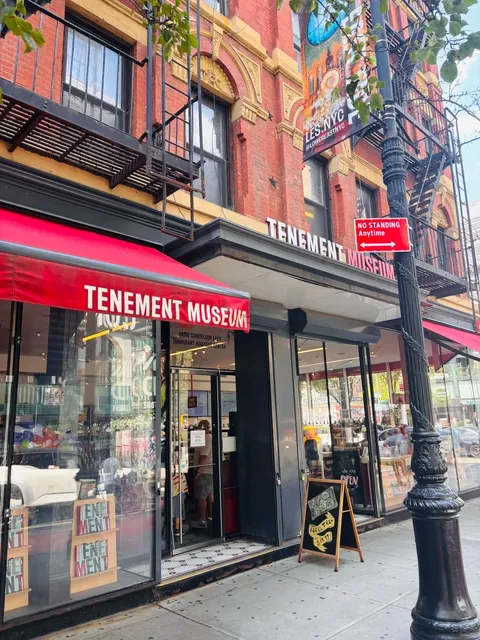
On a humid June Monday afternoon in New York City, I joined a group of fifteen—travelers and a handful of New Yorkers—for the Under One Roof tour at the Tenement Museum. What unfolded over the next hour was less a history lesson and more a powerful act of collective remembering. Led by our guide, Jim, whose calm authority and warmth grounded us from the start, the experience struck a delicate balance: intimate, educational, and quietly transformative.
We visited a tenement apartment once shared—though in different decades—by two immigrant families: the Rogarshevskys, Jewish immigrants from Lithuania who lived there in the 1910s, and the Baldizzis, an Italian Catholic family who called the same space home in the 1930s.
Jim didn’t just narrate the facts; he invited us into their worlds. With the Rogarshevskys, we stepped into the rhythms of a family navigating life on the Lower East Side while trying to keep Shabbat in a rapidly industrializing America. The father, Abraham, worked as a presser in a garment factory—long hours, low pay—and passed away young from tuberculosis, leaving his wife Fannie to care for their six children. In that small apartment, the tension between tradition and assimilation was palpable—between the Yiddish newspapers on the table and the children’s growing fluency in English.
And then, through time and light, we transitioned to the 1930s and met the Baldizzi family. Adolfo Baldizzi, a Sicilian immigrant and cabinetmaker, struggled to keep his family afloat during the Great Depression. His daughter Josephine remembered these rooms decades later, recalling the way her mother opened the window to let in music from the street, or how neighbors helped each other when jobs disappeared. The apartment, though modest, radiated a sense of dignity—and survival.
What struck me most was how little had changed between these lives: the dreams, the challenges, the hope that the next generation might rise higher. And in Jim’s careful storytelling, those threads came alive—not as abstract history, but as lived experience. He wove in broader context without ever losing sight of the individual, human scale.
The Tenement Museum doesn’t recreate the past—it resurrects it gently, allowing visitors to see echoes of themselves in these families’ stories. It reminds us that immigration is not only a political debate or a line on a census form; it is a kitchen table, a sewing machine, a father’s coat hung by the door. It is memory made visible.
I left with a quiet reverence, and a sharper awareness of the lives that built this city, often unseen. This is not a flashy experience—but it is an essential one.
There’s a museum store at the entrance. I recommend buying tickets in advance. Different tours start at different times of the day, but there are frequent tours happening, so you won’t have to wait a lot. I am so much the richer for having...
Read moreOverall this is an excellent experience and a unique and important perspective on New York, especially when combined during one's visit to NYC with historic houses of worship in the neighborhood and a trip to Ellis Island to more fully appreciate the immigrant experience. We did two tours, After the Famine and Under One Roof. The guides were fair especially our first. The second guide seemed new and not as confident in the material. I had to answer a question from another guest that involved the New Tenement Law of 1901 that the guide was not familiar with, although he said "oh yeah, I forgot about that." I found that surprising as it is the Tenement Museum after all and would expect them to know about the history of tenements and laws governing them. I got the feeling that the guides learned 'the tour' rather than a lot of background material so perhaps they are not very well trained. I'm a former docent at an important historic house that required 3 months of study and an very tough exam prior to giving tours, so perhaps my standards are high for guides to know a lot of the history of the time period and surrounding area, not just the subject matter or talking points on a tour. My only other complaint would be that the tours feature some ivory tower language that veers a little too close to Oppressor / Oppressed population narratives when discussing the material. The guides also asked the group a couple of times if we "needed a minute' to process some of the material that they must have thought 'heavy or disturbing.' I suppose it may be for their 20 year old peer group. Our group was made up of all wizened 50 year olds who grew up without trigger warnings, so some of us found that a bit silly. I also found myself urging the guide, in my mind, to please just get on with the information without all the emotional pauses and overly emotive speech patterns unfortunately so common even in newscasting today. He could have squeezed in at least 25% more information in a slightly more organized and dynamic tour plan. Calling themselves educators, rather than docents or guides is also a bit precious. Other than that, it is worth the visit and the family histories are wonderful. IF you get a good guide. The bookstore is a treasure trove although the individual price of a tour is prohibitive and a bit shocking considering we are talking about the lives of relatively poor people. A...
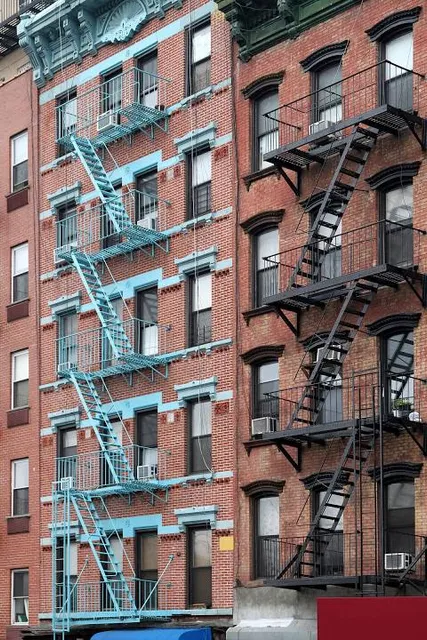
Read moreThe Tenement Museum is an opportunity for visitors to take a guided tour through a historical and preserved tenement building from the 19th-century and to learn about early American immigrants who lived in these buildings in the Lower East Side of the city.
They offer a variety of tours which concentrate on 3 different floors on a historic tenement building. Tours focus on different families who occupied the tenement homes (and make-shift workplaces) based on old U.S. Census data taken at various points in time. The tours seem to run every 1-2 hours with varied durations. Best to refer to the their website to see which tour and time work best for your party. The tour we attended was an early afternoon 'Sweatshop Workers' tour.
Tours (US$25 per person) can be booked and paid for directly at the Tenement Museum. However, due to their popularity, many are booked up in advance. While we waited for our recent tour, walk-in visitors were having to sign up for those 2-3 hours later in the day. As such, it is well worth your time making reservations in advance directly on the Tenement Museum website. We made reservation around 4 weeks in advance and simply brought our email ticket confirmation to the museum where they were exchanged for physical tickets.
During tours, you will be taken into an old tenement building and to a designated floor where your tour will be held. We were taken into three rooms and led in discussion by a young guide who presented the tenement building and introduced us to the two families who occupied the rooms at various points in times. We learned about their occupations and discussed what life would have been like during the eras in which they resided within the tenement.
Note: There is no photography allowed on the tours and no wandering around. You must stay within your group. The tenement building condition isn't great so no touching of anything as the tour takes place.
In the end, we found the tour interesting but a bit pricey for the short length of the experience. Not sure if we would return for another of their tours but were glad to have done this at least once. Those with more interest in early NYC and American history might very well enjoy trying more than one tour during their visit and possibly returning for additional tours during future...
Read more