Theodore Roosevelt Birthplace National Historic Site things to do, attractions, restaurants, events info and trip planning
Basic Info
Theodore Roosevelt Birthplace National Historic Site
28 E 20th St, New York, NY 10003
4.6(290)
Open until 12:00 AM
Save
spot
spot
Ratings & Description
Info
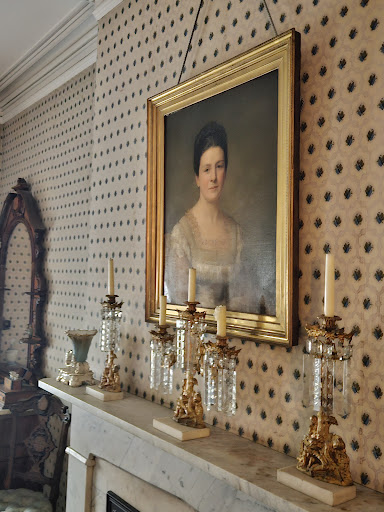
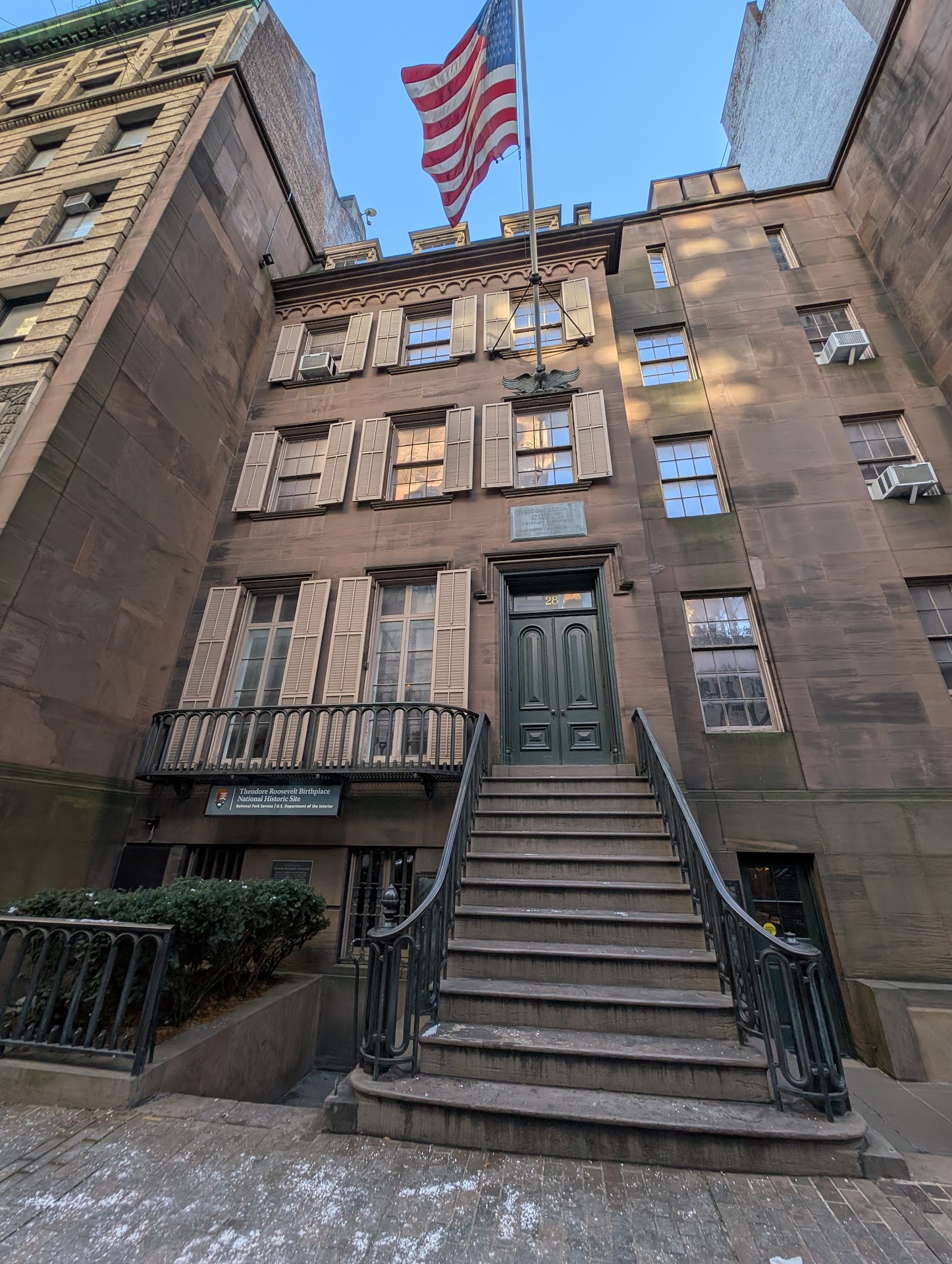
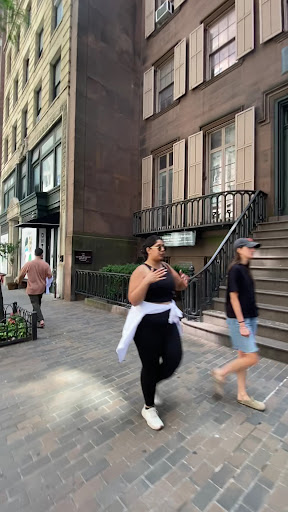
Theodore Roosevelt Birthplace National Historic Site is a recreated brownstone at 28 East 20th Street, between Broadway and Park Avenue South, in the Flatiron District of Manhattan, New York City. It is a replica of the birthplace and childhood home of 26th president of the United States, Theodore Roosevelt.
Cultural
Family friendly
Accessibility
attractions: Flatiron Building, Union Square Park, Madison Square Park, Tidal Force VR, The National Arts Club, Union Square Holiday Market, Gramercy Park, Gramercy Theatre, Home Studios Inc., Union Square Loft, restaurants: BARBOUNIA, Thai Villa, Mari Vanna, Rezdôra, The Best Sichuan 一品成都21, abc kitchen, abcV, Craft New York, NAR Modern Turkish Cuisine, PIADI - La Piadineria, local businesses: AMC 19th St. East 6, Fishs Eddy, Harry Potter Shop New York, Venchi, Paragon Sports, Rescue Spa, abc carpet & home, Obligo, VirtualSpace - Matterport Spatial Capture Services, Union Square Greenmarket
 Learn more insights from Wanderboat AI.
Phone
(212) 260-1616
Website
nps.gov
Open hoursSee all hours
TueClosedOpen
Plan your stay

Pet-friendly Hotels in New York
Find a cozy hotel nearby and make it a full experience.

Affordable Hotels in New York
Find a cozy hotel nearby and make it a full experience.

The Coolest Hotels You Haven't Heard Of (Yet)
Find a cozy hotel nearby and make it a full experience.

Trending Stays Worth the Hype in New York
Find a cozy hotel nearby and make it a full experience.
Reviews
Live events
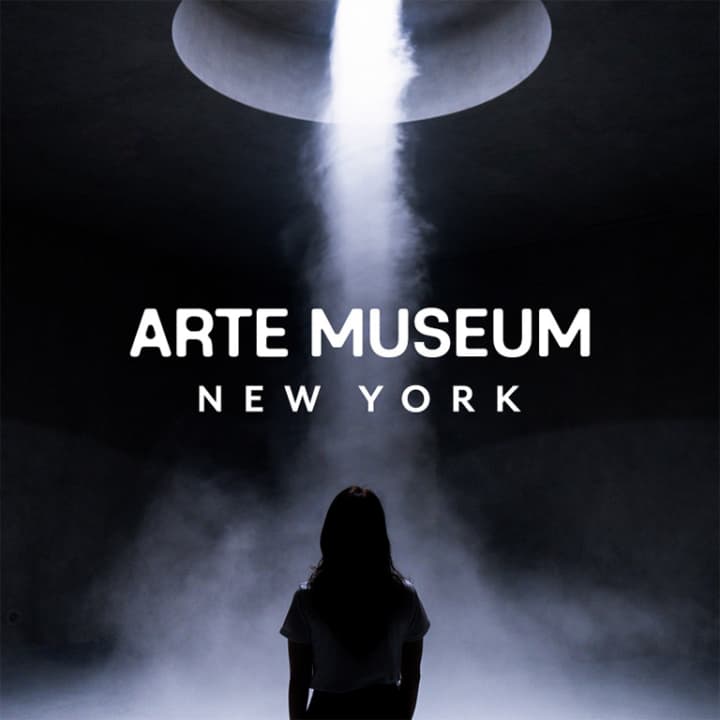
ARTE MUSEUM: An Immersive Media Art Exhibition
Tue, Feb 17 • 10:00 AM
61 Chelsea Piers, New York, 10011
View details
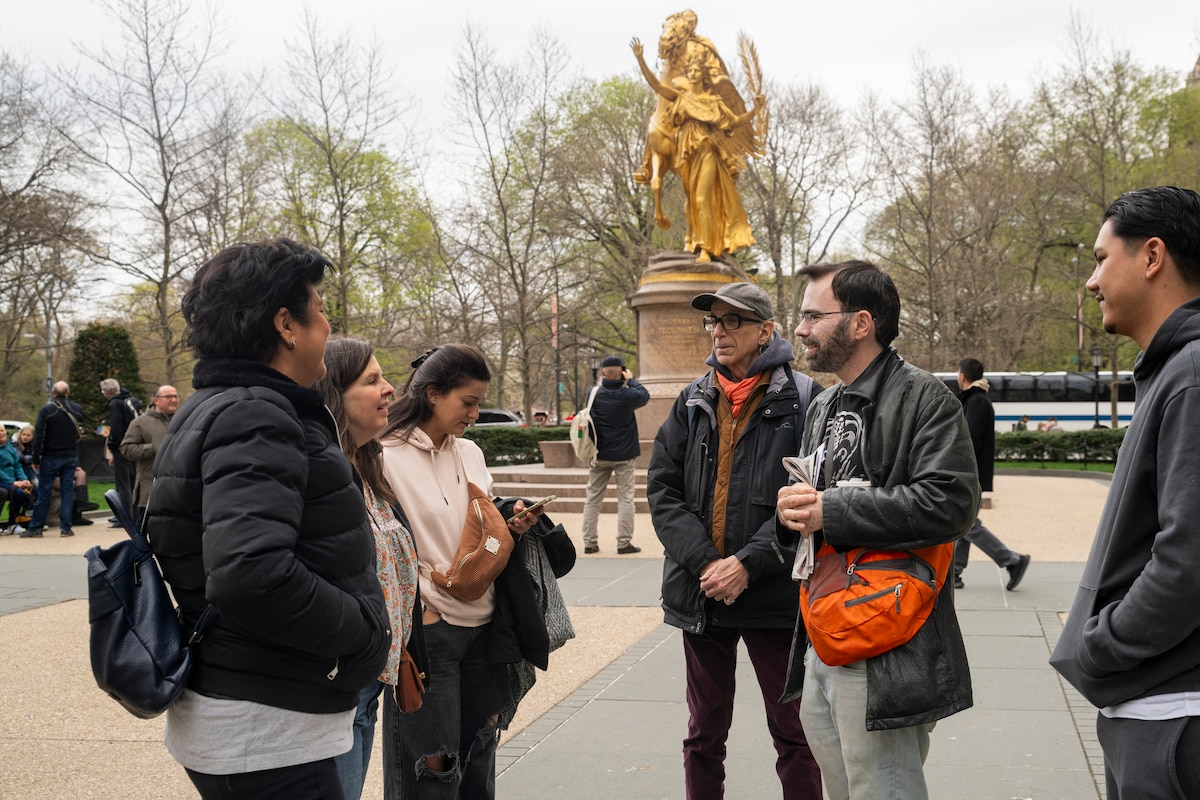
The Full-Day See It All NYC Tour
Tue, Feb 17 • 10:30 AM
New York, New York, 10019
View details

GHBC Presents: Coleman Williams (IV) & Lightnin Luke!
Tue, Feb 17 • 7:00 PM
321 River Road #6 Clifton, NJ 07014
View details
Nearby attractions of Theodore Roosevelt Birthplace National Historic Site
Flatiron Building
Union Square Park
Madison Square Park
Tidal Force VR
The National Arts Club
Union Square Holiday Market
Gramercy Park
Gramercy Theatre
Home Studios Inc.
Union Square Loft
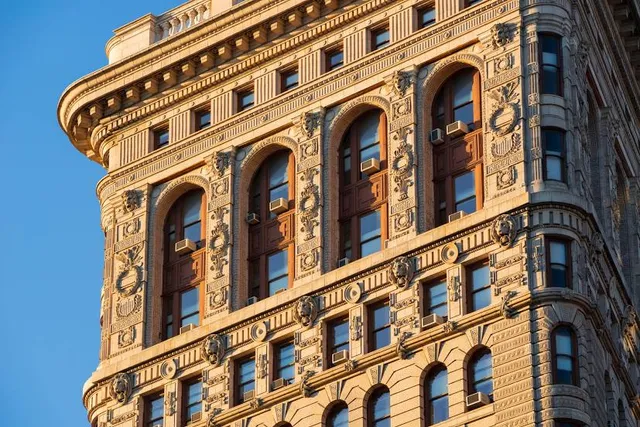
Flatiron Building
4.5
(6.2K)
Open 24 hours
Click for details
Union Square Park
4.6
(6.9K)
Closed
Click for details

Madison Square Park
4.6
(8.6K)
Closed
Click for details
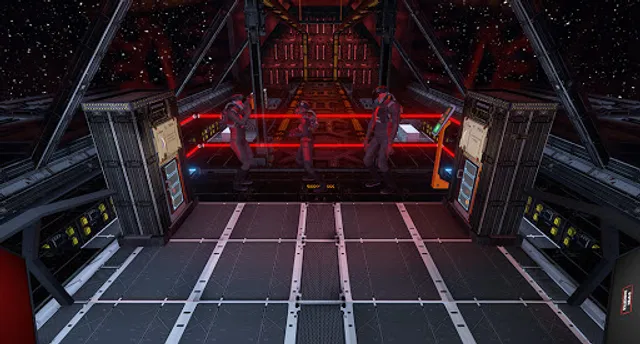
Tidal Force VR
5.0
(652)
Closed
Click for details
Nearby restaurants of Theodore Roosevelt Birthplace National Historic Site
BARBOUNIA
Thai Villa
Mari Vanna
Rezdôra
The Best Sichuan 一品成都21
abc kitchen
abcV
Craft New York
NAR Modern Turkish Cuisine
PIADI - La Piadineria
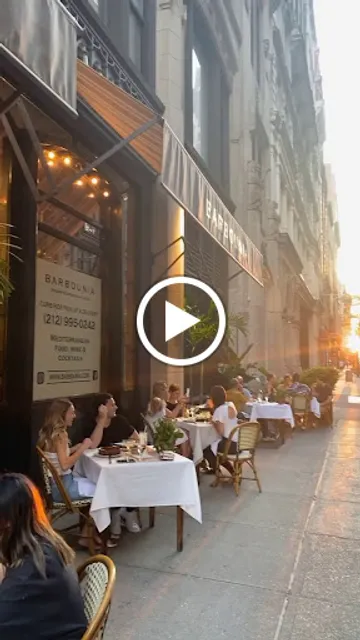
BARBOUNIA
4.7
(2.2K)
$$$
Closed
Click for details
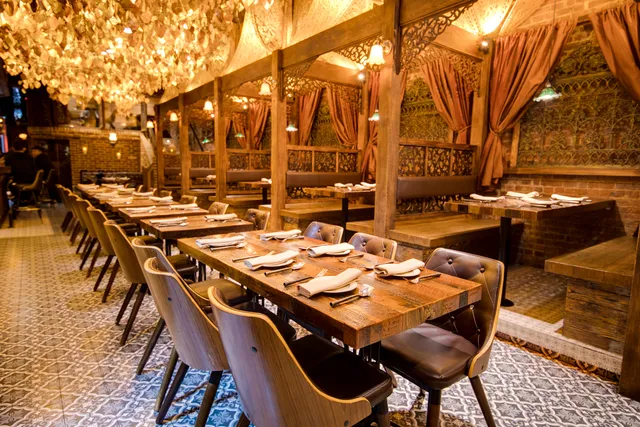
Thai Villa
4.7
(3.3K)
$$
Closed
Click for details
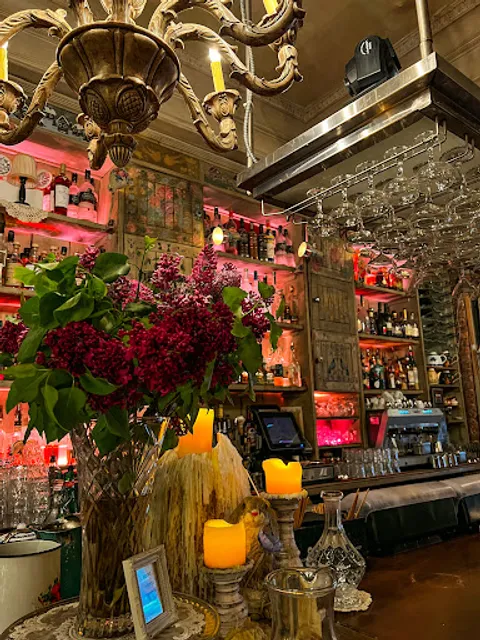
Mari Vanna
4.5
(979)
$$$
Closed
Click for details
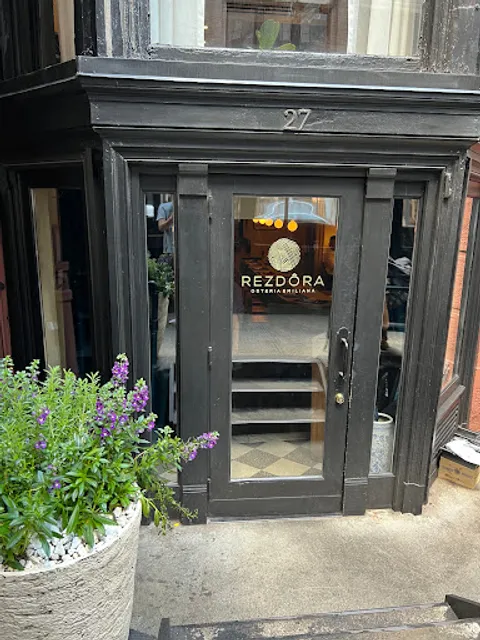
Rezdôra
4.2
(823)
$$$$
Closed
Click for details
Nearby local services of Theodore Roosevelt Birthplace National Historic Site
AMC 19th St. East 6
Fishs Eddy
Harry Potter Shop New York
Venchi
Paragon Sports
Rescue Spa
abc carpet & home
Obligo
VirtualSpace - Matterport Spatial Capture Services
Union Square Greenmarket
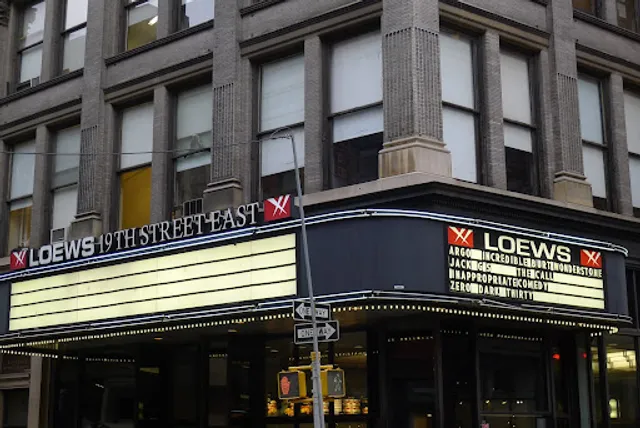
AMC 19th St. East 6
4.0
(1.0K)
Click for details
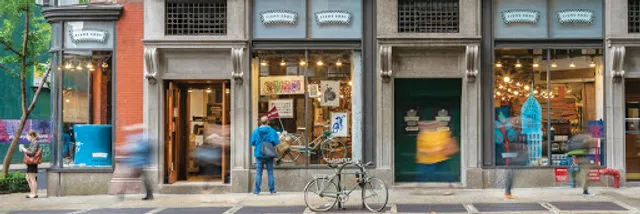
Fishs Eddy
4.6
(788)
Click for details
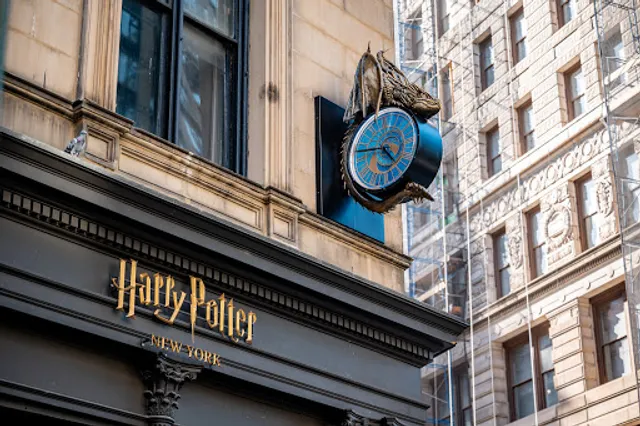
Harry Potter Shop New York
4.7
(4.4K)
Click for details
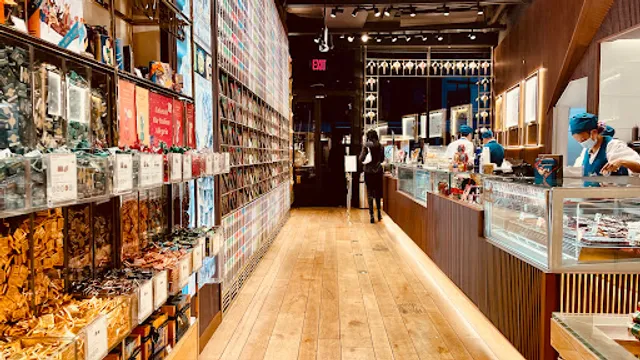
Venchi
4.8
(1.7K)
Click for details